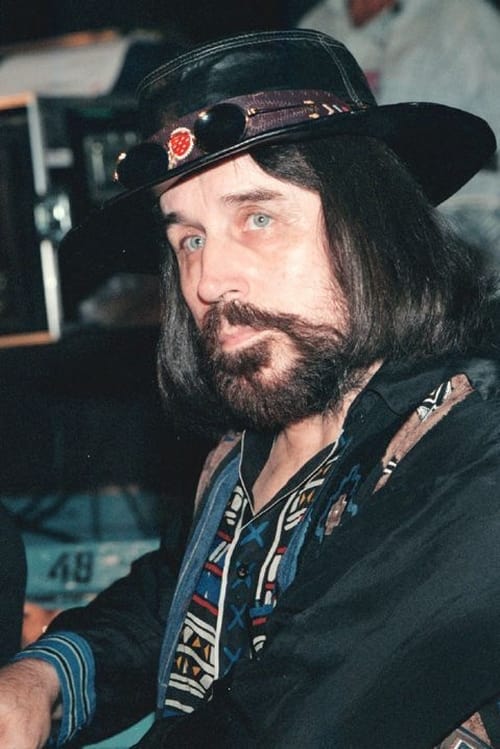
Czesław Niemen
Sound
Biography
Czesław Niemen (born Czesław Juliusz Wydrzycki; February 16, 1939 – January 17, 2004) was a distinguished Polish singer-songwriter and rock/folk/jazz/electronica musician who made a name for himself in a variety of genres, instruments, and roles. Niemen was born in a Polish village in what is now Belarus. He studied at a music school in Grodno for a year to study the Russian accordion (баян) when he was young, but he was thrown out for not attending classes. His musical activities didn’t start again until he was in his 20s, after he lived through World War II and his repatriation into Poland after his hometown became part of Belarus. He began playing the guitar, teaching at a music school, and performing at clubs. He did well at some competitions for amateur musicians and joined the band Blue-Black (Niebiesko-Czarni), with whom he started writing songs and recorded his first EP. Around this time he adopted Niemen as his stage name, taking it from the name of the Belarusian river. He performed occasionally as a soloist, in a Western rock style, achieving a hit with his song “Did You Know?” (“Czy wiesz?”). Niemen started his next band, Watercolors (Akwarele), in the mid-1960s. They became known for their song “Strange Is This World” (“Dziwny jest ten świat”), and it turned into a Polish protest anthem. The album it appeared on went gold. The band only lasted a few years, but it set the stage for Niemen’s exploration of other forms of rock—experimental, electronic, and psychedelic, among others. With his groups Niemen Enigmatic and then just Niemen, he recorded several more albums in these varied styles. But as it did for many Polish musicians, the introduction of martial law in 1981 interrupted his career somewhat—he slowed down for a time and did not record much over the next ten years. He was able to continue his career, though, recording another few albums before he died in 2004 of cancer.
Known For
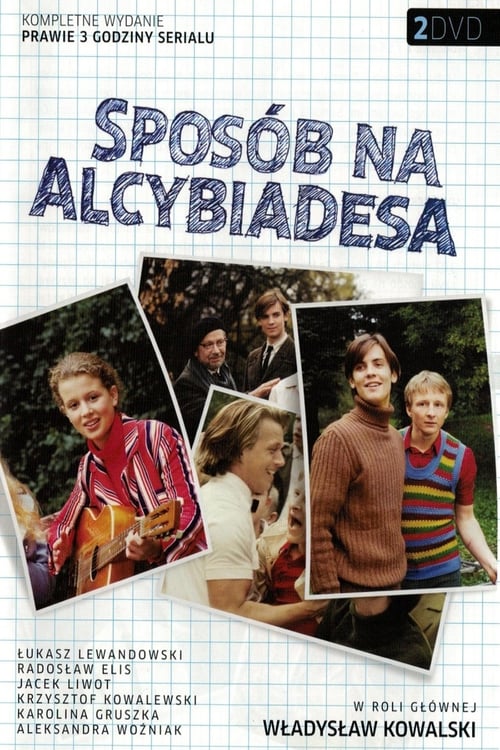
An adaptation of Edmund Niziurski’s novel of the same title.
Sposób na Alcybiadesa
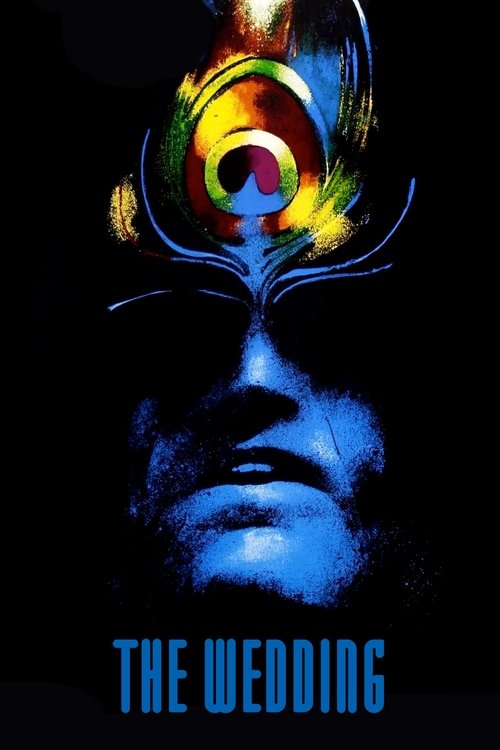
Set at the turn of the century, the story concerns a Polish poet living in Cracow who has decided to marry a peasant girl. The wedding is attended by a heterogenous group of people from all strata of Polish society, who dance, get drunk and lament Poland's 100-year-long division under Russia, Prussia, and Austria. The bridegroom, a painter friend, and a journalist each in turn is confronted with spectres of Polish past.
The Wedding
The film begins with two symbolic scenes: an eagle fluttering in a cage. Cossacks cut down pine trees with sabers to clear the field of fire. It is June 1980. A large rubbish dump near Wólka Węglowa, exactly where Polish cavalrymen charged German troops in 1939. Not far away is the Warsaw Steelworks. A group of former cavalrymen renew their efforts to erect a monument to the Polish cavalry. The cavalrymen stage a reenactment of the charge; it is a commented reconstruction of those events, supported by film documents. A strike breaks out on the coast, then at the Warsaw Steelworks. On radio and television, editor Ryszard Wojna warns the public against a repeat of the events of 1863. This has no effect on the workers' decision. A strike committee is formed at the steelworks, and the workers formulate their demands. The scenes at the steelworks and the strike situations are filmed live.
Szarża, czyli przypomnienie kanonu
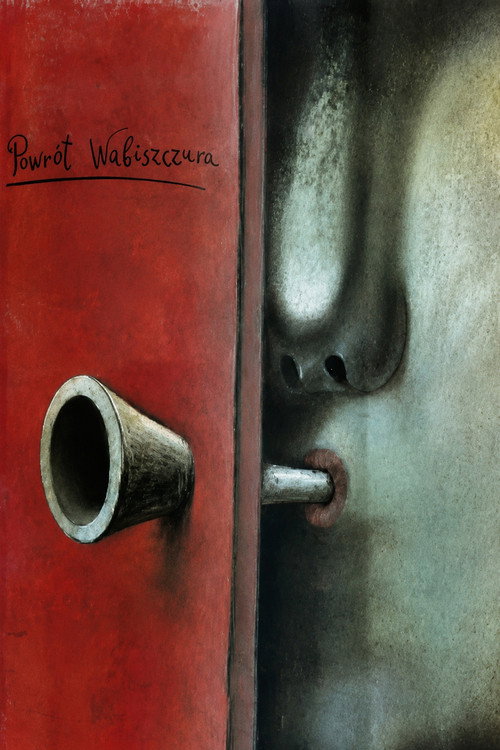
The story of the pied piper, the German legend of the rat catcher of Hameln, retold as a punk invasion of a Polish small town.
Return of the Pied Piper
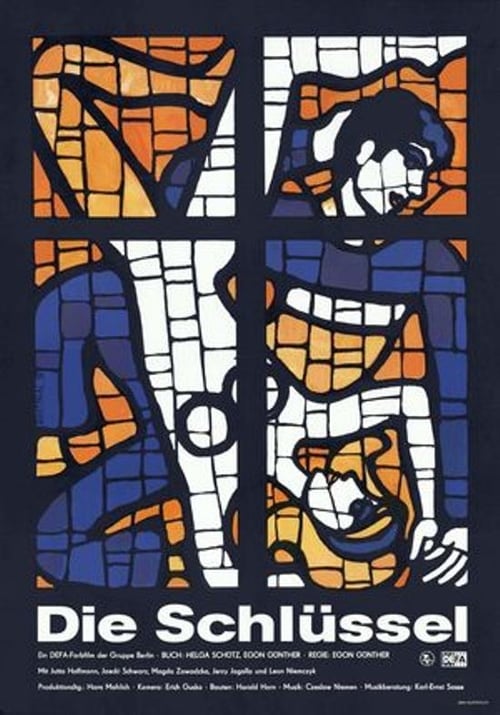
During their holiday in Kraków, a young worker and a student are asked if their love, despite different views on life, will endure.
The Keys
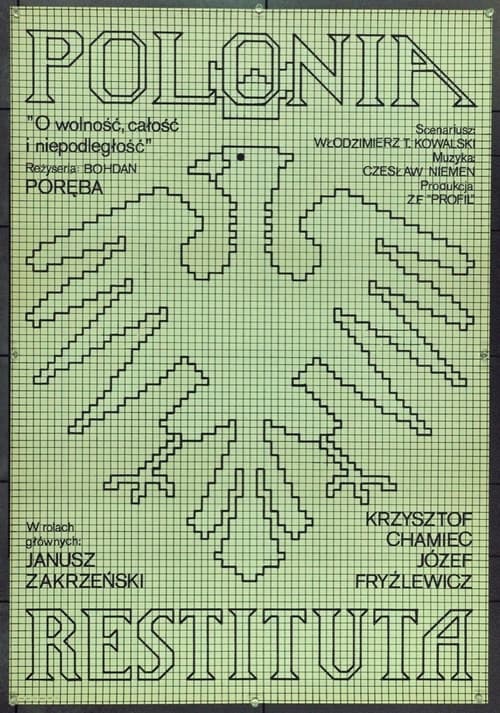
A two-part historical film covering the years of the First World War and the post-war period up to 1919 - until the signing of the peace treaty in Versailles near Paris. An attempt to show the great and complicated process of regaining an independent existence by a nation within its own state. The screen shows characters from history textbooks: Józef Piłsudski, Ignacy Paderewski, Roman Dmowski, Wojciech Korfanty as well as representatives of the world political scene, incl. David Lloyd George, Woodrow Wilson, Georges Clemenceau, Vladimir Lenin and others.
Polonia Restituta
Zofia is an elderly woman living in an retirement home. Separate from the rest, she talks seldom and then only about visiting her daughter's family for Christmas. When she comes to her daughter's home unannounced, her stay is spoiled by the damage to her son-in-law doctorate bookmarks which she removed unknowingly during dusting. She then spends Christmas in an empty restaurant, surrounded by waiters and musicians waiting to be tipped.
Zofia
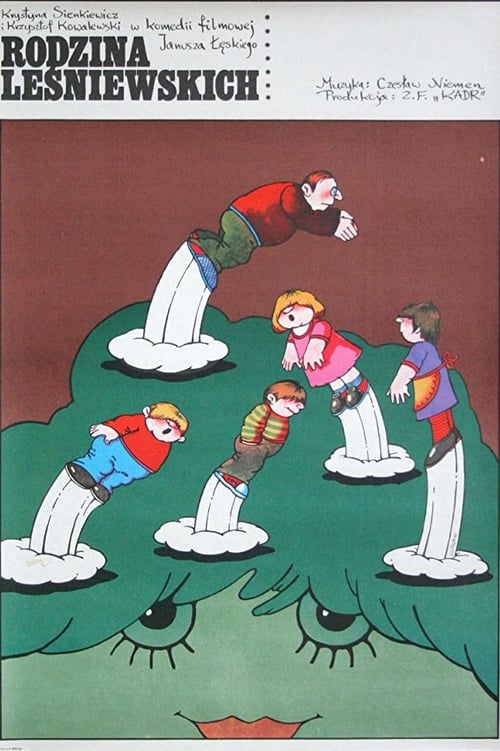
Children of the Leśniewski family decide to help their mother in daily chores so she can have more time for herself.
Rodzina Leśniewskich
A car mechanic takes a hitchhiker.
Sobie król
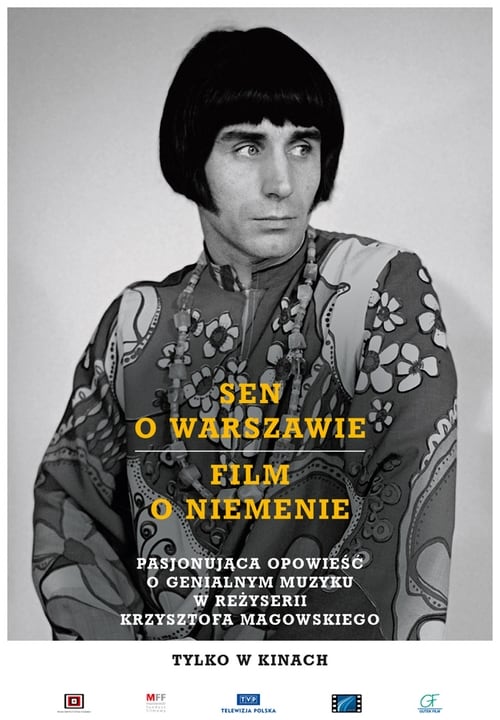
Czeslaw Niemen, who died ten years ago, was an icon for several generations of Poles. In Poland under communism he managed to raise popular music to the rank of true art; he also won renown abroad. He was born in 1939 in Stare Wasiliszki (today's Belarus) and his biography was largely shaped by the tempestuous history of this part of Europe. The film is a portrayal of the charismatic musician, made up of unique archive materials and reminiscences of his family and friends.
A Dream of Warsaw
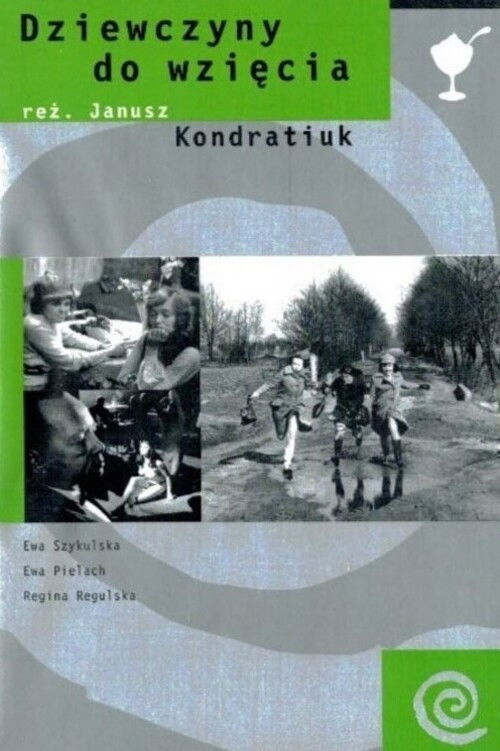
Three naive girls from the provinces travel to the city to find the men of their dreams.
Marriageable Girls
Piwowski’s most controversial documentary, a portrait of Czesław Niemen (1939-2004), an outstanding musician and vocalist, a year after the legendary song "Strange Is This World" was released.
Success
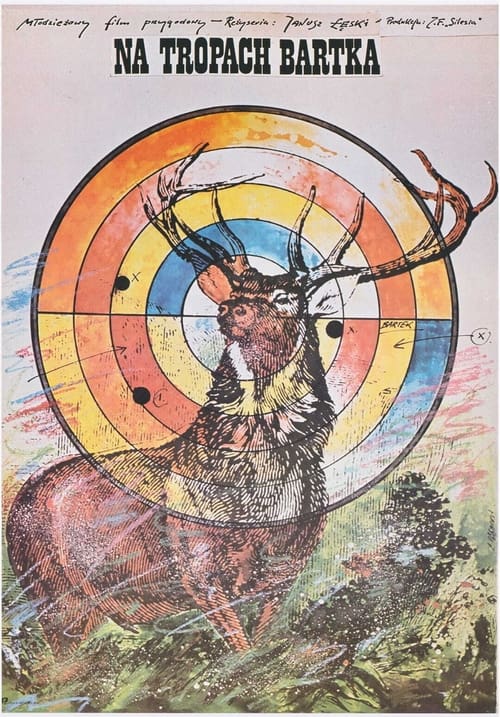
Friends, with the help of the gamekeeper and forester, try to catch the poacher.
Na tropach Bartka
No description available.
Czesław Niemen
No description available.
Niemen
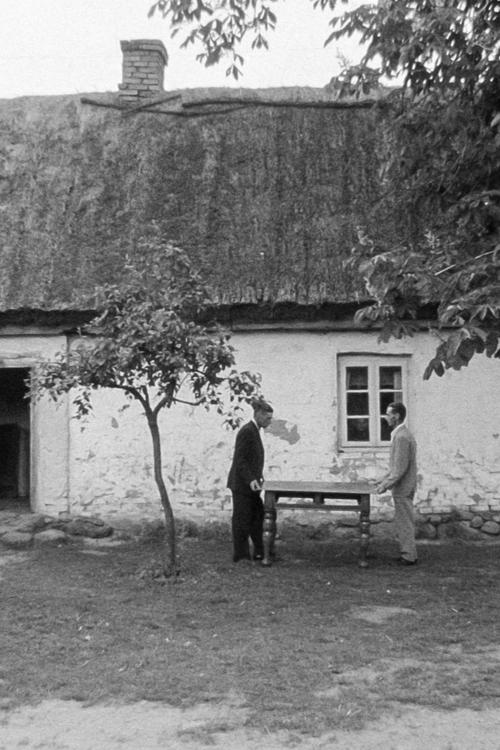
Every year, on June 13, for the past thirty-two years, the villagers have gathered to remember one of their neighbors who left his home on that day in 1939 and never returned. His nearest and dearest did not receive information about his death.
He Left on a Bright, Sunny Day
a Leszek Komorowski Cartoon