Czesław Niemen
Sound
Biography
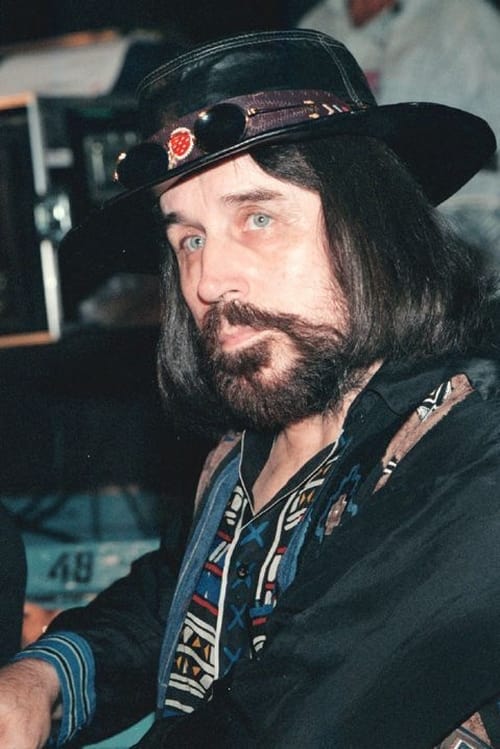
Czesław Niemen (born Czesław Juliusz Wydrzycki; February 16, 1939 – January 17, 2004) was a distinguished Polish singer-songwriter and rock/folk/jazz/electronica musician who made a name for himself in a variety of genres, instruments, and roles. Niemen was born in a Polish village in what is now Belarus. He studied at a music school in Grodno for a year to study the Russian accordion (баян) when he was young, but he was thrown out for not attending classes. His musical activities didn’t start again until he was in his 20s, after he lived through World War II and his repatriation into Poland after his hometown became part of Belarus. He began playing the guitar, teaching at a music school, and performing at clubs. He did well at some competitions for amateur musicians and joined the band Blue-Black (Niebiesko-Czarni), with whom he started writing songs and recorded his first EP. Around this time he adopted Niemen as his stage name, taking it from the name of the Belarusian river. He performed occasionally as a soloist, in a Western rock style, achieving a hit with his song “Did You Know?” (“Czy wiesz?”). Niemen started his next band, Watercolors (Akwarele), in the mid-1960s. They became known for their song “Strange Is This World” (“Dziwny jest ten świat”), and it turned into a Polish protest anthem. The album it appeared on went gold. The band only lasted a few years, but it set the stage for Niemen’s exploration of other forms of rock—experimental, electronic, and psychedelic, among others. With his groups Niemen Enigmatic and then just Niemen, he recorded several more albums in these varied styles. But as it did for many Polish musicians, the introduction of martial law in 1981 interrupted his career somewhat—he slowed down for a time and did not record much over the next ten years. He was able to continue his career, though, recording another few albums before he died in 2004 of cancer.