Acting
In 1886, in the small town of Araruna, Little Missy rejects the actions of her father—the slave-owning Colonel Ferreira—alongside Rodolfo, an active abolitionist republican with whom she falls in love.
No description available.
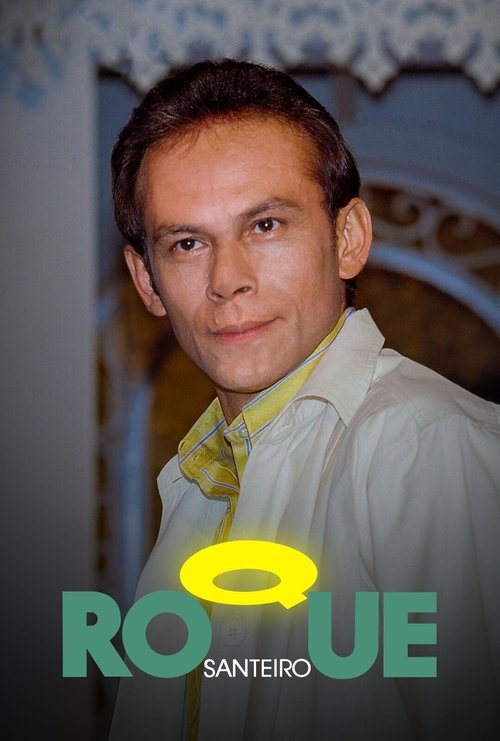
In the tiny poor town of Asa Branca, in the middle of Brazilian Northeast, Roque Santeiro is worshiped as a saint. He was supposedly killed by a bandit, 18 years ago, trying to save the local church. After his disappearance, local leaderships such as landowner Sinhozinho Malta and mayor Florindo, took profit on that to control the humble population. They even make up a widow, Porcina, who should have married Roque secretly before his death. What they don't expect is that Roque is alive, and he's back to, allegedly, "save his people". Now Malta, Florindo, Porcina, and others must hold him down and explain the "truth" to their commoners, in a desperate attempt to save their own bottoms. Meanwhile, mysterious facts surround Asa Branca, such as a Werewolf, a film crew who are trying to shoot a movie about Roque's story, and violent murderers.
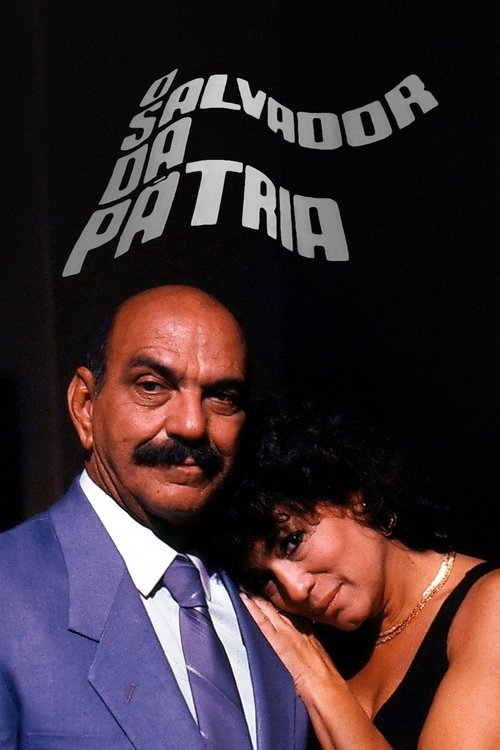
Sassá Mutema is a farm laborer who becomes the target of the city's powerful figures' cruelty. With Clotilde's support, he discovers that it's possible to start a new life alongside a great love.
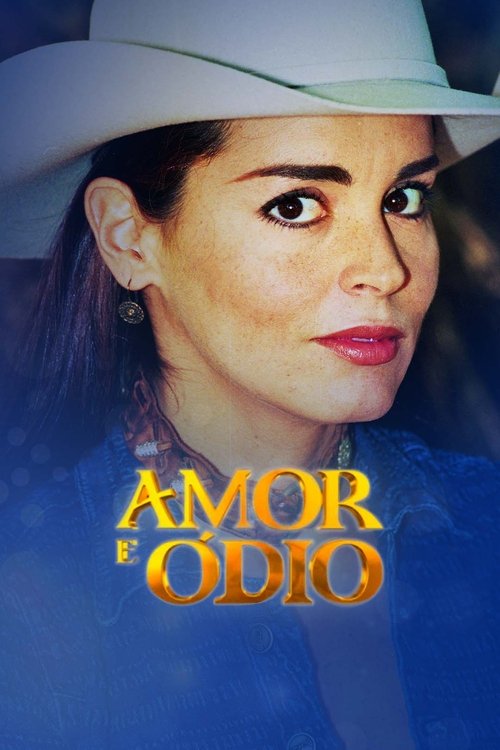
Amor e Ódio is a Brazilian telenovela produced by SBT and originally broadcast from December 10, 2001, to April 16, 2002. It is based on the Mexican telenovela La Dueña (1995), inspired by the Venezuelan telenovela La doña by Inés Rodena. Adapted by Henrique Zambelli, with text supervision by Ecila Pedroso, the telenovela stars Suzy Rêgo, Daniel Boaventura, Viétia Zangrandi, Jonas Mello, and Malu Rocha. The story follows Regina Vilanova, a kind and wealthy young woman whose life is shattered after she is betrayed by those she trusts the most. Determined to rebuild her life, she transforms into a strong and independent woman, taking control of her family's estate. As she falls in love with the honorable Rodrigo Junqueira, Regina must confront betrayal, revenge, and family conflicts while learning that forgiveness may be the only path to true happiness.
Brasileiros e Brasileiras is a Brazilian telenovela shown in some schedules SBT between November 5, 1990 and May 14, 1991. Writing for the show was done by Carlos Alberto Sofredini and Walter Avancini, who also directed it. The show was a co-production of the Miksom.
The irreverent Dulcinéa struggles to keep her revue theater, *Mambembe*, afloat; the building itself belongs to the traditional Maldonado family. The patriarch, Salvador Maldonado—a conservative man—keeps a tight rein on the clan, maintaining control over both the business and his children: Joana, an elegant and snobbish woman who is the staunchest defender of the views held by Pops, as the children call him; Téo, who has always silently submitted to the old man's high-handedness; Walter, dominated by his older sister and his father's favorite; and Lalucha, the youngest, a film student who challenges the status quo and rebels against the family's stuffy conservatism.
A deceased farmer's fortune is left to his two bastard daughters: Guida and Cíntia. But on the condition that they spend a year living together at Fazenda Fantasia, in the interior of São Paulo, running their late father's business and dealing with the differences between them.
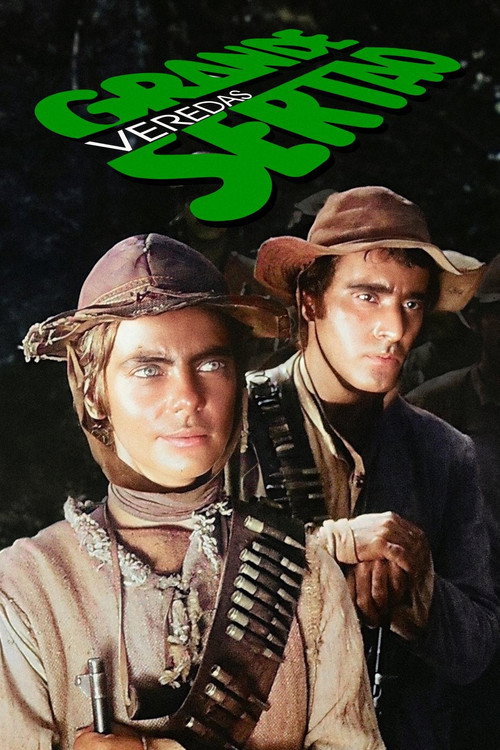
A cowboy narrates his 'jagunço' life of disputes, revenges, loves and deaths, through the years that he traveled central-east Brazil, in the first decades of the 20th century, while federal troops were in conflict with provincial forces.
The seer Joãozinho de Dagmar predicts the end of the world, throwing the population of the fictional town of Tabacópolis into a panic. Everyone engages in crazy behavior in anticipation of the supposed apocalypse.