Stanislav Hájek
Acting
Known For
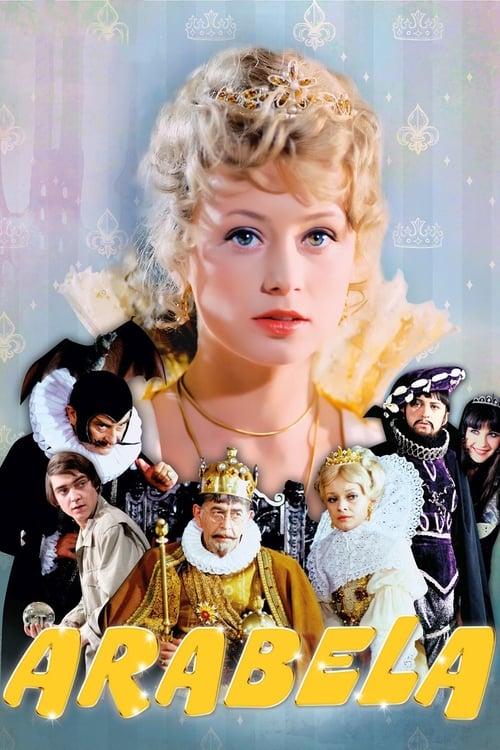
Arabela was a children's television series produced in Czechoslovakia which aired from 1979 to 1981. The series has 13 episodes and is in the Czech language.
Arabela
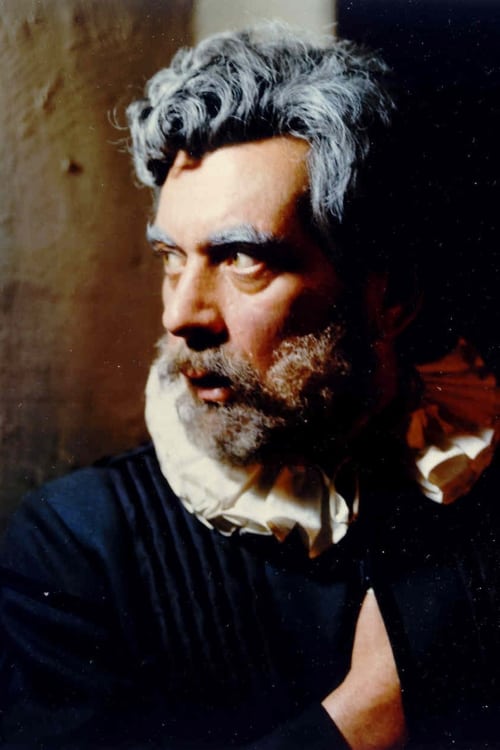
Series about the life of Renaissance anatomist, scholar and politic Johannes Jessenius. Already legendary series today, was produced by Czechoslovak Television Bratislava, directed by Slovak director Miroslav Luther in the first half of 80's in Barrandov Studios in Prague. The story and screenplay of the series wrote Czech writer Vladimír Körner. Five-episodes epic historical narration is a biographical story of distinguished Renaissance scholar, anatomist and politic of Slovak origin, Johannes Jessenius (Ján Jesenský, 1566–1621). It displays his life from the first studies and successes. In 1594 he became professor of surgery and anatomy on Wittenberg University, which he had attended years before. From that moment, his life went through social and personal wins and losses, to the sad end on the Prague Old Town Square gallows, among 27 noblemen, knights and burgenses, after lose Bohemian Revolt in 1621. His destiny was coupled with key events of Czech history in the break of 16th and 17th century, when Renaissance and European humanism slowly fade out.
The Physician of a Dying Time
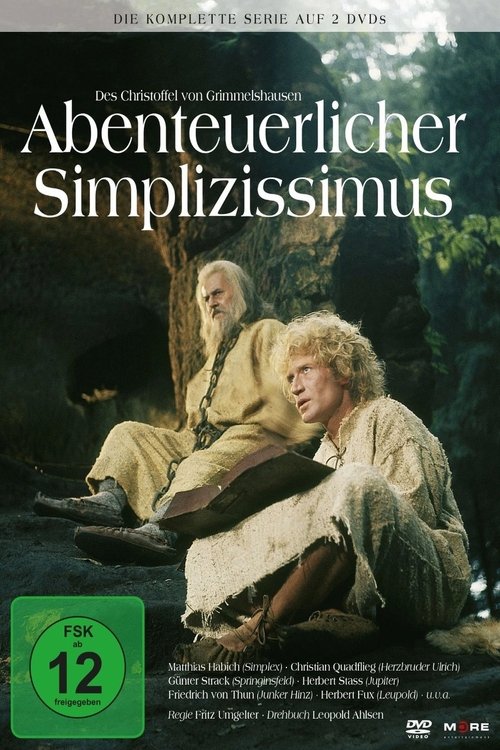
The boy Simplizissimus grows up with simple farmers in the Spessart region. But the idyll is abruptly destroyed by the Thirty Years' War. Simplizissimus is sent to the besieged fortress of Hanau. When the lansquenets there play crude jokes on him, he flees with his friend Herzbruder to the Croats. But even here he does not fare much better.
Des Christoffel von Grimmelshausen abenteuerlicher Simplizissimus
No description available.
Třetí patro
No description available.
Slovácko sa nesúdí
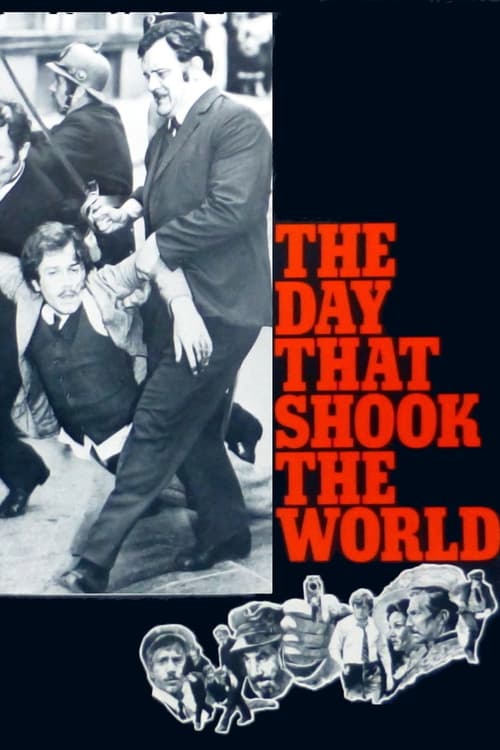
An historical depiction of the events preceding the political murder of Archduke Franz Ferdinand, would-be emperor of the Austro-Hungarian throne, in Sarajevo on June 28th, 1914.
The Day That Shook the World
No description available.
Přísahám a slibuji
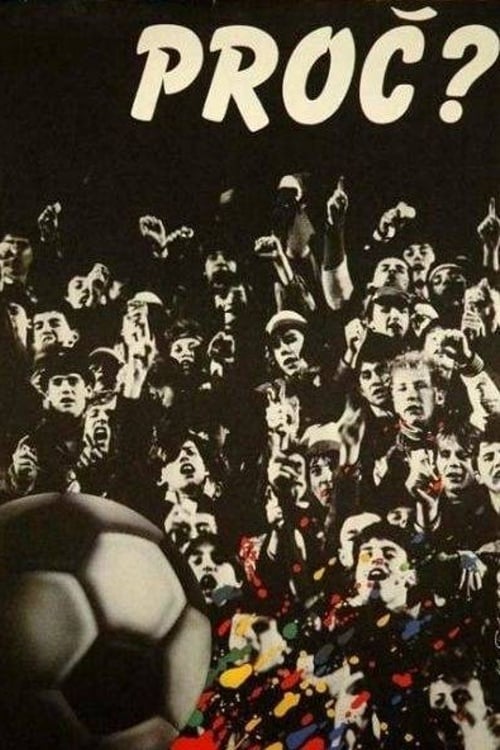
Why? (Czech: Proč?) is a 1987 Czechoslovak drama film directed by Karel Smyczek. It was screened in the Un Certain Regard section at the 1988 Cannes Film Festival. The film deals with the hooliganism in Czechoslovakia, particularly with the fans of football club Sparta from Prague, whose supporters were the pioneers of the football fan riots in Czechoslovakia, starting with hooligan actions already in the 1960s, like breaking the trains in which they travelled when they went on Sparta's away games. The film deals with one of such episodes
Why?
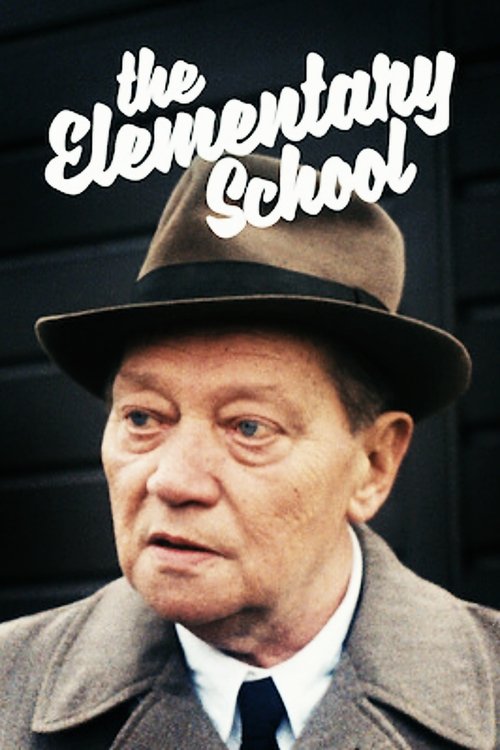
The time is 1945-46. 10 year old Eda and his friend Tonda live in a small village outside Prague. In school, their class is so wild and indisciplined that their teacher quits and is replaced by the militant Igor Hnidzo. He is very strict – but also very fair. His weakness though, is his interest in young women.
The Elementary School

A teenage witch, frozen in time as a punishment for 300 years, finds herself in a modern world.
The Girl on the Broomstick
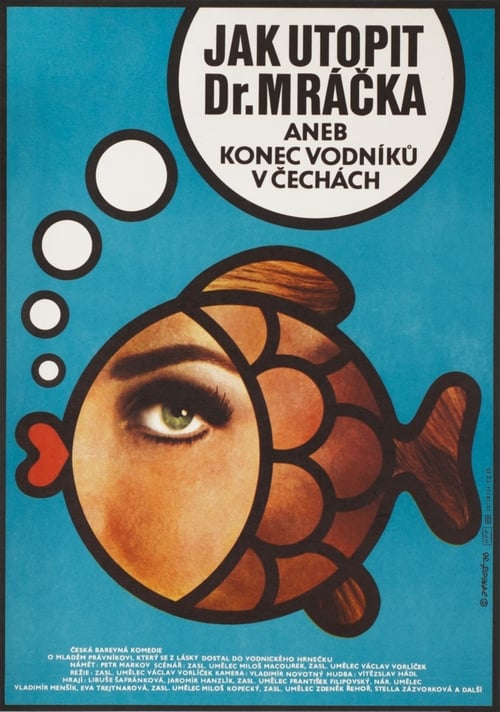
There are still water spirits among us. One group lives in Prague, led by Mr. Wassermann, who is using his wife's family as a servants. All they need is their old house near the river. But the house is to be demolished. They have to stop it. And the only way is to drown Dr. Mrácek, who is responsible for the demolition. But he falls in love with Wassermann's niece Jana. He changes to fish, is mistaken for water spirit from Germany, is drowned and revived again. The other problem is the flour with ears... and so on...
How to Drown Dr. Mracek, the Lawyer
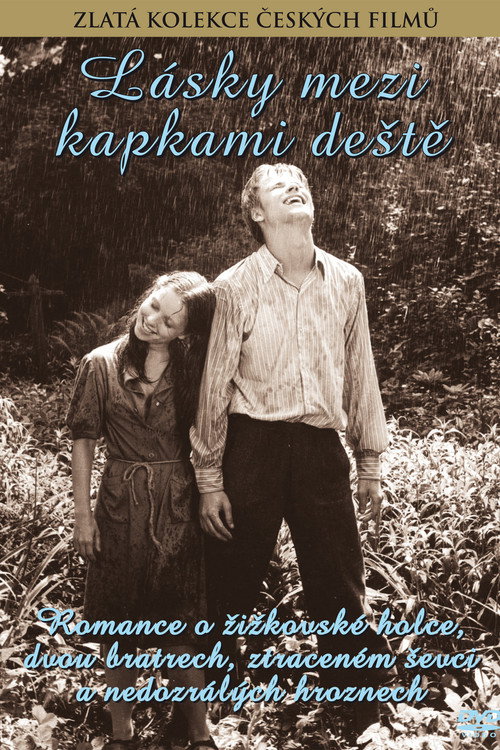
Set in Prague during the years leading up to World War II, this family saga tells the story of a cobbler named Vincenc Bursik (Vladimir Mensik), who uproots his clan from the country to the city, only to suffer the loss of his wife and the failure of his shoe business within months. When his daughter moves away to go live with a wealthy businessman as his mistress, Vincenc is left to take care of his two sons, who spend their days in a secret garden vying for the affections of a teenage girl.
Love Between the Raindrops
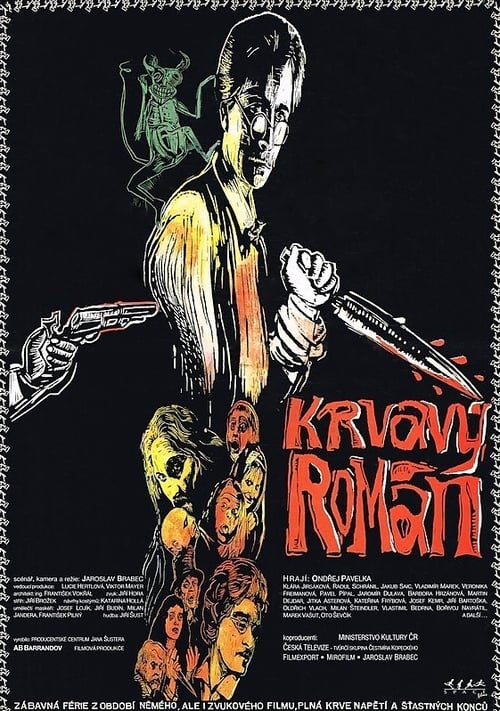
The distinctive artist, typographer, and writer Josef Váchal is known to the public primarily for his Blood Novel. The surrealistic exuberance of this defense of 19th-century pulp fiction caught the attention of Jaroslav Brabec and his colleagues, who found a corresponding image of 20th-century "trash." The authors' interest focuses primarily on the silent film era, with a journey through the history of cinema continuing through the advent of sound film to the present day (auteur cinema of the 1960s, modern horror), formally employing techniques such as tinted film. The versatile parody intertwines a colorful plot with the story of the author (Váchal/Paseky), who comments on and creates his book, and is further split in the plot into the characters of Fragonard and the Master. As with Váchal, reality increasingly enters the fiction, so that the only "happy ending" turns out to be the artist's finished work.
Horror Story
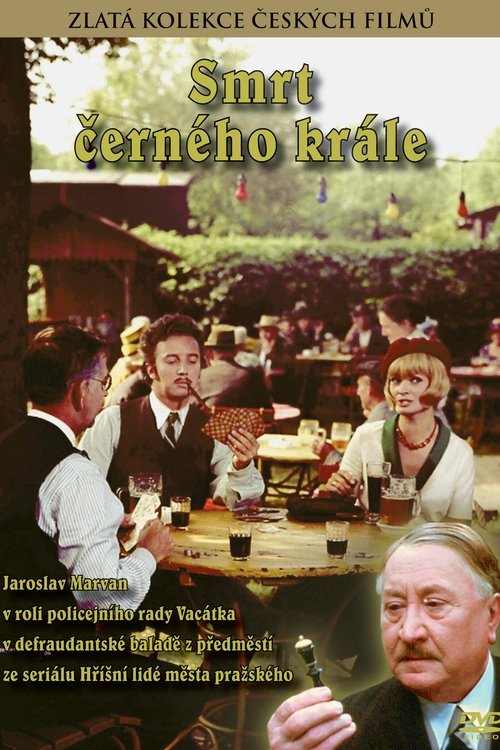
Prague in the 1930s. A young, pretty girl gets on a crowded tram. She immediately catches the attention of a young man who not only appreciates the girl's charm, but also tries to steal her handbag discreetly. And so we meet one of the main characters of the film, a swindler, pickpocket and generally strange being Josef Kořínek alias Pépi. In addition to him, the story is populated by other characters from the Prague outskirts. Of course, the film also features the shrewd councilman Vacátko and his inseparable investigators Brůžek and Bouše. They have a sad duty - to track down the murderer of the collector Krále, who was found dead and who lost a sum of money on the way from the bank that could interest many people from his surroundings...
The Death of Black King
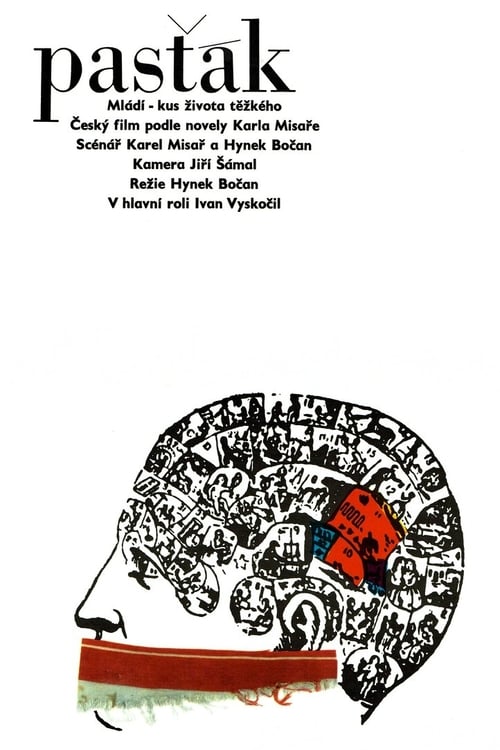
A young teacher is sent to a rural reform school, where he is faced with brutality of the inmates.
The Borstal
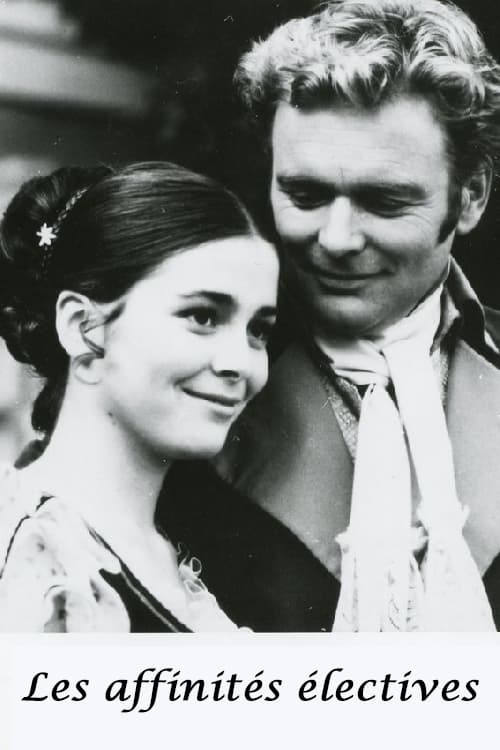
On the outskirts of Weimar, Edouard and Charlotte, an aristocratic couple united after both becoming widows, invite two guests to their home: a childhood friend of Edouard's called the Captain, and despite Charlotte's ominous premonition, Ottilie, Charlotte's beautiful and orphaned niece...
Elective Affinities
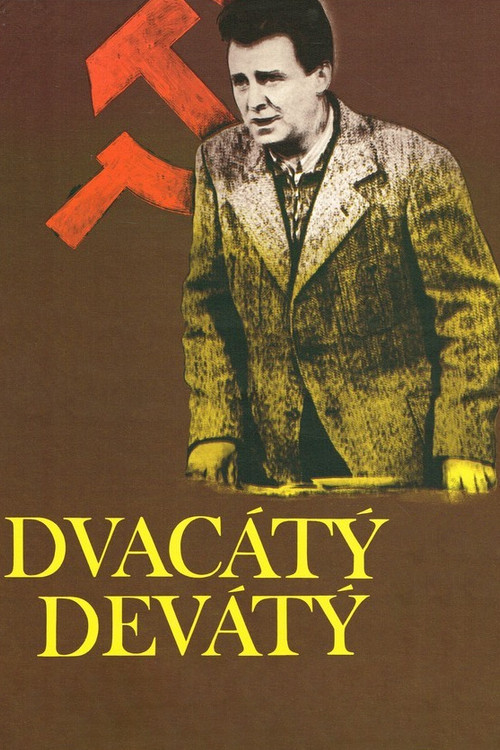
In the era of normalisation, a number of (pseudo)historical films were made, even described as reconstructions, which glorified the world-building mission of the Communist Party and attributed to it exclusively humanitarian intentions ("Days of Betrayal", "Sokolovo", "Liberation of Prague", "The Victorious People"). In 1929, when its fifth congress met, Klement Gottwald, who had taken the line of the Russian Bolsheviks, took over the leadership of the Communists...
Dvacátý devátý
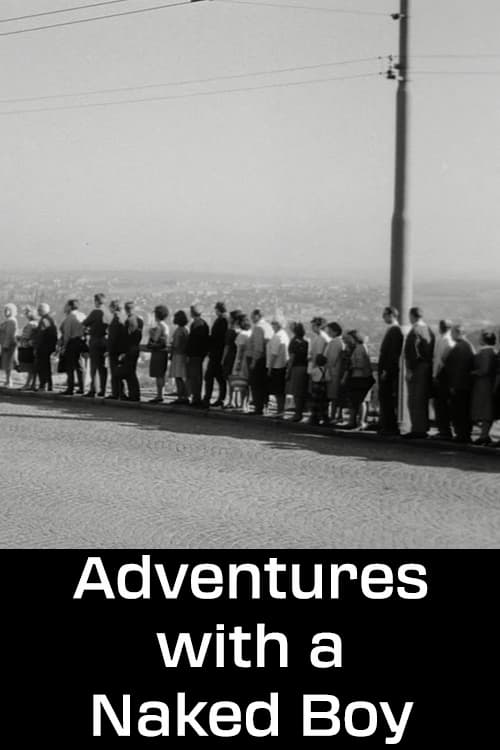
A man boards on a tram together with a naked boy. Somebody has stolen the boy's clothes when he was out bathing, leaving him with not even change for the tram. The man has taken care of him and is taking him home. At first nobody notices them but as soon as the people realize they are seeing something out of the ordinary they begin to react to the situation. Some are content with the simple explanation as to why the boy is naked. Others are agitated, for they see the whole situation as something unseemly. An ordinary incident, which might have been passed over in silence, results in a heated argument that turns into a fight. More and more people join in the fight until the police are forced to intervene.
Adventures with a Naked Boy
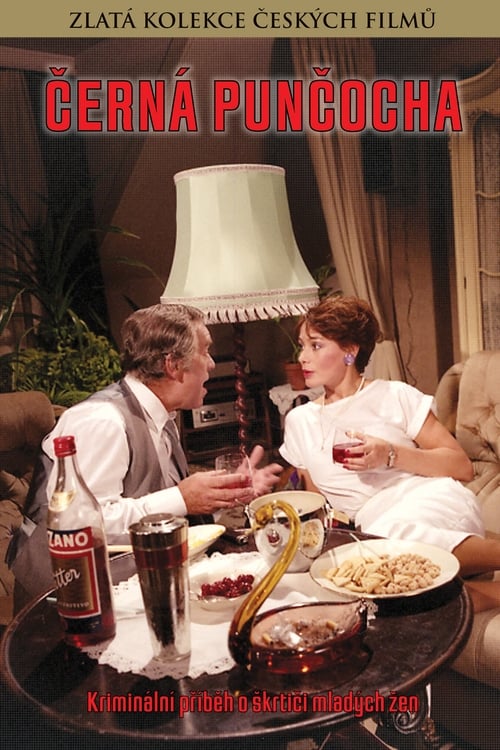
An elderly tailor strangles young women with a black stocking. Inspired by a true crime.
Černá punčocha
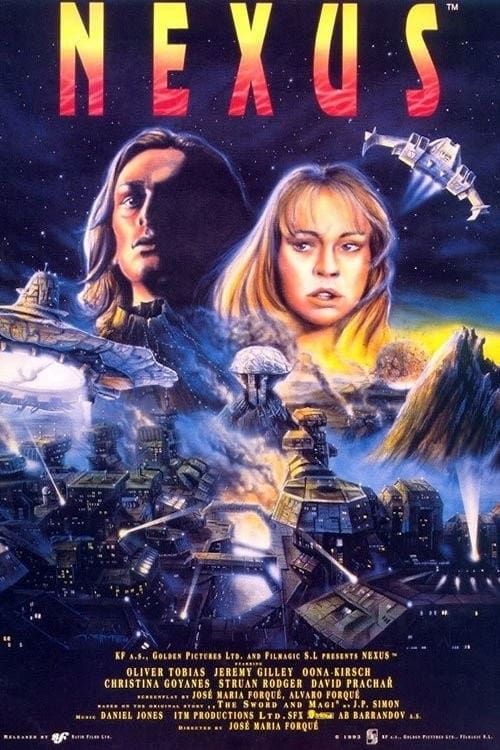
This international co-production, shot at Barrandov Studios with international cast including Czech actors is an attempt to create a sci-fi fantasy in the tradition of Star Wars and Star Trek. Sometime in the distant future, several earthlings turn up on a strange planet ruled over by a despotic ruler with magic powers. A young earth-man initiates a successful uprising.