Naško Križnar
Writing
Known For
Druga linija aka The Other Line is a product of many years of research of neo-avant-garde cultural and art scene in Novi Sad, Serbia (late 60s and 70s), which has been marginalized until today. This artistic movement was directly connected not only with important art centers of the former Yugoslavia, but also with existing flows of world art during its brief and productive activities (7e Biennale de Paris, 19th Berlinale). The cultural and artistic emancipation of that time had implied individual freedom of expression and strong reaction to established boundaries. This avant-garde movement had become threat to communist establishment, the authors' work were sabotaged, the films were sealed off, five artists were taken to trial, two were sent in prison. How is it that the retrograde mechanism of shutting down and removing the most creative and representative progressive impulses of our surrounding is still so current to this day?
The Other Line

OHO is considered one of the most interesting, complex and important examples of post-war avant-garde art in Central and Eastern Europe. After achieving major success as one of the first from Eastern Europe to exhibit at New York's MoMA, the group disbanded in 1971. OHO was not just an art collective but a unique cultural phenomenon that explored the visible and the immaterial through art, philosophy, sociology, science and coexistence with the earth and nature. Already in the 1960s, the group was raising relevant questions about anthropocentrism, ecology and the economics of the art. This documentary about OHO by Damjan Kozole is rich in never-before-seen archival material and, for the first time, comprehensively presents this inspiring phenomenon of intertwining art and life. - Slovenian Film Database
OHO Film
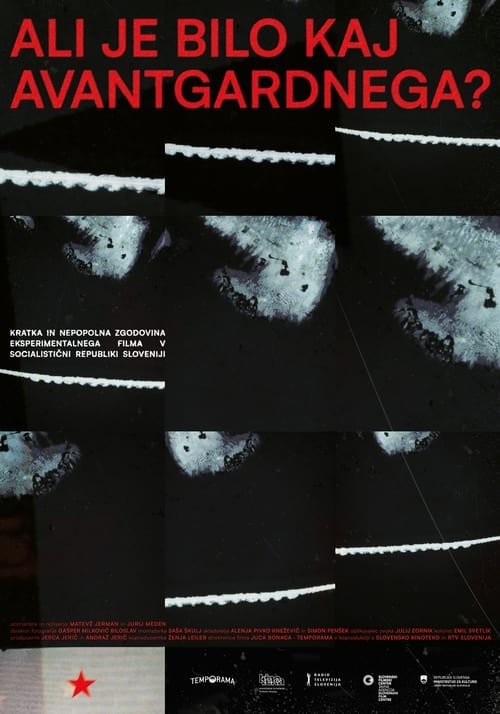
Between 2013 and 2023, Slovenian Cinematheque preserved and digitized 179 short films created on a tiny stretch of land between the Alps and the Adriatic Sea in the period of socialism (1945-1991), but mostly outside the prevailing state production. Today, we belatedly recognize these films as experimental and as an important, innovative part of the Slovenian film heritage, visible again for the first time after decades. The production of Alpe-Adria Underground! has radically accelerated efforts to preserve, digitize and restore this segment of Slovenian cinema.
Alpe-Adria Underground!
White people live in white houses, wear white clothes, eat yogurt and drink milk. They raise white sheep and white mice; when snow falls, they arrange a festival.