Directing
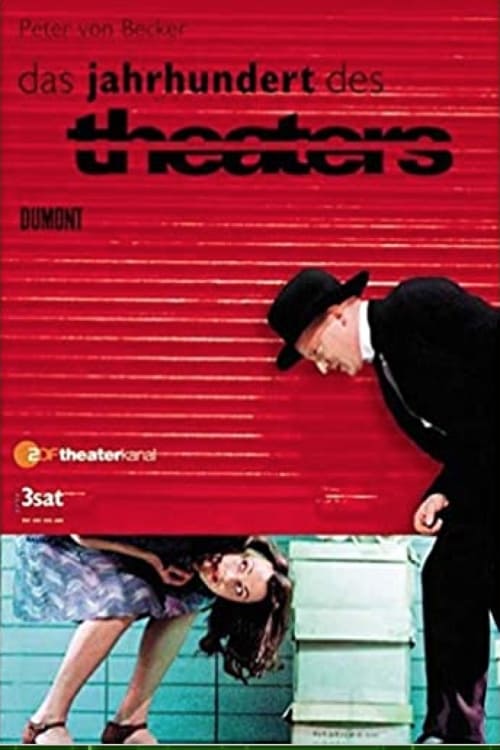
"The Century of the Theater" - From the "birth of the director" to the "heroes of modernity" - an overview of the world of theater - illuminates the interaction with the history of the past hundred years is also shown.
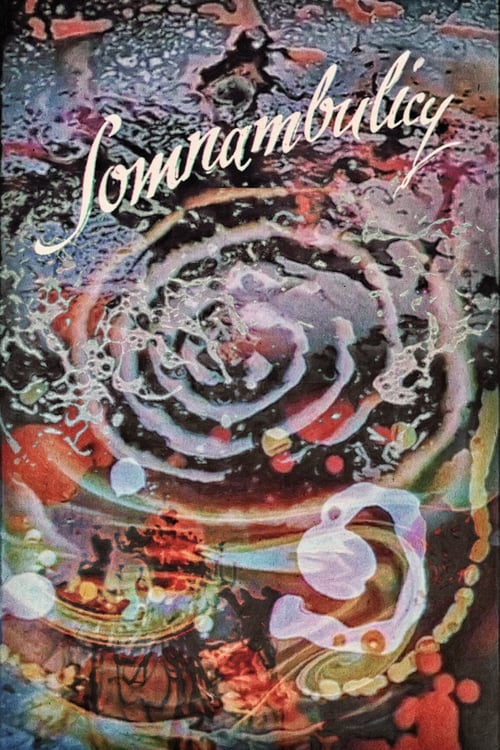
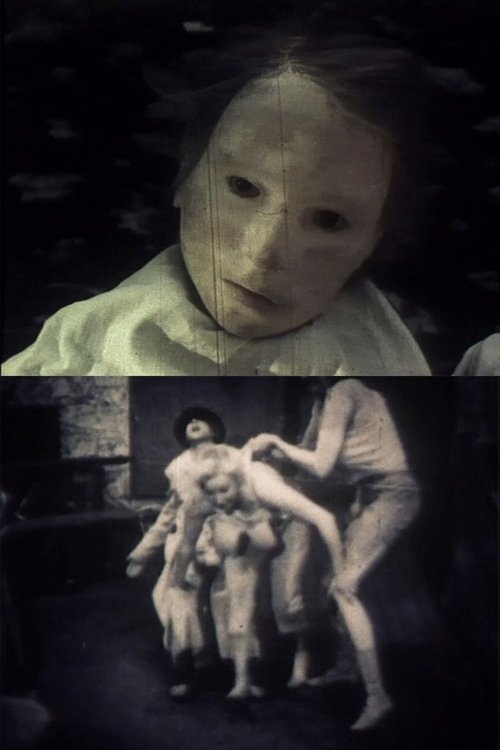
In 1958, graduates of the Film School in Łódź – director Mieczysław Waśkowski and camera operator Adam Nurzyński – produced in cooperation with Tadeusz Kantor the short film Somnambulists. The colourful, painting-like moving image was an attempt at transferring the informel onto film stock.
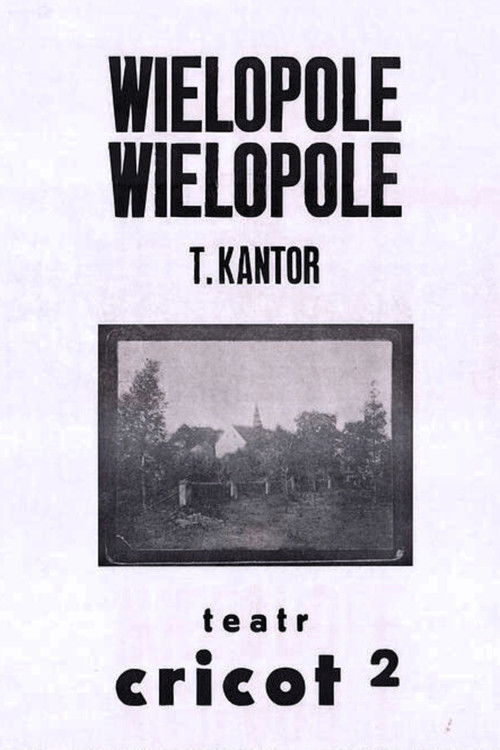
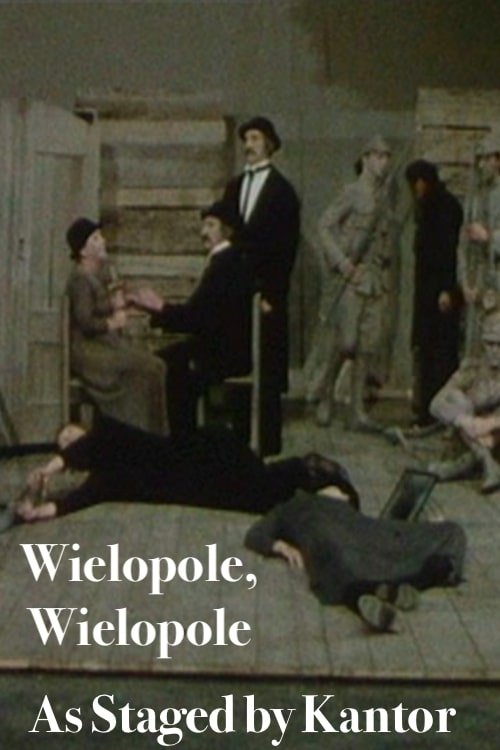
A haunting theatrical memory play in which actors and their mannequin doubles reenact five episodes, from a wedding to a last supper, set in the claustrophobic room of the director’s own childhood village of Wielopole. Through repeated motifs, mirrored characters, and a living stage that Kantor continually “resets,” the piece collapses past and present, life and death, into a surreal reconstruction of personal and collective history.
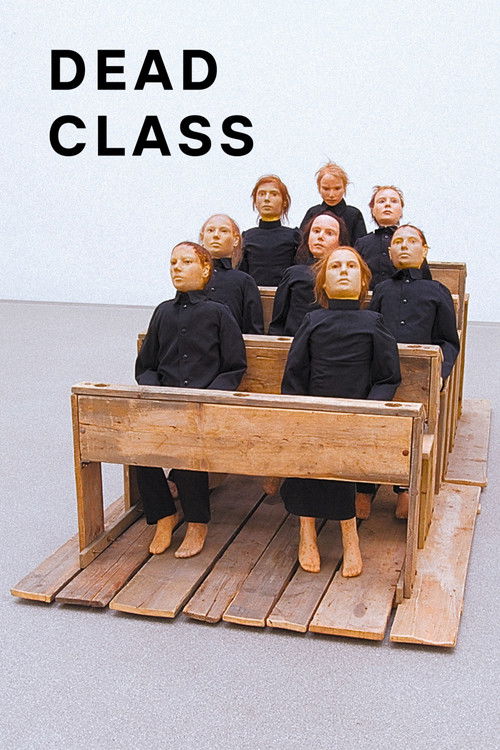
The Dead Class (1975), by Tadeusz Kantor and the Cricot 2 company, is considered one of the most innovative and influential works of twentieth-century theatre. The breakthrough first version of the production - performed to great critical acclaim, but only rarely seen live by audiences outside Poland - was documented on film in 1976 by the Oscar-winning director Andrzej Wajda.
No description available.
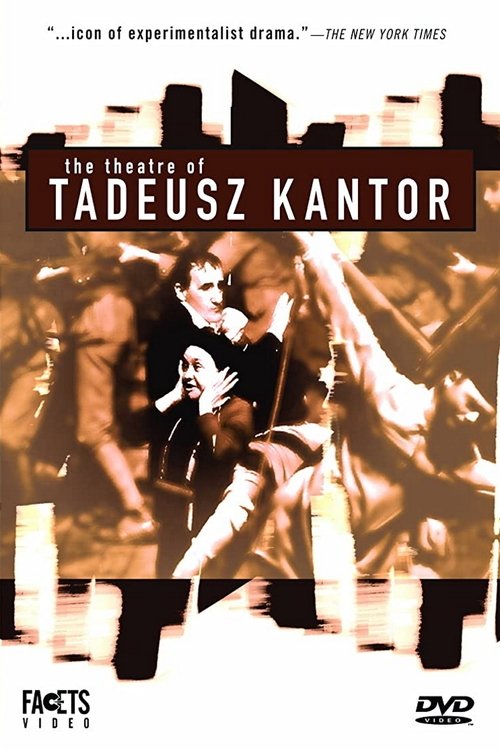
Tadeusz Kantor’s “Theatre of Death” is based on a singular reversal of traditional values: in this work, which indirectly relates to the world of puppetry, death is seen as a positive counter to the values of a consumer society. Thus, in accordance with this perspective, the actor was to appear to the viewer with the same strangeness and the same distance as though surrounding a corpse.
A unique documentary on the work of a legendary genius of theatre, Tadeusz Kantor. Filmmaker Denis Bablet traces Kantor's roots as a visual artist in Poland and explores his ingenious methods of designing the props which become living sculptures in his extraordinary theatre productions.
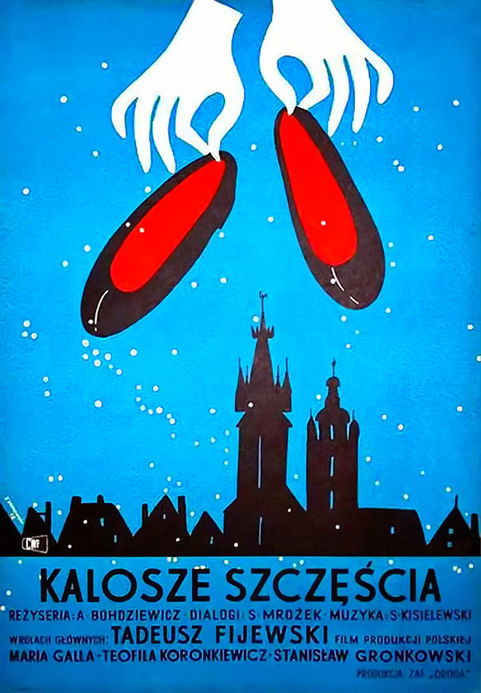
Two fairies, Terencja and Felicja are in posession of the Lucky Rain Boots, which they intend to give to the most deserving person in the city of Kraków. However, they consistently fall into the wrong hands, creating a multitude of absurd and comedic situations.
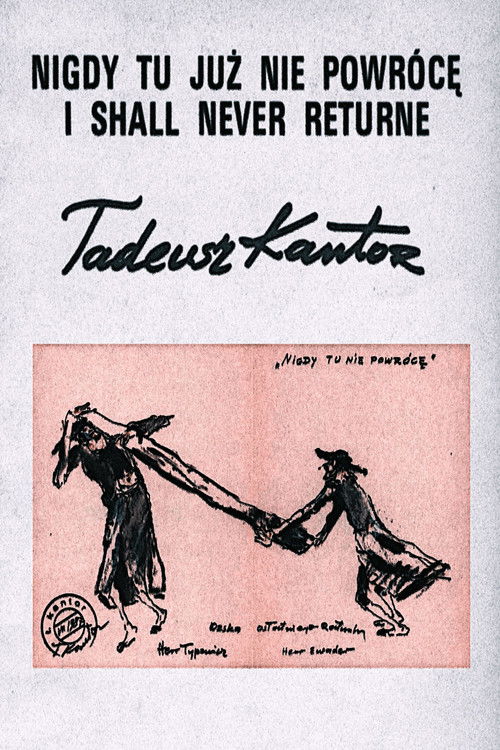
The story of Kantor’s life, including artist’s drawings and fragments from his private diary.
Tadeusz Kantor was a great artist. Not only in its own - the twentieth century. Not only in the area of his homeland - Poland. A well-known Krakow documentalist and at the same time his longtime collaborator - Krysztof Miklaszewski- he decided to reconstruct Kantor's road through Europe.
First staged in Krakow and the Gdansk shipyards in 1980, where Poland’s Solidarity movement was born, and here performed at the Théâtre des Bouffes du Nord in Paris, Wielopole, Wielopole by the theater company Cricot 2 merges themes of Christ’s Passion and fascism with the Polish director Tadeuz Kantor’s own childhood memories.