Yan Motta
Writing
Known For

No description available.
Os Homens São de Marte... E é pra Lá que Eu Vou

This documentary reveals the man behind the icon Cazuza: the poet who transformed his life into art and his death into resistance. It delves into the intense journey of the young man who sang of love, Brazil, and his freedom until his last verse.
Cazuza Além da Música

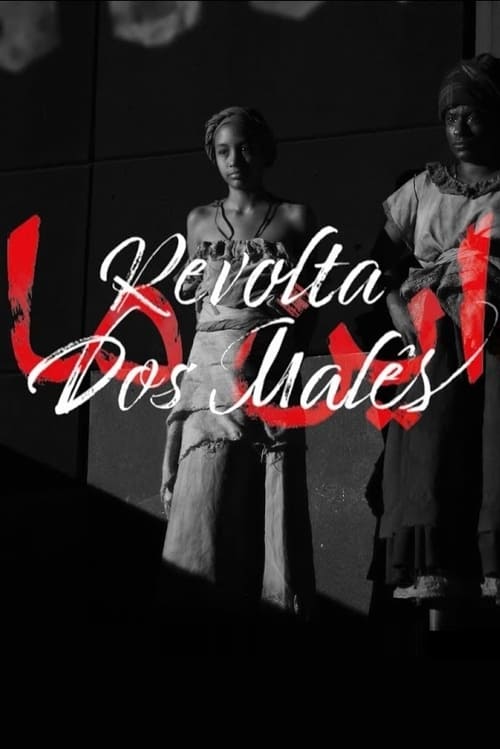
Salvador, Bahia, January 1835. After more than a decade of hard work, Guilhermina, 27, a slave of Muslim origin, finally gets the resources to buy her manumission, as well as that of Teresa, 11, her teenage daughter. But, contrary to an old promise, his “lord”, farmer Souza Velho, refuses to sell the girl's letter. When Pacific Licutan, Salvador's most esteemed Islamic leadership, is arrested by the Bahian authorities, the Muslim community goes into a boiling state and begins to articulate a jihad. In desperation, Guilhermina sees in the uprising the only way to win her daughter's freedom.
Revolta dos Malês

No description available.
Cenas de um Crime

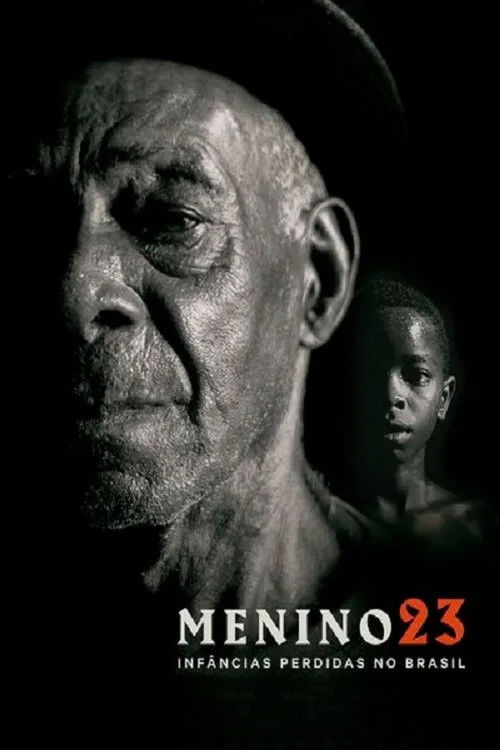
The film accompanies the investigation of the historian Sidney Aguilar after the discovery of bricks marked with Nazi swastikas in the interior of São Paulo. They then discover a horrifying fact that during the 1930s, fifty black and mullato boys were taken from an orphanage in Rio de Janeiro to the farm where the bricks were found. There they were identified by numbers and were submitted to slave labour by a family that was part of the political and economic elite of the country and who did not hide their Nazi sympathizing ideals.
Boy 23: The Forgotten Boys of Brazil

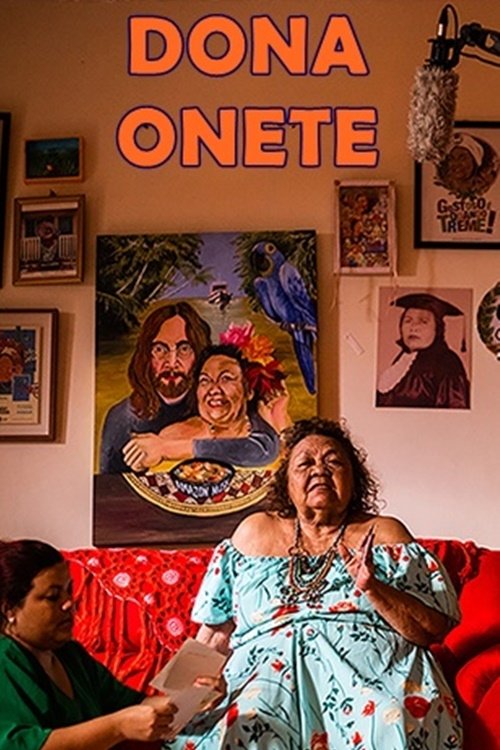
A teacher, activist, and guardian of Amazonian knowledge, Dona Onete became a music star at 72, but her story began much earlier. In this documentary filmed among the rivers and forests of Pará, Onete sings of the banzeiros (drums), the dolphins, and the flavors of the forest with humor and wisdom in a celebration of the living Amazon that pulsates in her voice.
Dona Onete – This Tiny Piece of My Heart

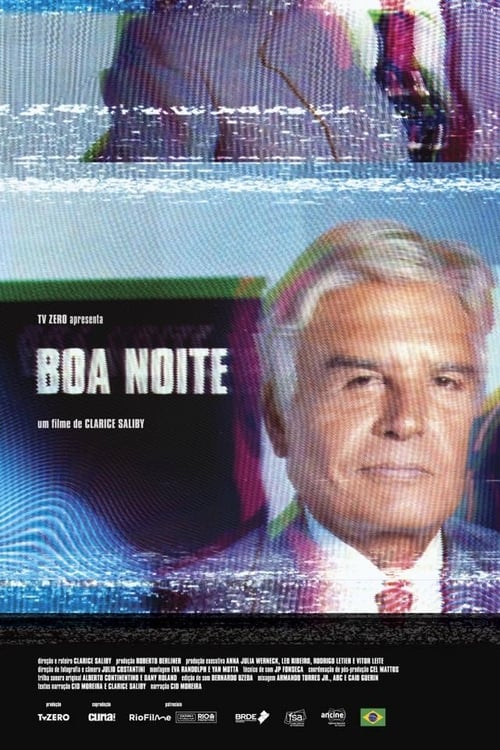
At 91, TV news anchor Cid Moreira opens the doors of his house and to his unconscious, revealing surprising facets of the man who entered the homes of millions of Brazilians every night for 30 years. Brazil’s most famous voice narrates his own history, deconstructing his mythical image and guiding the spectator through a maze of memories. Archival remembrances and images trace a panorama of his life, which is tied to the history of Brazilian TV.
Boa Noite

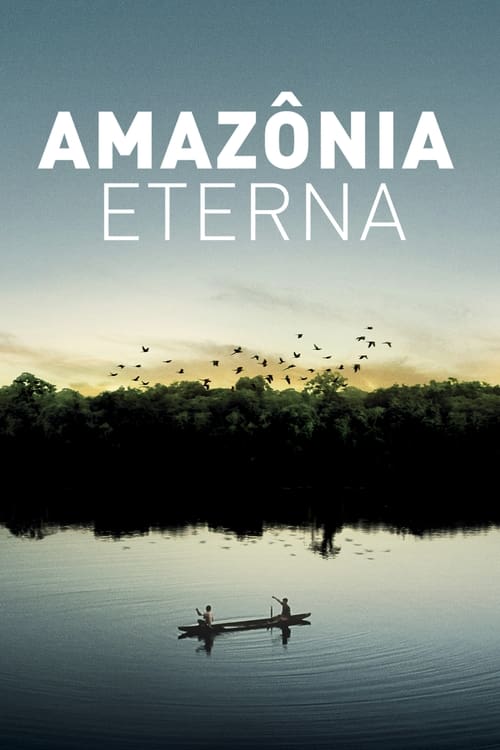
At a time when the world is discussing the impact of human actions on the environment, Amazônia Eterna presents a critical analysis of how the world's largest tropical rainforest is understood and appreciated.
Eternal Amazonia

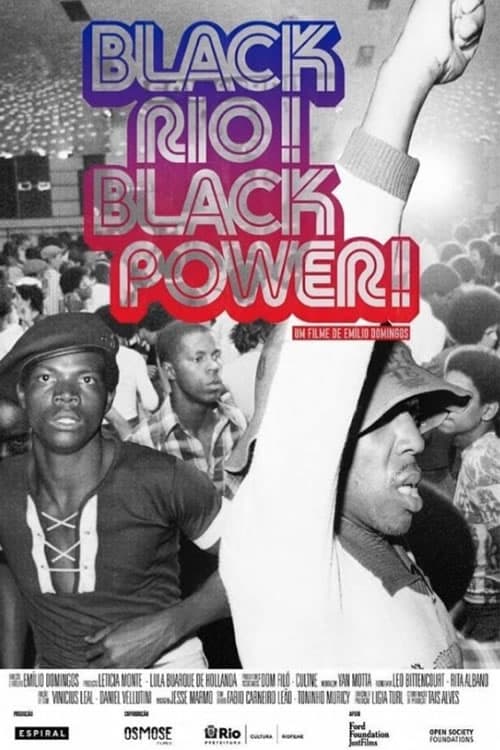
The documentary Black Rio! Black Power! looks at the influence of the Black Rio movement on culture, society and the struggle for racial justice in Rio de Janeiro and Brazil between the 1970s and 1980s. The film shows the movement's impact on music and on the direction of politics and the black movement during the period of re-democratization, influencing genres such as hip-hop and funk, and the affirmative stance of the younger generations, who perpetuate the black pride and aesthetic appreciation spread by Black Rio 50 years ago.
Black Rio! Black Power!
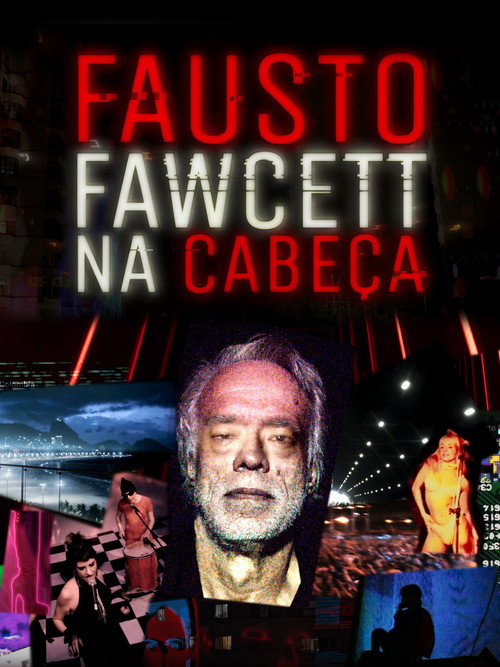
Singer, poet and composer of iconic songs such as "Kátia Flávia" and "Rio 40 Graus", Fausto Fawcett is also the author of five novels and several performances that reveal a vast and unique universe. Starting from real and everyday signs with roots in Copacabana, his work crosses narrative, philosophical and temporal boundaries to establish futuristic visions and sensory experiences that shake up human adventure.
Fausto Fawcett na Cabeça
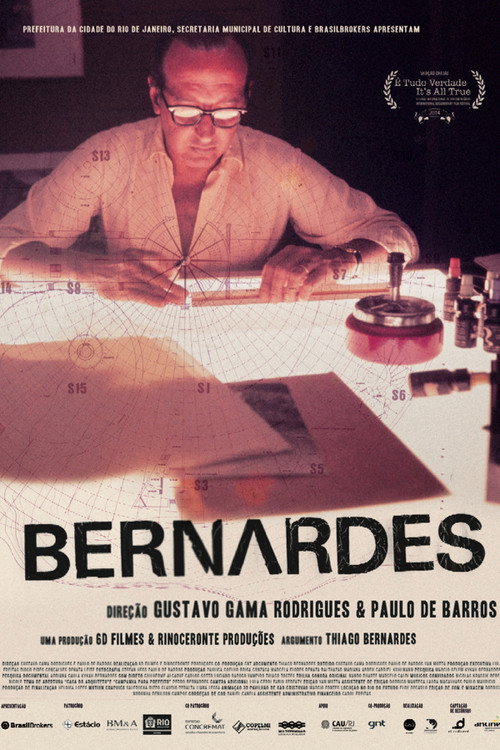
The architect Thiago Bernardes revisits the brilliant and controversial life and career of his Grandfather, Sérgio Bernardes (1919 - 2002). Through a vast granted material he explores the trajectory of one of the greatest Brazillian architects.
Bernardes

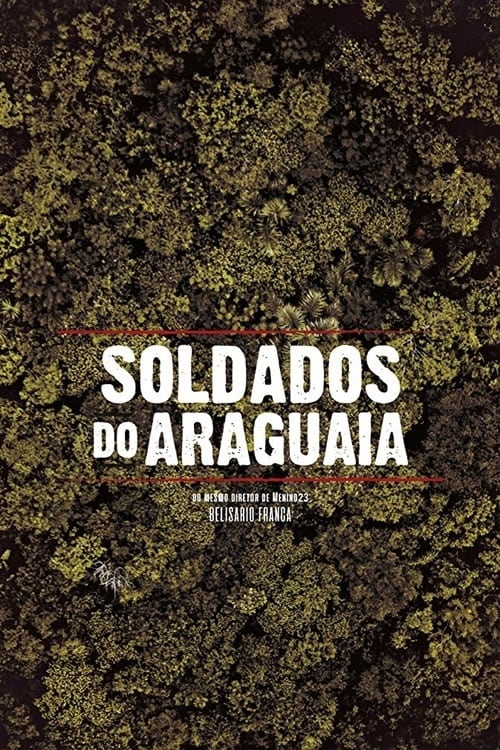
During the period of military dictatorship in Brazil, a group of low-ranking soldiers were sent to the Amazônia in order to exterminate the so-called Guerrilha do Araguaia, an armed struggle movement that was against the dictatorship. After forty years, the survivors of this mission report their combat experiences for the first time.
Soldados do Araguaia

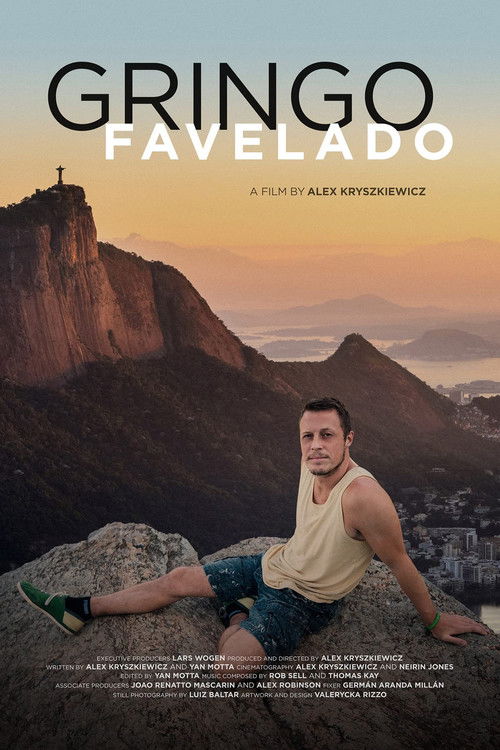
An Artist, a Musician and a Dreamer, all of them British, have moved to Rio's notorious favela communities where they build their lives in perilously-shifting political sands.
Gringo Favelado

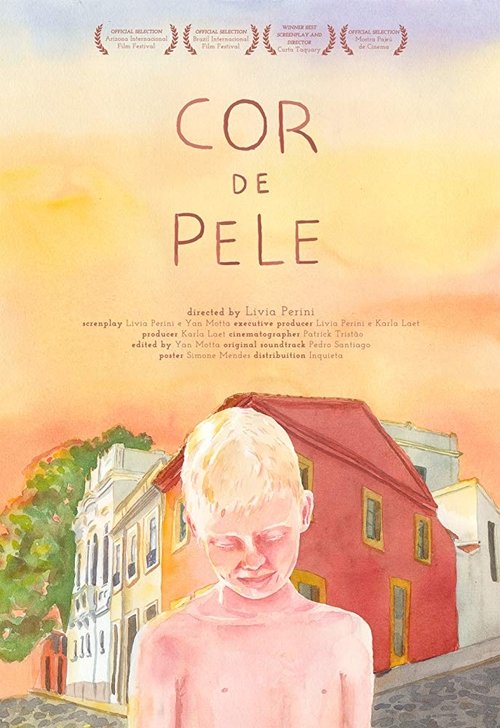
A sensitive documentary about the life of Kauan, an 11-year-old albino boy.
Cor de Pele

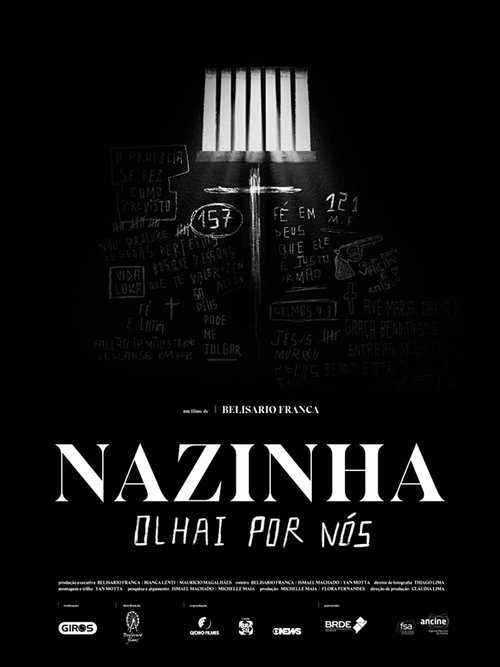
On the eve of Círio de Nazaré, one of the largest Catholic festivities in the world, four prisoners - two men and two women - await a pardon specially granted to those who wish to accompany the procession of Nossa Senhora de Nazaré, patron saint of the city of Belém do Pará While making plans for the four days of freedom that pardons guarantee, they revisit their past and reflect on topics such as justice, family and faith.