FEEL IT.STREAM
Andres Sööt

Andres Sööt

Directing

Biography

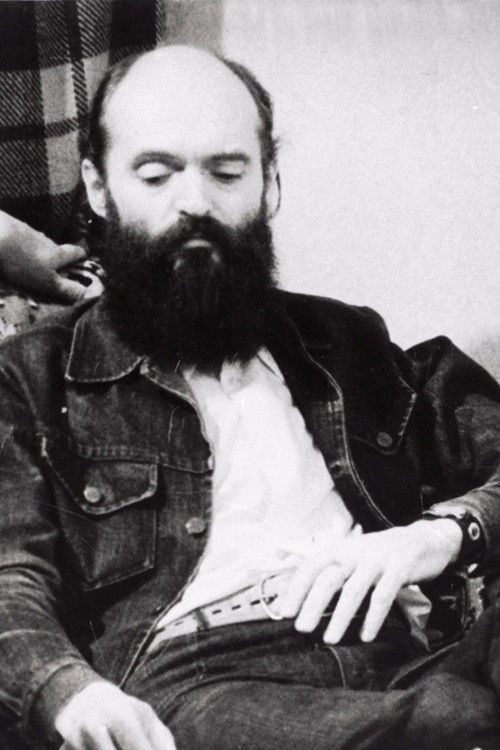
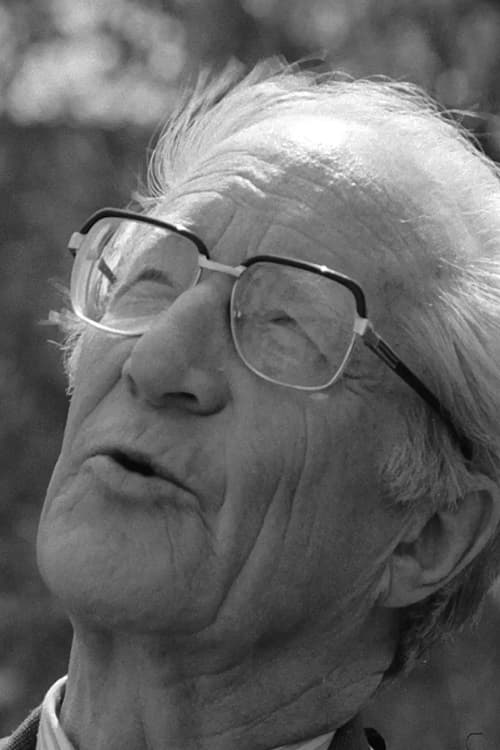
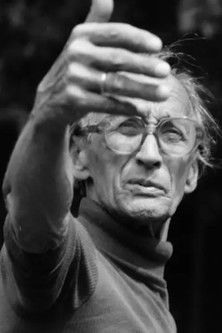
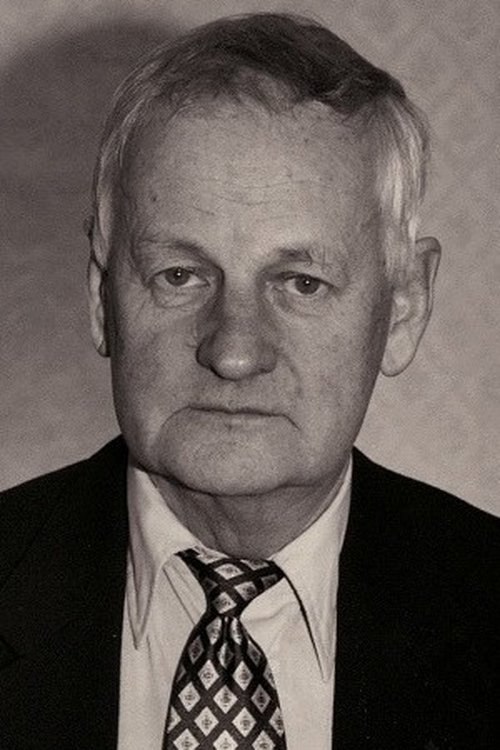
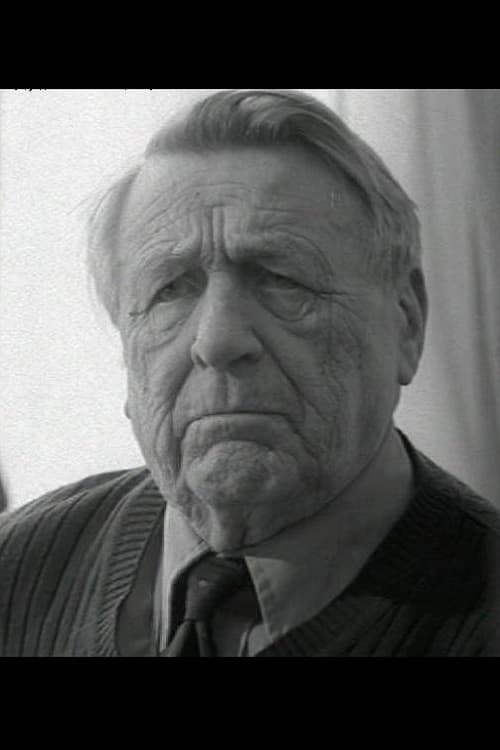
Andres Sööt (born February 4, 1934 in Paide) is an Estonian film director and cinematographer. In 1963 he graduated from Gerasimov Institute of Cinematography. In 1997 he was awarded with Order of the National Coat of Arms, V class.
Known For

511 Best Photographs of Mars
7.0

The film introduces a selection of various guest types in cafes and night clubs in late 1960s when old ladies still had some bourgeois manners from the first republic of Estonia and the youngsters of the Soviet regime were not served in a restaurant if they had no proper clothing. The guests of Tallinn's legendary cafes "Pearl" and "Moscow" were filmed in their own time. The uniqueness of the film is expressed through a strangely independent soundtrack that observes everyday bustle from the heights of melancholy poetry and remote uranography. Artur Alliksaar's poetry is read by Aarne Üksküla.

511 Best Photographs of Mars

1969
Dream
N/A

In the spring and summer of 1977, the musical television film "Miracle Story" was filmed on Toomemäe in Tartu. Despite the fact that all the shots in the film are documentary, you may not see a documentary in "Dream". It is not a reportage about making a film, but rather a vision, an echo that has disappeared but has been.

Dream

1978
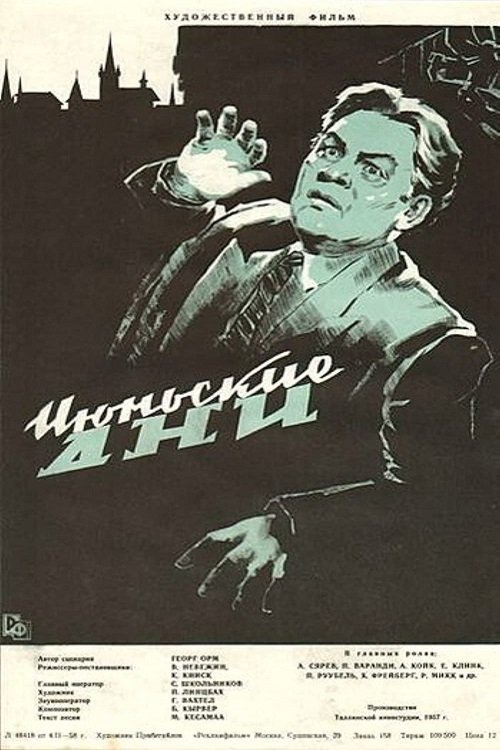
Days of June
7.8

Peeter Saarmann has grown up in the Raidma family with the knowledge that his father was a casualty of war and mother died during evacuation. He is a university student who prepares to get married. During renovation Peeter finds a pre-war newspaper article about an enterprise that seems to upset his stepfather. The night before his wedding day, Peeter runs into a drunk man who calls Peeter an illegitimate offspring. When Peeter hears the truth about his real parents from his stepfather, he has the feeling that this could become crucial for his future plans.

Days of June

1958
The New Devil of Hellsbottom
N/A

Jaan Tooming's adaptation of the novel by A.H. Tammsaare.

The New Devil of Hellsbottom

1978
Bridges of Time
5.8

At the beginning of the 1960s, when the French pioneers of cinéma vérité set out to achieve a new realism, and when direct cinema in Québec began to vie for notice, the Baltics wit-nessed the birth of a generation of documentarists who favored a more romantic view of the world around them. This meditative documentary essay – from a Latvian writer and Lithuanian director whose composed touch has long dovetailed with the stylistically diverse works of the Baltic New Wave – pushes adroitly past the limits of the common his-toriographic investigation to create a portrait of less-clearly remembered filmmakers. The result is a consummate poetic treatment of the ontology of documentary creation. Also a cinematic poem about cinema poets.

Bridges of Time

2018
St. John's Day
N/A

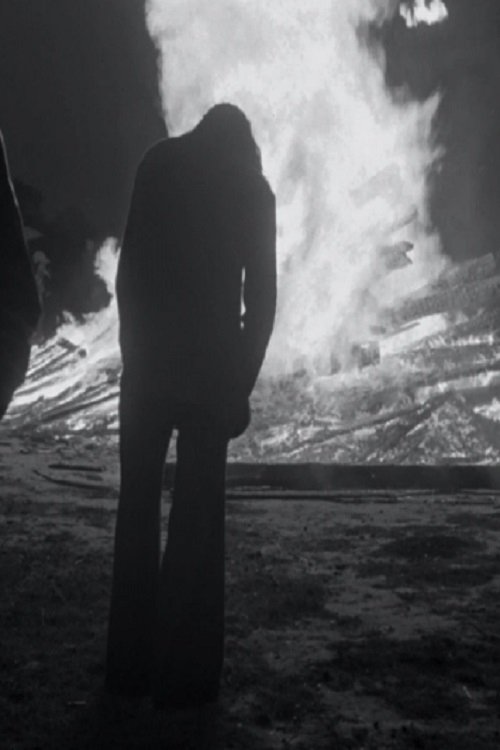
Documentary about the St. John's Day festival in Tallinn. Recorded with a hidden camera, the film is full of contrasts and expressively depicts the changes in the traditions of Midsummer's Eve and the emotional impoverishment of city dwellers, showing their behaviour at the bonfires - their loneliness as well as their alcohol-induced exuberant state in big crowds.

St. John's Day

1978
Ruhnu
N/A

A poetic mood film about the island of Ruhnu. The camera observes the daily life of the island with a slow calm.

Ruhnu

1965
No image
N/A

No description available.

Peaarhitektid

2009
Memory
N/A

Art historian Villem Raam (1910 - 1996) introduces three medieval architectural monuments in Estonia - Karja St. Catherine's Church, Muhu St. Catherine's Church and Pöide St. Mary's Church - in Muhu and Saaremaa islands. All three churches are genetically related. We can see the grand old man of Estonian art history in the situation most characteristic to him - communicating and working with old buildings.

Memory

1985
Year of the Dragon
N/A

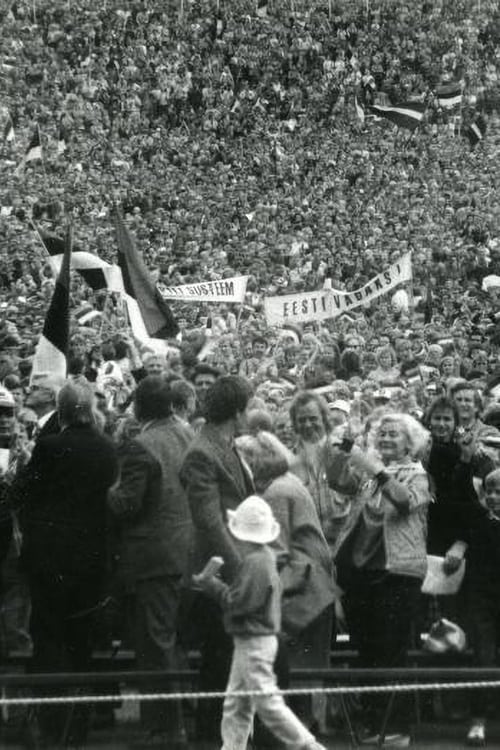
The year of 1988 in Estonia was exceptional - it came as a surprise for everyone that all of a sudden national symbols were allowed; expressions of no confidence were addressed towards the leaders of Communist Party and Estonian government; the Popular Front of Estonia and Estonian Green Movement but also the Intermovement (the Workers International Movement of the Estonian Soviet Socialist Republic) were founded. Estonian Heritage Society restored the monuments of the War of independence; the facts about war crimes during the Stalinist regime were disclosed and - imagine that! - the representatives of Estonian Republic went against the central authorities in Moscow. Events in Estonia draw international attention. Is all this possible in a totalitarian state? This documentary chronicle gives a plausibe interpretation of the events that took place in Estonia in 1988, of the changes in people's lives and the awakening after a 48-year-long period of darkness.

Year of the Dragon

1989
Ice State
N/A

The documentary depicts Antarctica as an aesthetic phenomenon - it is a land of eternal silence and stillness; during its short summer the continent reveals its most beautiful treasures. Filmed during the 13th Soviet Antarctic expedition from November 1968 until May 1969.

Ice State

1970
A View from the Mountain
N/A

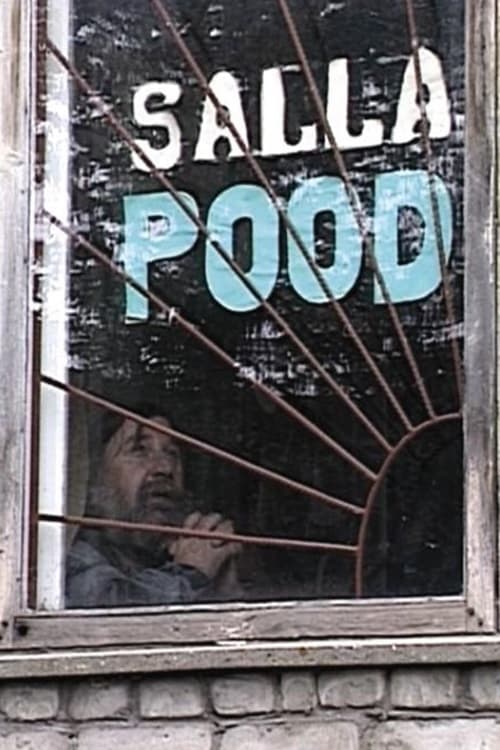
The village of Salla, population 150, with its own school, ploughed fields and well-maintained homes. This place reflects the culture of the rural folk of Estonia and their everyday activities.

A View from the Mountain

2006
Marathon
N/A

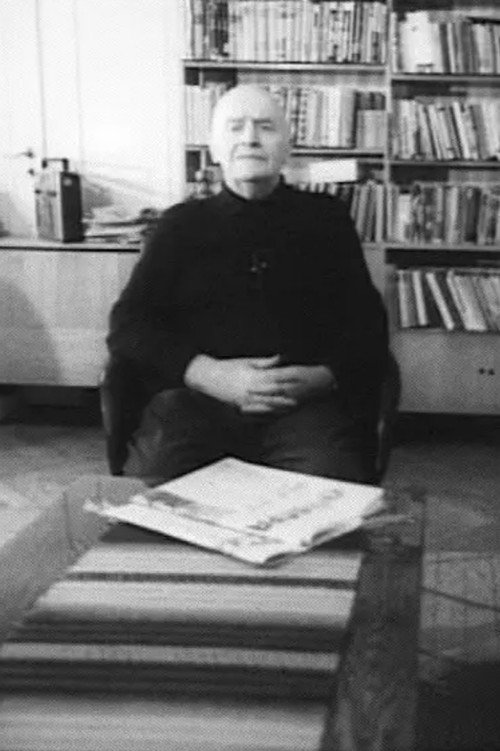
Documentary about Hendrik Allik, a revolutionary and a communist, is not just a biographical film. The filmmakers have recorded several episodes from Hendrik Allik's life's marathon. Ene Hion and Andres Sööt have focused on the protagonist's attitudes, evaluations and wisdom.

Marathon

1986
The White Land of Enderby
N/A

A road movie about the vast and icy Antarctica.

The White Land of Enderby

1969
No image
N/A

During June 1941, Nazi forces occupied Estonia. By 1944, when the Soviet-Nazi frontline was drawing towards the Estonian border from the East, Alfred Käärmann was conscripted into the German military. By September 1944 the Red Army had again occupied Estonia. Alfred was forced to make a decision: whether to stay in Estonia or retreat with the Germans. He chose the former, However he risked arrest and deportation by the Soviets.

We Lived for Estonia

1997
Maailmaparandajad
N/A

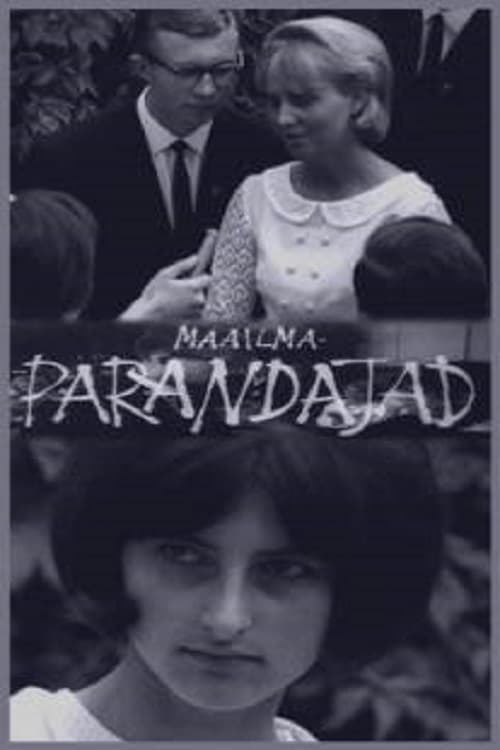
Young high school graduates express their thoughts on life and love.

Maailmaparandajad

1966
Reporter
N/A

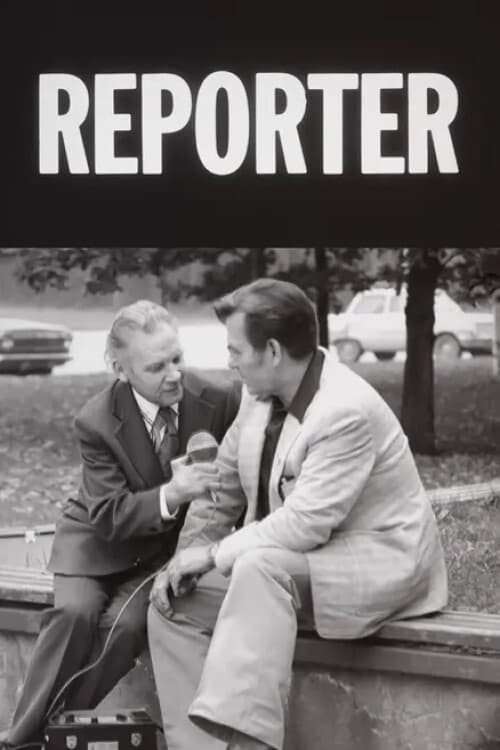
Andres Sööt's portrait of the legendary radio man Feliks Leet, a long-time Pärnu correspondent of Estonian Radio. A lifelike, comic depiction of a tireless newsman in his daily work - conducting interviews and reports on current events and mentoring young reporters.

Reporter

1982
Rahvamaja
N/A

In 1985, a lively cultural life was boiling in the dignified building of the Jõelähtme community center, built in 1918. But the eyes of enthusiastic people who practice singing and playing instruments are overshadowed by mundane misery. Everything is in short supply and most of the year one has to operate in a cold and desolate unrenovated house. In the old house, the practices of the village chapel and singing choir take place, youth dance evenings are organized, and a concert dedicated to the anniversary of the October Revolution is waiting.

Rahvamaja

1986
No image
10.0

Musical documentary shot in Estonia.

Elavad mustrid

1970
Pictures from the XXth Century Estonia
N/A

Documentary by Andres Sööt about the years of 1996 and 1997. The film chronicle covering two years can be viewed as a continuation to Sööt's earlier films "Year of the Dragon" and "Year of the Horse". All three documentaries are the portraits of years, modelled by the director himself. There is neither a systematic nor exhaustive approach towards the selected times in history - what has been followed is the chronological order of events. Andres Sööt documents and comments both from a neutral as well as his personal point of view.

Pictures from the XXth Century Estonia

2001