Camera
The filmmakers depict the hard-working life of 85-year-old peasant woman Anna Jachimiuk.
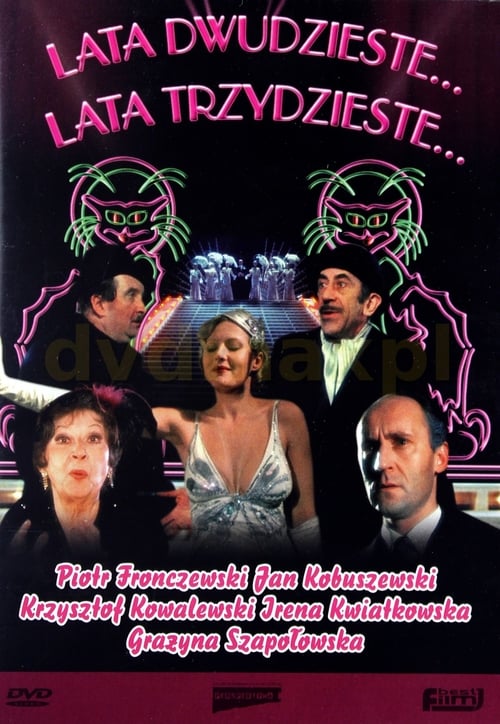
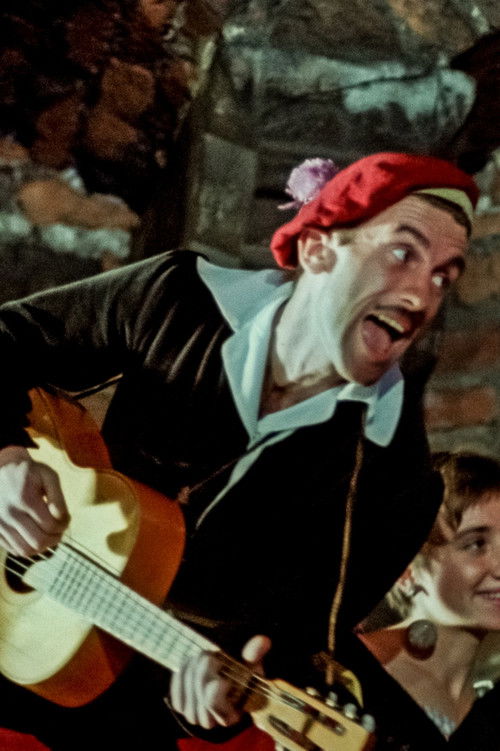
On the way to Warsaw after a crude oil fraud in southern Poland, conman Adam Deren meets singer Liza. He decides to invest his money in a venture deemed to be a failure - a small cabaret where Liza could perform.
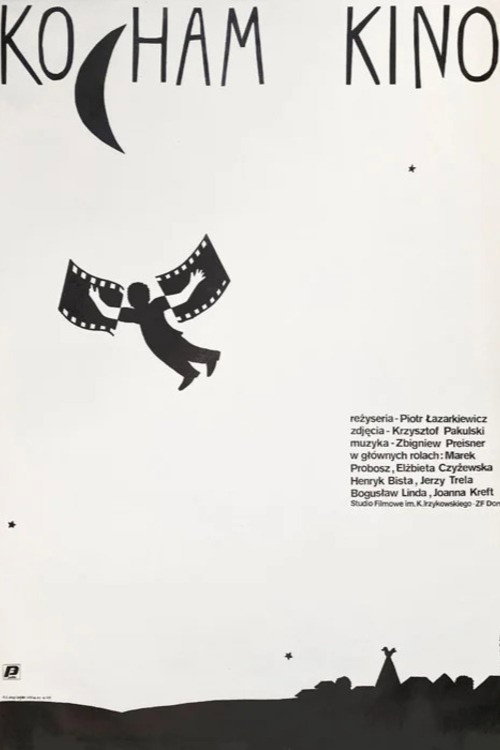
The manager of a small provincial cinema finds her lost son, and he tries to save the movie theater.
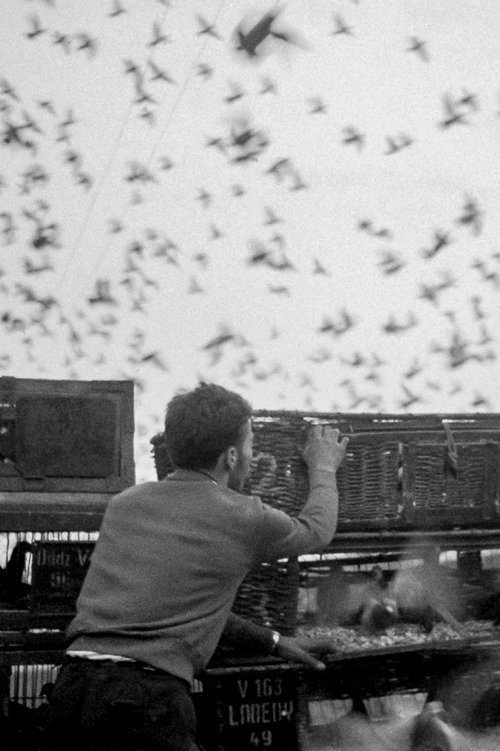
Pigeon breeders (men mostly) are a special kind of enthusiasts. Their hobby includes an element of competition – a long-distance race of carrier pigeons.
A documentary depicting life in Targówek, a deprived and crime-affected district of postwar Warsaw, where reconstruction and cultural development projects have failed to materialize.
A documentary depicting the Warsaw district of Powiśle where time has stopped. One of several films made by Kazimierz Karabasz included in the "black series" of Polish documentaries. Featuring a commentary typical for documentaries of the second half of the 1950s, it is distinguished by penetrating observation and lyricism.
A report from a student’s festival in Kraków. The history of this event dates back to the 15th century in Poland. Statues and knights at Wawel remain unmoved until they fall into the rhythm of joyful fun.
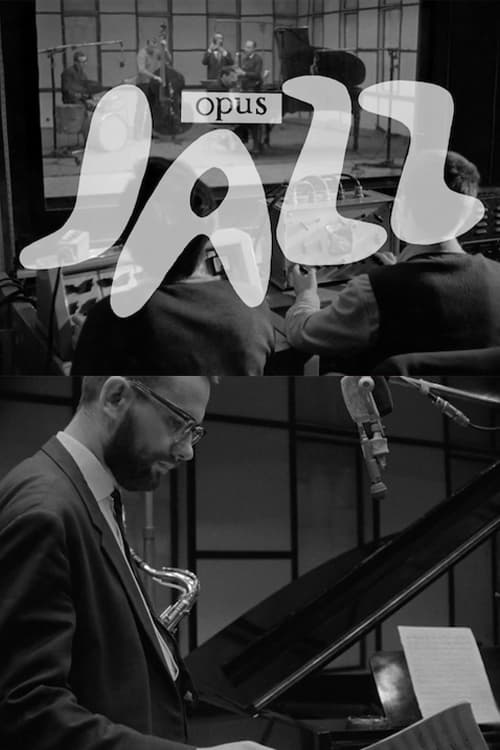
A documentary portrait of the Kurylewicz Quintet at work in the recording studio, Opus Jazz captures the stop-and-start process of rehearsal before the musicians lock into rhythm and achieve full improvisational flow. Majewski’s film highlights both the discipline and spontaneity of modern jazz in 1960s Poland.
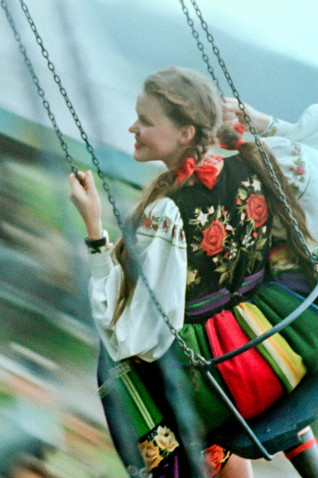
A documentary impression in color showing the attractions of the Łowicz region. With curiosity, the camera captures scenes from a fair and an amusement park. The atmosphere of the place is created by artists wearing national costumes, especially women from Łowicz in colorful skirts.
Report from the 1968 International Rally of Poland.
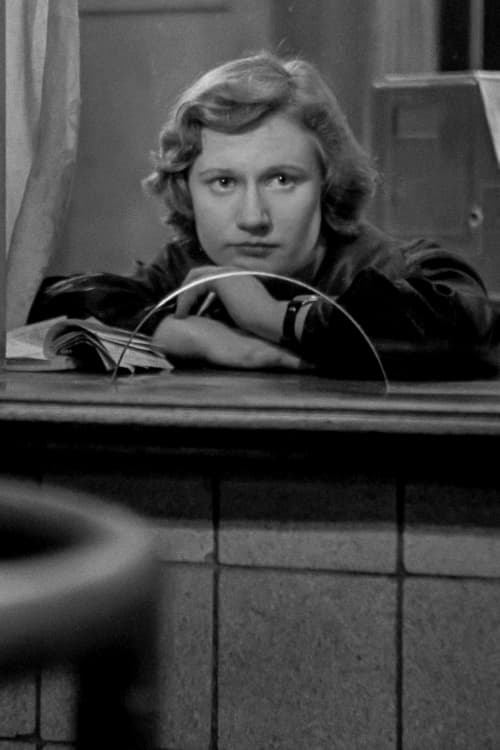
Warsaw Central Station, 1958. A place of greetings and farewells, an intersection of people from different parts of Poland and Europe. A girl waits in vain, she goes away. Soon the station would belong to the past too.
In February 1956, after several months of construction, the largest rolling mill in Poland, the rolling mill of the Lenin Smelter, started to operate. The viewers could see the final preparations and the launch of the machine.
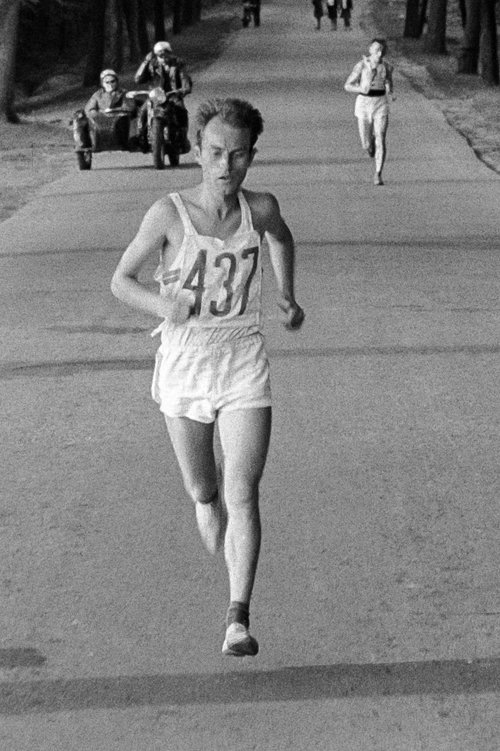
A documentary record of the effort that marathon runners make. The camera focuses on two runners: Benedict Gugala and Marian Jurczynski, who claim victory after 2 hours 37 minutes and 9 seconds.
A traditional Advent mass filmed in a church in the historical town of Spisska Sobota (Northern Slovakia), featuring authentic liturgical texts and songs.
A group of veterans recount a horrifying experience when trapped in a minefield, resulting in each losing their sight.
A lonely man wanders the streets of contemporary Warsaw. He reads the daily press, observes women in a beauty salon and follows the action on a film set. In each of the places he is just an observer, not a protagonist.
An impressionistic film about bidding farewell to departing army recruits and the end of freedom.
A nobleman and his servant have many misadventures together.
A documentary revolving around the Polish situation on an industrial level at the tail-end of the 1960s: it alternates between stark images at a metallurgic foundry and a board-room meeting among the various executives involved in its management.
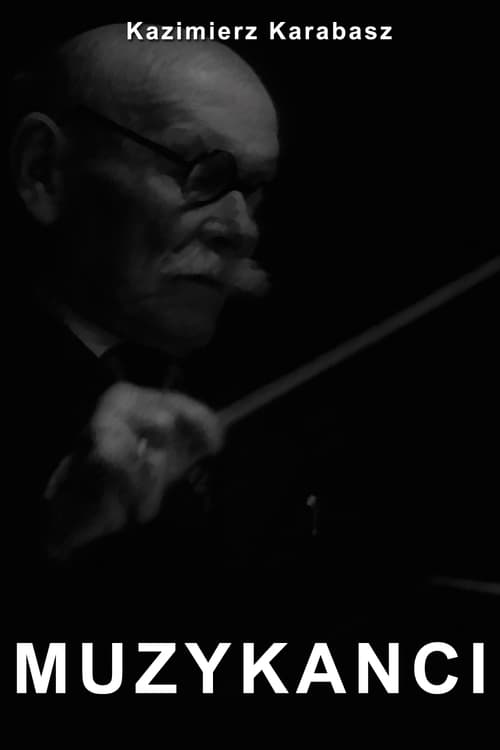
A documentary about a group of Warsaw tram workers who moonlight in the city orchestra at night.