Lee Harvey Oswald
Acting
Biography
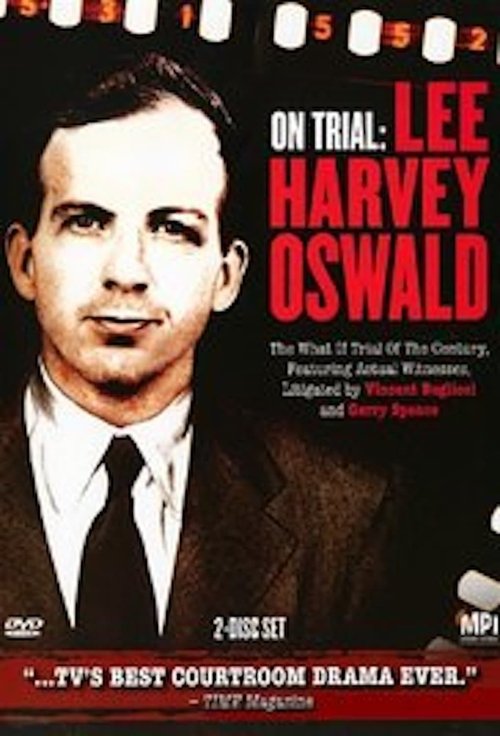
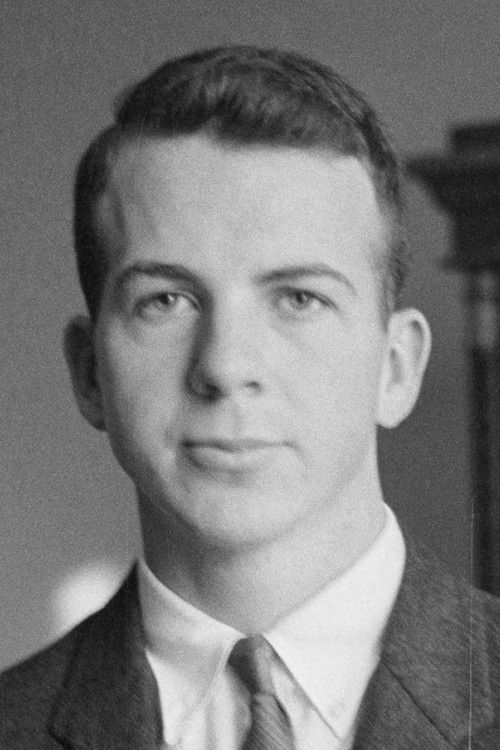
Lee Harvey Oswald (October 18, 1939 – November 24, 1963) was a U.S. Marine veteran who assassinated John F. Kennedy, the 35th president of the United States, on November 22, 1963. Oswald was placed in juvenile detention at age twelve for truancy, during which he was assessed by a psychiatrist as "emotionally disturbed" due to a lack of normal family life. He attended twelve schools in his youth, quitting repeatedly, and at age seventeen he joined the Marines, where he was court-martialed twice and jailed. In 1959, he was discharged from active duty into the Marine Corps Reserve, then flew to Europe and defected to the Soviet Union. He lived in Minsk, married a Russian woman named Marina, and had a daughter. In June 1962, he returned to the United States with his wife, and eventually settled in Dallas, Texas, where their second daughter was born. Oswald shot and killed Kennedy on November 22, 1963, from a sixth-floor window of the Texas School Book Depository as Kennedy traveled by motorcade through Dealey Plaza in Dallas. About 45 minutes after assassinating Kennedy, Oswald murdered Dallas police officer J. D. Tippit on a local street. He then slipped into a movie theater, where he was arrested for Tippit's murder. Oswald was charged with the assassination of Kennedy, but he denied responsibility for the killing, claiming that he was a patsy. Two days later, Oswald himself was murdered by local nightclub owner Jack Ruby on live television in the basement of Dallas Police Headquarters. In September 1964, the Warren Commission concluded that both Oswald and Ruby had acted alone. This conclusion, though controversial, was supported by investigations from the Dallas Police Department, the Federal Bureau of Investigation (FBI), the United States Secret Service, and the House Select Committee on Assassinations (HSCA). Despite forensic, ballistic, and eyewitness accounts supporting the official findings, public opinion polls have shown that most Americans still do not believe that the official version tells the whole truth of the events, and the assassination has spawned numerous conspiracy theories. Description above from the Wikipedia article Lee Harvey Oswald, licensed under CC-BY-SA, full list of contributors on Wikipedia.

Known For

Long-running Channel 4 documentary series covering issues about British society, politics, health, religion, international current affairs and the environment. Known for featuring a mole inside organisations under journalistic investigation.
Dispatches

Hosted by Bill Kurtis, American Justice looks at groundbreaking criminal cases, presenting viewers with an inside look at the case through the eyes of those directly involved, ranging from law enforcement officers to the victims.
American Justice

An account of the days of First Lady, Jacqueline Kennedy, in the immediate aftermath of John F. Kennedy's assassination in 1963.
Jackie

An ambitious reporter gets in trouble while investigating a senator's assassination which leads to a vast conspiracy involving a multinational corporation behind every event in the world's headlines.
The Parallax View

No description available.
Код доступа

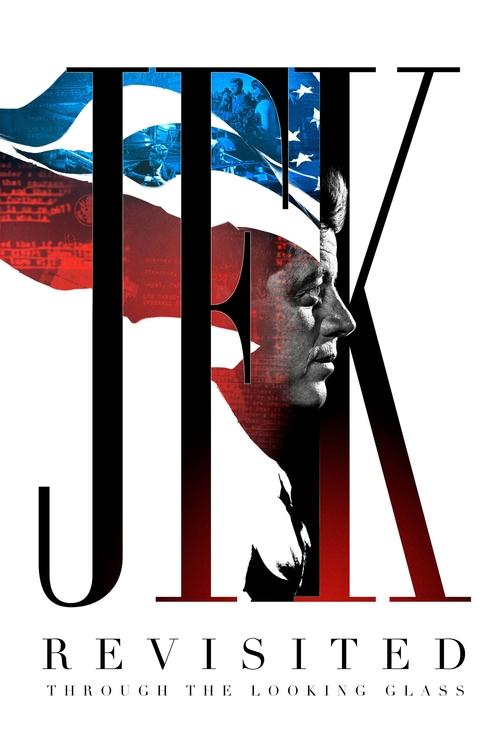
Thirty years after the release of his film JFK (1991), filmmaker Oliver Stone reviews recently declassified evidence related to the assassination of President John F. Kennedy, which took place in Dallas on November 22, 1963.
JFK Revisited: Through the Looking Glass

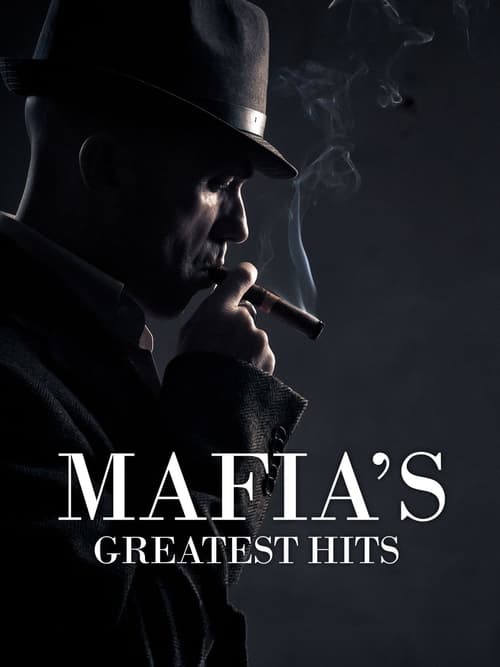
Uncovers the extraordinary truth behind some of the Mafia's most notorious outlaws, and reveals how the FBI and law enforcement developed the techniques to crack the organization and bring it to justice. This is the story of the rise and fall of the Mafia, told by the people who brought it down.
Mafia's Greatest Hits
illustrates how directors pushed boundaries and altered the art of filmmaking during the turbulent, swinging 1960s. Narrated by Woody Harrelson, "Reel Radicals" features clips from such seminal films as Arthur Penn's "Bonnie and Clyde" (1967); Mike Nichols' "The Graduate" (1967); Dennis Hopper's "Easy Rider" (1969); John Frankenheimer's "The Manchurian Candidate" (1962); Stanley Kubrick's "Dr. Strangelove" (1964) and "2001: A Space Odyssey" (1968); John Schlesinger's "Midnight Cowboy" (1969); Richard Brooks' "Elmer Gantry" (1960) and "In Cold Blood" (1967); and Norman Jewison's "In the Heat of the Night" (1967) and "The Thomas Crown Affair" (1968). Frankenheimer, Jewison, Hopper, Schlesinger, Penn, Buck Henry, Paul Mazursky, Roger Corman and Arthur Hiller are among the filmmakers who discuss the decade.
Reel Radicals: The Sixties Revolution in Film

The Sixth Floor museum at Dealey Plaza presents a group of six short films about the life, death and enduring legacy of John F. Kennedy that are shown in the Sixth Floor Exhibit of the former Texas School Book Depository in Dallas, Texas. The sudden death of this young, vibrant world leader sent shock waves around the globe. The assassination remains one of the most vividly remembered and controversial events of the century. The Sixth Floor Museum at Dealey Plaza is a permanent exhibit in the former Texas School Book Depsitory. The films included in this exhibit have been adapted as an educational video examining the life, times, death and legacy of President John F. Kennedy
John F. Kennedy and the Memory of a Nation

DEATH SCENES II continues the exploration into the dark recesses of violence and rage that ended in such heinous crimes as the Manson Family's assault on society. You'll see the gruesome aftermath of mob reprisals, public executions and international terrorism. DEATH SCENES II uniquely ushers the brave and curious into a spellbinding trip through the reality that is our world today.
Death Scenes 2

The film is an unnarrated collection of archived news and home movie footage shot as events unfolded, some of it rarely seen. Part one deals with the time from President Kennedy's arrival in Dallas on November 22, 1963 through the murder of Lee Harvey Oswald less than 48 hours later. Part two deals with the Warren Commission, its critics and those who suspect a conspiracy, the assassinations of Martin Luther King, Jr. and Robert F. Kennedy in 1968 and the turmoil that followed, and the continuing doubt about the assassinations and the effects this has had on American society.
JFK: 3 Shots That Changed America

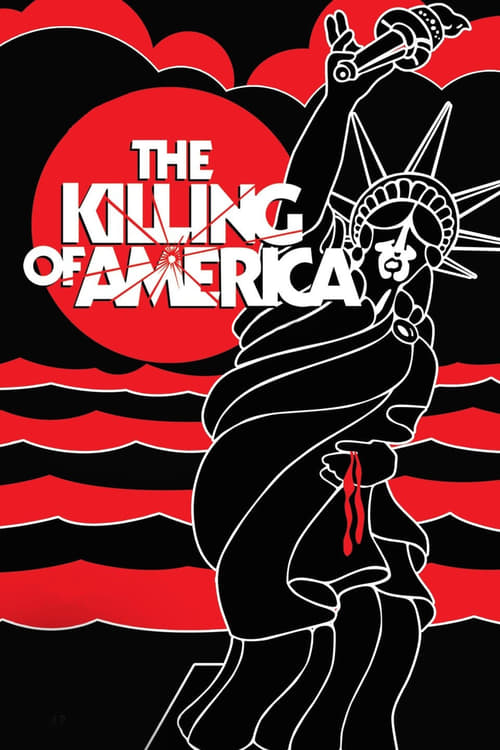
A documentary of the decline of America, composed of archival material and exclusive footage, carnage, madness, and mayhem with an unapologetic sincerity on the factual depiction of violence in the industrialized nation of the United States. Featuring a juxtaposition of detailed accounts of terrible acts, brutal behavior, and interviews from experts and convicted killers alike.
The Killing of America

The real reasons and orchestrators behind Hitler, to an incredible theory of the JFK assassination, all the way to 9/11 and the current age of the terrorist. Taken from an historical perspective starting around World War 1 leading to present day.
JFK to 9/11: Everything is a Rich Man's Trick

JFK: The Lost Bullet is a documentary by National Geographic that tries to answer the question: "Who killed John F Kennedy?" It re-evaluates the famous Zapruder film that shows the murder of JFK and states that Zapruder stopped filming and missed the first shot fired which changes the timeline of the bullets fired making it possible that Lee Harvey Oswald could have fired three shots. It argues that the magic bullet that hit JFK and Governor John Connally was in fact possible. The documentary also features other home movies taken on the day.
JFK: The Lost Bullet

John F Kennedy was one of America's greatest presidents. He was the voice of the people who was a natural public speaker and a cool calm figure in front of the cameras. His influence helped push America through the most dangerous moments of the cold war, diffusing what could have been world nuclear destruction. But in November 1963, his life would come to a devastating end through the hands of an assassin. But who would kill one of the most popular presidents? Why was he a target? Join us as we investigate the life and career of JFK and ask the question...Who was really behind the killing of JFK?
Killing John F. Kennedy

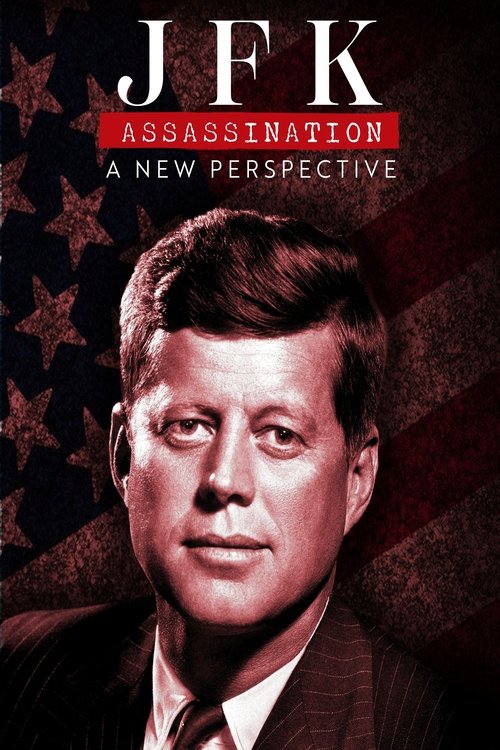
With the release of new documents in 2025, this gripping exploration revisits the JFK assassination, featuring expert insights and theories that leave viewers questioning the truth behind the events of a day that changed history.
JFK Assassination: A New Perspective

A look back at the "Last Election" moment of 2024 in America through several generations grappling with and attempting to reflect upon it.
The Last Election

Investigative reporter Jack Anderson hosts a two-hour investigation of the Kennedy Assassination featuring interviews with experts, eyewitnesses, government officials and authors. Includes dramatic recreations of key events.
American Expose: Who Murdered JFK?

For the Baby Boomers, the assassination of President John F. Kennedy took on the same sense of tragedy as the September 11, 2001 terrorist attacks did for Generation Y - not only for the effect that it had on the nation's morale but for the conspiracy theories that would follow in its wake as well. In the aftermath of the assassination,
Oswald's Ghost
Frame 313 examines several theories that have been offered about who was responsible for the JFK Assassination including the single bullet theory, the CIA/Mafia theory, the Soviet Union/KGB theory, the Mafia hit theory, and the CIA/Anti-Castro theory.