Clementina de Jesus
Acting
Biography
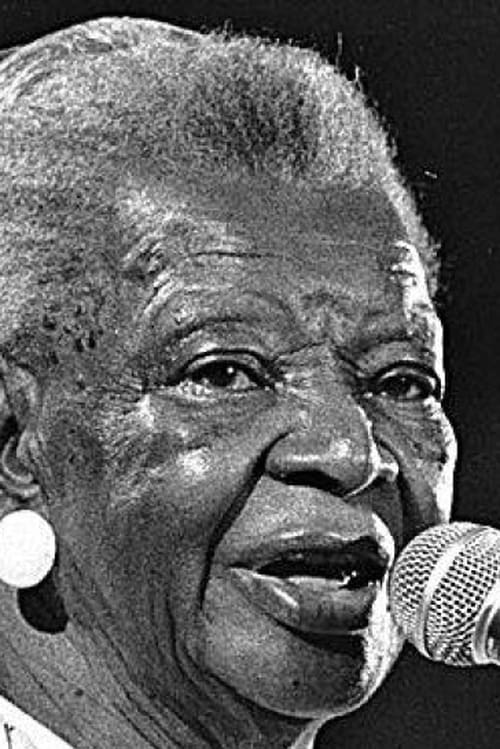
Clementina de Jesus da Silva OMC (Valença, February 7, 1901 – Rio de Janeiro, July 19, 1987), also known as Tina or Quelé, was a Brazilian singer.
Known For

Os Trapalhões was a Brazilian comedy group and also a Brazilian television series created by Wilton Franco. Its members were Dedé Santana, Zacarias, Mussum and their leader Didi Mocó, that was played by Renato Aragão. The name Trapalhões is derived from the Portuguese verb atrapalhar, which means the opposite of helping, to do something the wrong way or to Those that confuse. The name is translated "Tramps" in English DVD subtitles. It was aired by Rede Globo from 1977 to 1999. On March 18, 1990, Zacarias died due to respiratory failure, but the group and the series didn't come to an end until July 29, 1994, when Mussum died due to an unsuccessful heart transplant.
The Trapalhões

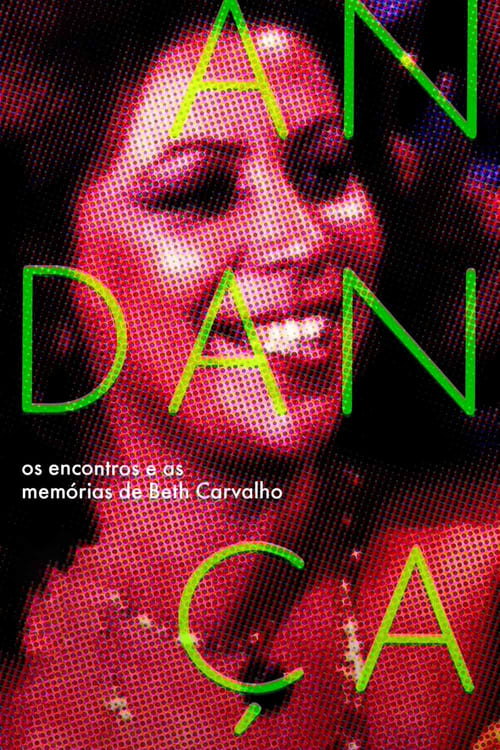
A documentary on the career of Beth Carvalho, the Brazilian singer who became a well known samba legend from the 1970s onwards, edited together from hundreds of hours of footage and audio files kept (and partially recorded) by Carvalho herself during her lifetime.
Andança: Os Encontros e as Memórias de Beth Carvalho

No description available.
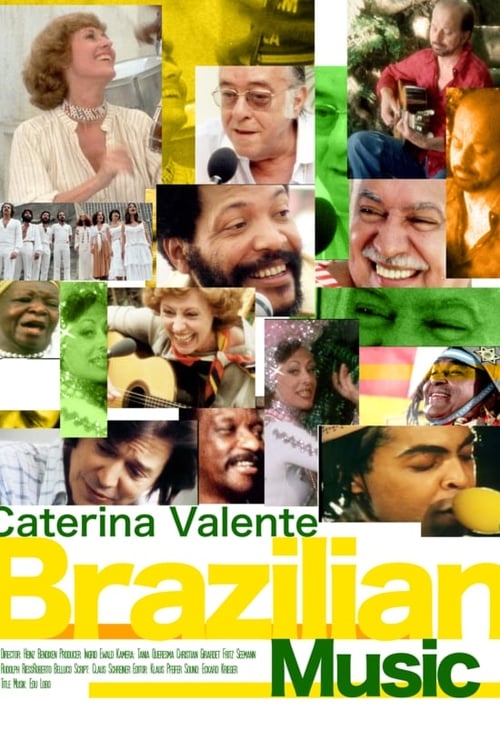
Caterina Valente presents Brazilian music

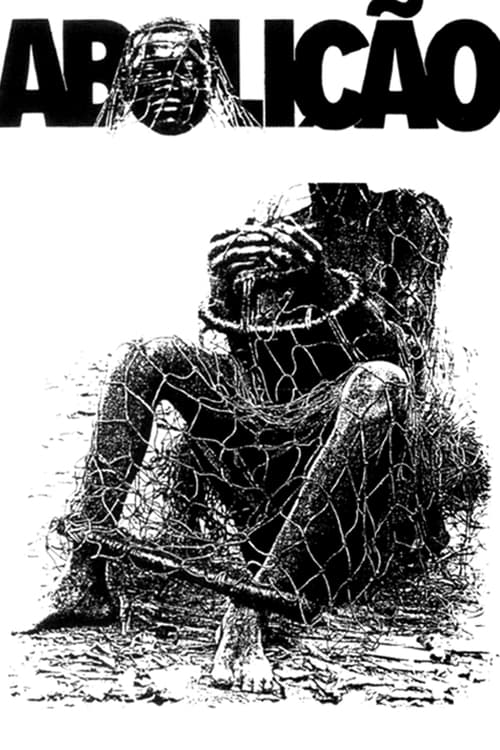
In 1988, the centenary of abolition of slavery in Brazil, Zózimo Bulbul made this powerful historical analysis of racial issues in his country. This documentary provides an in-depth look through extensive archival researching and interviews of key figures who were involved in preserving black culture. Aside from historical testimony, this epic documentary also points to the current relevance of facing the racism that still confronts the black population in Brazil.
Abolition

No description available.
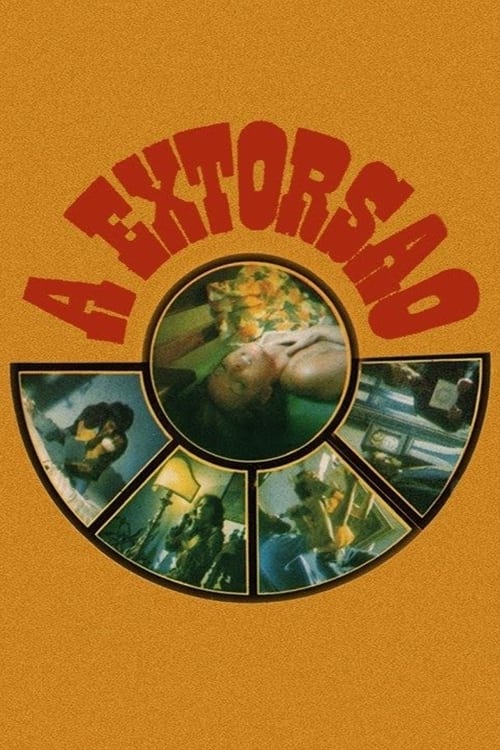
A Extorsão

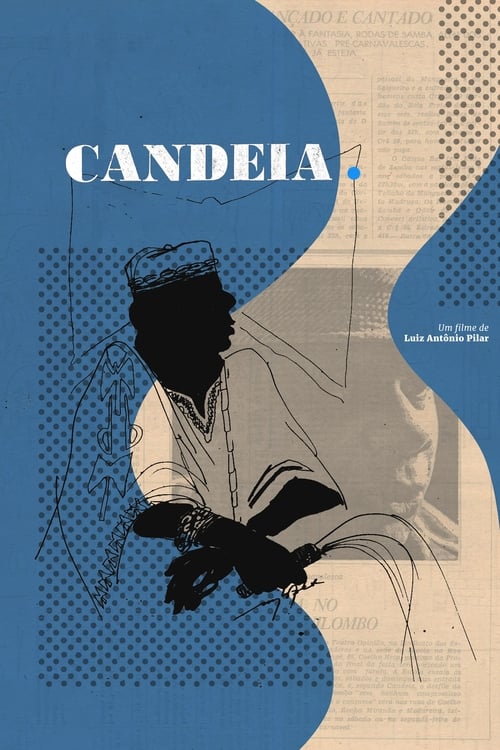
The life and work of the late samba singer-songwriter Candeia.
Candeia

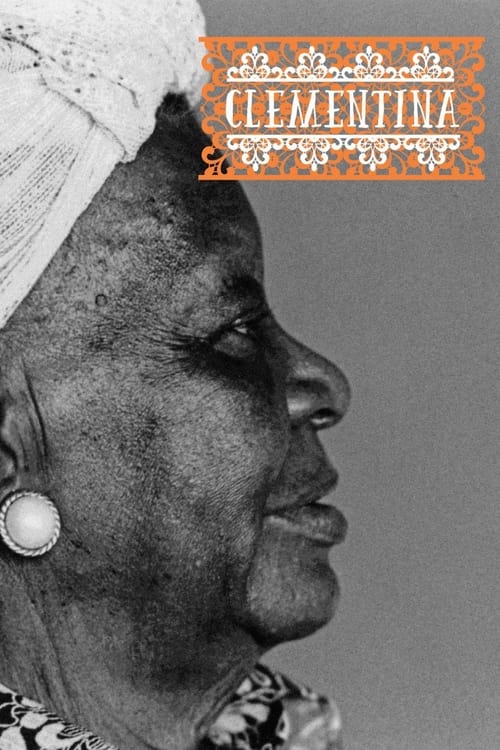
A film about the universe of Clementina de Jesus, singer revealed at the age of 63 as one of the greatest voices in the history of Samba.
Clementina

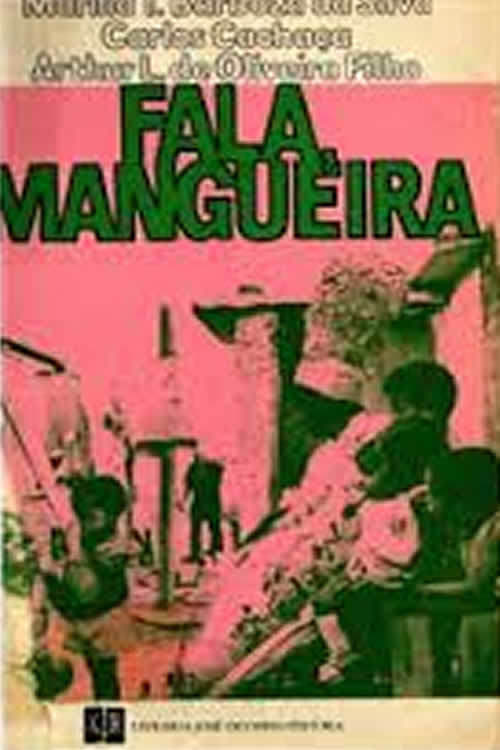
A documentary on the influence that carnival has on the daily life of the Mangueira hill in Rio de Janeiro. It follows the manufacture of the carnivals of 1981 and 1982, interviewing several residents who tell the story of more than half a century of the favela's existence and emphasizing its community importance and cultural, to the sound of the most beautiful sambas composed on Mangueira.
Fala Mangueira!

Portrait of various figures in Brazilian pop music.
Álbum de Música

No description available.
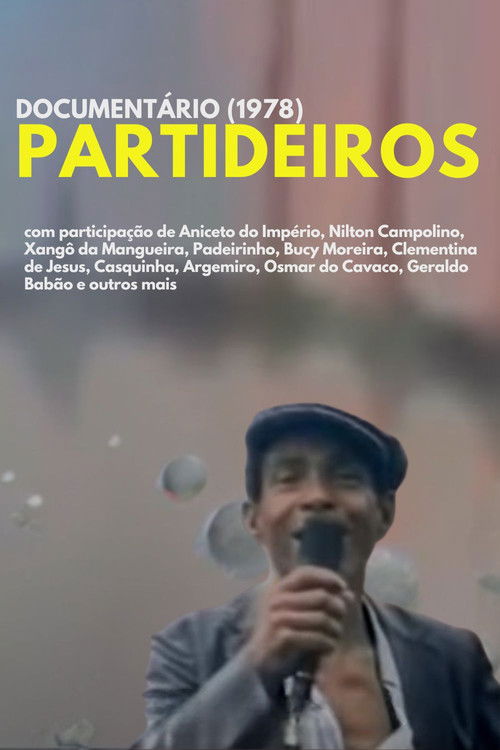
Partideiros
No description available.
Viva a Penha

No description available.