Editing
Argentina, as hosts in 1978, were under great pressure to succeed. Amidst passionate supporters, they progressed to the finals with a wonderful blend of attacking football and tough defending. The unlucky Dutch, now lacking Cruyffs' sublime skills, were the fall guys once again in the Final, losing 3-1 in a classic clash of styles. This 1991 reedited version omits controversial interviews from the 1978 original "Copa 78 - O Poder do Futebol", while also including additional television footage of the tournament and newly dubbed English narration instead of the original Spanish.
No description available.
Based on the true events that took place in the 70s, in Rio de Janeiro. The body of beautiful girl Cláudia Lessin Rodrigues, actress Márcia Rodrigues's sister, was found in the seashore. After Police investigation, it was found she had been murdered on a party by a rich industrialist's son and his socialite hairdresser buddy, after much sex, alcohol and drugs, specially Mandrax (methaqualone). She'd probably resisted being raped and the killers threw away the body in the water. One of the guys tried to escape flying to Switzerland.
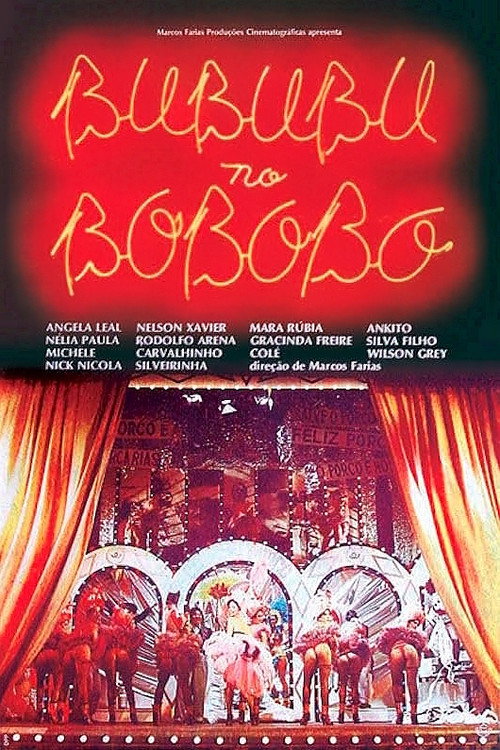
Two brothels in a small country town fight fiercely for the town's clientele, putting the owners of the two brothels, Salô and Maria Navalha, on a war footing. The conflict between the two establishments will bring problems for Salô's employees, who will rebel while the boss is harassed by the town's police forces because of his homosexuality.
A mutant prank improvised by Arnaldo Baptista, Sérgio Dias, and Rita Lee. Os Mutantes on a unique day in the streets of São Paulo.
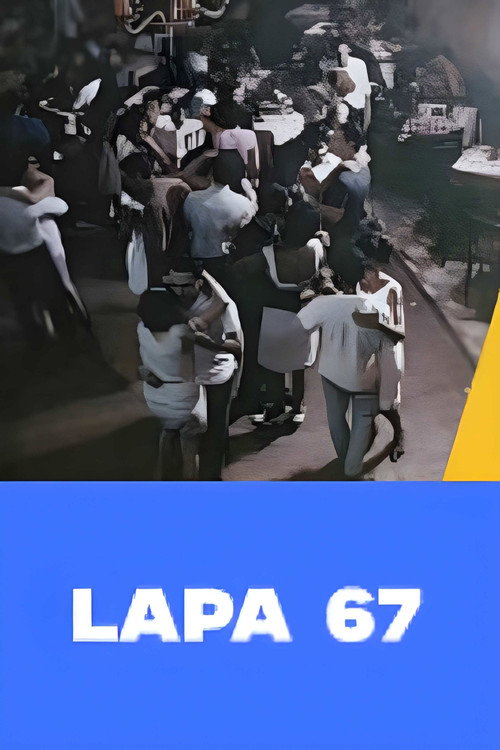
Set in the vibrant nightlife of Rio de Janeiro’s historic Lapa district, Lapa 67 captures the atmosphere, music, and social life of one of Brazil’s most iconic cultural neighborhoods during the 1960s. Through documentary-style observation, the film presents dancers, musicians, bars, and ordinary people enjoying an evening in Lapa, creating a time capsule of urban Brazilian culture at a moment of transformation. The short preserves rare images of the district’s nightlife and offers a glimpse into the rhythms, fashions, and social interactions that defined the era.
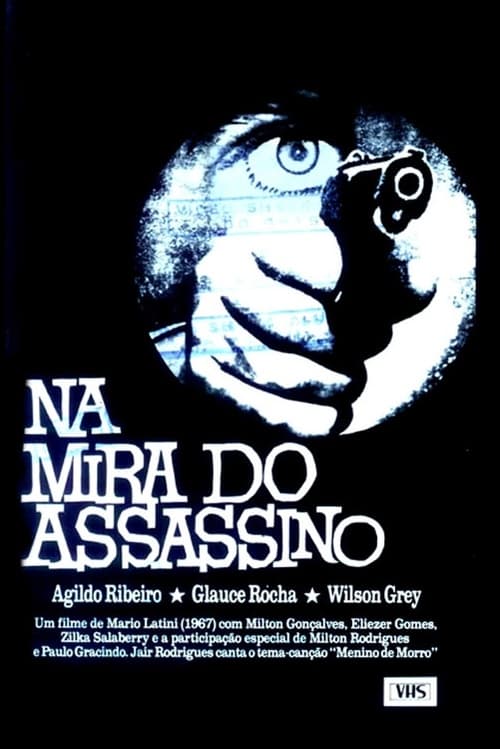
A common robber is turned into a killer when he discovers that his sister was sexually assaulted by a policeman. After his act of vengeance, the police force begins a man hunt which corners the man into the building of a district attorney of whom he takes hostage.
In 1967, de Andrade was invited by the Italian company Olivetti to produce a documentary on the new Brazilian capital city of Brasília. Constructed during the latter half of the 1950s and founded in 1960, the city was part of an effort to populate Brazil’s vast interior region and was to be the embodiment of democratic urban planning, free from the class divisions and inequalities that characterize so many metropolises. Unsurprisingly, Brasília, Contradições de uma Cidade Nova (Brasília, Contradictions of a New City, 1968) revealed Brasília to be utopic only for the wealthy, replicating the same social problems present in every Brazilian city. (Senses of Cinema)
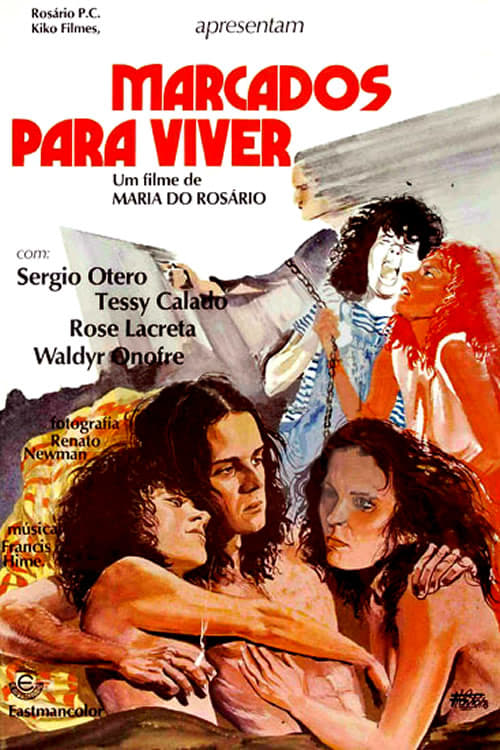
A true friendship develops between Jojô, a prostitute Rosa, and the young Eduardo, who survive on the streets of Rio de Janeiro. Everything goes well until ambition takes over the trio, causing friends to aim for bigger goals, planning a big assault that could cost them their lives.
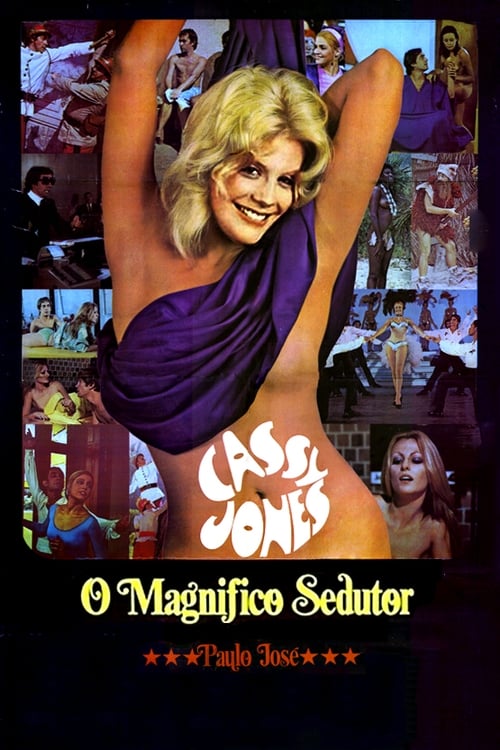
A tireless and incorrigible seducer looks for - and seems to find - the woman of his life.
The past of a region that grew on the foundations of the faith, through the catechesis of the Jesuits who formed the theocratic kingdom of the Guarani.
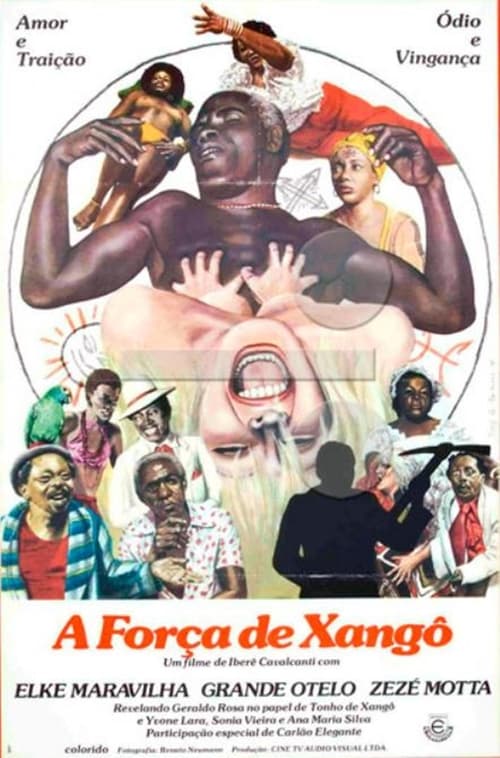
Tonho Tiê really likes living free, playing capoeira and drinking. During Carnival he meets beautiful Zulmira; they pledge love and projects for many children. But time passes and Tonho returns to being the womanizer he had always been. Zulmira, daughter of Iansã, cannot stand Tonho's brazenness, and asks her saint-mother to wash her honor with blood.
Helena, married to decorator Bruno, is a woman dissatisfied with the futility of social life. She rekindles her relationship with her former boyfriend, Clóvis, and discovers how difficult the struggle for happiness is by seeing the example of the less fortunate. After saving herself from the rough seas on the beach, Helena finds herself possessed by a mystical fear. On New Year's Eve, while the people celebrate Iemanjá, Helena and Bruno throw a lavish party. Their employee, Luiz, is arrested as a suspect in the death of a woman found on the beach. Having a disagreement with her husband, Helena leaves the party and throws herself into the sea. She is saved by Umbanda followers and welcomed by Bruno, who tries in vain to comfort her.
The painter Tino, in professional and political crisis, receives a telegram from his mother-in-law, Selma, announcing her return from Europe. After his wife's death, Tino continues living with Selma, with whom he had ambiguous relations, which he now wants to sever. Weak at this impossible love, he asks the maid Enedina to lock him in his room. There, he revives memories through letters, notes and photographs. Selma's son João is waiting for her at the airport and dreams of loving fulfillment in his own mother's arms.
During a flight, passengers confront their aspirations, frustrations, fears, wishes and fears, mixing up reality and fiction.
The relationship of a woman with three men - her husband, her lover and a man who fell in love with her -, told in a single night, through flashbacks