
Eizō Yamagiwa
Directing
Known For
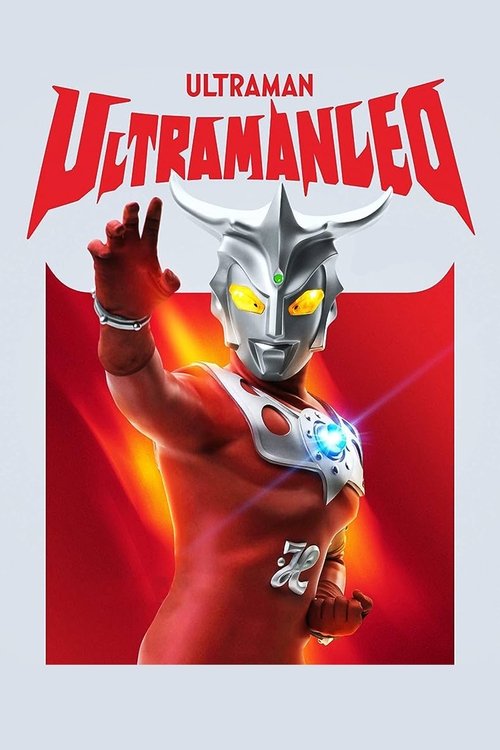
After being brutally maimed by evil aliens, Dan Moroboshi (Ultra Seven) takes under his wing a fierce young Ultra-like being from L-77, and christens him "Ultraman Leo," to continue his mission to defend the Earth.
Ultraman Leo
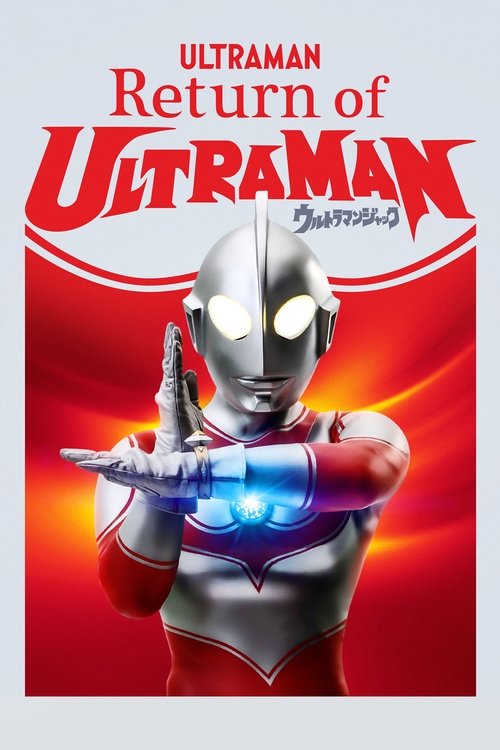
Another being from Nebula M-78, identical to the original Ultraman, combines with car racer-turned-MAT patrol member Hideki Gô, and fights assorted menaces in a frightening new "Age of Monsters."
Return of Ultraman
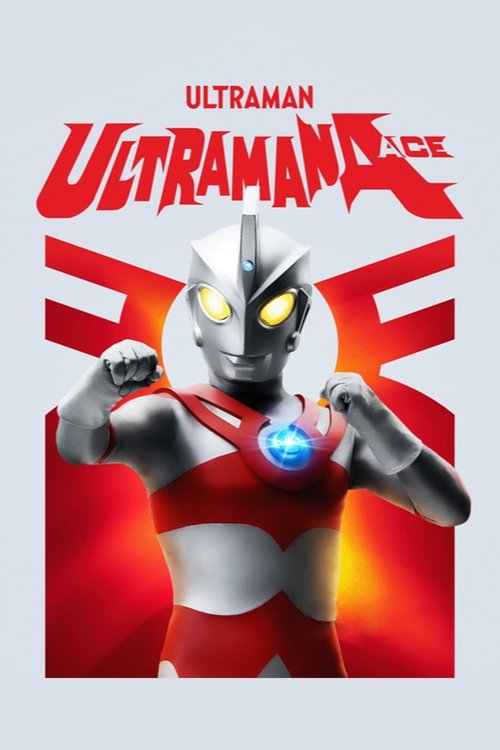
Yapool, an ancient interdimensional race of beings tries to conquer the Planet Earth with his army of monsters, called Terrible-Monsters. The newest member of the Ultra Brothers, Ultraman Ace, arrives on Earth to aid humanity in the battle against Yapool. Touched by the sacrifices of Seiji Hokuto and Yuko Minami, he revives them and grants them the Ultra Rings, which allows them to transform into Ultraman Ace in times of need.
Ultraman Ace
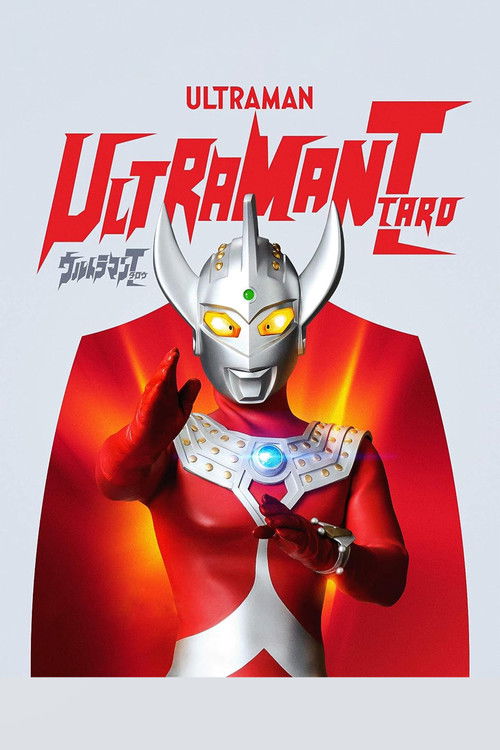
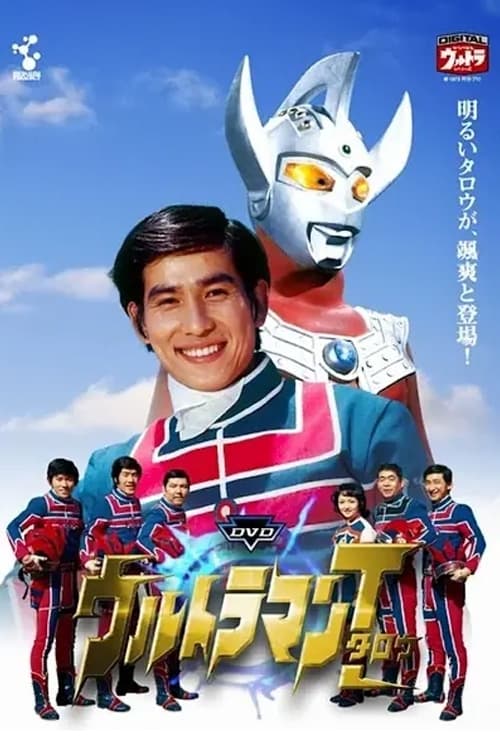
After being killed in a monster attack, adolescent young man Kotarô Higashi is transformed by the entire Ultra Family into a powerful new Ultra-being, Ultraman Tarou.
Ultraman Taro
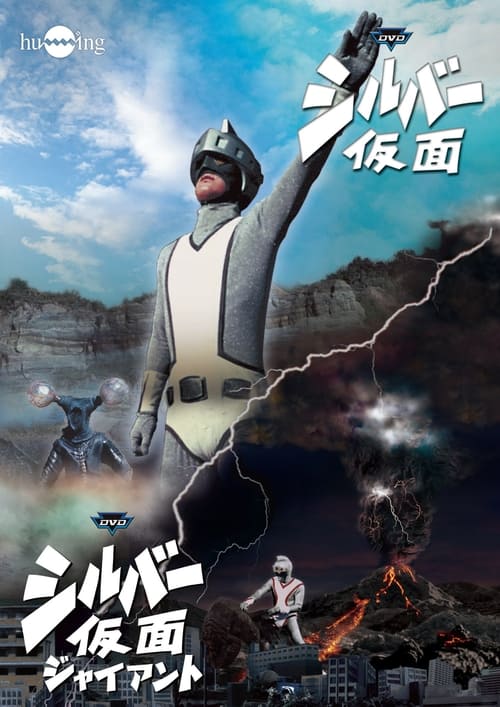
After Professor Kasuga is killed by fiendish aliens for plans to a super-rocketship, his children trek across Japan, protected by the second-oldest brother, Koji, who transforms into the super-cyborg, Silver Mask.
Silver Kamen
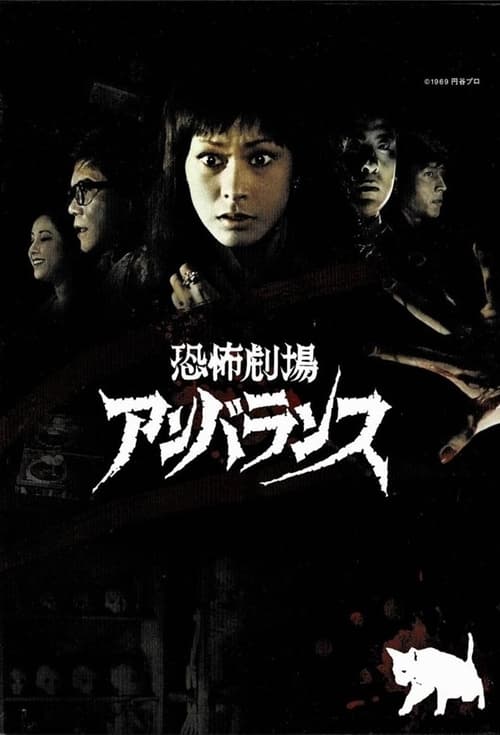
Horror Theater Unbalance is a 1973 Japanese Anthology television series created by Tsuburaya and Fuji TV to air on the Fuji TV network on Monday Nights for 13 episodes. Originally started in production in 1969, it was shelved and took years for its airing debut to begin its broadcast, before production was eventually completed at the end of 1972. It was then aired on Fuji TV in 1973.
Horror Theater Unbalance
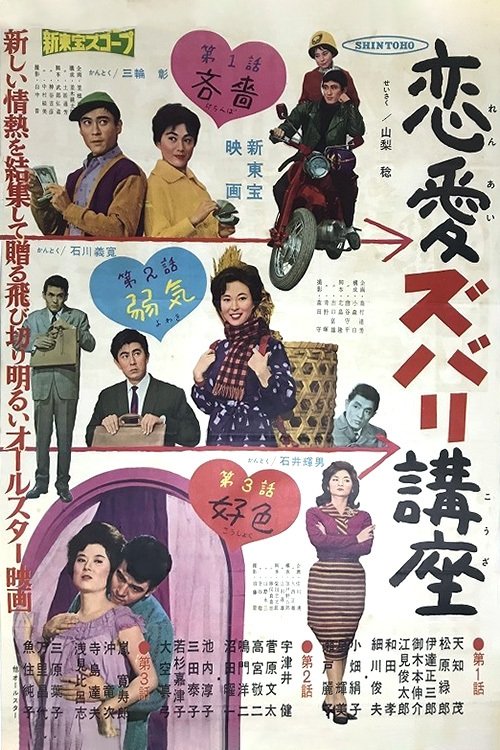
A omnibus movie consisting of the three parts: "Kechinbo", "Yowak" and "Kōshoku".
Ren'ai Zubari Kōza
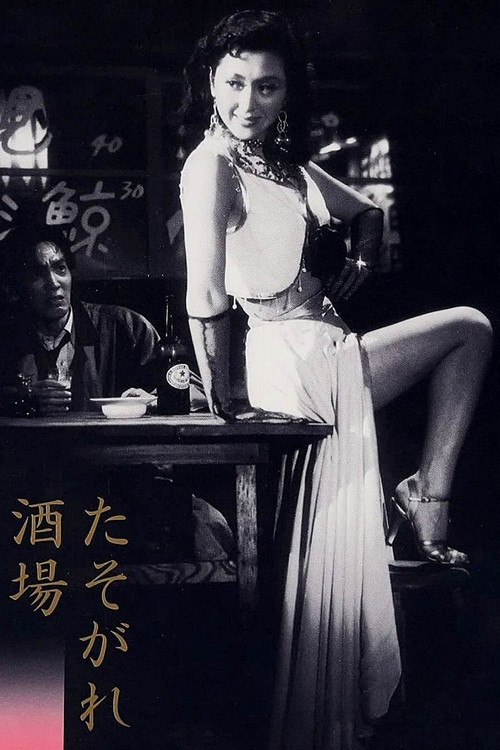
Inside a bustling postwar Tokyo beer hall, a diverse group of patrons, performers, and workers spend a single evening navigating their personal frustrations and social anxieties. A disillusioned professor, a struggling artist, and various laborers find their lives intersecting through chance encounters and heated arguments fueled by drink.
Twilight Saloon
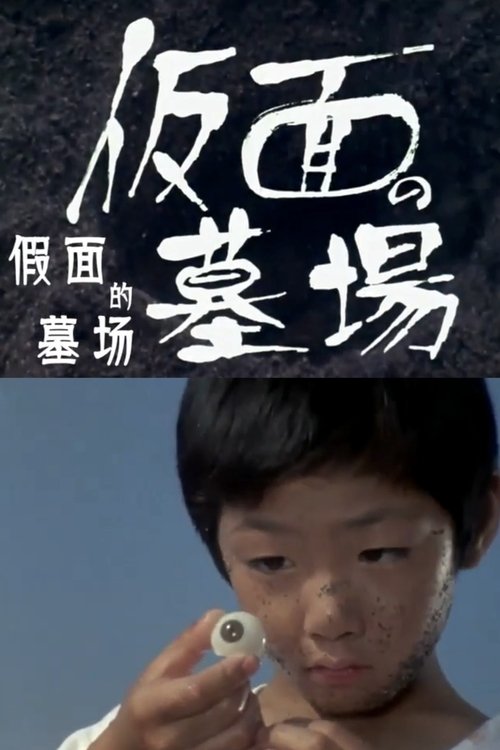
In a struggling small theater troupe, director Inuo pressures an actor to perform a death role with extreme intensity, resulting in a fatal accident. Despite the tragedy, Inuo attempts to proceed with the scheduled performance. Legendary underground theater performers Jūrō Kara and Mako Midori appear in the episode, exploring themes of theatre performance, obsession, and the boundary between reality and illusion.
Graveyard of Masks
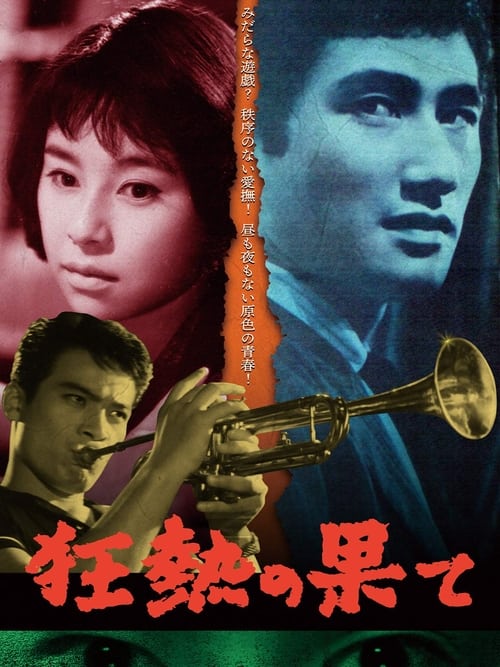
A leading postwar Japanese film critic and theorist who co-founded the seminal film magazine Eiga Hihyo (Film Criticism) in 1957, Eizo Yamagiwa made his directorial debut with this independent feature—long thought lost until a negative was recently discovered—about a group of idle bourgeois students known as the “Roppongi Tribe” (Roppongi zoku). Depicting the resignation and nihilism of the postwar generation in the years following the Anpo Treaty conflicts through a coming-of-age narrative, Yamagiwa offers sharp criticism of the prevalent characterizations of Japan's new youth offered by Nikkatsu's taiyozoku (“Sun Tribe”) films and the New Wave at large.
The End of Love
No description available.