Art
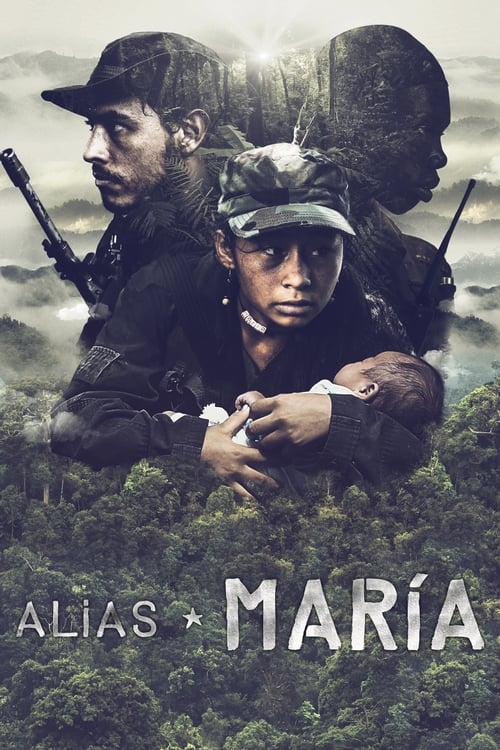
A vision of Colombia's inhuman armed conflict, seen through the eyes of a young - and pregnant - girl soldier.
No description available.
In a tiny town in an unnamed Latin American country in the 1930s, a young telegraph operator helps link the small, repressed community to the outside world, against the will of the powerful colonel who rules the village like a dictator.
Joseph is a sailor who returns to his aunt's home after 14 years at sea, there he will be involved in the process of African colonialism signing a contract to travel to Congo captaining a ship called Florida that is shipwrecked as soon as it reaches Congo forcing them to walk the Congolese forest in the heart of darkness
Chronological account of the events that culminated in the massacre of students in Tlatelolco in 1968.
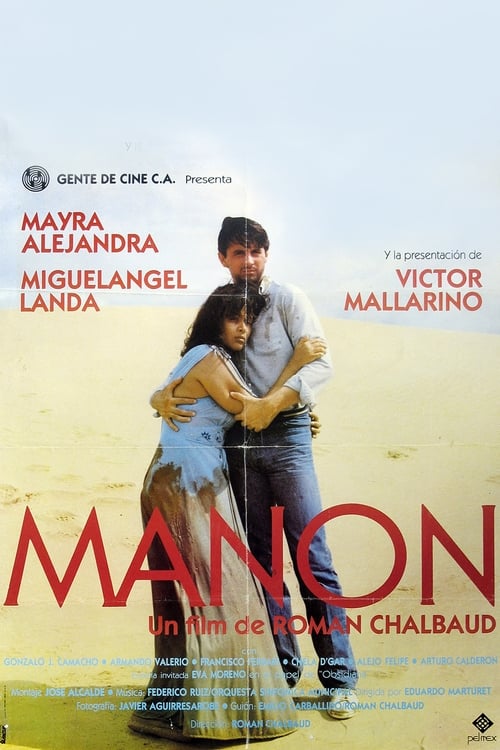
During a bus ride through the Andes, two seminarians encounter with a woman named Manon. Immediately, one of them falls in love and the attraction is mutual, so they decide to flee to capital city to start a new life. But the love of Manon ambitious drags this man to leave his vocation and commit criminal acts to maintain a life of luxury and extravagance.
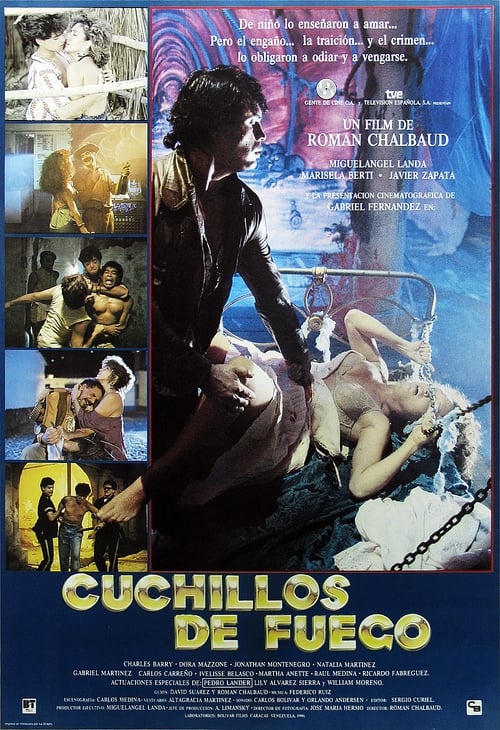
Version of the play "Todo bicho de uña". It tells the story of revenge. The tour of the Andean, for ten years, a young man in search of the rapist and murderer of his mother, takes us into the underworld strata fairs and circuses villagers.
A man in chains, a young man who dreams of being part of something, to become a militant for an armed group who must wield a cruelty in which he may not believe in. The characters, each voluntary or involuntary part of a mechanism that overcomes them, reveal their greatness or misery in the “minimum” tasks that they perform to survive. From that sometimes morbid poetry of the everyday and the irrefutable truth of the details, we see a country whose social body is sick and injured.
A cop and two young journalists are in possession of evidence of the implication of two SS officers involved in major assassinations across the world. Whe they try to reveal this information they become the target of a manhunt...
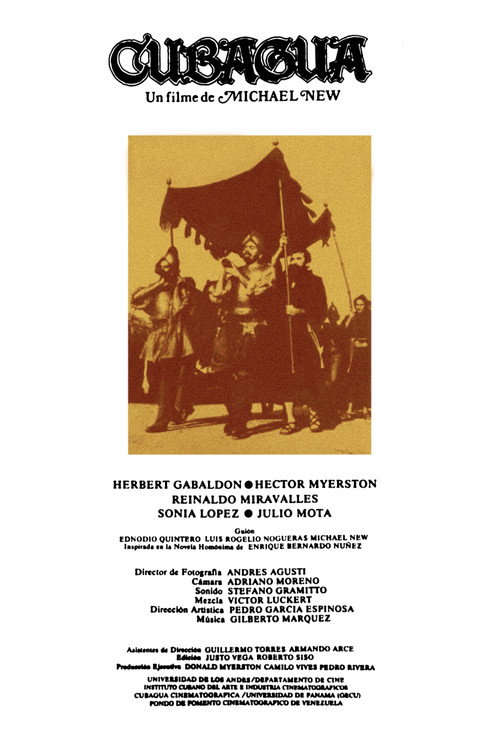
Based on the novel by Venezuelan writer Enrique Bernardo Núñez, the film tells the story of engineer Leiziaga discovering his historical doubles in the context of the colonization of the island of Cubagua in Venezuela. In this way, two stories are intertwined: one that takes place in the 16th century and another in the 20th century. The first story focuses on the life of the Spanish settlers who arrived in Cubagua and the exploitation of the indigenous peoples for pearl extraction; the second story, set in the 1920s, tells of Leiziaga's archaeological expedition, financed by a multinational oil company, in which he visits the island to study the ruins of the Spanish settlement, which leads him to reflect on the passage of time and the destruction caused by human exploitation, and through a game of mirrors, to realize the relationships between the past, present and future.