Acting
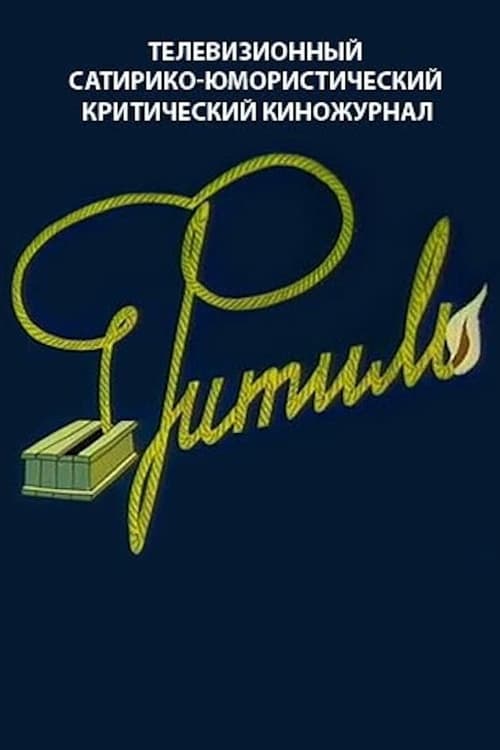
Fitil is a popular Soviet/Russian television satirical/comedy short film series which ran for about 500 episodes. Some of the episodes were aimed at children, and were called Фитилёк, Fitilyok, Little Fuse. Each issue contained from the few short segments: documentary, fictional and animated ones. Directed by various artists, including Leonid Gaidai who presented his famous trio of Nikulin, Vitsin and Morgunov into the cast. It was called in USSR as "the anecdotes from the Soviet government".
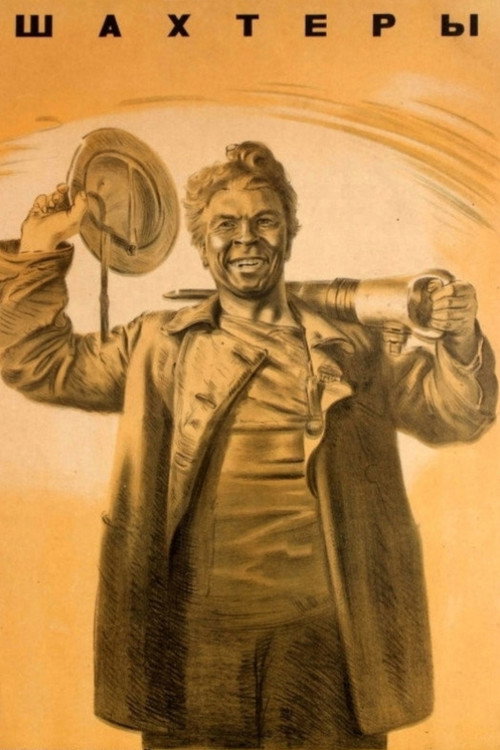
Semyon Primak, in the direction of the regional committee, arrives in one of the small towns of Donbas and immediately enters into battle with the chief of the mine, Chub, who, in a situation of continuous assault, plays into the hands of the Trotskyites and bandits operating in the mine. Having received moral support from the new secretary, the best 'udarnik', shockworker Matvey Bobylev implements a new method of coal mining and, contrary to the intentions of the enemy group, finds a wide response among the miners of Donbas.
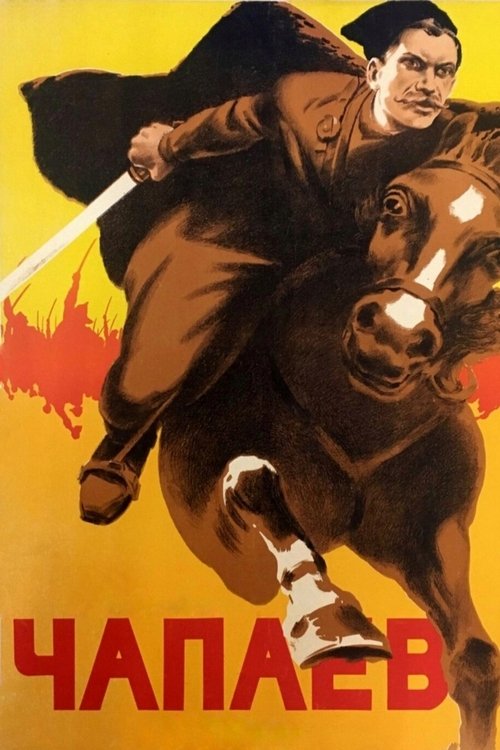
An account of the peasant turned mythical military hero Vasily Chapayev, charting his campaign in the Red Army during the Russian Civil War.
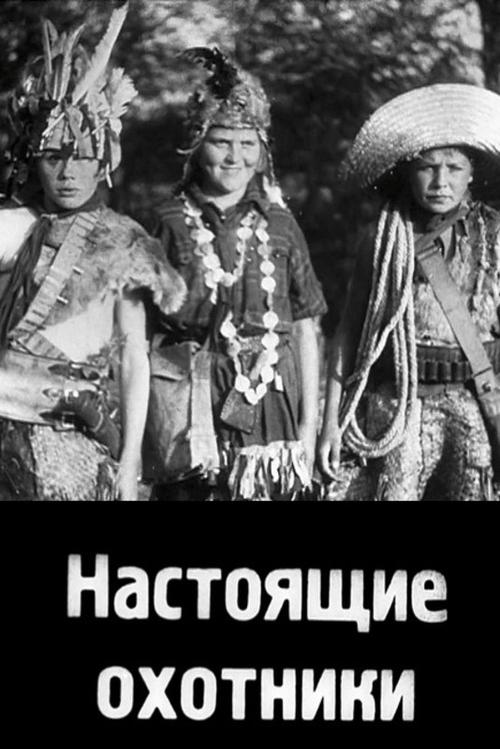
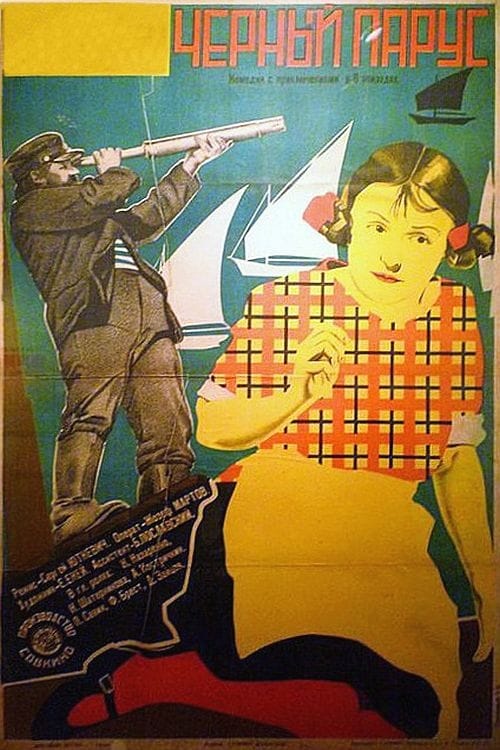
Young naturalists go to the village, among them are three guys who have read adventure literature. They dream of becoming real hunters in the spirit of the heroes of the novels of Mein-Reed.
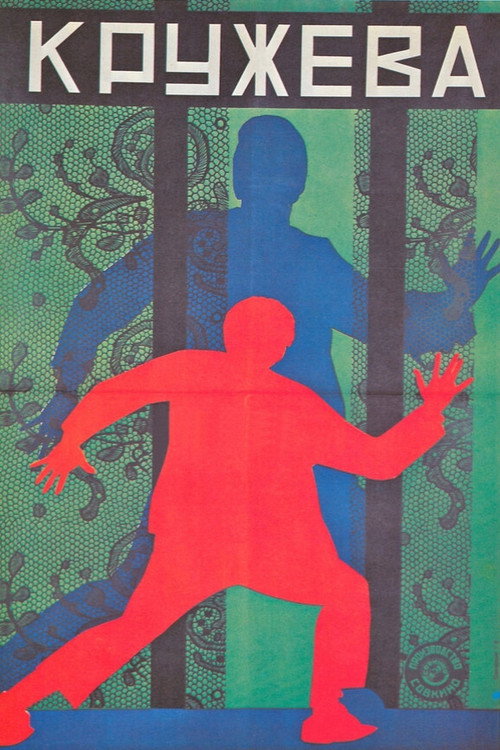
Since director Sergei Yutkevich was a longtime lover of American slapstick, his first films were imbued with a playfulness and cheeriness not typical of Russian cinema. And Kruzheva is a good example of that as he illustrates the friendly rivalries between the youths on village in both a very rough and clowning way.
A Soviet propaganda film based on material from the Bolshevik coup. During the Russian civil war, the Whites, that anti-Communist force that fought against the Bolsheviks during that period, capture a Jewish Ukranian village; the gang commander threatens a pogrom, and will kill everyone in the village unless the inhabitants agree to give to the White Officers five virgin girls in wedding dresses. Under such terrible pressure, the Jewish council of the town decides, full of sorrow and despair, to sacrifice their daughters to the drunken officers but fortunately and just in time, a detachment of partisans that belong to the Red Army, comes and frees the village.
The struggle of the Komsomol members against private speculators for the surrender of fish to the state.
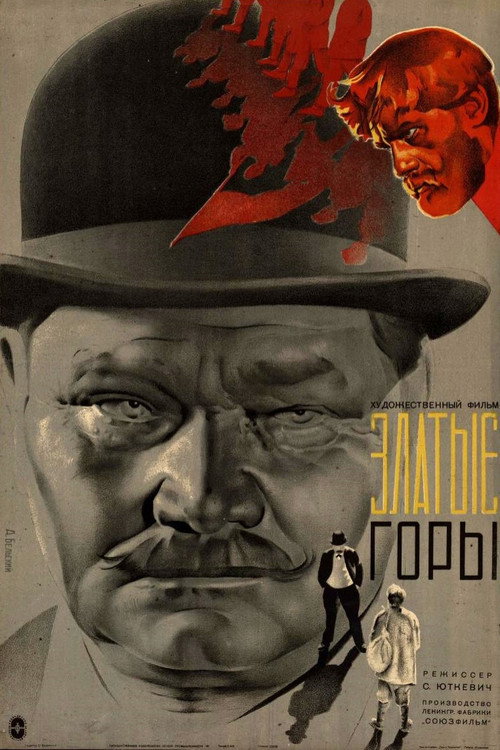
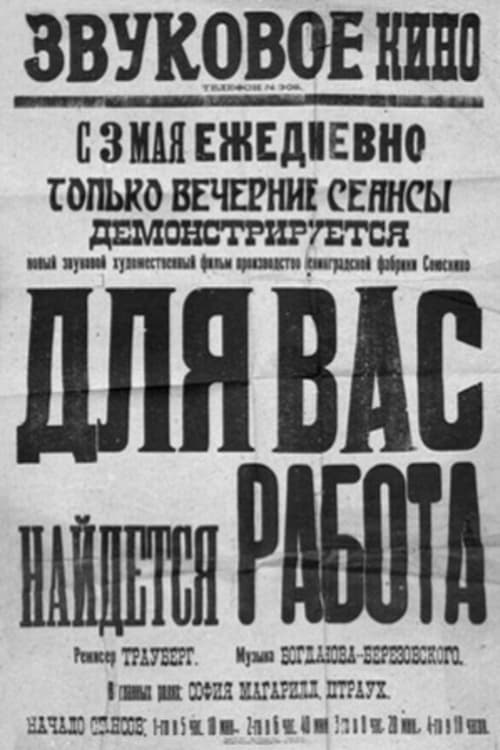
Pyotr, backward lad from poor village, comes to town desperate for work. He's hired as replacement ("scab") worker at big metallurgical factory, which is in the throes of a strike organized by the Bolsheviks (communists). Deceitful industrialist's son involves naive young man in an attempt to murder Bolshevik leader.
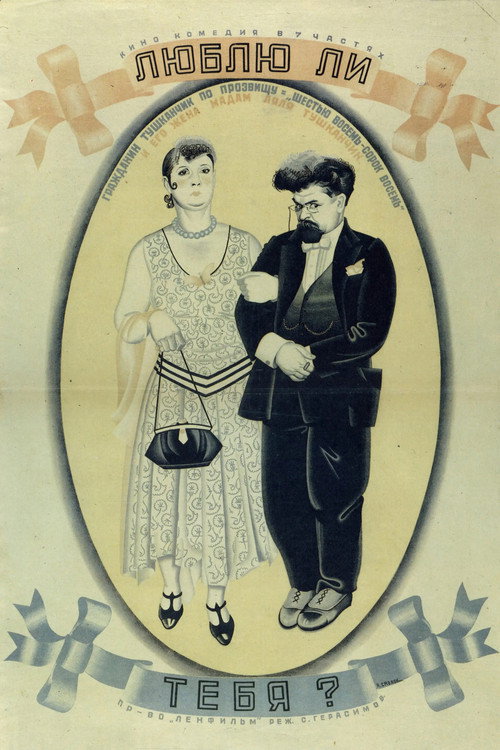
A comedy about the life of a young married couple—Soviet students. Film has not survived.
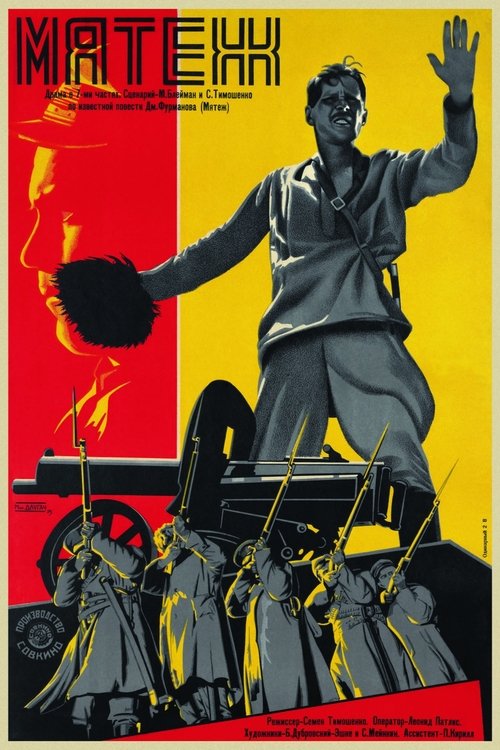
Central Asia during the Civil War. The Jarkent battalion of the Red Army, located in the Verny (now Alma-Ata), receives an order from Frunze to go to the Fergana region to fight the Basmachi. A group of kulaks, with the support of local merchants and beys, incites the unconscious, wavering mass of the Red Army to revolt. The anti-Soviet agitation of counter-revolutionaries, demagogically exploiting the mood of war weariness, provokes an open mutiny in the battalion.
A coming-of-age story about a flute-playing boy (Yyvan Kyrla) from the Mari people, a national minority who lived near the Volga, and how he is educated by the Soviet state.
The best bell-ringer of the church Fedor Kuzmich Shtukov becomes the foreman of production at the shipyard. Communists and Komsomol members are trying to persuade Fedor to forget about the church, but in vain. Daughter Anna laughs in the face of her father - and in vain too. But when the plant desperately needed a scarce metal, Shtukov, painfully thinking about his native plant, supported the proposal of one of the workers to cast the billet from the church bell, and the vessel was ready for launch on time.
In 1929, the Chinese are preparing an attack on the CER, recruiting soldiers to their gang. Among them there is a resident of a lodging house Van. Having recovered after a sudden attack on a Soviet border village, the Red Army squad goes on the offensive. Wang is among the prisoners. Wang and another prisoner go on the run. But on the road between the fugitives there is a conflict and young Chinese Wang begins to realize who his true enemy is...
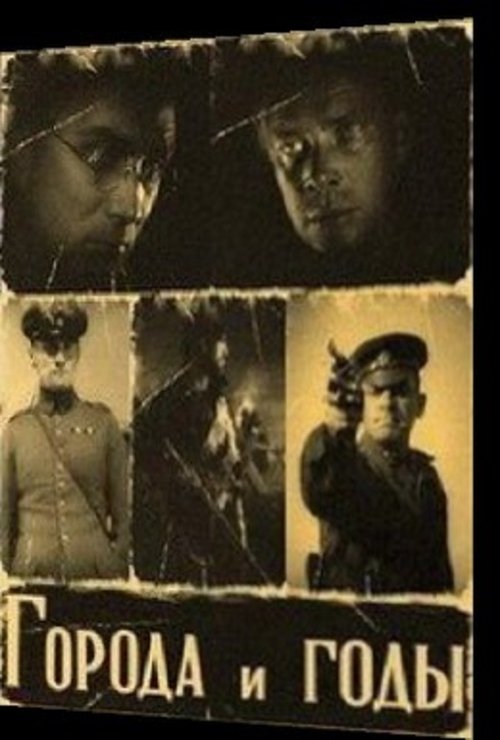
The last and only surviving (partially lost) silent film by director and actor Yevgeny Chervyakov. The film adaptation is distinguished by the accuracy of the psychological characteristics of the numerous characters, the detail of everyday sketches of life in Germany and Russia, and the conveyance of the atmosphere of the events of the First World War and the Civil War.
In northward far camp NKVD arrives echelon with the group of prisoners. Among them there are an engineer Sadovskiy and inveterate criminal Kostya, that quickly becomes the ringleader of barrack and forbids to all the appearances at work. The officials of cheka begin a persistent and tactful fight for the change of these people.
Franz Winner, a sausage factory worker from the small German town of Kleinsburg, finds himself unemployed during the industrial crisis. While accidentally visiting a Social Democratic club, Winner injures a police officer in self-defense during a police raid. He is sentenced to ten years in prison. In prison, far from politics, Winner meets political prisoners and becomes a staunch revolutionary. German communists fight hard for Winner's release. His fellow prisoners go on hunger strike. Finally, Winner is granted amnesty. On the eve of his release, he dies from the effects of the torture he endured.