Acting
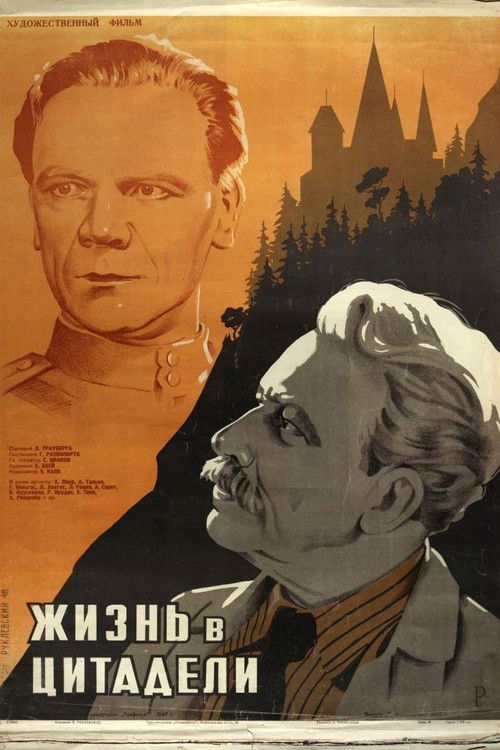
Professor August Miilas has succeeded in hiding in his private house from the war. He thinks this is mainly caused by his complete devotion to science. As August is not interested in anything that is going on outside his citadel, his family members avoid disturbing him. However, the political situation disrupt August's quietude. Right in the middle of his domestic citadel, the professor finds out about dangerous secrets so that he must give up this apolitical attitude and open up for the new reality.
Lost film.
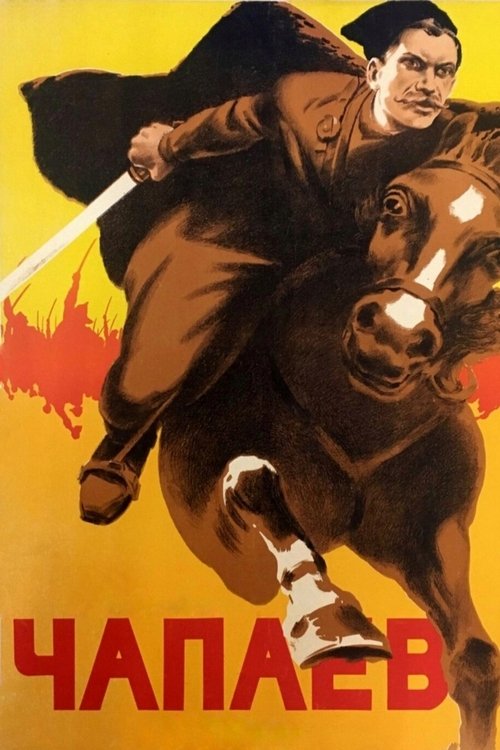
An account of the peasant turned mythical military hero Vasily Chapayev, charting his campaign in the Red Army during the Russian Civil War.
During World War 1 a Russian soldier serves in Russian Expeditionary Force in France where he is chosen for his marksmanship and trained as a skilled sniper. After the Russian revolution the soldier returns home while his commander fights against the Soviet Russia. In 1930 the former soldier works on a factory and also he is the instructor in shooting club. Once the town that is near the Soviet border is attacked by foreign troops (the hostile state isn't named but the uniform of the soldiers resembles Finnish). The character meets againt with his former commander who serves in invading forces.
Story of the conflict between old art forms such as ballet and the revolution and the need for creating new, proletarian forms of art. First feature by Sergey and Georgiy Vasiliyev, partially lost.
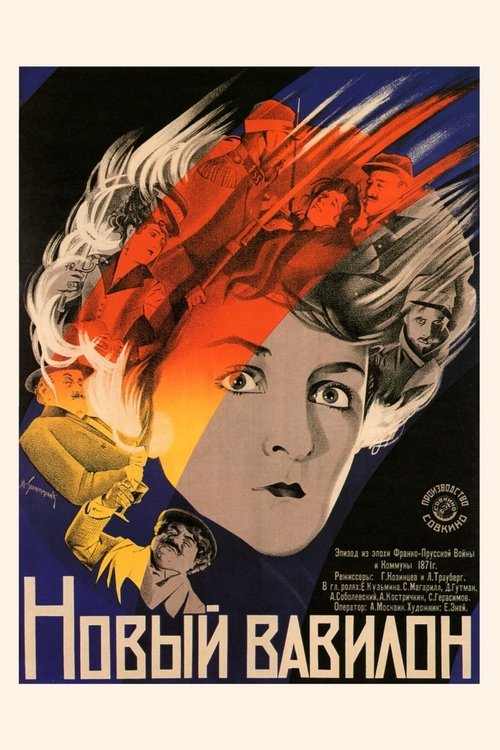
In the short-lived Commune of Paris, a conscripted soldier falls in love with a Communard saleswoman. As the army cracks down on the revolutionaries, the soldier is forced to fight against the Commune, and the pair's love is put to the test.
Director Frederick Ermler’s last silent feature and the last of four collaborations with actor Fiodor Nikitin. Nikitin plays an officer who spends a decade after the Great War as a shell-shocked amnesiac, until a glimpse of a woman through a train window sparks the return of his memory. He makes his way back to St. Petersburg, now Leningrad, a man out of time who struggles to make sense of the new society brought about by the revolution.
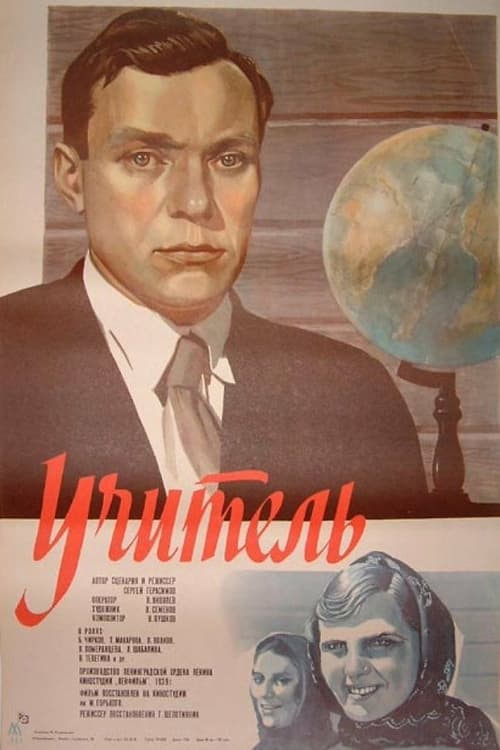
A young teacher comes to work in his native village, plans to build a new school. The arrival of the teacher causes confusion in the soul of the young neighbor Agrafena Shumilina.
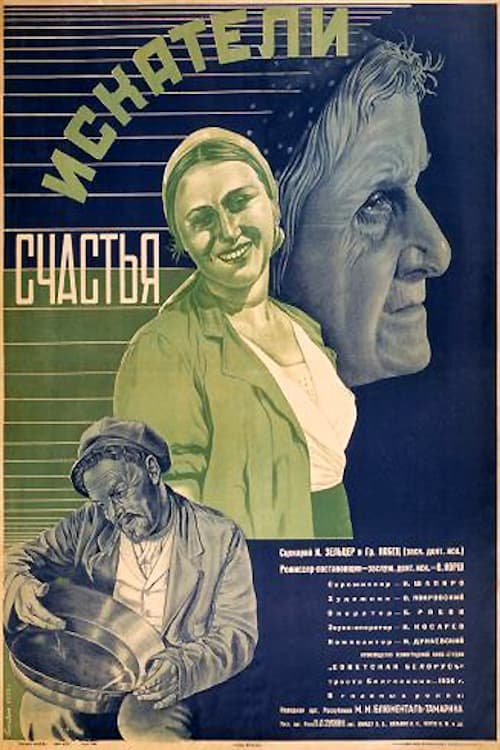
During the 1920s, many impoverished Jews searching for a better life made their way to Birobidzhan, the Soviet Jewish Autonomous Region on the Chinese border. This melodrama tells the story of a Jewish family's immigration to Birobidzhan and their experiences as settlers on a collective farm in the area.
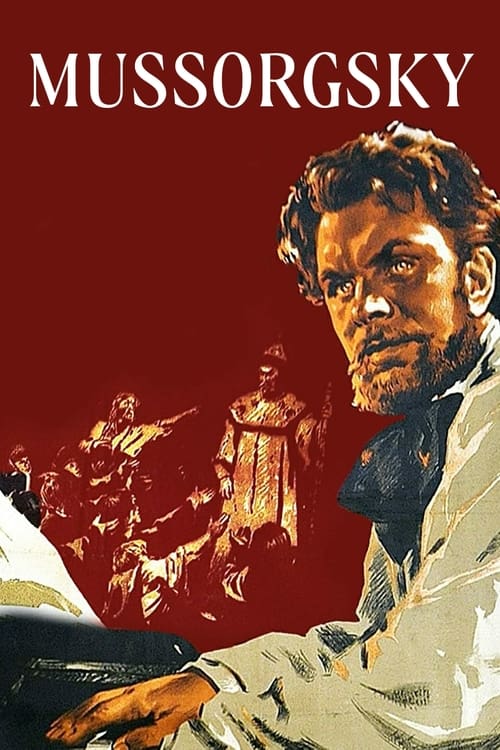
Saint Petersburg, 1858. A group of composers known as The Five meet at Balakirev's. Young Modest Mussorgsky, both a civil servant and a musician, has become a fixture there. He tells about the first opera he plans to compose. Then he goes to the country where he discovers the lowly conditions of the peasants and the bloody conflicts with the rich land owners. He works on Gogol's 'The Marriage', trying to render into music the natural accents of the play's naturalistic dialogue. But his efforts do not pan out. On the other hand, he starts writing his opera on the story of Boris Godunov. The Marinsky Theatre refuses to stage the work. The Five, and Mussorgsky among them, are libeled and the group starts disintegrating. When 'Boris Godunov' is finally performed in 1874, it is a popular success.
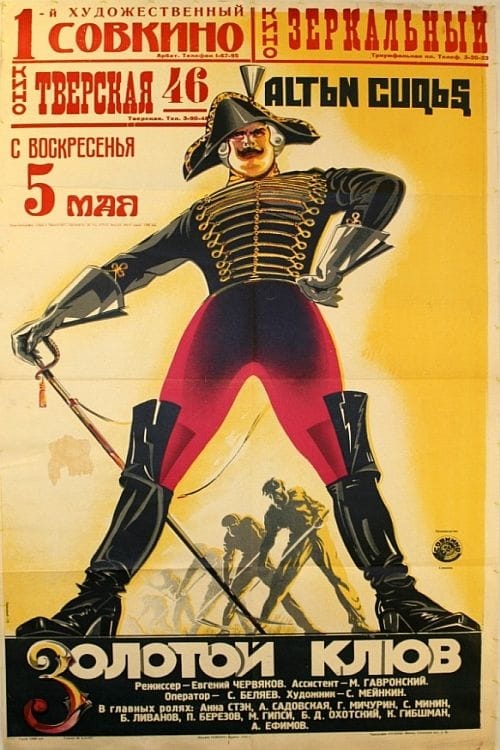
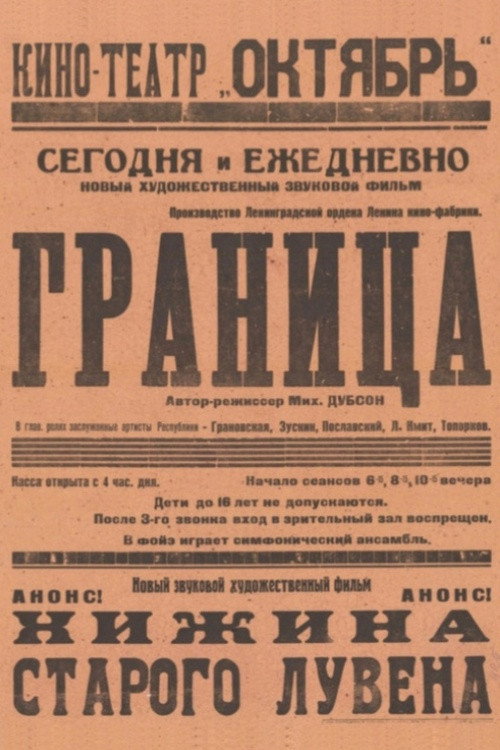
The residents of the village of Staroje Dudino, located four kilometers west of the Soviet border, are completely dependent on the wealthy Novik, whose interests are protected by the local police and clergy. Novik is actively stirring up ethnic strife between the Jewish poor and Polish workers. During the traditional "black crown" ceremony (a wedding ceremony for an old man and an old woman), a group of factory workers led by the communist Haidul, together with the Jewish poor, attack the police and free Boris Bernstein, who had been sentenced to death.
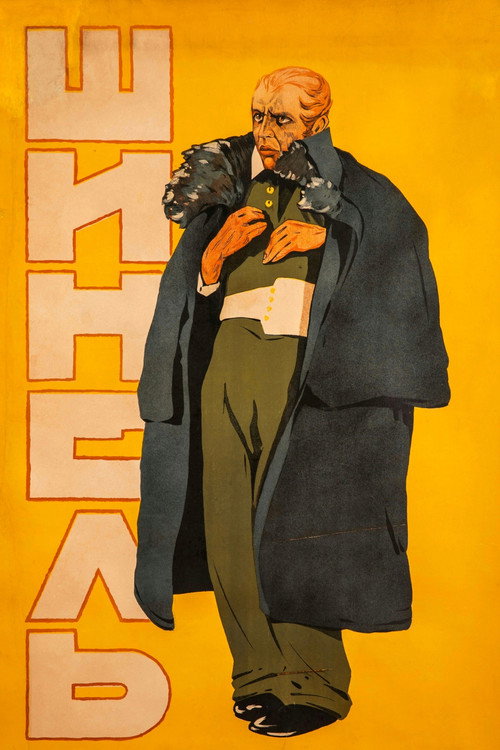
Soviet film based on "Nevsky Prospekt" and "The Overcoat" by Nikolai Gogol.
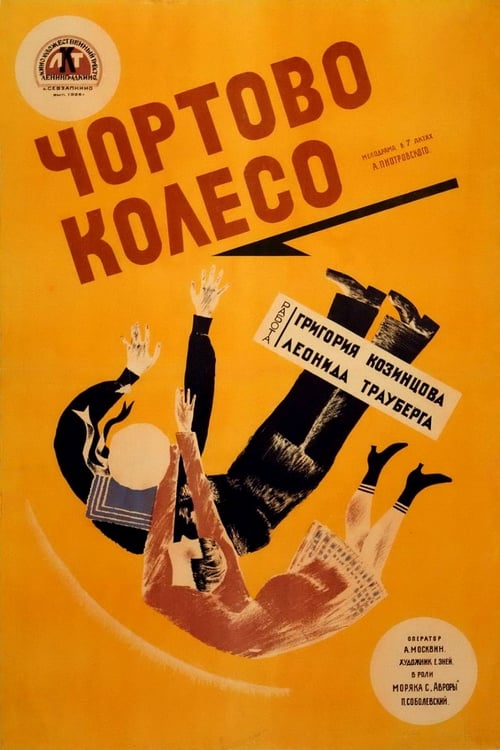
Typically of the heady days of early Soviet cinema, this is constructed according to the fast, sharp editing principles advocated by Eisenstein, complete with symbolic inserts; but in terms of subject matter, it's much less explicitly political than most movies emerging from Russia in the '20s. Chronicling a young sailor's descent into a murky, treacherous underworld of pimps and thieves, after having encountered a Louise Brooks lookalike at a fairground and missed his departing boat, it's a lively moral fable that delights in vivid visual effects and quirky characterisations. If the plot occasionally reveals gaping holes, and the tacked-on ending urging the clearance of the Leningrad slums seems to be rather gratuitous, there's enough going on to keep one attentive and amused.
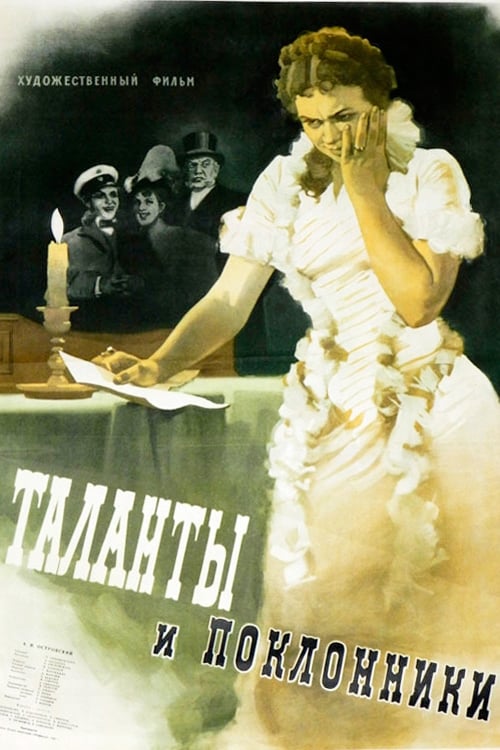
Negina, a talented actress at a provincial theater, must leave the stage because her purity of behavior is incompatible with theatrical customs. She loves the student Meluzov, and both dream of an honest, hard-working life. Harsh reality destroys her plans. A natural actress, Negina is unable to leave the theater, and in order to serve art, she is forced to betray her ideals and sell herself. After agonizing doubts, the actress becomes the mistress of the wealthy landowner Velikatov and leaves with him. Meluzov, left alone, angrily denounces the depraved "admirers of talent," the masters of the city.
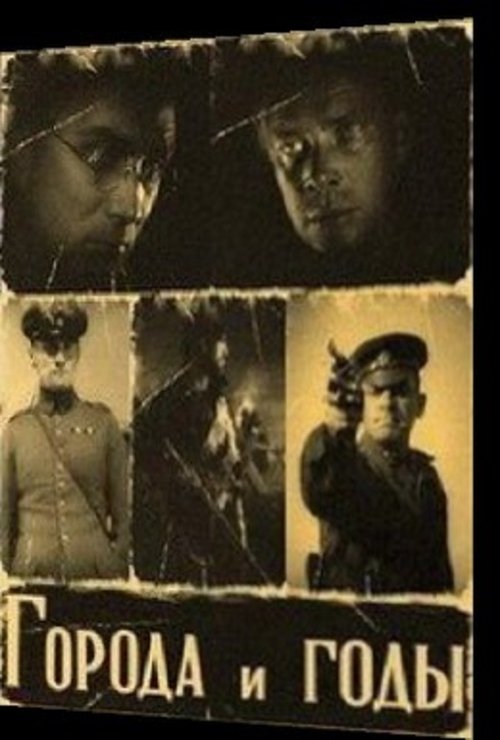
The last and only surviving (partially lost) silent film by director and actor Yevgeny Chervyakov. The film adaptation is distinguished by the accuracy of the psychological characteristics of the numerous characters, the detail of everyday sketches of life in Germany and Russia, and the conveyance of the atmosphere of the events of the First World War and the Civil War.
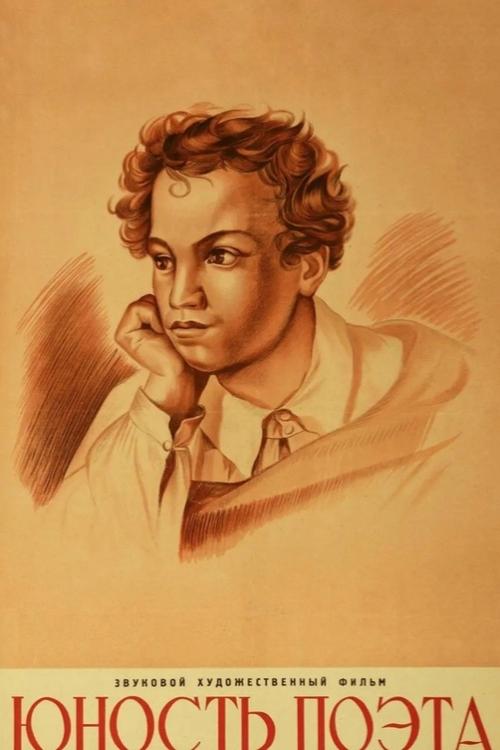
Biographical film "Youth of the poet", dedicated to Pushkin-Lyceum student. At the 1937 world exhibition in Paris, the film was awarded a gold medal. The Director managed to accurately recreate the historic era, to convey the atmosphere of the Tsarskoye Selo Lyceum in the years of the formation of the poetic genius of Pushkin.
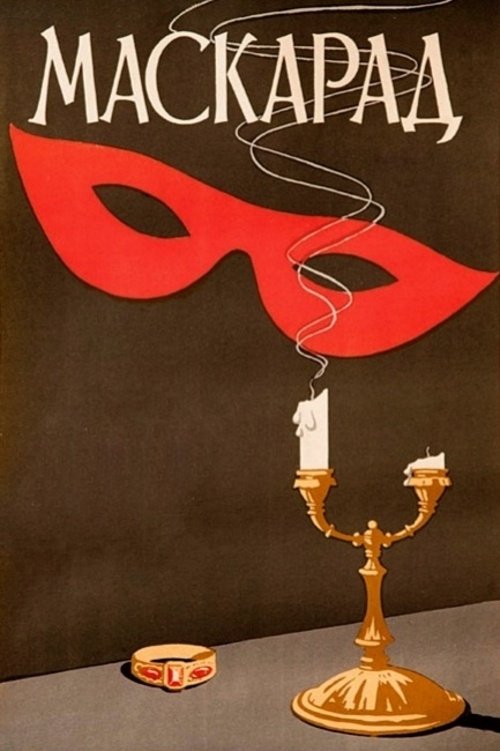
Taken from a Lermontov play, the story begins when beautiful Nina loses a bracelet during a masked ball. Another woman finds it and without revealing whose bracelet it belongs to, she gives it to an ardent Calvary officer admirer at the ball. This leads to deeper and deeper incisions upon the urbane social body of Tsarist Russia. A drama of pride, marital distrust, gambling, infidelity and humiliation twirls around the decaying corpse of a perverted social class.
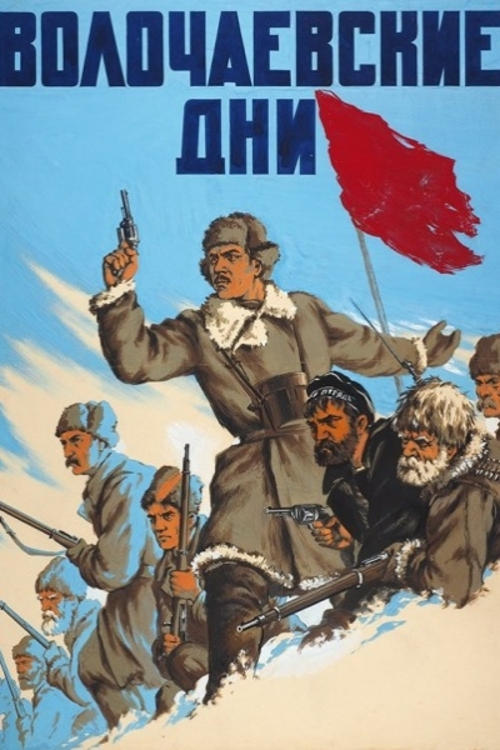
Japanese forces land in the port of Vladivostok during Russian civil war, supporting anti-communist forces, while local population joins Far Eastern Republic and partisans in the struggle against the intervention and White army.
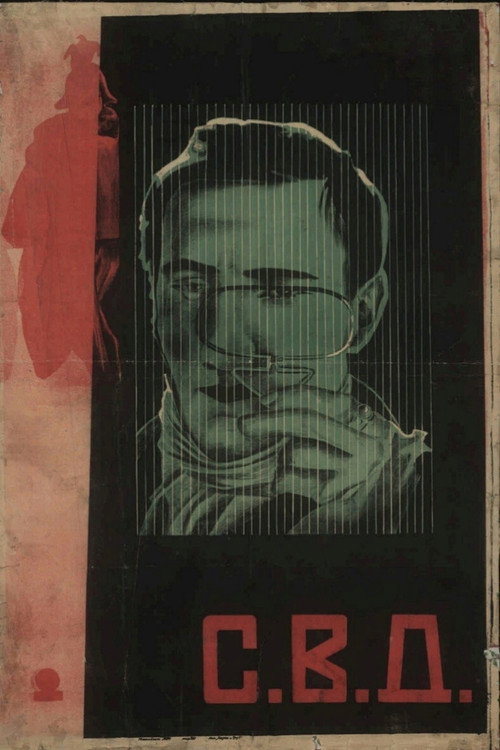
The film tells about the Decembrists’ revolt in the south of Russia. Right before the Decembrist Revolt 1825 a chevalier of fortune decides that it's time for a game. But on whom to make a bet? He asks the cards. But he's not the only one who makes the choice.