Nelson Rodrigues Filho
Production
Known For

"No one loves anyone for more than two years" is an adaptation of Nelson Rodrigues' work about five couples that live in Brazil in the early 60's, who are seen by the society as conventional people, but whose intimate lives turn out to be morally questionable.
No One Loves Anyone For More Than Two Years
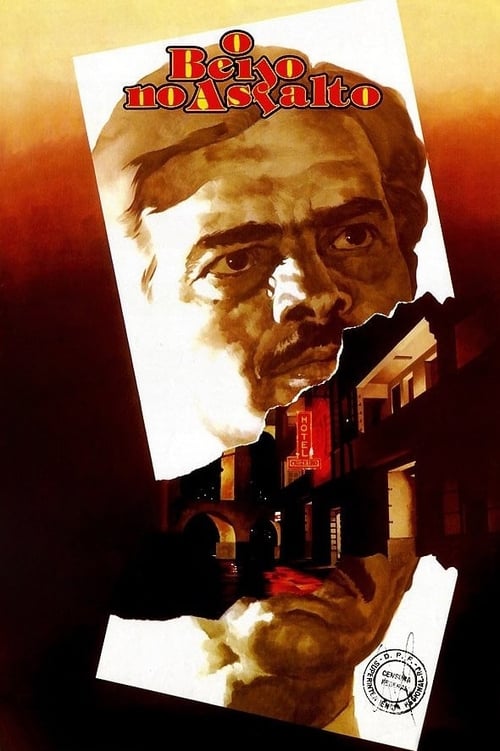
When a pedestrian is hit by a bus, the simple clerk Arandir runs and kisses the moribund in a gesture of sympathy and unconditional pure love. Opportunist photographer Amado Pinheiro witnesses the scene and sees the opportunity to sell newspaper and, together with the despicable and abusive chief of police Cunha, accuses Arandir of homosexuality.
The Kiss

Glorinha, a middle-class 15 year old girl, always thought her mother Judite had killed herself, and that her father Gilberto has gone crazy as result. Her friend Nair takes her to a high-class bordello, where she wants to work. When uncle Raul, who raised her, discovers her prostitution, he decides to finally tell her all the truth about her parents' story.
Perdoa-Me Por Me Traíres
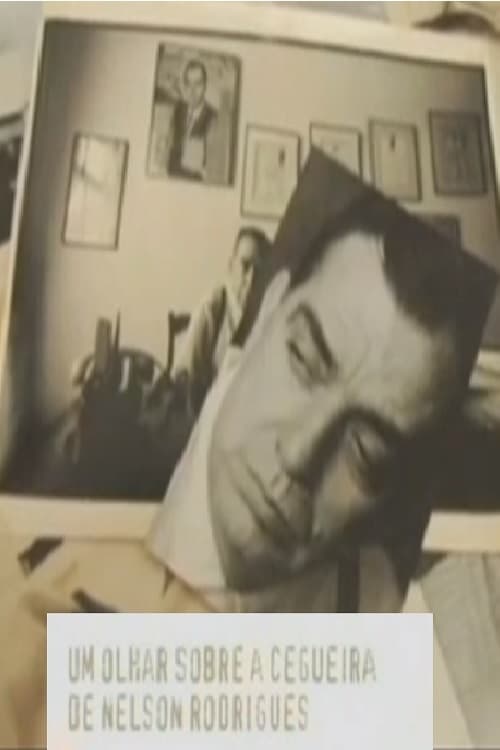
No description available.
Um olhar sobre a cegueira de Nelson Rodrigues
The dictator of a small Caribbean island receives the New York Times daily, sent by a nephew. Through the newspaper, he gets in touch with the world. Guerrilla groups try to neutralize this information system.
Tanga (Deu no New York Times?)
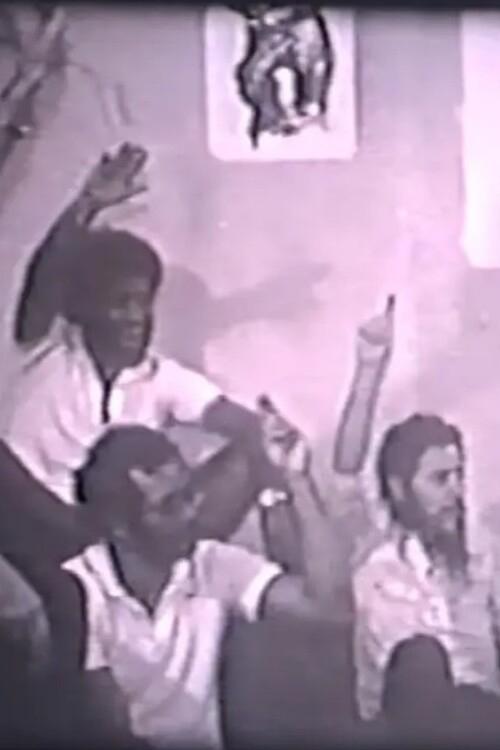
In August 1979, during the military dictatorship in Brazil, a hunger strike that began at the Frei Caneca prison in Rio de Janeiro spread across the country, demanding the expansion of the Amnesty Law, which initially did not intend to include political prisoners who had committed homicides. To document this moment and strengthen the strike, the prisoners conceived and clandestinely produced the short film "Água, Açúcar e Sal".