Acting
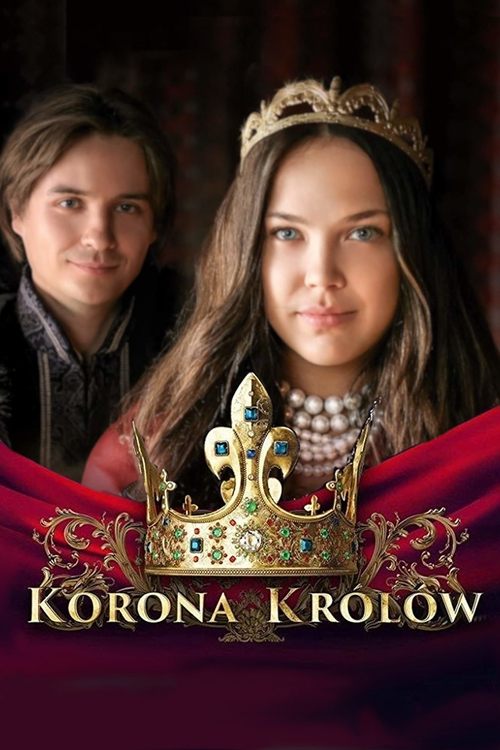
Piasts' reign is coming to end on Casimir the Great, who have no sons. Polish throne comes to Anjous. Thanks to the marriage of Saint Jadwiga of Poland with Lithuanian Grand Duke Jogaila, an alliance is made and a new dynasty - Jagiellons, who rule Poland for next two hundred years
A group of teenagers go on a school camp in the Blue Mountains in Australia. While at the camp, Paul Reynolds accidentally goes into a parallel universe. This other world is inhabited by a more hierarchic and technologically different society, ruled by a group of people known as Spellbinders.
No description available.
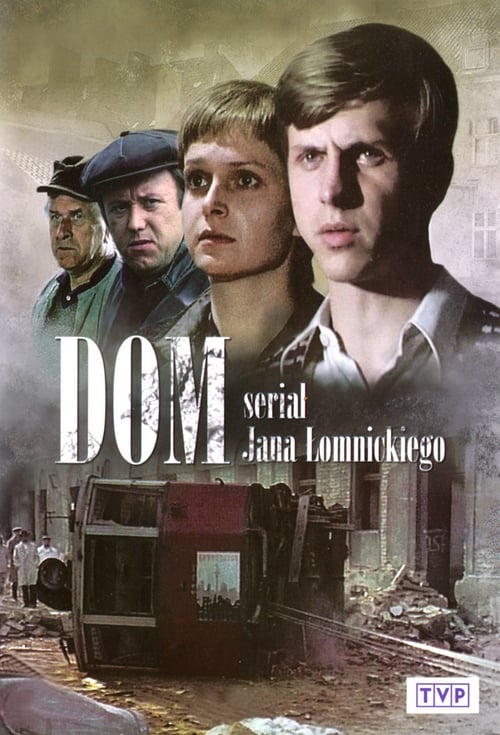
The story of the residents of a tenement house on Złota Street in Warsaw from 1945 to 1980.
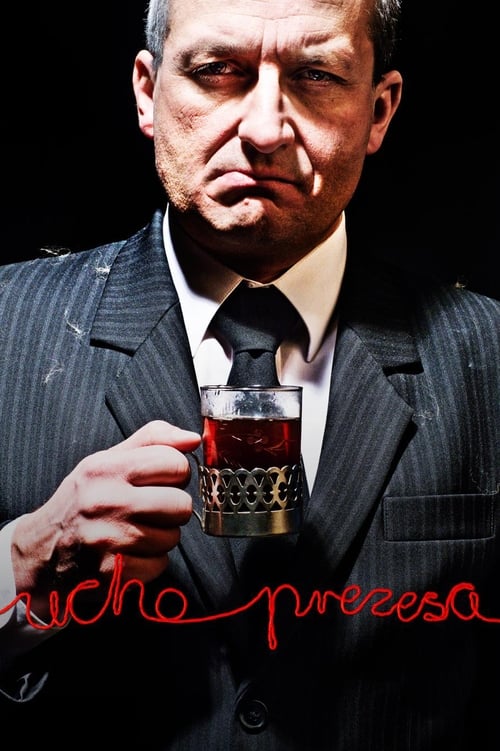
The series follows the chairman of the ruling political party in Poland (Mr Chairman). The narrative takes place primarily in his office where, joined by his assistant Mariusz, he hosts numerous visitors, including government officials and other public office holders.
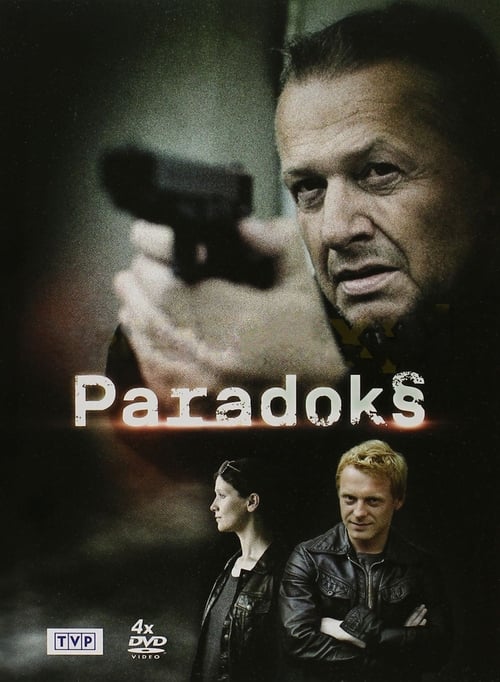
Three-year-old Nikola Szlezyngier disappears in unexplained circumstances and her parents Angelika and Dawid are the main suspects. Angelika contacts an old friend Joanna Chylka, a brilliant, cynical and successful lawyer to help. With her new apprentice Kordian, Joanna will try to bring the case to a happy close.
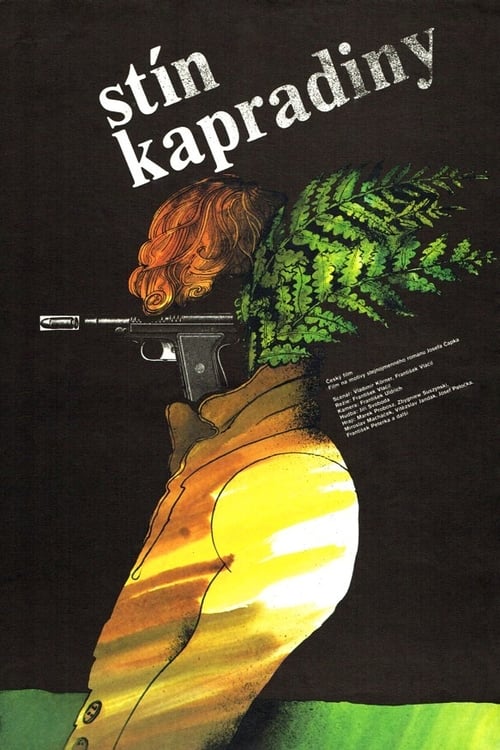
Based on the only extensive prose work by the surrealist painter Josef Capek, Shades of Fern most resembles the philosophical fairy tales and fables of Josef’s older brother, the legendary Czech novelist and playwright Karel Capek. Two young poachers, more boys than men, kill a gamekeeper when they are caught illegally hunting. Panicked, they retreat into a forest that grows steadily more forbidding and deadly as their fear for the future—and guilt over their action—mounts. Loosely based on hundreds of oral folk tales and legends that haunt the woods of Czechoslovakia, Vlácil’s contemporary updating artistically underscores the relationship between man and nature, crime and punishment, isolation and society, and guilt and memory.
A rock star with memory issues due to his alcoholism goes on a wild search to find his missing son.
In 1976 Sopot, Poland, three determined women navigate social and political changes as they strive to find independence, financial freedom and love.
Anthropology professor Michal develops two overwhelming obsessions. The first one is a mummified, 3,000 year-old, perfectly preserved body of a shaman he and his colleagues have recently dragged out of a swamp. The second is an enigmatic student he meets by chance at a railway station.
Ekipa is a Polish political drama TV series created and directed by Agnieszka Holland, aired from 13 September 2007 until 6 December 2007 on Polsat. Ekipa is the second Polish political fiction series after the 1980s miniseries The Career of Nicodemus Dyzma.
Portraying the events that have taken place in Polish politics in recent years.
A bright, young officer joins General Police Headquarters to investigate one of its lead inspectors and the criminal cases he's working on.
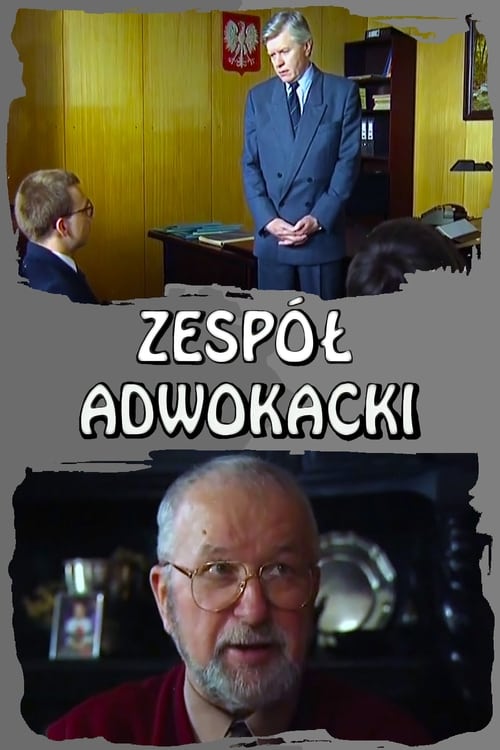
A story about the professional and personal struggles of the lawyers at a law firm in a town near Warsaw. In their work, they encounter a wide range of human problems, while often dealing with complicated family lives of their own.
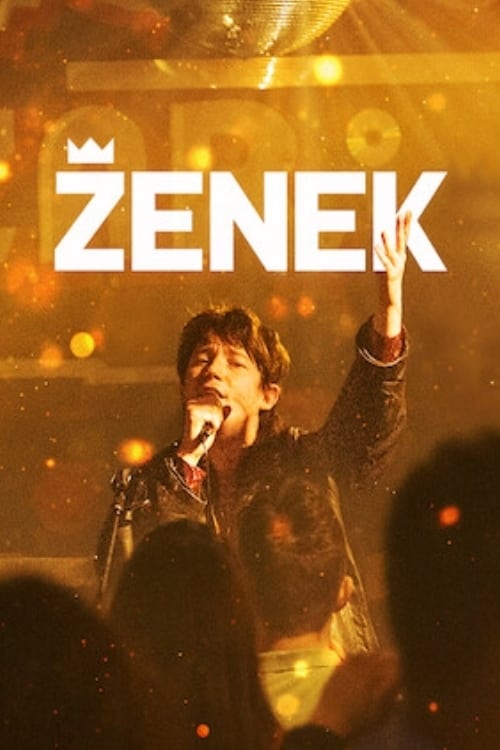
A story about a boy from a Podlachian village, who realises his biggest dream - to sing and cheer people up. With his obstinacy, hard work and many sacrifices, he achieved his goal.
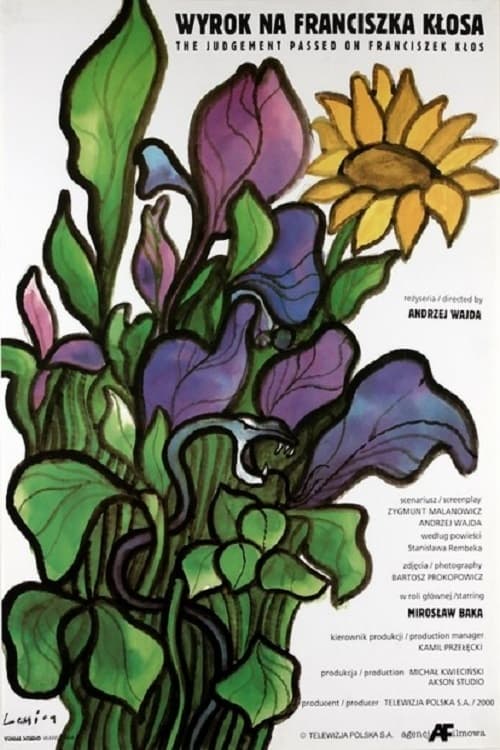
During the German occupation of a small Polish town, Franciszek Kłos, a lowly local policeman, will stop at nothing to become a Volksdeutsche. Eager to prove his loyalty, he zealously carries out the occupiers' orders. What begins as administrative compliance soon escalates when he commits his first murder of a fellow Pole. Condemned to death by the Polish underground, Kłos outwardly shrugs off the sentence while quietly drowning his growing fear in alcohol. As his inhibitions crumble, he descends deeper into violence—participating in the roundup and execution of hidden Jews, and earning a reputation for brutality even among the SS.
The year is 1989, and the country's first free elections in a long time are approaching. A man in a cycling cap organizes a chain of clean hands, using it as a tool in his election campaign. In the queue outside the passport office, people chat, make plans, and ponder what's worth selling abroad. Writers observe the world around them. One of them is applying for a passport. In Dzierżyński Square, the monument to Feliks Edmundowicz is being dismantled. Two drunk men sleep on a bench, and behind them is a sign reading: "All is well." The two writers observe the ongoing transformation of the political system.