Acting
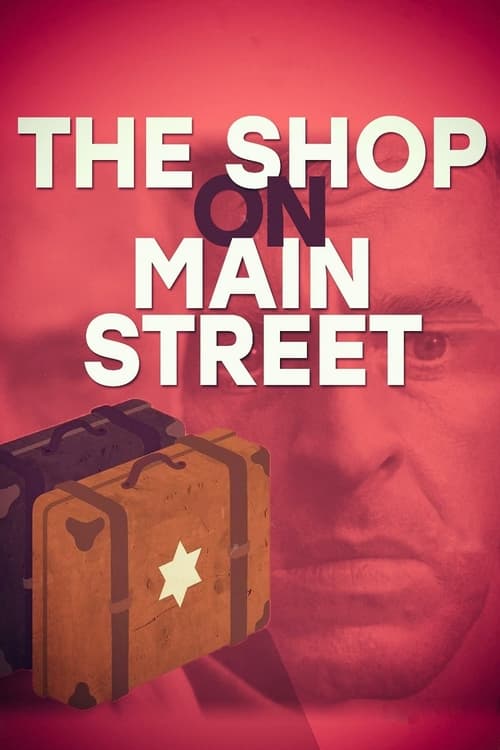
In a small town in Nazi-occupied Slovakia during World War II, decent but timid carpenter Tono is named "Aryan comptroller" of a button store owned by an old Jewish widow, Rozalie. Since the post comes with a salary and standing in the town's corrupt hierarchy, Tono wrestles with greed and guilt as he and Rozalie gradually befriend each other. When the authorities order all Jews in town to be rounded up, Tono faces a moral dilemma unlike any he's known before.
No description available.
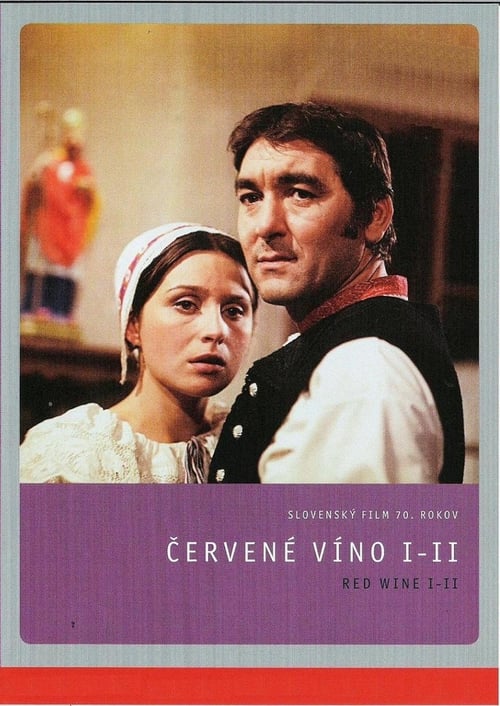
An epic saga of the Habdza family of vineyard keepers set in western Slovakian countryside at the beginning of the 20th century. Director Andrej Lettrich's novel adaptation talks of plotting, forbidden love. family discord, and struggle for heritage and power. The story is engaging thanks to the impressive performances of popular actors, dramatic situations, and sensitive music. Red Wine is not so much inventive in terms of auteurship as it is a work of excellent craftsmanship. The resulting picture is a costume production neatly adapted to the character of Slovak rural life in the past.
An apocalyptic story of three wars in three film tales encompassing the end of the WWI,WWII, as well as a vision of the world destroyed by nuclear weapons. This film was honored at the film festivals in Venice and Sorrento. Immediately after that the copy with Italian subtitles was locked in a safe as evidence of the anti-communist activities of the director, who used real footage of the Soviet invasion.
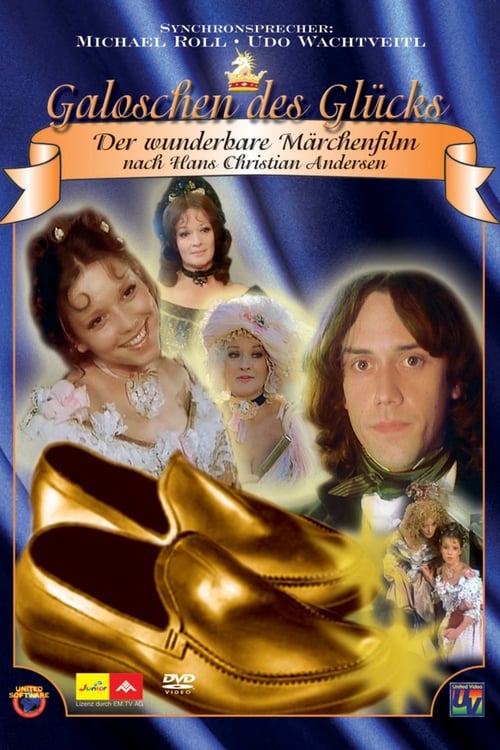
The Slippers of Happiness is another film made by the Slovak Film Production in co-production with West German companies based on classic world fairy tales. After Slovak folk tales [The Greatest Peck in the World, Salt Over Gold] and the works of German fairy tale writers Wilhelm Hauff [The False Prince] and the Brothers Grimm [The Land of the Thrush's Beard, Perinbaba], screenwriter Alex Koenigsmark and director Juraj Herz were inspired by the famous fairy tale by Hans Christian Andersen. It tells the story of slippers that the Fairy of Fortune enchanted so that they would fulfill every human wish and thus bring people happiness. The filmmakers humorously transferred the plot from Copenhagen to old Prague.
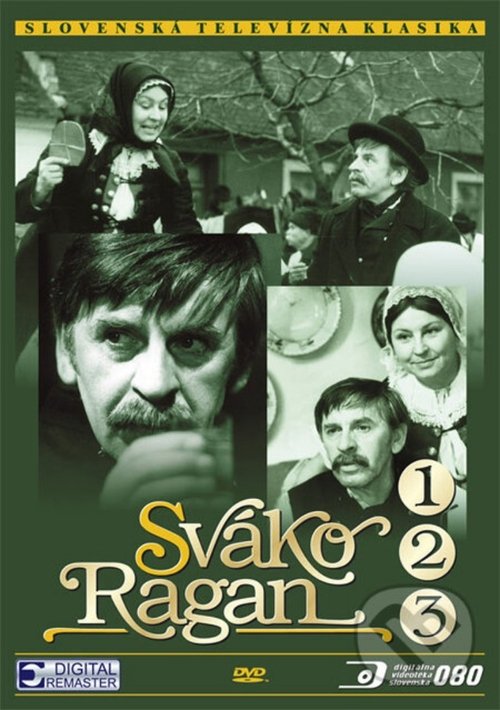
Resourceful tanner Sváko Ragan travels Myjava’s fairs and markets, using wit and dialect to spin both wins and misadventures into profit.
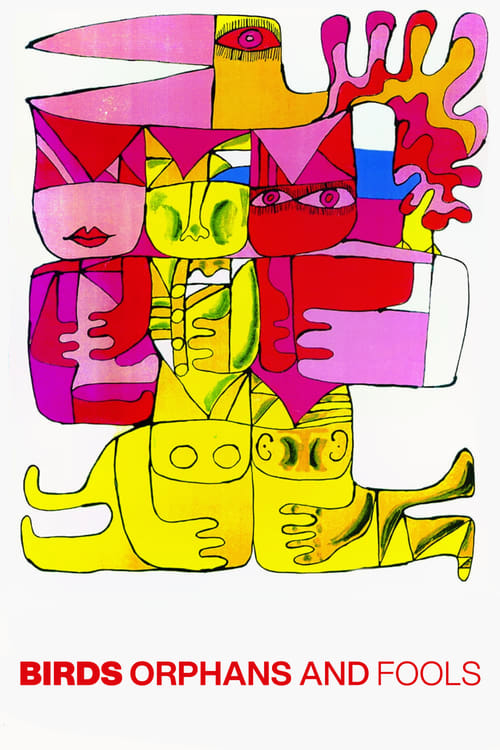
In the aftermath of war, two men and a woman begin acting more like children than adults, leading to tragedy.
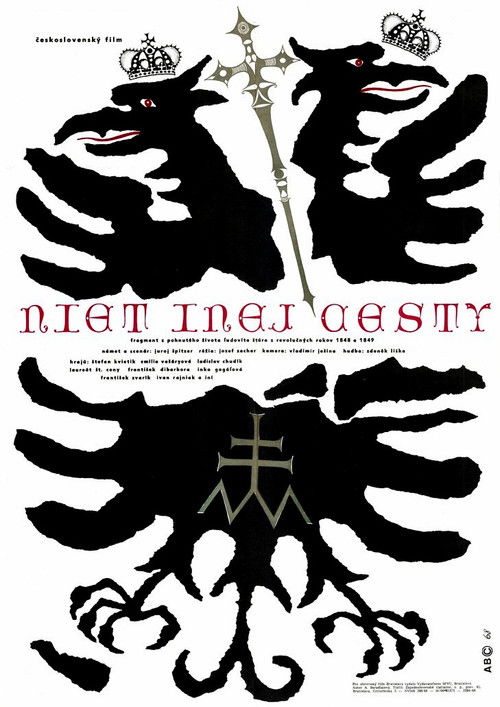
A biographical film about the Slovak nationalist Ľudovít Štúr. It captures the revolutionary events of 1848 in Austria-Hungary, when Štúr, as a member of the Diet, led the fight for the national rights of the Slovak people.
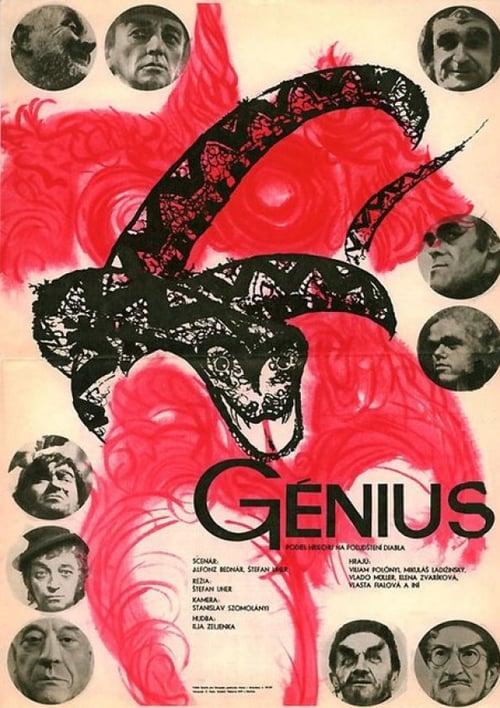
A metaphorical story about the conflict of human reason and ideals with the dehumanizing mechanism of social institutions. A satire criticizing the negative relations between people, condemning the evils of human characters and the resulting qualities - pride, envy, malicious gloating, hatred and mammonism.
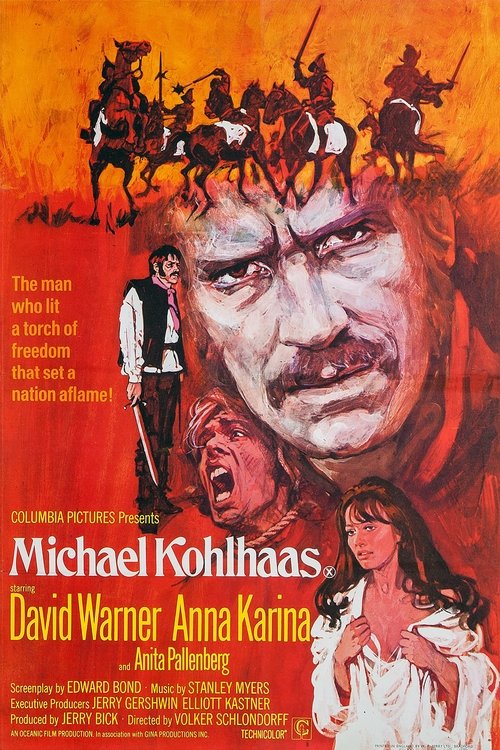
In medieval times, a horse merchant is forced by a noble to leave part of his stock as payment for crossing his land. Upon returning, he finds his horses near death, and when the noble refuses to compensate him, the merchant fights unsuccessfully against the injustice.
The plot takes place in the revolutionary year of 1848. It takes us to Príbelice, where Janko Kráľ returns from Pest after the March Revolution, to acquaint the Slovak people with the famous Twelve Points, together with his friend, teacher Ján Rotarides. They were voted on at the last Hungarian Diet in Bratislava with the promise of freedom and equality for Slovaks.
Slovak partisans, bravely fighting against Nazi superiority, would never have succeeded to such an extent if they had not been supported by the villagers. Despite the threat of repression, it is the villagers who care for the wounded, hide them, and behave conscientiously. Although the film was made in the late 1960s, it fully adopts the patterns of partisan stories, perhaps the only thing it can be credited with is a more developed sense of authenticity in the story, characters, and setting.
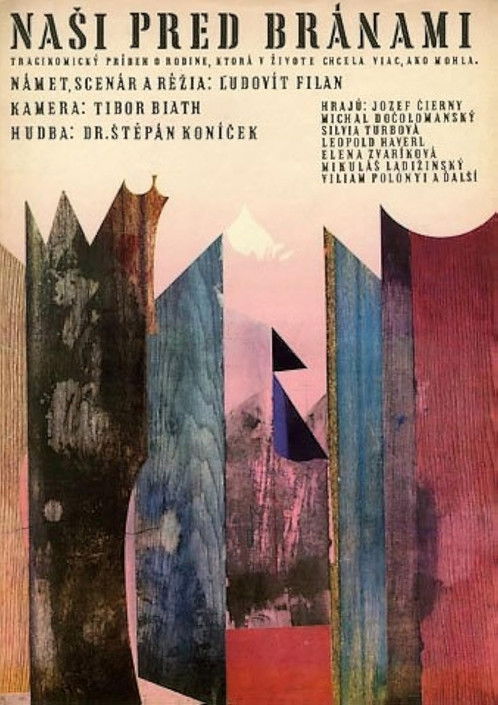
A tragicomedy about people who are able to make use of the war situation for their own benefit. The Gavora family of four leave their secure village home blinded by the vision of a big career and easy earning of money in the capital city.
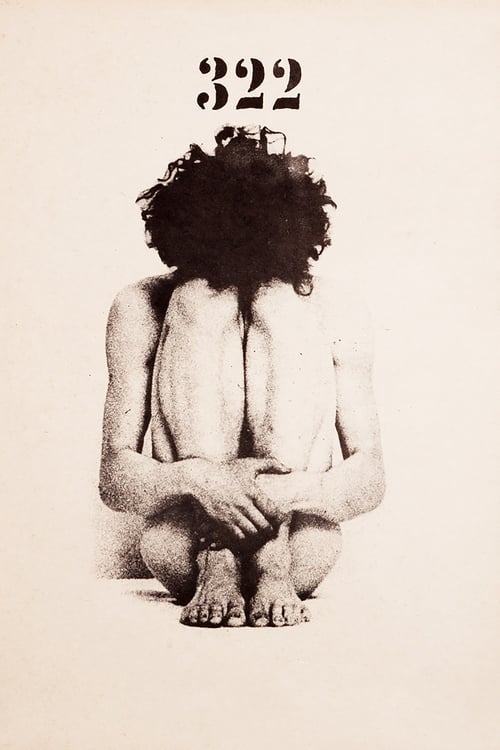
A story of a man threatened by a fatal illness evaluating his life (the number 322 in the film title stands for the diagnosis of one kind of cancer). He understands his illness as a form of punishment for his cruel deeds in the 1950s. In the face of reality and his efforts to cleanse himself he hits a barrier of indifference, lack of interest, and individual and collective selfishness. He has to find his own reconciliation with his illness and his past and present life.
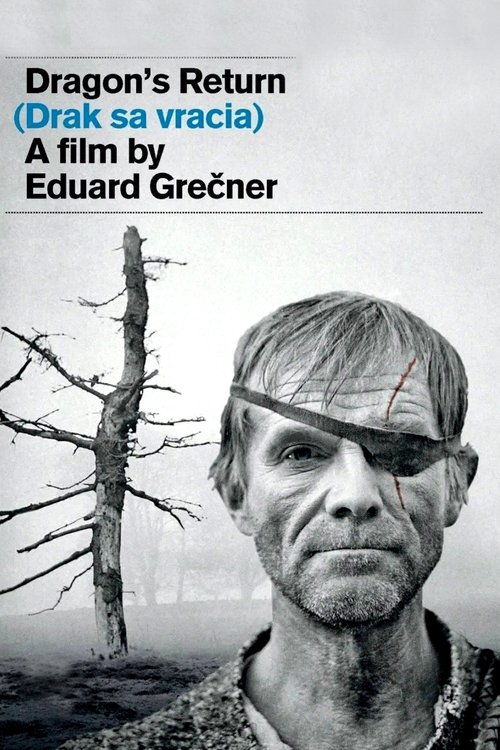
This is a ballad about love, hate, and a search for a way out of loneliness. It is a dramatic story about the strange potter, Martin Leaps, nicknamed Dragon, who is suspected by the villagers as the cause of natural disasters. He lost his wife, his home, and his freedom due to false accusations. After years he returns to his native village. Putting his own life to risk, he saves a herd of cows from a forest fire in the hills. But not even this heroic deed helps him to win back the friendship of the locals.
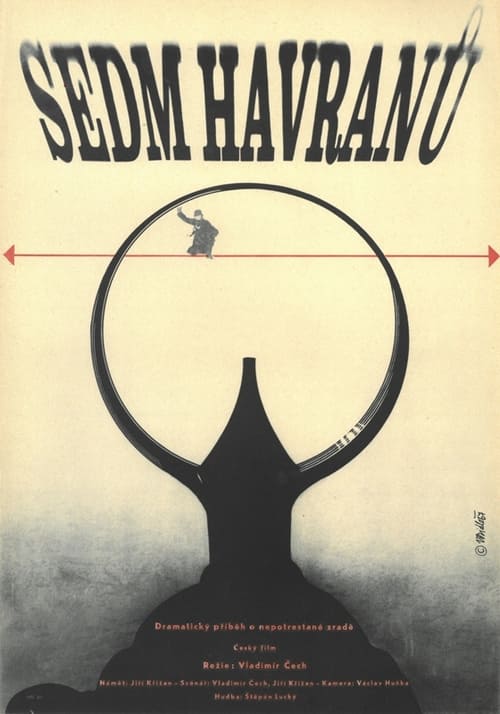
In the bleak autumn mountains of the Beskydy Mountains, a dramatic story set in the wartime November 1944 takes place. Seven refugees join forces with partisans, but during a joint sabotage operation - blowing up a bridge - they discover they have a traitor in their midst. Brought to the mountains by a variety of motivations, the men suspect each other while fighting for their lives with an advancing German detachment armed to the teeth...
The film captures the new events in the lives of the main characters of the film "The Copper Tower". After two years spent in prison because of smuggling they return to the Stratená dolina valley and plan a revenge on police lieutenant Pardek.