Acting
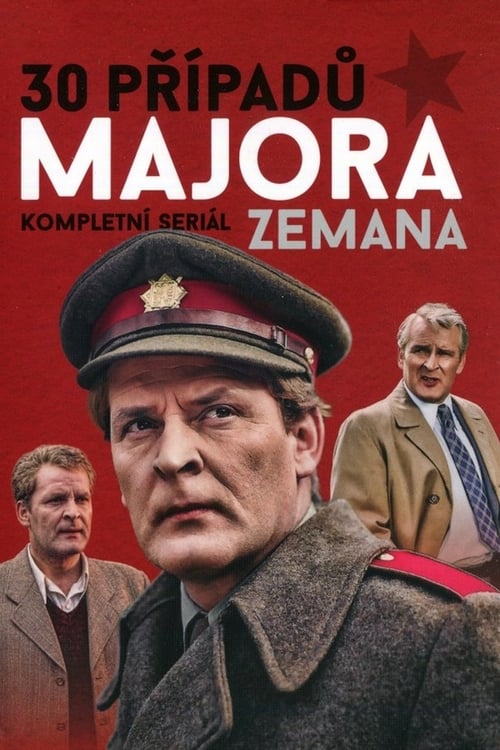
Thirty Cases of Major Zeman is a Czechoslovak action-drama television show intended as a political propaganda to support the official attitude of the communist party. The series were filmed in the 1970s. Each episode encompasses one year, and investigations are stylized to that year. Most are inspired by real cases. The series follows the life of police investigator Jan Zeman during his career from 1945 to 1975.
A group of outcasts, including a vagabond and a prostitute, gather at the outskirts of the industrial area of a large Czech city, one of the things that helps some of them survive is alcohol.
No description available.
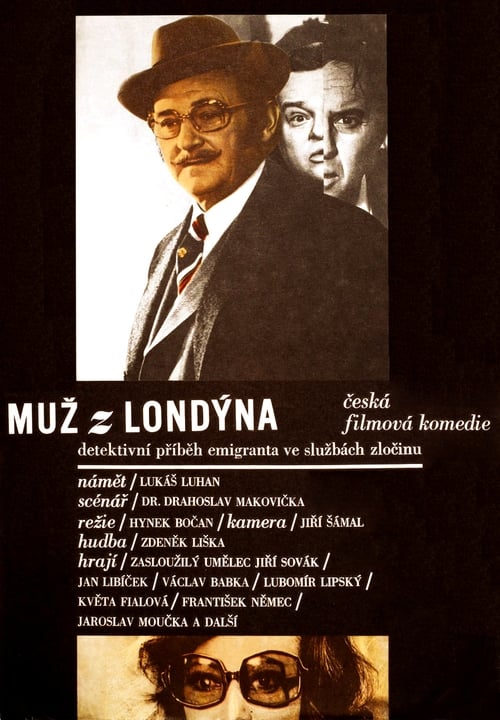
A British citizen by the name of George Reiner (Jirí Sovák) arrives at Prague airport. He was once a Czech safe-breaker, and has now returned home after thirty years to steal twenty-dollar gold coins still kept in the safe at a private villa in Pilsen whose owner fled to the West.
During World War II, a German university professor creates a spy ring that supplies the Allies with information about Nazi plans...
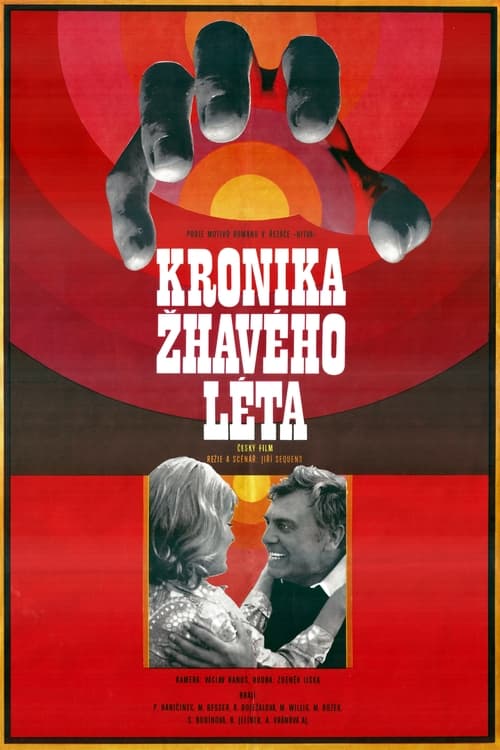
A broadly drawn ideological epic set in the summer of 1947 in the borderlands of northern Bohemia: reactionary elements plot to undermine postwar social change while committed local communists struggle to organize workers and defend the emerging order. The narrative follows several archetypal figures—steadfast party activists, wary peasants, and obstructive reactionaries—whose clashes illustrate the claimed inevitability of working-class victory under communist leadership.
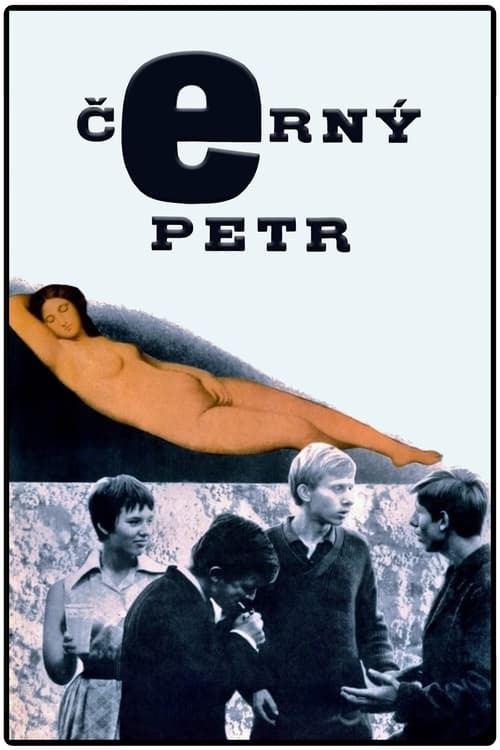
A few days in the life of a Czechoslovak teenager when he starts work.
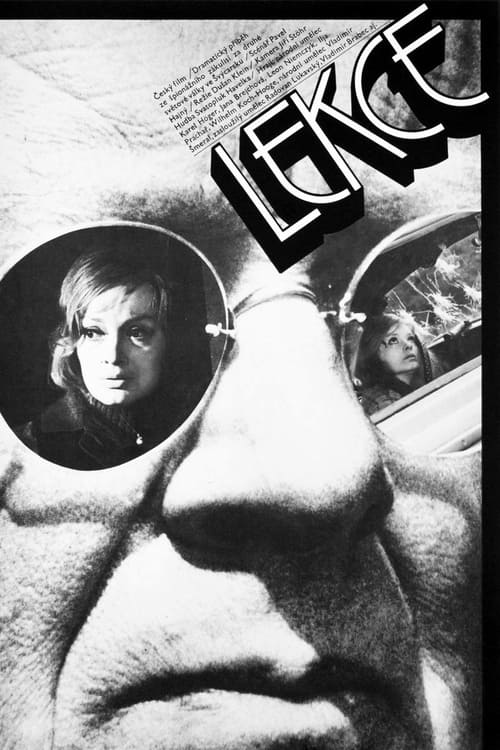
A new teacher with high standards and a strong sense of duty replaces an easy grader. Once bad grades begin to pile up, a product of his predecessor's subservience to the system, the new teacher has to stand up for himself and his students.
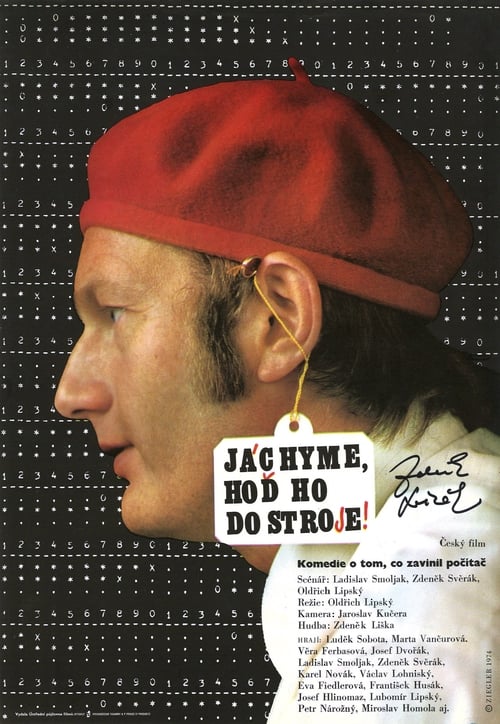
A sincere provincial young man, Frantisek Koudelka leaves to work in Prague. For the trip he buys a computer made horoscope with biorhythms charts, marked according to his date of birth, there are trappy, precarious, unsuccessful and even critical days and few successful days. The clumsy luckless person Frantisek has finally a guidance for his life.
In 1965, the experienced director Jaroslav Mach made a documentary film with staged scenes, which dealt with the current problems of popular Czech sport. Behind the scenes of football, the playmakers looked through slavoje's team, which is preparing for the decisive match. If Coach Ram doesn't force his boys to perform convincingly, they're in danger of relegation to league two. After a series of dramatic peripeteias, Slavoj takes the field so weakened that he is caught up in the dreaded failure. Fortunately, the club's fans will eventually take their anger out on the loss of "their" team to an innocent referee. The film also features criticism of officials... In addition to actors Martin Růžek and Bohumil Šmída, Machov's film appeared real footballers Dukla and period sports stars (e.g. František Plánička).
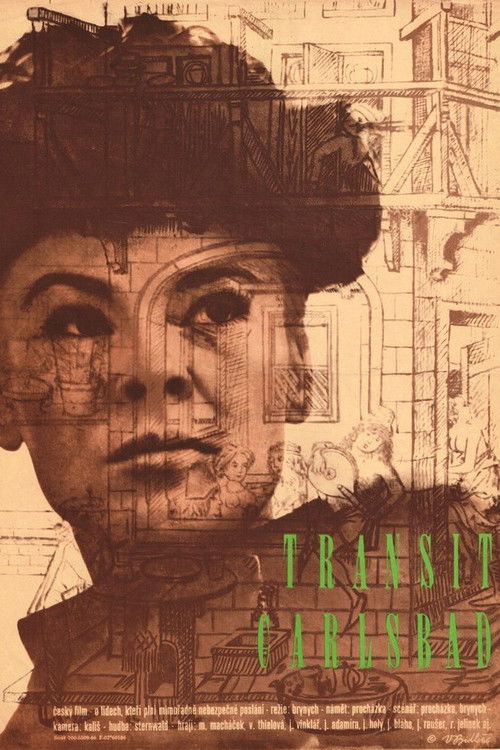
Several foreign agents are interested in a famous Austrian scientist, the discoverer of an artificial protein. The endangered man never notices the trouble around him. His protection was entrusted to the mysterious Madame Elizabeth, amongst agents famed as the ' 006, in fact, working for State Security...
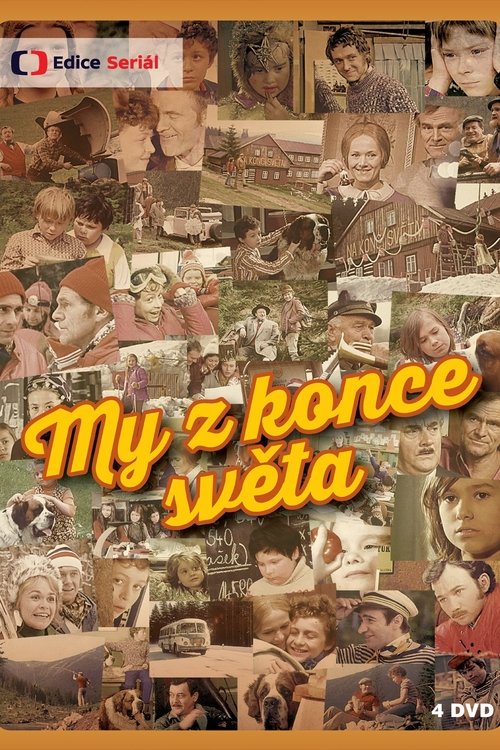
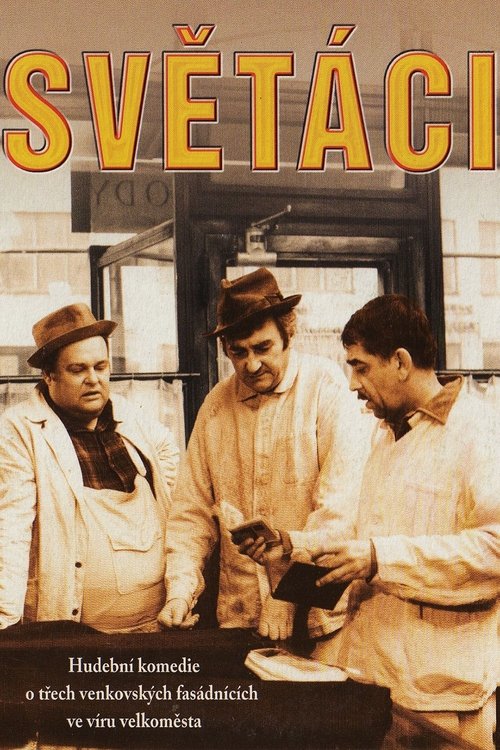
Two families live in a weaver's cottage - the Menecs and the Hroms. The women are pretty from the start. Musicians come, inviting fellow weavers who play in Menec's band to the May Day festival. Wanderers wander through the region, encountering a procession on their way. The police disperse it, so the men, who have various professions, join the wanderers. They wander around the world until they reach a tavern, where they get food and a bed. An old spinning wheeler composes a song at the request of one wanderer, inviting everyone to a "wanderer's convention". And so they get together and play together...
Oldřich Daňek's play tells a love story from our ancient times about the beautiful convent inmate Jitka and the brave Břetislav, the son of the Bohemian prince Oldřich and the simple laundress Božena. This witty apocryphal uses semi-historical, semi-legendary material in a modern way.
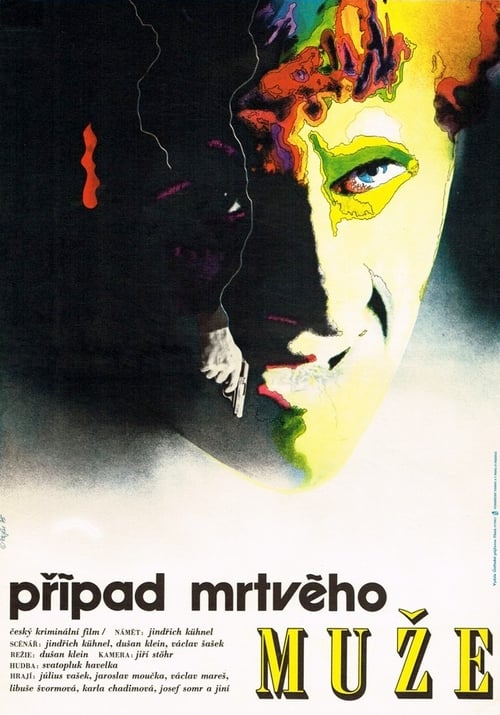
In 1955, a detained agent feigns loss of memory, speech and hearing. According to his written statements, his name is Karel Neumann and he was born in Radhost...
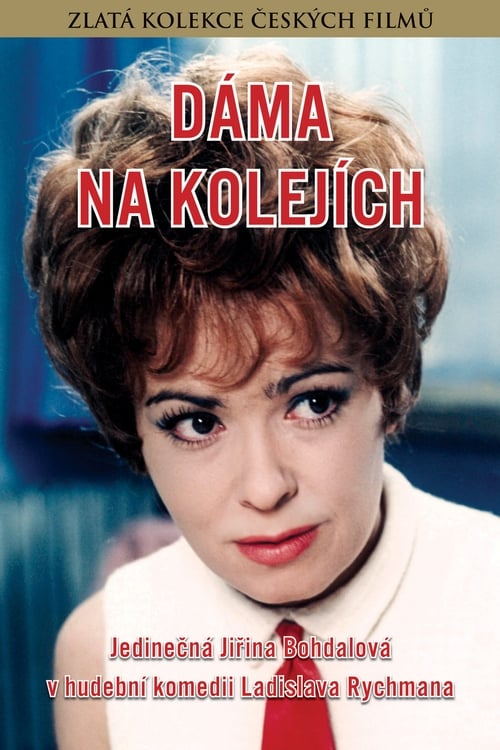
Tram driver Marie has far too much to do after her shift is over. But she likes to do it all since she loves her husband Václav sincerely. One day she spots him on the Lesser Town Square in Prague, kissing an attractive blonde good-bye. It seems to Marie that her small comfortable world has collapsed and she walks out of the tram in tears. But her sadness does not last long. She wipes off the tears and begins to act. She withdraws all the money from their savings books and buys off all the latest models from the Fashion Works. The visit to the beauty salon then completes her transformation into a lady.