Camera
Women's civil defense activities, especially in case of gas attacks.
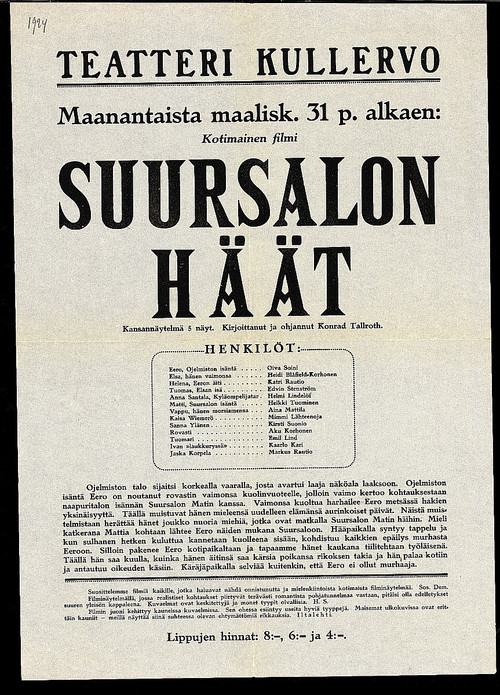
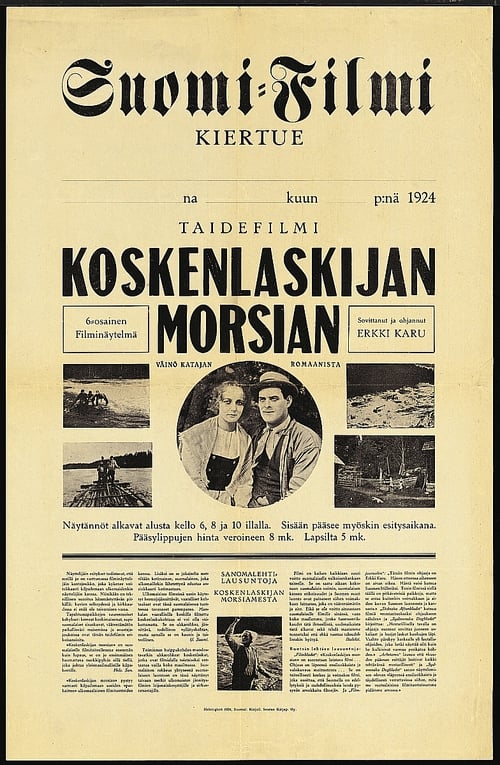
A couple move to an isolated house where – according to local legend – an ancient curse is rumoured to assail its inhabitants. Based on the novel by Väino Kataja (1914).
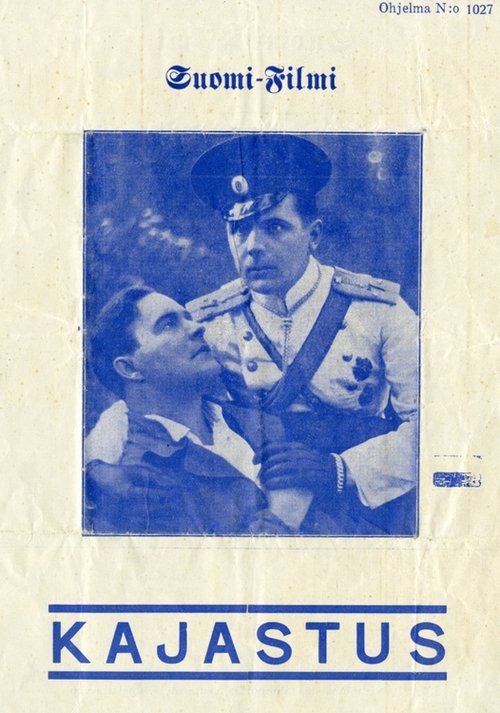
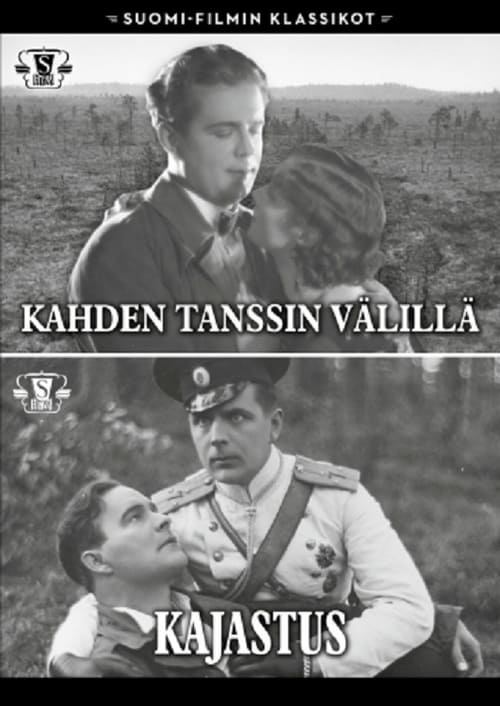
In northern Finland in the fall of 1916, Saima Niva rescues a man drifting in the river, who turns out to be a German lieutenant Braun. Braun and his six comrades have managed to escape the prisoner of war at the Muurmann railway station, but the lieutenant has had to get rid of the lost group. While Braun is recovering, under the good care of Saima, Niva's neighbor and henchman of the gendarmes, the greedy policeman Simpura, gets a tip about the refugees camped in the desert.
The heavily indebted baron Henrik von Hagen, who loves women and partying, learns that his former lover, Russian ballerina Madame Vera Vasiljevna, will be visiting Finland. They are reunited and sparks fly. But Vasiljevna's new hobby casts a shadow over their romance.
“Tukkijoella” (Log River – 1928). Films of this genre gave the Finnish cinema and the viewing public one of its most popular characters – the lumberjack (tukkijatka, tukkipoika, tukkilainen) who at his most heroic hour becomes the log-roller or the shooter of rapids (koskenlaskija). The significance of this character in Finnish film is comparable to that of the Cowboy on American cinema. He is the pioneer, the wanderer, the adventurer. He negotiates the frontier, he is an embodiment of the conflict between wilderness and civilization.
When the general manager of the factory, Lumiala returns from his travels, he learns that his wife Anna has hired a young man named Oras as an office assistant. Anna, who feels Oras is the fruit of his youthful sin, is ready to defend the boy despite his family's petitions and Ora's crimes. Ora's girlfriend Pansy also tries to keep him on the right track.
Erkki Karu's comedy The Poet Moves (1927) was completed as a companion piece to the film The Changeling (1927). The homeless poet Eero Keso (Ossi Korhonen) takes up residence with the gentleman Tuisku (Uuno Laakso, Glory Leppänen). In order to get money from his rich uncle Joroinen (Heikki Välisalmi), the poet has written that he has married and had a son, but in reality the money his uncle sent has been spent on the party. The uncle is coming to Helsinki and expects to meet the poet's heir and wife, whom Mrs. Tuisku's scheming sister Liisa (Birgit Sergelius) promises to introduce.
The story, set in the 19th century, revolves around the hot-blooded Jussi, a young farmer, and his friend Antti and their brushes with the local nimismies (sheriff) and the häjyt (badmen). The film, shot on location on the plains of Ostrobothnia, conveys a good sense of its unique landscape. Both Järviluoma and the director, Jalmari Lahdensuo were from Ostrobothnia and the film successfully expresses a feeling of the true spirit of the province.
A historical drama depicting the Finnish struggle against Tsarist Russia. Opens at the Winter Palace in St. Petersburg in February 1899. Tsar Nicholas II signs the February Manifesto, the purpose of which is to abolish Finnish self-government. An act that arouse widespread opposition in Finland.
Forester Antti Kare and manager John Freyberg travel north in search of millions worth of timber sales. The manager's giddy daughter Margit also secretly joins the journey.
The silent comedy The Engagement of a Student in the Oak Tree (1920) is the first film by producer-director-screenwriter Erkki Karu. It has survived in parts, but there is no more detailed information about its plot. The film was filmed in Tampere and Teisko in the summer of 1919, as was its parallel work Sotagulashi Kaiun järitty kesäloma (1920).
A suitor arrives at Kaiku's house, who has mistaken both the house and the person, and causes a series of commotions
The Drakenhjelm family has lived in the Rautakylä manor for over 150 years. The current master of the house, elderly baron Magnus, has been living for a long time in an unregistered relationship with his housekeeper Lisette, with whom he also has a son, Sebastian. After the baron falls gravely ill Lisette starts getting worried about losing everything, so with Sebastian on her side she demands the baron to write a letter to the pastor and ask him to come over to perform a wedding ceremony. Right after Sebastian has left to fetch the pastor, a threesome seeking shelter from the storm comes to the manor and wreaks havoc on the marriage plans.
Fisherman Eerik Storm is in danger of losing his home and agrees to get money to be piloted by smugglers. When the customs officers surprise the smugglers, a chase and a firefight ensue, in which the customs officers are confronted with water.
After Matti is stabbed to death at his own wedding, Eero of Ojelmiston becomes a suspect, presumed to have avenged his recently deceased wife. Eero escapes with the help of a court judge but surrenders after his mother gets into trouble. At the courthouse, the priest admits that Vieremä Jaska confessed to the crime on his deathbed. The film has survived, but without subtitles.
Engineering student Petteri and retired captain Jere Renkonen arrive in Terijoki as guests of architect Matti Marras at the villa he has rented. In the midst of everything, the owner of the villa, Russian émigré prince Asatiánts, arrives with his niece Darja. Petteri eavesdrops and learns that the prince is expecting a "man from Marseille" at the villa. This man is supposed to take a secret document hidden in a large cabinet in the hall across the border to Moscow, containing information about the hiding place of the prince's family jewels.
In the small village of Nuottaniemi live Iisakki and his daughter Hanna. Iisakki bears a grudge against Heikki, blaming him for the death of his son in a timber rafting accident. To make things worse, Heikki's son Juhani wants to marry Hanna but she only has eyes for the lumberjack Antti.
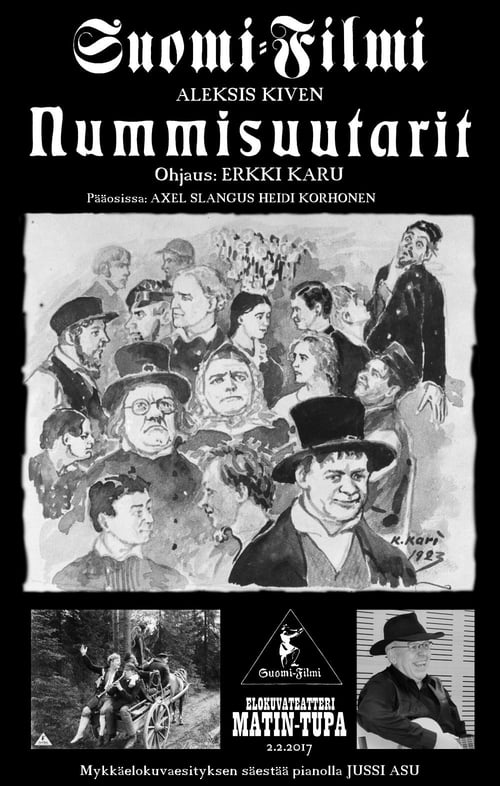
Rural comedy of the intrigues and stratagems involving a country wedding. From a comedy by Alexis Kivi.
Martti Vaara, secondary school graduate gets monetary help from his rich uncle under the pretense to get married and have kids. When the uncle unexpectedly arrives to look at the little one, Martti persuades his friends to get involved on the hoax.
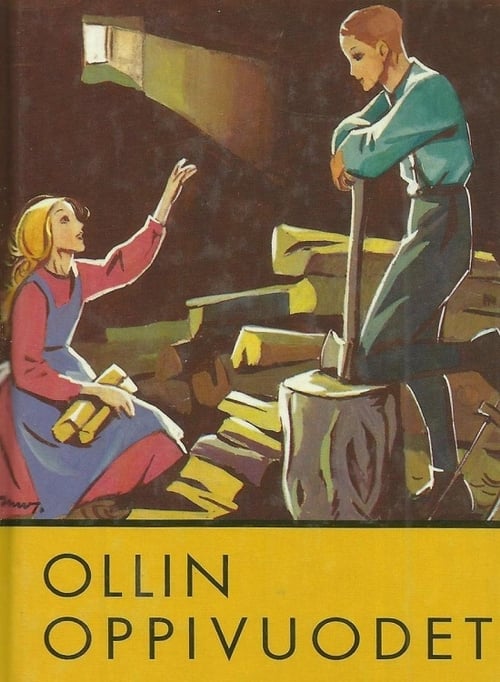
Olli, the spoiled young heir of the Koivumäki manor, is separated from his family and brought to Sweden by his cousin. After running away to Finland, he ends up in an educational institution, from where he escapes with the help of his friend Ränni Pelle and returns to his parents.