Directing
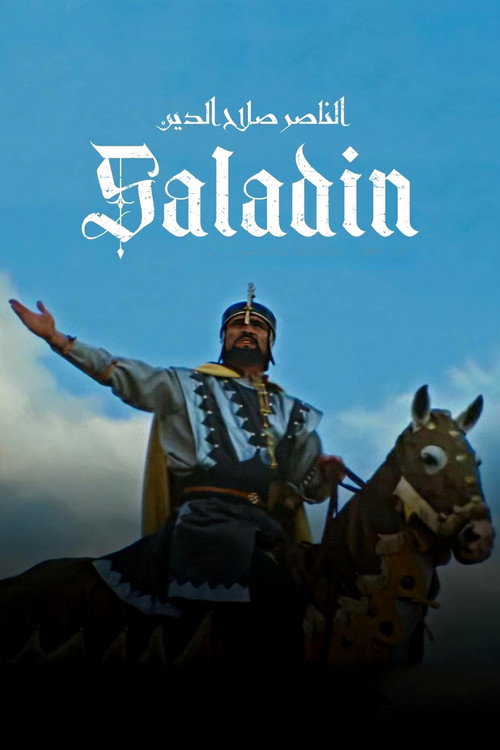
The first Sultan of Egypt and Syria leads the Muslim military campaign against the invading Christians from Europe during the Third Crusade.
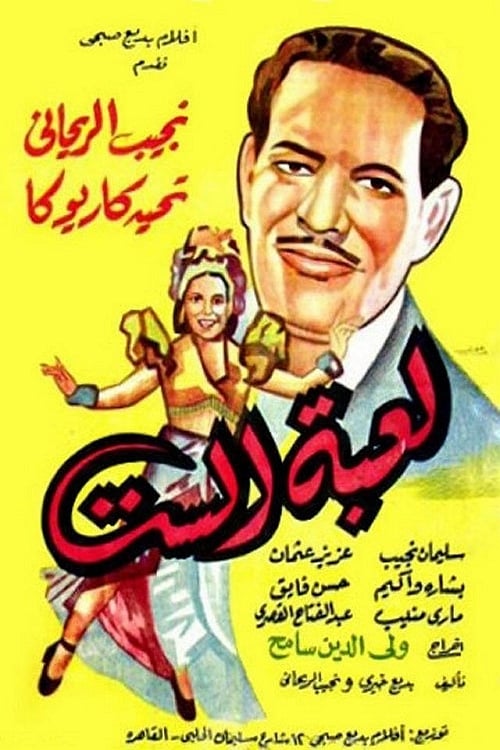
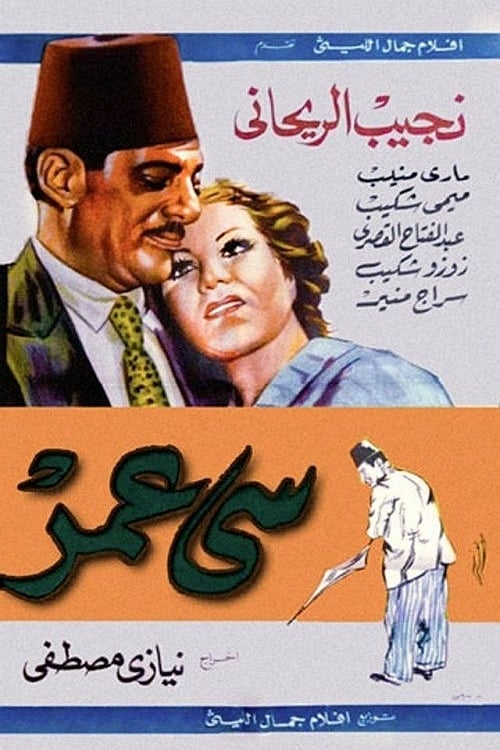
The film takes place in Cairo during the Second World War, where Hassan Abu Tabq (Naguib Al-Rihani) meets the girl Laybeh (Tahiya Karioca), and feelings of love develop between them while Hassan struggles, and things change little by little when a game comes in front of you with a great opportunity to portray a movie star. .
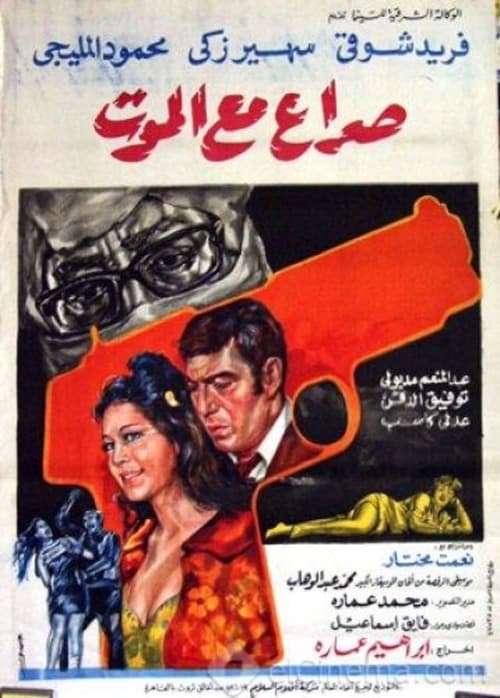
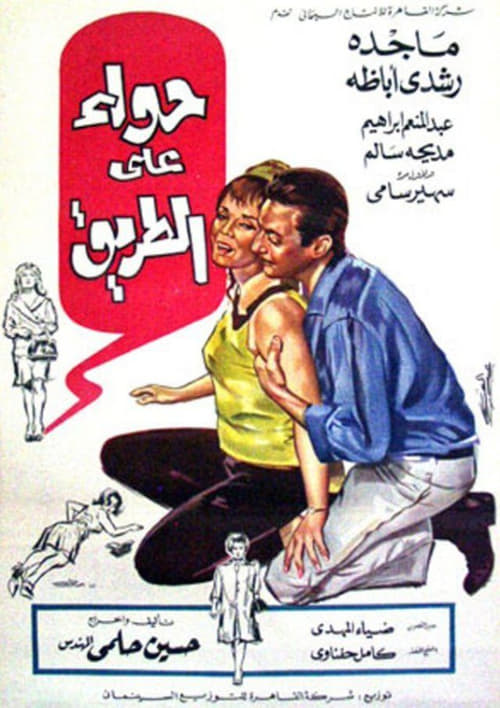
Three people ( a police officer, a dancer, and a soccer player) have an accident across the desert road. They're taken to the hospital in critical condition. The doctors are able to rescue them by transplanting them new hearts. The police officer has the heart of a pickpocket and the dancer has the heart of a wrestler.
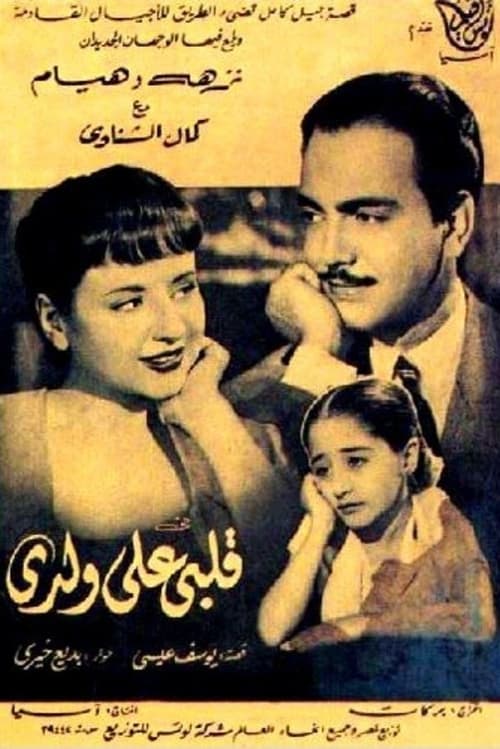
A young employee prepares to travel to Alexandria to work as a singer in one of its clubs, but his friends take him to Ras El Bar, and in the summer resort he meets a young woman who made him stop traveling, as he caught a cold while trying to save her from drowning. She had pretended that she was about to drown, and a very fast love developed between them. And her uncle sees them.
A Mamluk Sultan wants to wed his niece, Princess Najma, to his heir Antar, but the princess refuses so the Sultan forces her to marry the young prisoner, Hilal. When a terrorist plot to kill Prince Antar fails, the terrorists decide to use Hilal to get to Antar.
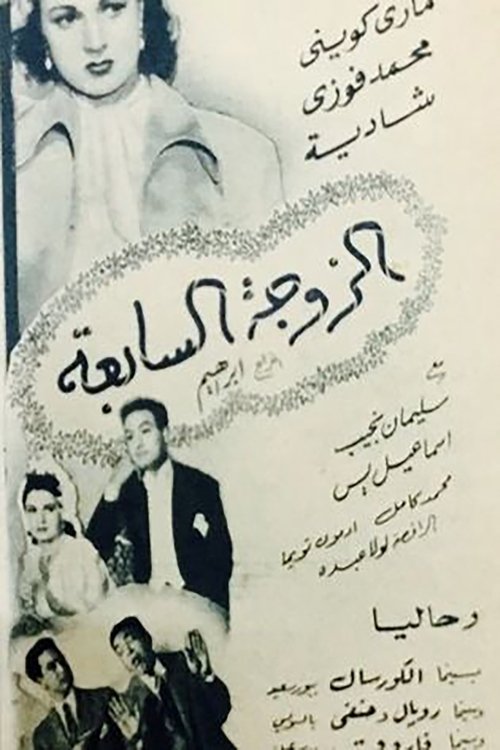
Wahid (Mohammad Fawzi) married a woman for one year in the hope of having a child. That she married the seventh wife in his life, and she believes that she is the first. When she learns that she is the seventh wife, she feels cheated, but she hesitates to secede, so that her marriage is not an obstacle to her younger sister Suad's marriage, His only love for her.
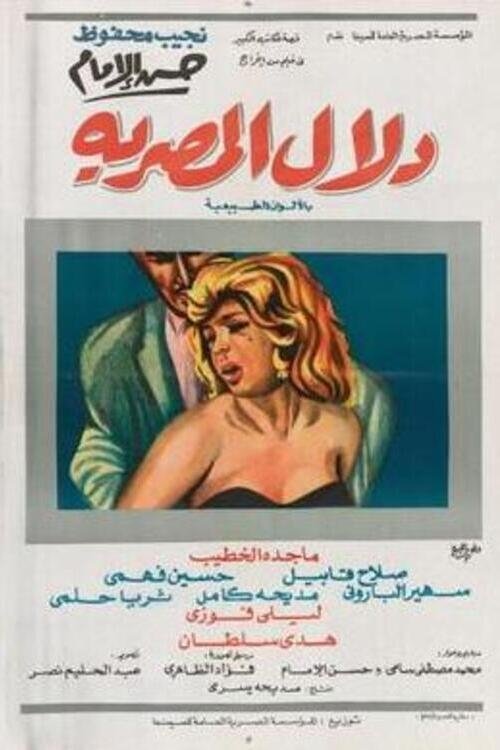
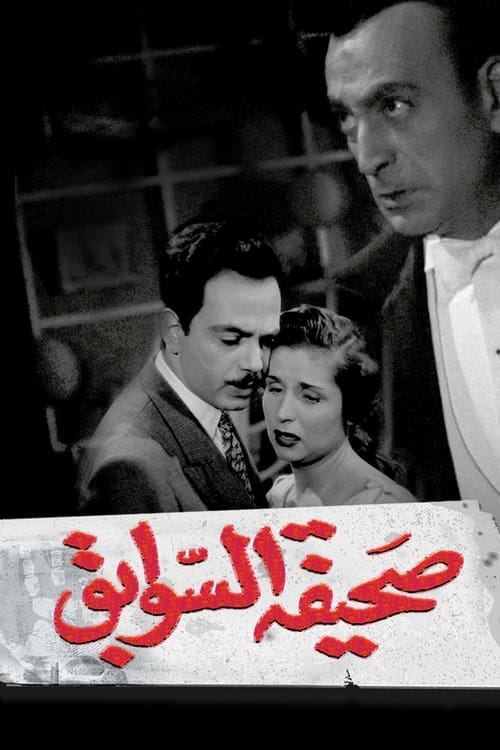
An immoral man who wronged his son and deprived him of his beloved by marrying her and then leaving her to the abyss of moral frivolity. Then he assaulted Afif, the daughter of his loyal servant, and was the cause of misery for everyone who came into contact with him.
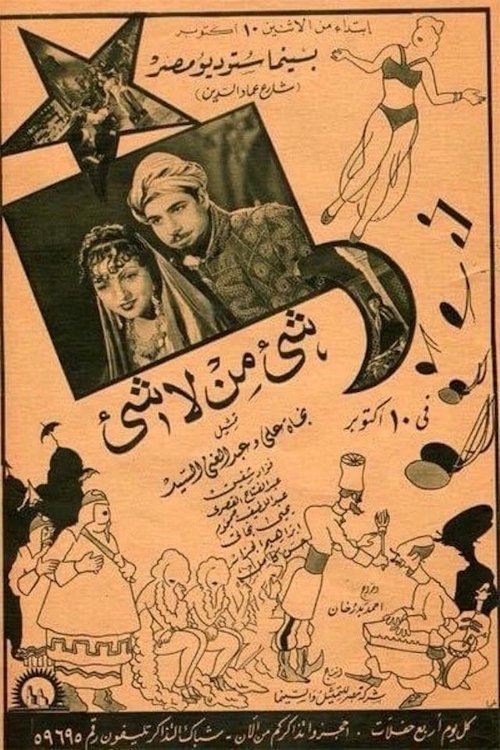
Gaber Effendi is a simple employee at Ezbet Omar al-Alfi's, expelled by the head of the family after Jabir discovers that there is fraud in the accounts of the estate. Gaber meets with Berlanti, the wife of Omar Bey's, noting a great similarity between him and her absent husband in India, Omar. Following the advice of a legal advisor, Omar Bey's family believes that he is still alive and living in India. By chance, Jaber Effendi goes to Omar's house and is seen by the family and gets married, but Omar finds out the truth and tries to exploit the resemblance to seize wealth, but ultimately fails.
Atiat is an orphan who grows up in a palace under the care of a wealthy woman. When the woman discovers that Atiat lost her virginity, she kicks her out, unaware that her own nephew, Fou'ad, is responsible. As Atiat becomes a dancer, she gets accused of a murder, and the judge turns out to be Fou'ad
The famous musician, Allam, is the son of his friend Jalal, who loves to sing. Jalal recognizes the singer Siham and connects the love between them and agree to marry. Allam suffers from a knot that has been associated with him for years when he was betrayed by the woman he loved and who does not trust women. But he feels love about arrows and tries to win them. Opposes her marriage to Jalal and at the same time admits her love, Jalal asks Siham, to sacrifice her love for fear of Allam from another shock. However, Allam is aware of the error of what is presented to him, he grows arrows in years, as well as attached to the glory and love for her. Bless their marriage and prepare for the new operetta.
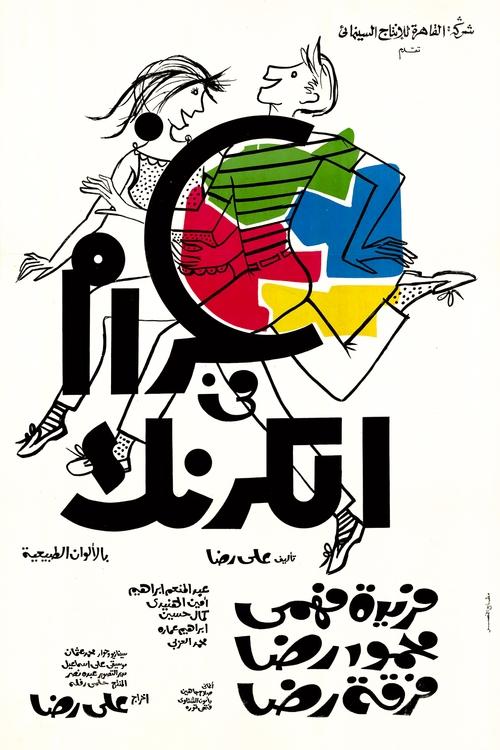
As Amina tries to join a performing dance troupe, the other members try to figure a solution for their financial situation. Amina falls for Salah, the troupe's director and first dancer, but Salah tries to keep his distance because he thinks she is in love with another.
Mona is torn between the love she has for Khaled, and her utter abhorrence of the male-dominant practices. When Khaled sweet-talks her into believing he is a liberal man, she marries him, only to be shocked by his real self and his controlling tendencies.
Directed by Ibrahim Imara.
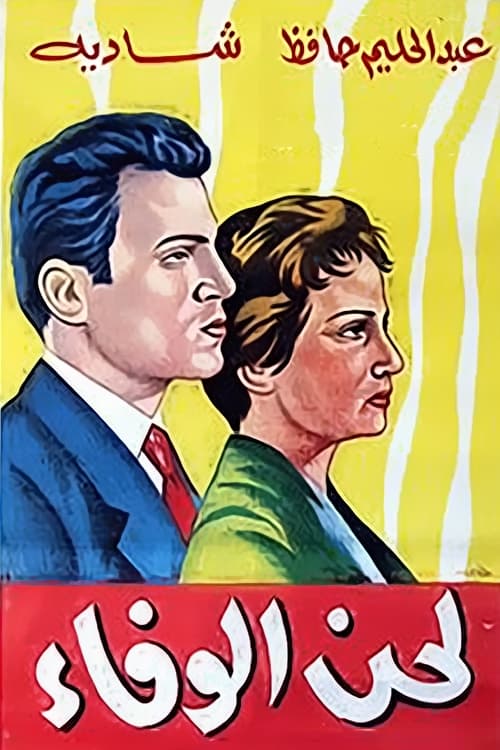
The story revolves around a young man who squandered all his wealth, joins a gang to counterfeit money, falls in love with a singer, marries her, but the police arrest him, the young man gets out of prison and tries to take revenge on the gang leader who tried to marry his wife during the period he was imprisoned, the gang leader plans to harm him in his work in which he works in order to support his family.
In a desert tribe, Qais falls in love with Layla and recites poems about her. His story is popular in the tribe, but this is against tradition. Another person competes with the lover to ask for Layla Al-Amiriya’s hand and proposes to her. The father agrees. Layla marries against her will, falls ill, and the lover recites poems about his lost love.
A dancer takes advantage of Taher and takes his money. Taher gives her whatever money she asks for without considering his family’s situation or needs. One time, Taher finds the dancer with a lover of hers. Taher quarrels with him, and the lover dies as a result of this quarrel. Taher goes to prison, and the mother supports the family in the absence of her husband and works in While knitting, her eldest daughter meets a young man who falls in love with her.
Rabi'a al-Adawiyya is a classic film from 1963 based on the life of the early Sufi saint and poet Rabi'a al-Adawiyya, also known as Rabi'a al Basri, in the second Islamic century.
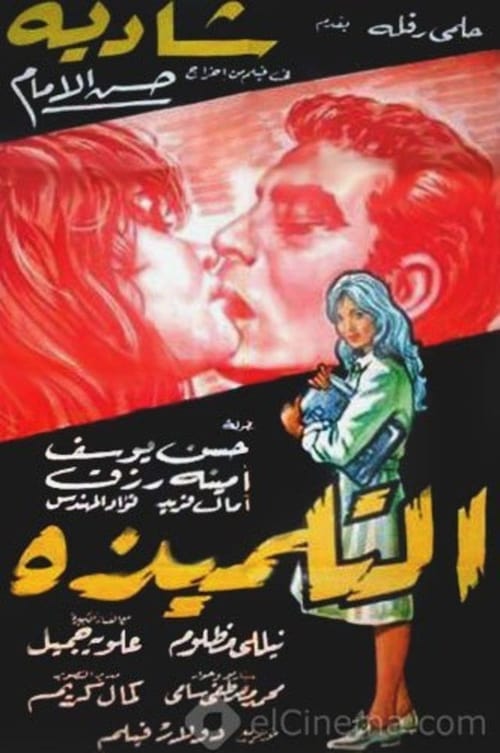
Mother Khadija (Amina Rizk) works as a maid to raise her daughter Nemat (Shadia). The school principal (Nelly Mazloum) sympathizes with her and gives her a room in her garden to live in with her daughter. Nemat is raised with Mona (Amal Farid), the daughter of the principal. She loves Nemat, the wealthy young man Hassan (Hassan Youssef), but his family rejects their marriage. Nemat is ashamed of her mother's work and runs away from home. Nemat works in several jobs but is subjected to many harassment, and at the same time she continues her relationship with Hassan despite all the pressures around her.
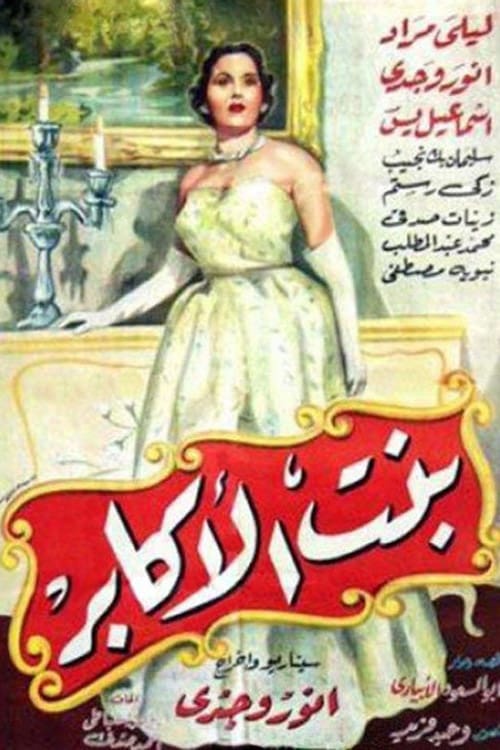
Laila is a beautiful and delicate woman. She lives with her grandfather in the Grand Palace, and he forbids her from going out or meeting strangers. The Pasha travels for Hajj, leaving Laila with her uncle to take care of her. Anwar and his colleague Shafshaq come to fix the broken phone in the palace. Anwar falls in love with Laila, believing that she is a housemaid, and they agree to get married.
No description available.