Acting
Aucune description disponible.
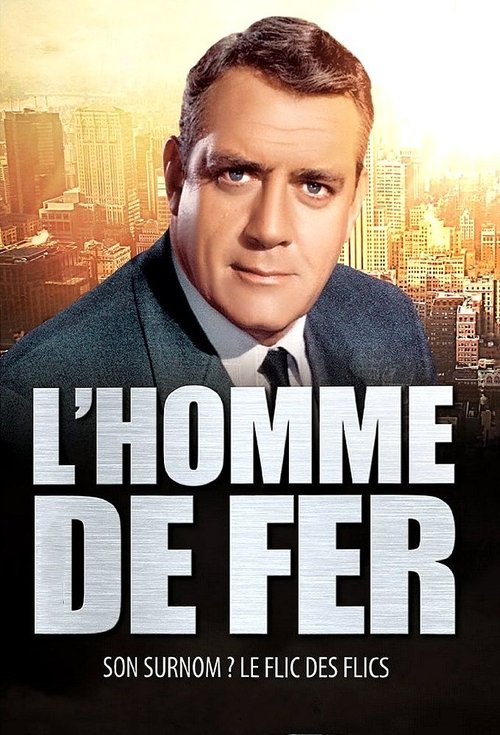
Après avoir reçu une balle dans la colonne vertébrale, le redoutable policier Robert Dacier (Robert T. Ironside en version originale) se retrouve dans un fauteuil roulant, privé de l'usage de ses jambes. Il est entouré d'une équipe efficace avec laquelle il continue à mener ses enquêtes policières.
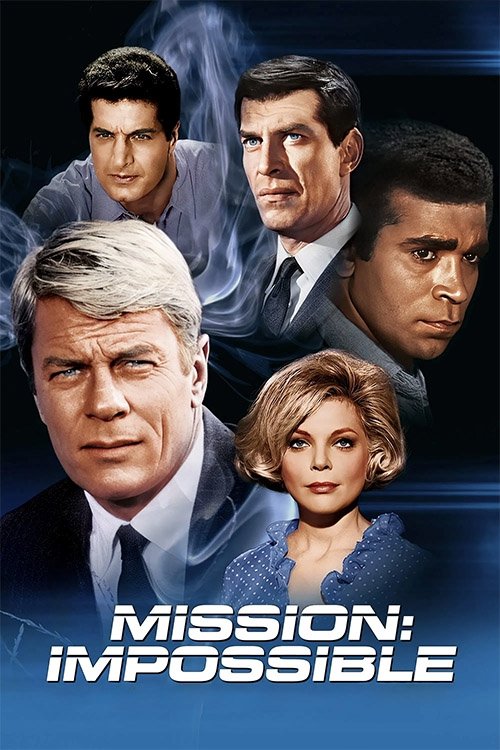
Pour le compte du gouvernement américain, Jim Phelps et son équipe d'espions et de spécialistes sont chargés d'effectuer des missions qui pour d'autres seraient… impossibles !
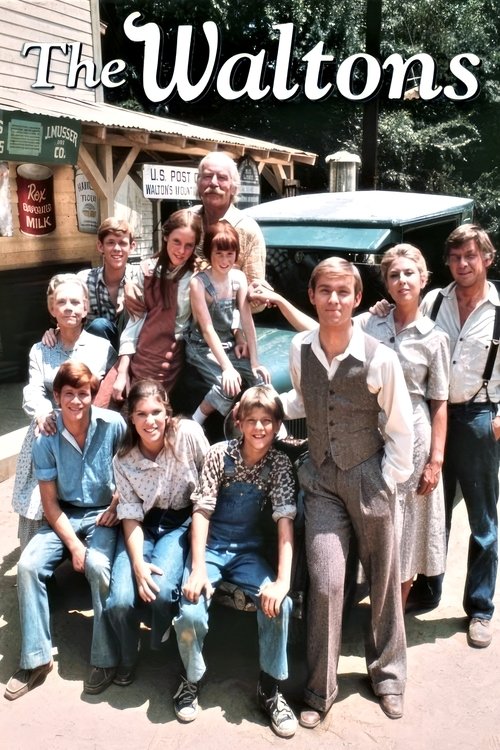
Toujours unie, la famille Walton surmonte les aléas de la vie dans les montagnes de la Virginie.
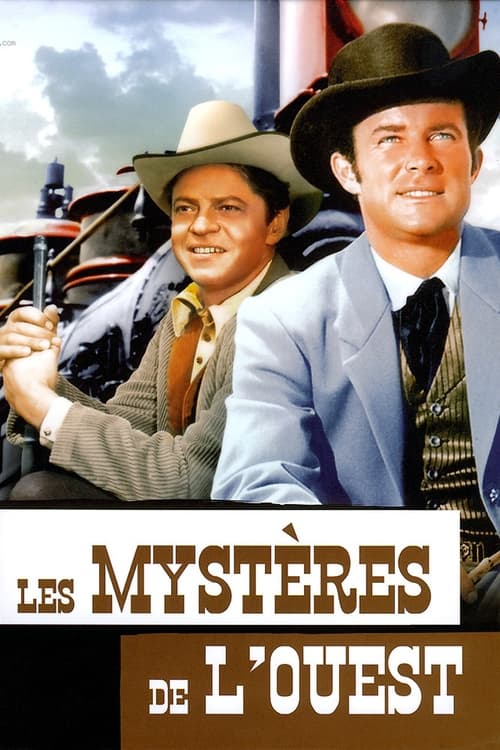
Dans les années 1880, James West et Artemus Gordon, deux agents des Services Secrets américains, doivent faire face à tous types de menaces. L'un est homme d'action et homme à femme ; l'autre est inventeur et spécialiste du déguisement. Ce duo de choc a pour grand ennemi le Dr. Loveless, expert en création d'engins destructeurs.
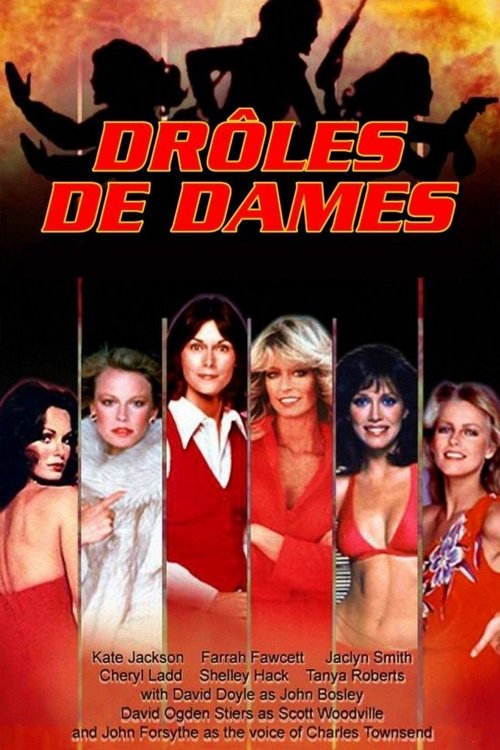
Trois jeunes femmes, travaillant pour une agence de détectives privés de Los Angeles, mènent des enquêtes pour le compte de leur invisible patron, Charlie Townsend. Elles reçoivent les instructions par téléphone et Bosley, le gestionnaire des comptes de l'agence, joue les intermédiaires entre Charlie et ses Anges. Pour chaque affaire, les filles n'hésitent pas à adopter une nouvelle identité, se déguiser pour mieux s'infiltrer et mener leur enquête avec discrétion.
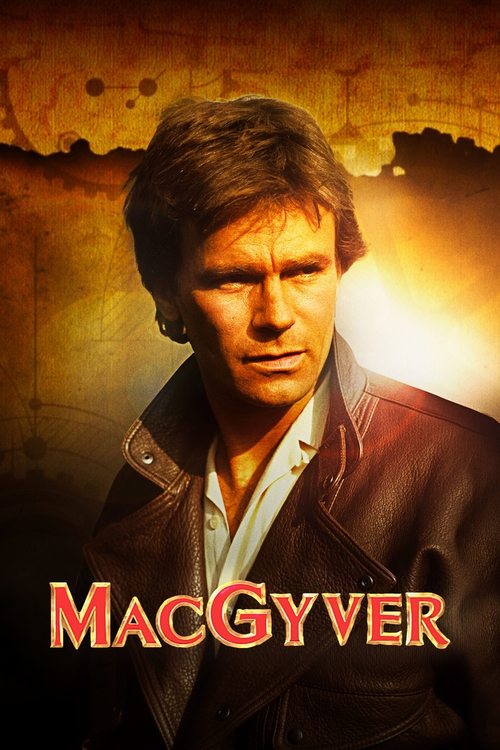
Travaillant pour la fondation Phoenix, MacGyver est appelé à l'aide dès qu'une situation périlleuse l'exige. Adepte de la non-violence, il n'utilise que son intelligence, sa malice et son couteau suisse pour venir à bout de complots, attentats et autres sinistres projets.
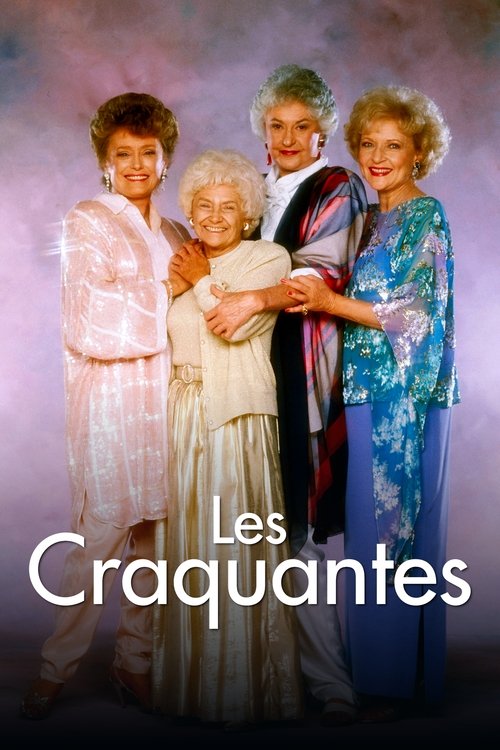
Il était une fois trois femmes superbes. Cela aurait pu être des Drôles de dames, mais ce ne sont que trois quinquagénaires qui vivent sous le même toit à Miami. Rose, l’ingénue du Minnesota, ne cesse de divaguer et n’a d’yeux que pour St-Olaf, son village natal très excentrique. Blanche, aristocrate sudiste nymphomane d’Atlanta, a pour seule joie en ce monde de conquérir le plus d’hommes possible et de donner un compte-rendu à ses deux meilleures amies. Et enfin Dorothée, une New-yorkaise d’origine italienne à peine divorcée de Stanley, qualifié selon elle de « rebut du genre humain », amène dans l’histoire l’étonnement du tout un chacun face aux situations cocasses, un peu trop normale pour ses deux « déjantées » de colocataires. Ces trois dames ne seraient rien sans la pétulante Sophia, mère de Dorothée et née en Sicile, qui porte en elle la fougue de ses origines italiennes et qui n’a pas la langue dans sa poche…
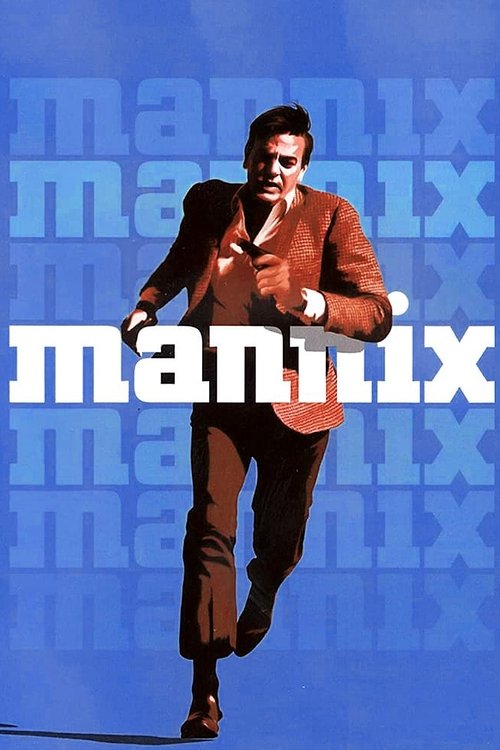
Joe Mannix est un enquêteur au service de la société Intersect. Dirigée par Lew Wickersham, cette agence peut toujours compter sur ses ordinateurs super puissants pour gérer les crises et obtenir des informations. Pourtant, Mannix, son meilleur agent, privilégie le terrain. Retrouver des personnes disparues, rechercher des objets volés ou démêler des affaires de corruption sont dans ses cordes. En raison de ses méthodes de vraie tête brûlée trop solitaire, le justicier au brushing impeccable entre très souvent en conflit avec son supérieur, dont la vision d’une affaire n’est jamais la même.
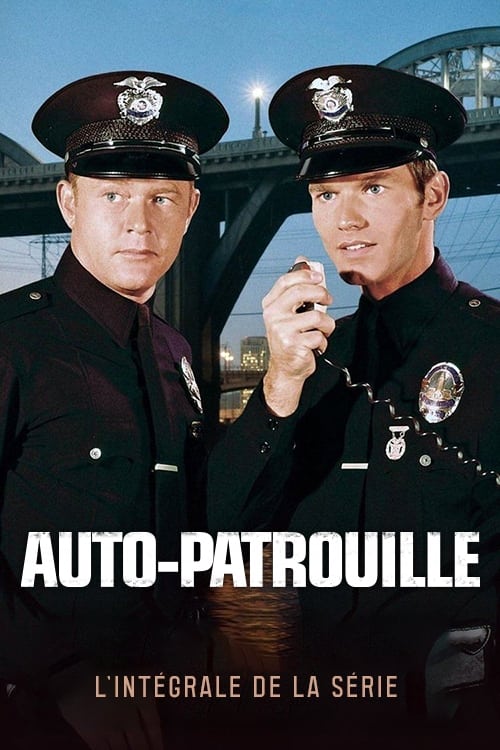
Cette série met en scène le quotidien de deux policiers de Los Angeles, Peter Malloy et Jim Reed dans leur voiture de patrouille.
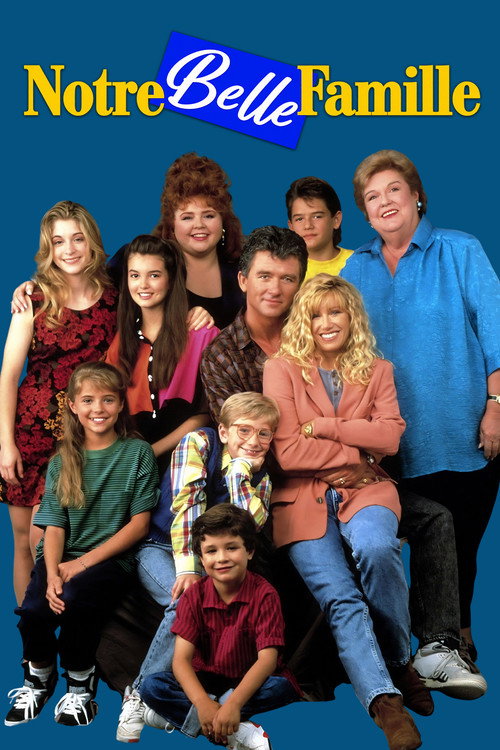
Frank Lambert, entrepreneur divorcé (son ex-femme est partie pour Las Vegas) et père de trois enfants, se marie à la Jamaïque, sur un coup de tête, avec Carol Foster, une divorcée, elle aussi mère de trois enfants… sans que leurs enfants respectifs le sachent, mais ceux-ci ne tardent pas à apprendre la vérité. Les enfants de Frank s'entendant mal avec ceux de Carol, la famille recomposée va rencontrer bien des difficultés. L'action se déroule dans la petite ville, réelle, de Port Washington dans le Wisconsin.
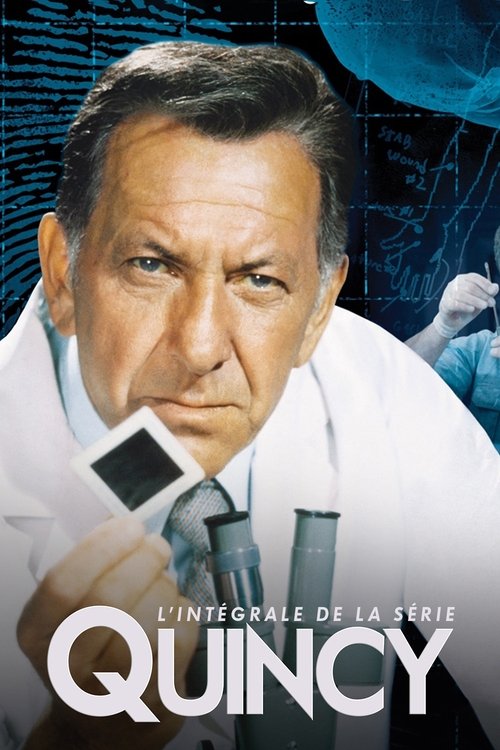
Médecin légiste, Quincy, aidé de son assistant Sam Fujiyama, est passionné par son travail. Il arrive souvent à une autre conclusion de la police.
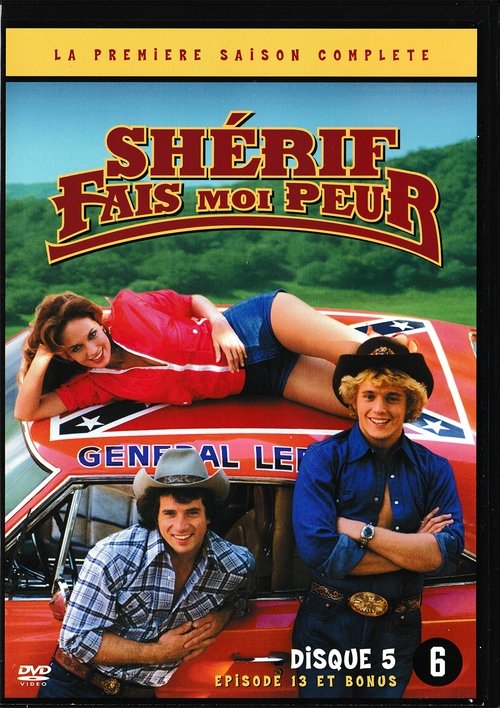
À bord de leur bolide baptisé General Lee, les cousins Duke règnent sur les routes de leur comté de Hazzard. Aidés par leur cousine Daisy et leur oncle Jesse, ils rétablissent la justice, mise à mal par les agissements de l'ignoble Boss Hogg, en n'oubliant jamais de tourner en ridicule Rosco, le shérif.
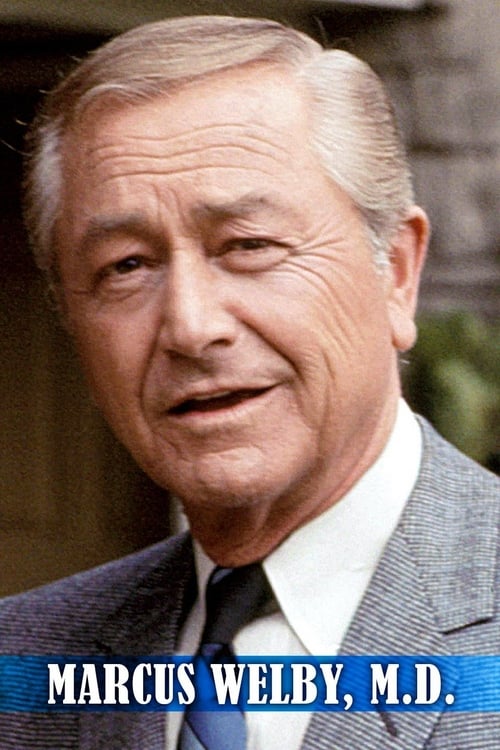
L'émission parle des docteurs Marcus Welby, un médecin généraliste et de Steven Kiley, le jeune assistant de Welby. Les deux essaient de traiter les gens comme des individus à l'ère de la médecine spécialisée et des médecins indifférents.
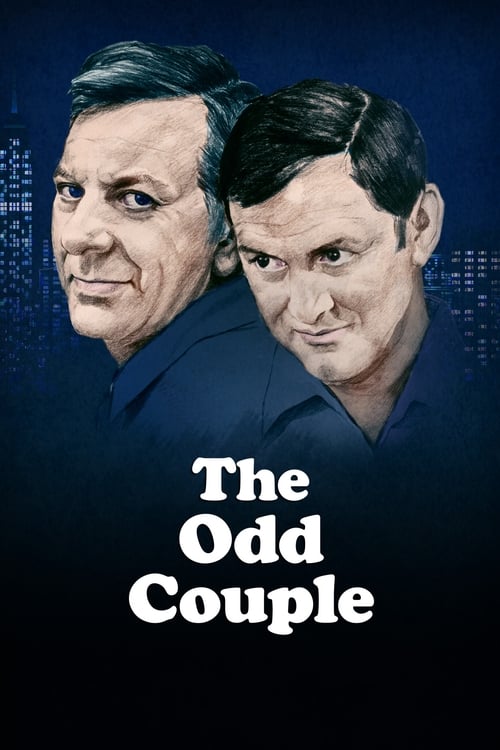
Oscar et Félix, deux hommes divorcés très différents, partagent un appartement et passent leur temps à se disputer... et se marrer !
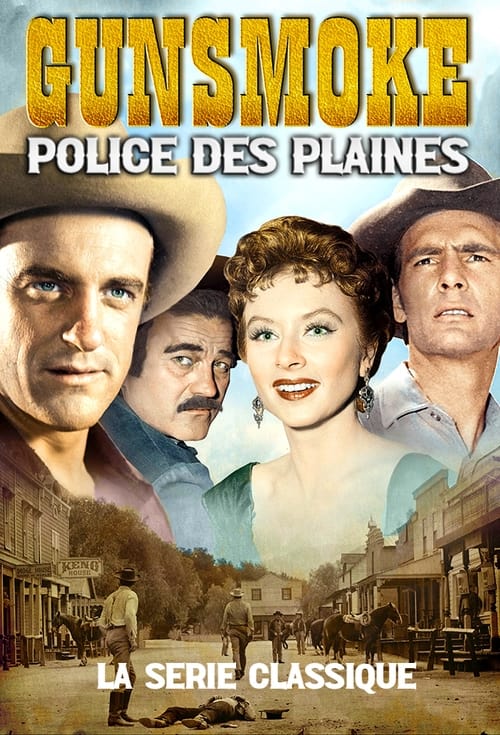
Gunsmoke est une série dramatique américaine de radio et de télévision créée par le réalisateur Norman MacDonnell et l'écrivain John Meston. Les histoires se déroulent dans et autour de Dodge City au Kansas, pendant la colonisation de l'Ouest américain. Le personnage central est le maréchal Matt Dillon, joué par William Conrad à la radio et par James Arness à la télévision.