Daniel Rosenfeld
Directing
Known For

This is Buenos Aires, its characters, its history, its reality. A complex movie for a complex city, depicted in the character's language, and in their relationship with the present and the past
Buenos Aires viceversa
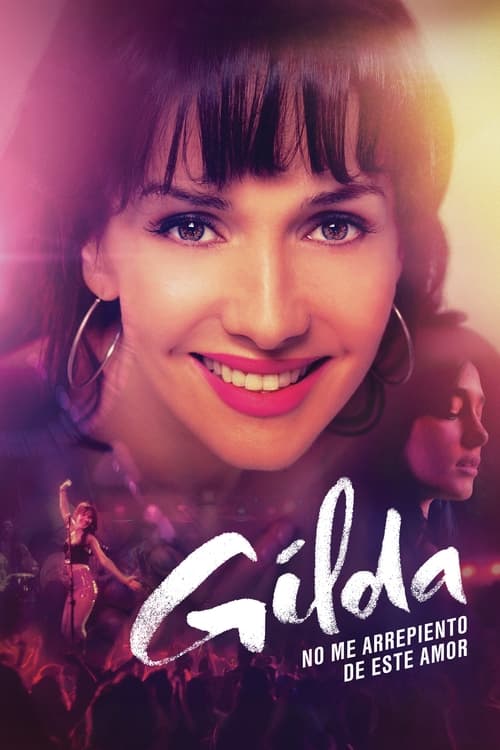
The life and death of the tropical singer Gilda.
I'm Gilda
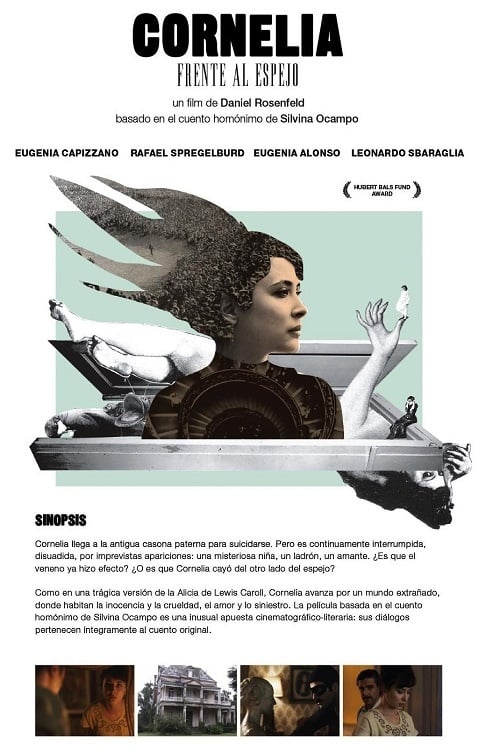
Young Cornelia arrives at her father's old house to take her own life. As she attempts to accomplish her mission, she is continually interrupted by unexpected apparitions: a mysterious girl, a thief, and a lover.
Cornelia frente al espejo
Soledad, a girl tired of being a taxi driver in Buenos Aires, travels with her car to Patagonia. She stops in a village whose inhabitants live in isolation and their only contact with the outside world is a cinema where old films are projected.
Wind with the Gone
Ramírez waits. He has to pass a test, he drives in silence towards the port of Buenos Aires. El Topo will give you a chance.
Matar a un perro
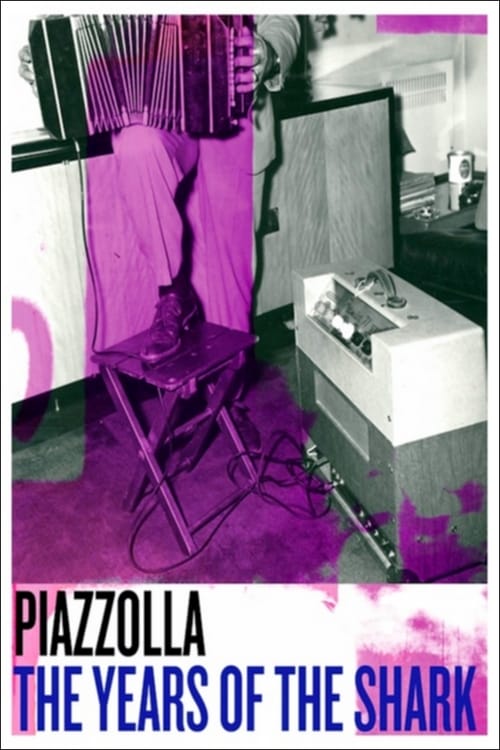
A cinematic portrait of the world-wide legendary Argentinian composer who changed tango. For the first time ever, the hidden archives of bandoneón player Astor Piazzolla are opened by his son Daniel.
Piazzolla: The Years of the Shark
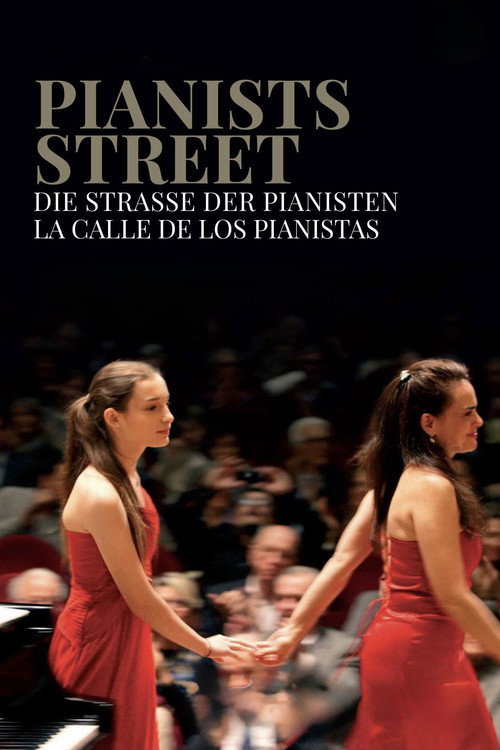
In a small street in Brussels there is an unusual concentration of pianists: on one side, the house of Martha Argerich; on the other, that of the Tiempo-Lechners, four generations of pianistic prodigies. At just fourteen years old, Natasha Binder is the heir to a dynasty, her last great promise.
Pianists Street
Continuing the series started with Intervened Events (2014), the Buenos Aires Film Museum presents the second feature film made entirely with material from its archives and by fourteen outstanding Argentine filmmakers. These are nine issues of Cine Escuela Argentino, a project created in 1948 by the Argentine Ministry of Education during the first government of Juan Domingo Perón. The latter promoted “the use of the cinematographer as a didactic assistant destined to complete the educational and cultural work, mainly in what concerns exalting the feelings of the nationality, with the heroic example of the heroes, Christian morality and the multiple civil duties, great and small”. Hence, most of the films produced by Cine Escuela Argentino were aimed at scientific dissemination and tourism promotion of the various regions of the country. (Museum of Cinema)
Intervened Archives: Cinema School
No description available.
Murciélagos
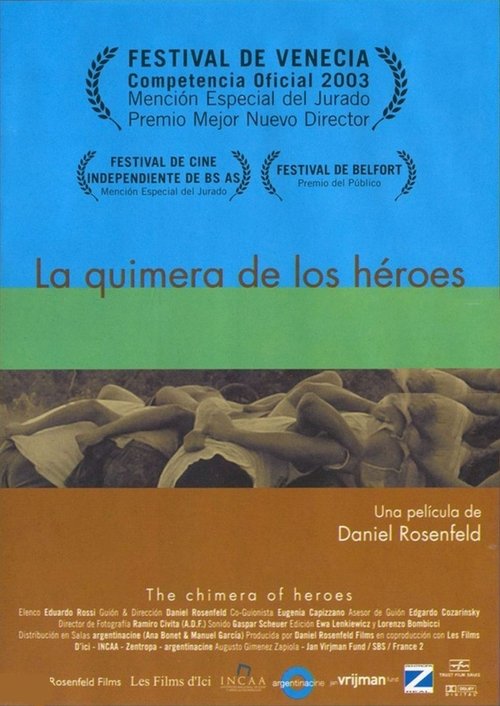
A very special coach. A group of Toba aborigines. A rugby ball. The jungle. The temptation of the past. A journey through the conscience of a leader.
La quimera de los héroes
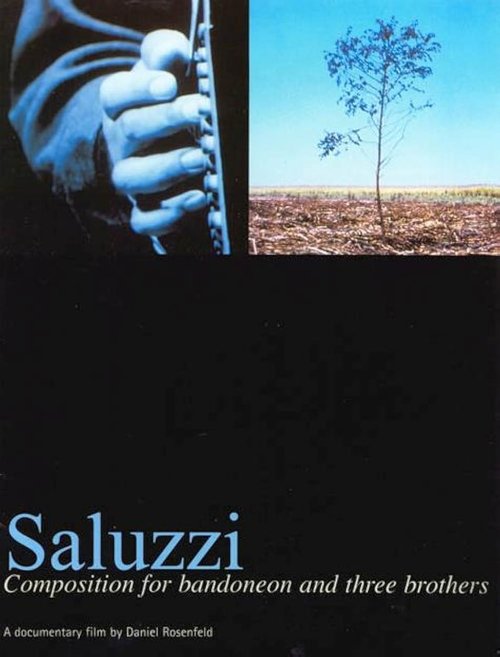
A European tour of this Argentine musician living abroad precedes his return to his hometown of Salta. Later, his gaze on the world and reflections on art.
Saluzzi, ensayo para bandoneón y tres hermanos
No description available.
Ensayo para Güemes
A father and his son. Sky and earth. A camera and something very hard to film: faith.
To the Centre of the Earth
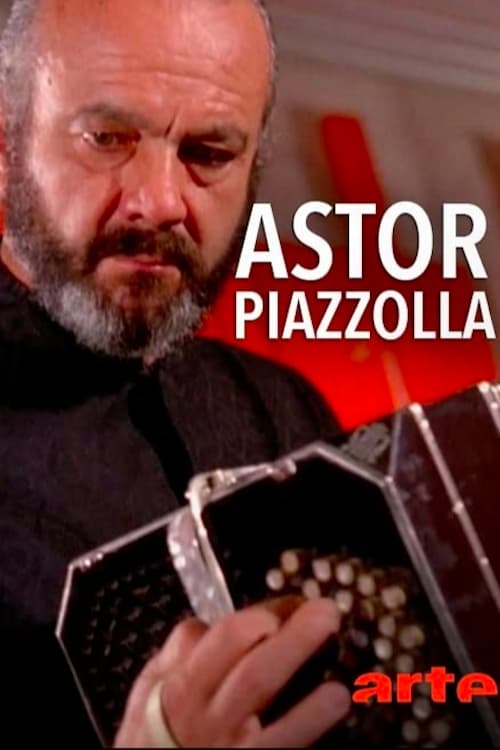
Astor Piazzolla revolutionized the tango. By breaking with the codes of traditional tango, he brought this popular Argentine music from dance floors to concert halls around the world and is now recognized as a major composer of the 20th century. From numerous unpublished private archives, the voices of Astor and his children paint a unique portrait of this complex man.