Acting
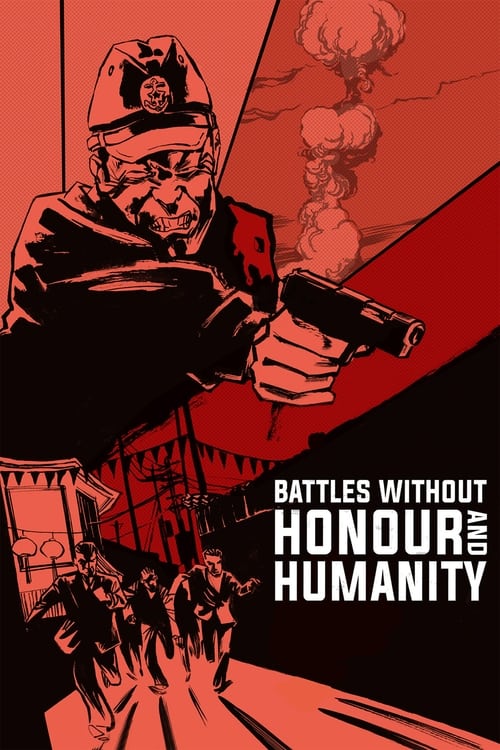
In the teeming black markets of postwar Japan, Shozo Hirono and his buddies find themselves in a new war between factious and ambitious yakuza.
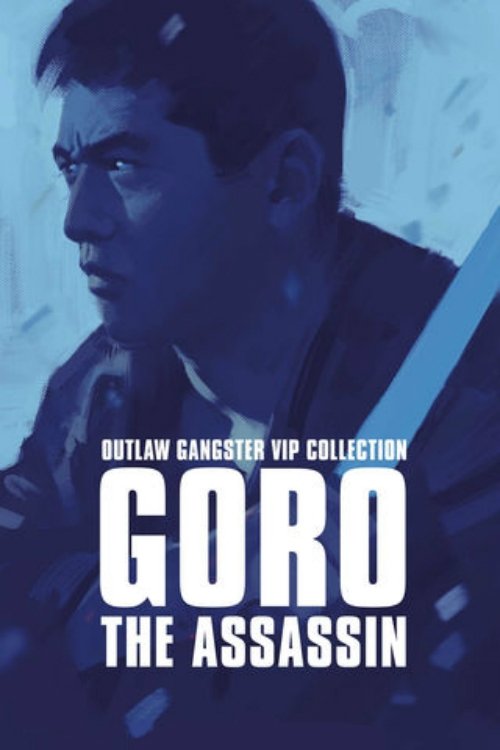
On a cold winter day, Goro Fujikawa (Tetsuya Watari) and Masahiko murder the mob boss of Meishin-Kai. The deed costs them time in prison, but Goro had no shred of regret. When Goro is released 2 years later, Masahiko is dying in prison hospital and entrusts his last wish; "find my sister and take care of her." Goro leaves as a free man with a mission, but soon finds that he might have been better off in jail.
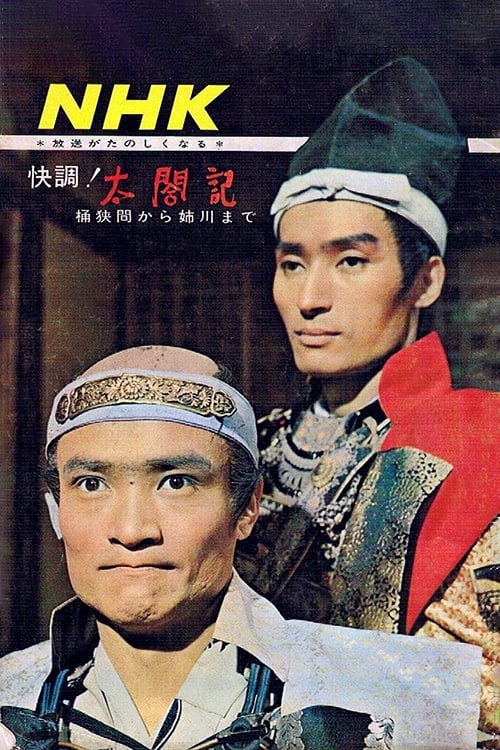
Based on the life of Hideyoshi Toyotomi (February 2, 1537 – September 18, 1598) a Sengoku period daimyo who unified Japan.
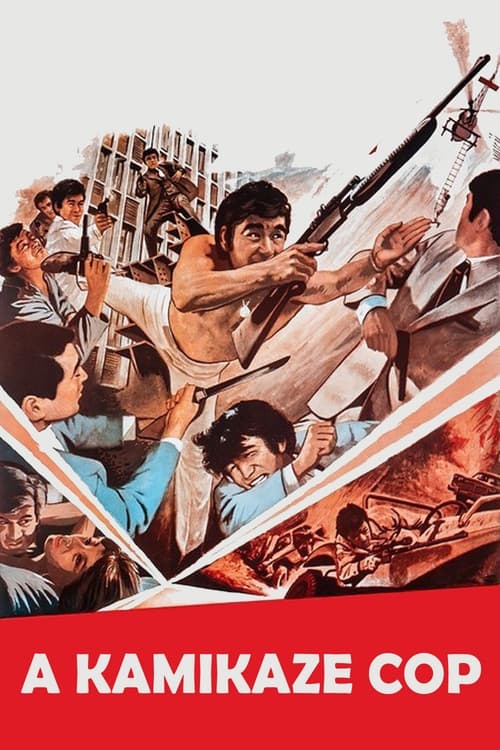
An undercover cop befriends a yakuza underling who through his contacts helps him infiltrate two rival Yakuza gangs. He pits the two rival gangs against each other in hopes that they will cross each other out.
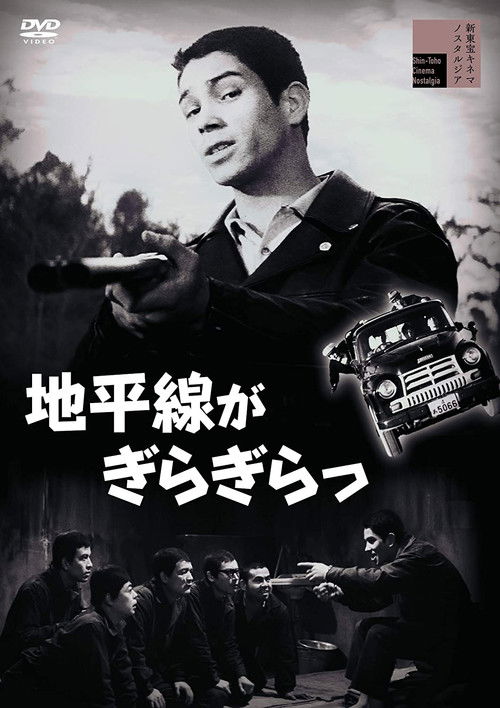
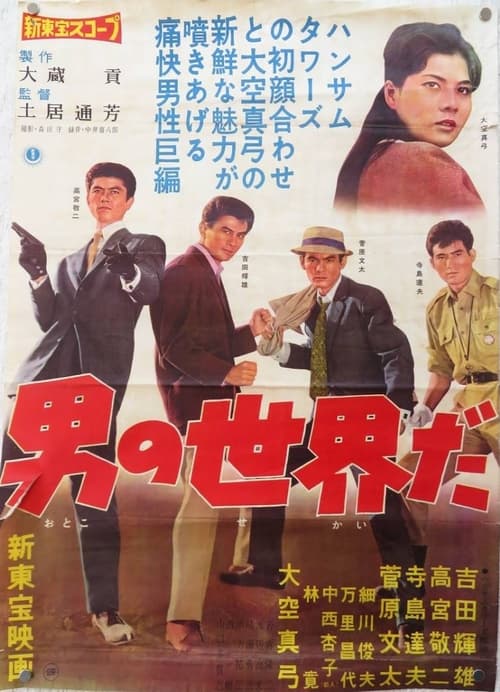
5 criminals organize a jailbreak in search of a cache of stolen diamonds.
A Yakuza film directed by Kôsaku Yamashita
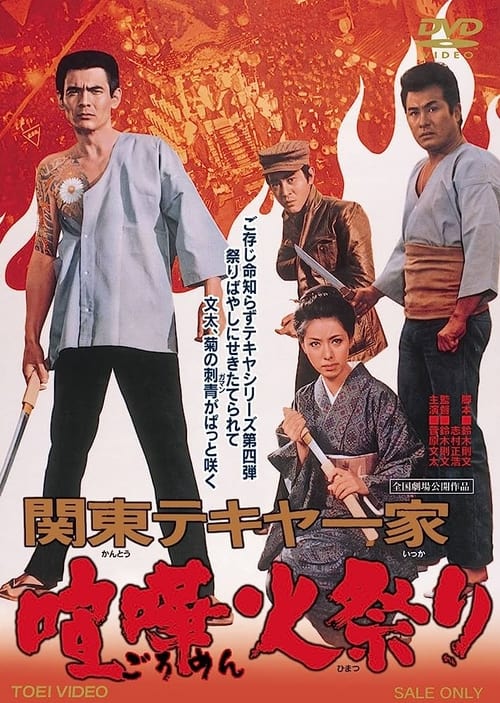
The fourth film in the Kanto Street Peddlers series. The protagonist, played by Bunta Sugawara sides with female boss Yumiko Nogawa to fight evil Hiroshi Nawa, who at one point employs rebellious young hood Tsunehiko Watase and Kagawa. Tatsuo Umemiya also shows up as a cool, leather jacket gunman who gains Sugawara’s respect despite playing for the opposing team. What eventually keeps this film from being as good as the first is the loose script that doesn’t really tie all the fun stuff into a coherent package. Much is forgiven however when the last 20 minutes arrives with several visually striking set pieces (including one death scene stylized to the point of ridiculousness) and a terrific final massacre. This was Suzuki’s last contribution to the series; the fifth and final picture would be helmed by Takashi Harada.
Immigrant gangs terrorize a Japanese town with their threats, loud jazz, and tasteless fashion sense, and only the tough but suave Dr. Amamiya (Ando) can stop them, as long as he gets rid of his silly peace-loving ideals.
A hit-man returns to Japan after a long sojourne.
No description available.
Movie directed by Kunio Matoi
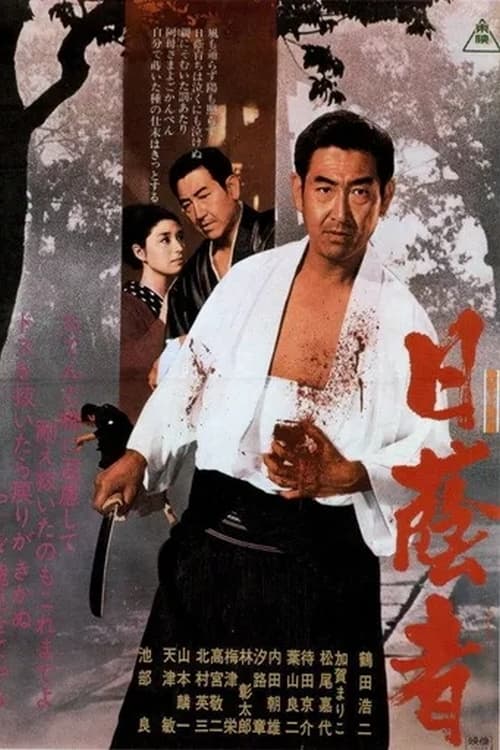
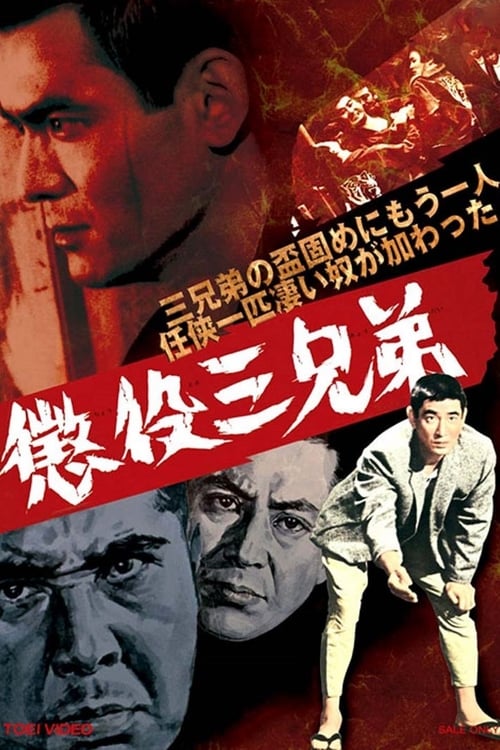
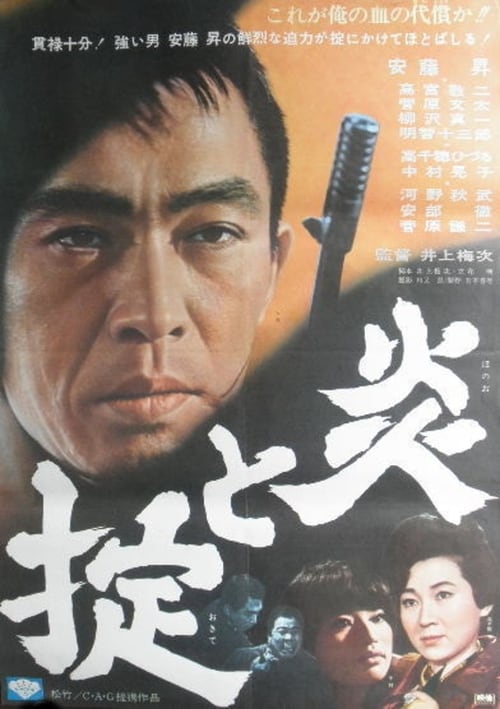
While imprisoned, Tatsu encounters Danshi, a man who is a big honcho in the prison pecking order. After initial conflict they become sworn brothers. Tatsu and the sworn brothers he acquires weren’t really gangsters before their prison time, just ruffians. Prison, however, introduces them to plenty of gangland characters and three years later, they’re out of prison and enmeshed in the yakuza world.
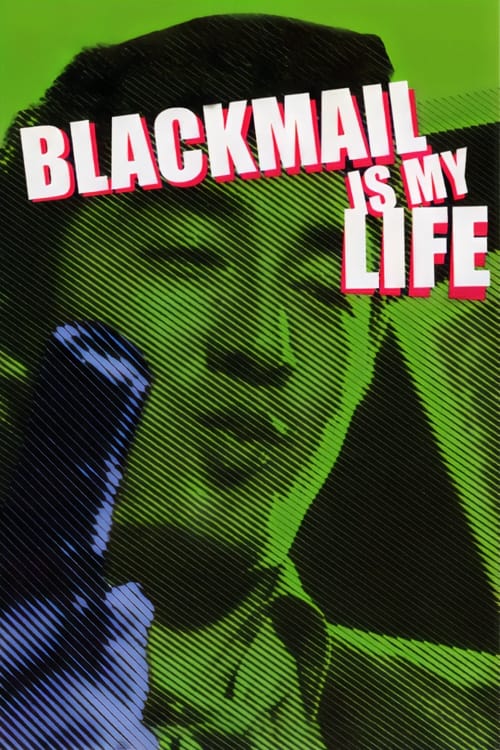
Though he has come from a rough background on the streets, Muraki quickly rises through the ranks by means of his well-honed blackmailing instincts. Desperate to keep rolling with his freewheeling lifestyle, Muraki sees his luck begin to crumble when he sets his sights on the business partners of a powerful gang boss.
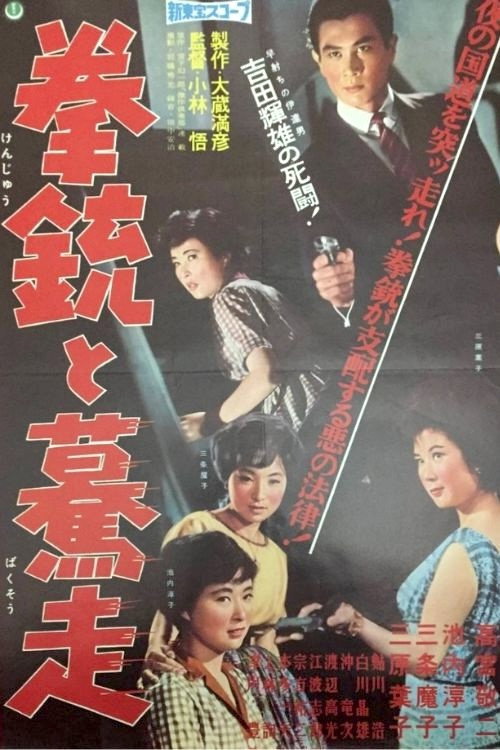
Koji, a driver for the Tokyo-Nagoya express bus service, picked up a woman one day on the Hakone Driveway. While Koji and his assistant Saburo were checking the engine, the woman disappeared, leaving a thick envelope on the seat.
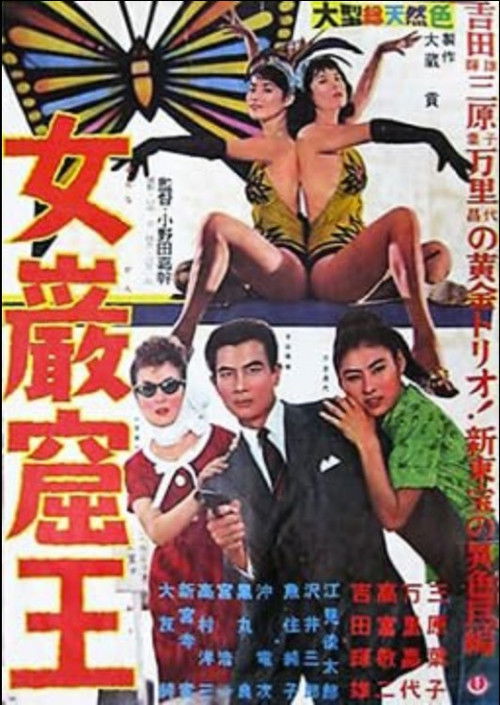
Rumi (Yoko Mihara) and Emi (Masayo Banri) are sisters who dance nightly at the Blue Moon cabaret, which happens be the headquarters of a drug ring. Offstage, Rumi captivates the gang boss, Iwahara (Shuntaro Emi); while Emi attracts the portly club manager, Yajima (Saburo Sawai). Meanwhile their older brother Shinichi (Ryo Kuromaru), a seaman, is unwittingly assisting Iwahara with his drug running. When Shinichi’s ship is sea-jacked by another drug gang, an outraged Iwahara suspects him of treachery and has him beaten and confined in a dungeon-like basement. Rumi and Emi try to free him, but a gang hitman discovers them - and their attempt ends in failure. Now under suspicion themselves, the girls try to escape, but luck goes against them and they are taken to an island where Iwahara and his crew plan to ambush the rival gang.
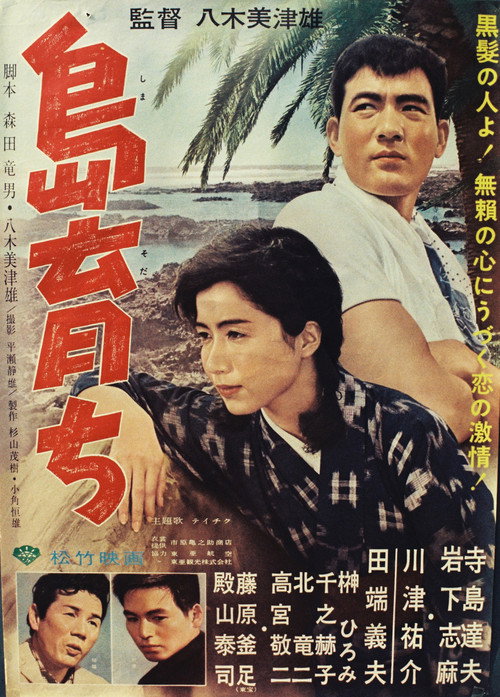
A melodrama based on a hit song by Yoshio Tabata. Set on Kikaijima Island, the story depicts the love between a simple-hearted island girl and a down-to-earth island man.
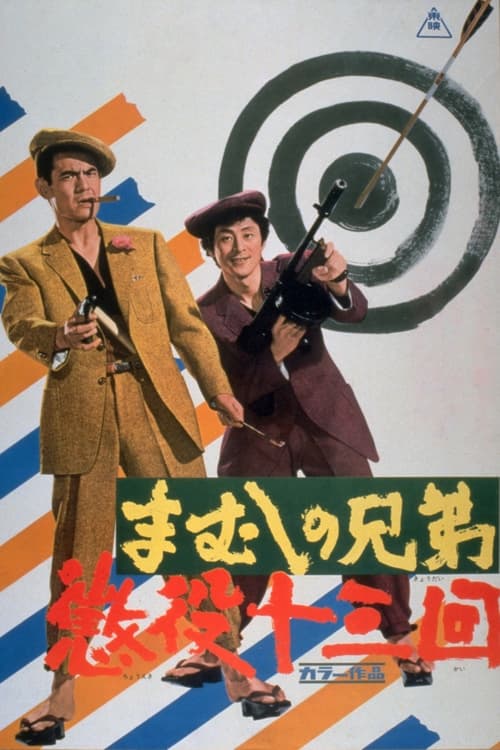
Part 3 in a long running (8+1 films) action/comedy/melodrama series about a pair of short tempered, amoral, but not evil chinpira (Bunta Sugawara and Tamio Kawachi) thinking too big of themselves.