Mario Bocchicchio
Editing
Known For
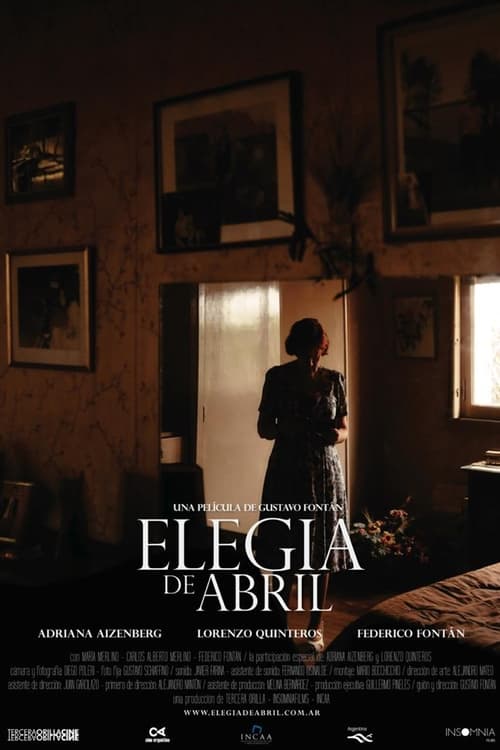
The poet Salvador Merlino didn’t live to see published April’s elegy, his last book, as he died when it was still in the printing press. His daughter Mary (72) and his son, Carlos (74), kept the parcels of copies of their father’s book stashed away for 50 years, high up, on top of a wardrobe. The curiosity of young Federico will force them to come face to face with themselves.
April elegy
La orilla que se Abisma is conceived as a journey, a trip along a river. Like rivers, like all journeys, the film has meanders, small riverbeds, detours and moments of rest.
The Shore That Falls
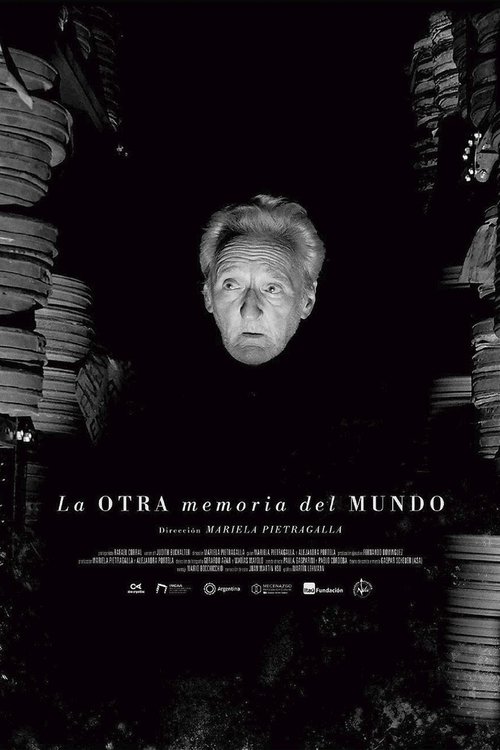
Rafael Corral, a 90-year-old man, has spent much of his life in a film archive. As the building is transformed by construction work, Rafael searches for an object that connects him to his past as a ballet dancer for Spanish singer Miguel de Molina. The film explores memory through a building, a man and cinema, walking the corridors of an archive and observing the fragility of the material and the hands that preserve it.
The Other Memory of the World
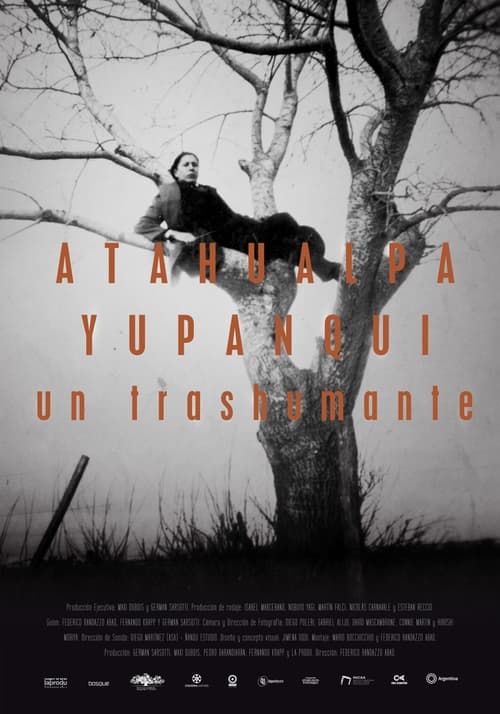
Atahualpa Yupanqui established himself as a key figure of Latin American identity through travel. Archives, music and personal records of a transhumance aimed at deciphering the dialogue between people and their territory.
Atahualpa Yupanqui, un trashumante
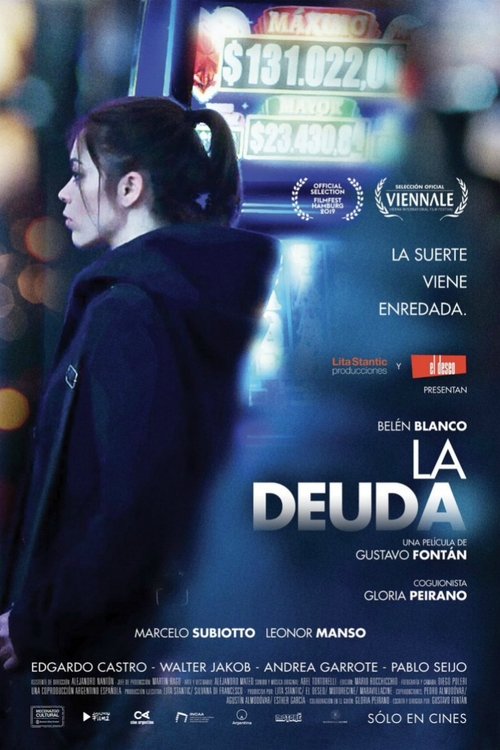
Mónica did not make a client's payments of the office where she works. The missing 15K pesos not only commit her but also a colleague, who is the one who discovers the fault. It seems that is not the first time that this happens, but the colleague, despite his anger, kept silence and chose to believe her again: Mónica commits to replenish the sum of money the next morning.
The Debt
No description available.
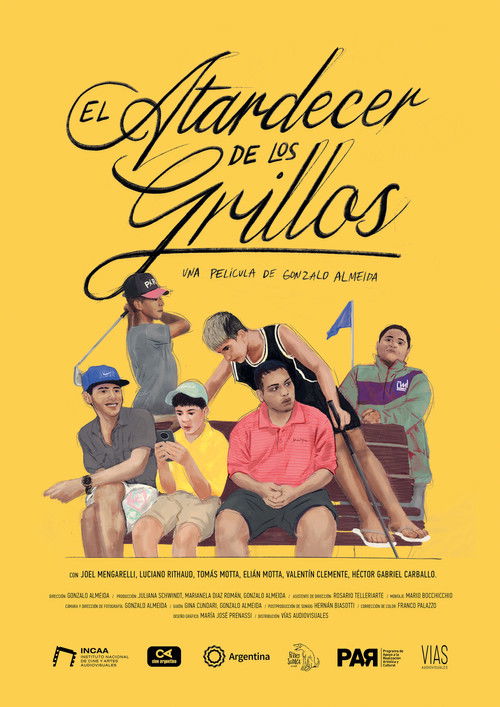
El atardecer de los grillos
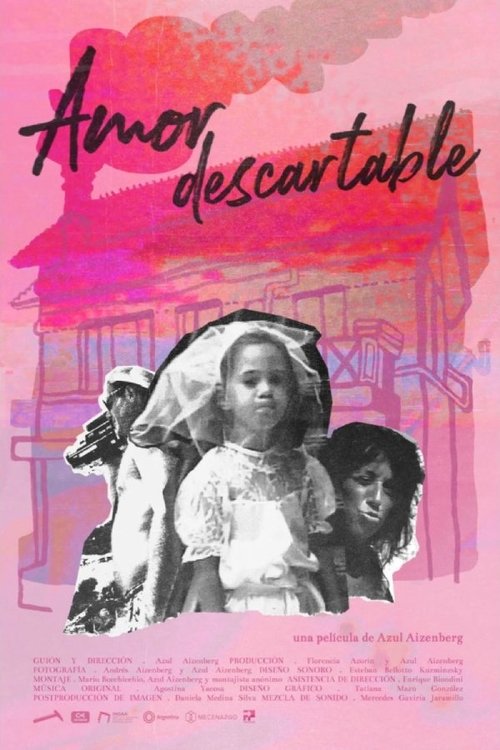
In home-movies shot in the ‘90s by her father, the filmmaker discovers in these inherited images powerful fictions of the Argentinian middle class and the country’s recent history.
Disposable love
"Several times a day, for many months, I went out to the terrace of my house to look at the terrace next door, which is the terrace of a nursing home. I went out as soon as I got up and before going to bed, as in a ritual. And soon, over the course of the weeks, I went out several times a day to look at that space, a window between two concrete blocks, a mysterious door, the light on the ceilings." (Gustavo Fontán)
Luz de agua
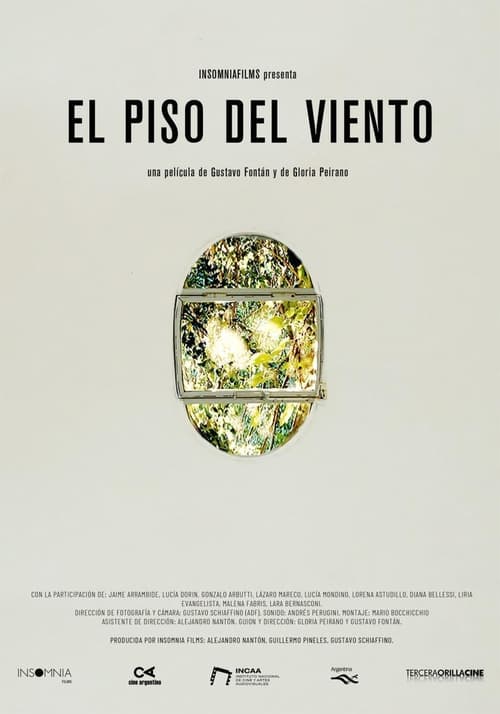
A couple builds a space to live. When it is finished, before inhabiting it, they invite a group of people to visit it. The invited people circulate individually through this new and empty space. They look, they walk, they talk. The film tries to rescue the effect of that experience in each one of them. So the space itself becomes an experience. What will they leave of themselves? What will they take? What will they show of the human? What is a house? What do you do with the past? The series of people who briefly inhabit that place, recently built, still free of all traces, could be thought of as infinite. The space fills and empties. The residual of that transit remains: a luminous fragility.
El piso del viento
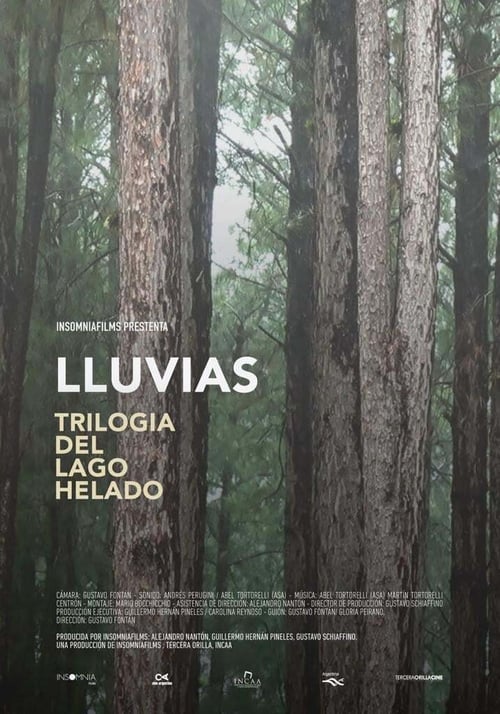
Between two rains, a film that is offered as a newspaper. Rains. It is night. The rain coils like a snake in the street lanterns. A neighbor, old lady, knocks on my door. It's eleven at night. She is desperate, ask for rivotril. A few days later he dies. Someone leaves their house. Objects are loaded coldly in a truck. The death of a neighbor, a move, the skies laden with clouds, the light on things and faces, the operation of an old man, a night trip ... It rains. The trees shake and tremble underwater. Between two rains, a look at human fragility.
Lluvias

A man knocks on my door. I ask him what he needs. He doesn't answer. He looks at me for a few moments, with enormous eyes. He looks at me as one looks at an apparition. Rivers are born in that silence, in those hallucinated eyes, and they unfold a memory of water, a fragmented knowledge of tornadoes and banks, of creaking trees, of birds bathing in the rain, of men lost on some island, of drowning in the backwaters, of the splash of oars, of the shadow where the river narrows. A man knocks on my door. He says to me: You're not here, we're not here.
Los ríos
"In 2010 I filmed the encounter commemorating the Bicentennial of the Argentine Republic. In the passing years I sporicadally edited the material. I projected it. I seal it. Recently I projected the images again and in some way I saw a group of young, strong and beautiful people to which I belong and represents me. Collating this images with the present, I also saw a void and a debt."
Two hundred and eighty billion images
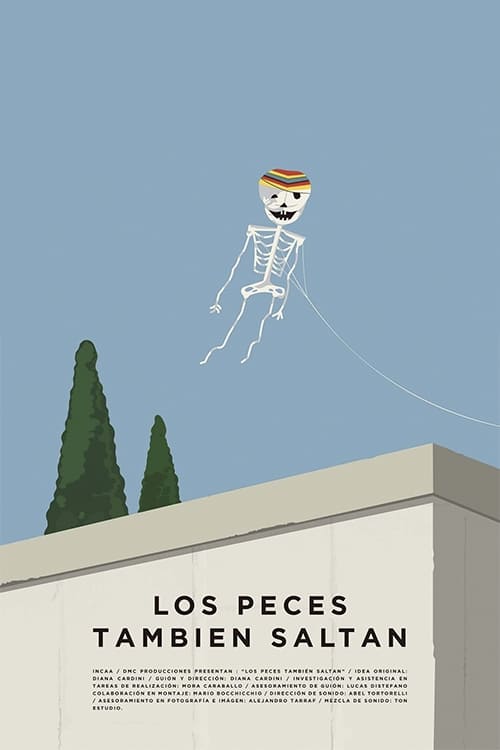
"Fish Also Jump" is a documentary that attempts to capture the public space of the Chacarita cemetery, its architecture, and the vastness of its 95 hectares dedicated to death. The film emphasizes the present, the stories experienced by the characters, their jobs, rituals, and their specific ways of dealing with the otherworld.
Los peces también saltan
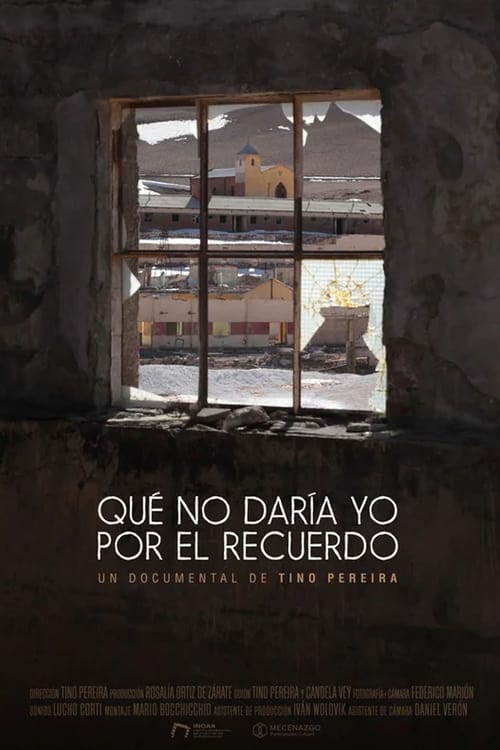
The documentary follows a group of former sulfur workers from the town of Mina La Casualidad, in Salta, who were fired 40 years ago by the military dictatorship and who return to the place every year on the day of the Virgin.
Que no daría yo por el recuerdo
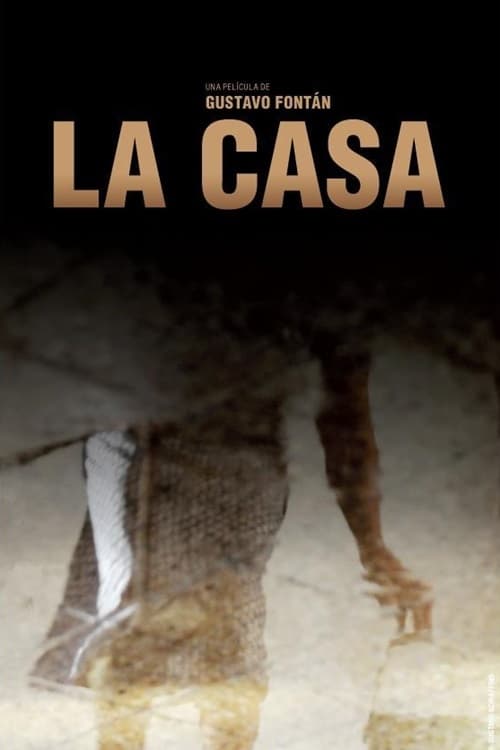
In the house where several gererations used to live no one is living anymore At least apparently. Because if any one intensifies hearing and view, he can see He sees the footprints of formers inhabitants. He sees the marks of life and death in the deserted spaces He is the witness of the persistence of voices , bodies, ligths and shadows.
La casa
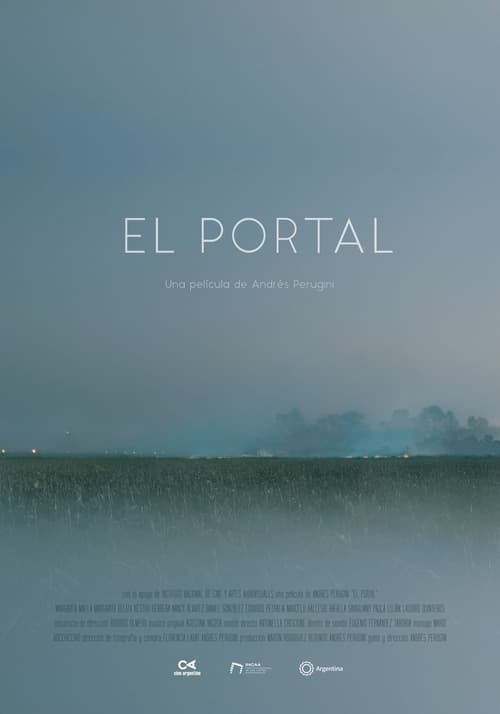
No description available.
El portal
No description available.
Un horizonte invisible
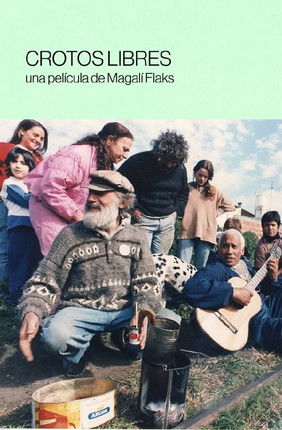
It's a summer day in 1983 in Mar del Plata. A group of men and women walk slowly through the grasslands beside the train tracks, forming the Agrupación Crotos Libres (Free Hobos). With anarchist roots, the hobos advocate a life without a fixed abode, free from material attachments, in defense of leisure and working-class solidarity. Since then, their "non-profit" walks have been their main activity. Pedro, one of the last remaining hobos, recounts their history through his amateur VHS footage.
Crotos Libres

The Luján River, the Basilica and an amusement park. Fabián, set designer and creator of horror labyrinths, builds the Ciclón Fantasma. Alejandro and Rosa walk along the riverbank looking for fossils. The characters seek to make their dreams come true in a space full of myths and beliefs.
The Ghost Cyclone
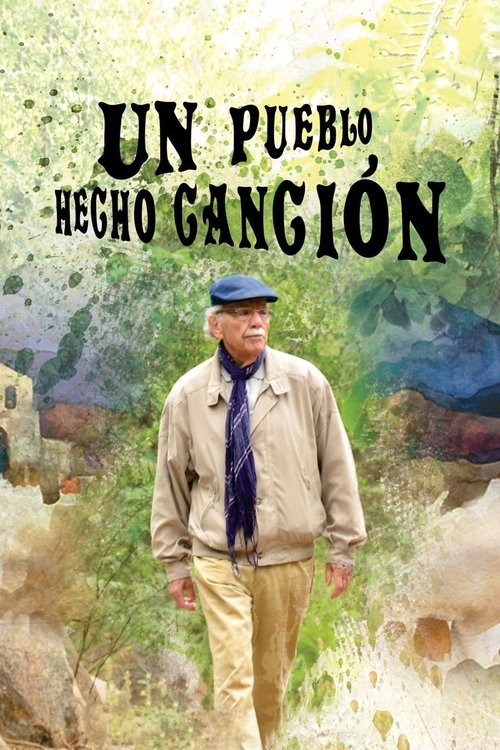
Documentary that records an unprecedented event in universal history: the streets of a town are baptized with the name of the songs of its most beloved son, in this case Ramón Navarro, one of the essentials of the popular songbook.