Directing
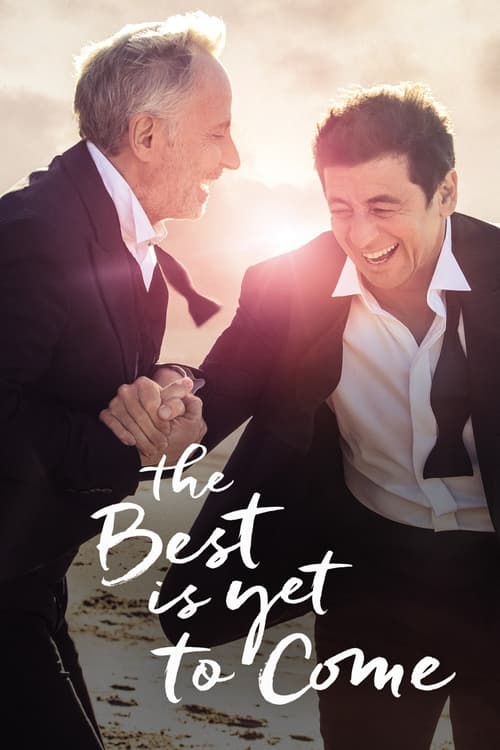
Jean and Sara have been living together for 10 years. When they first met, Sara was living with François, Jean’s best friend and an admirer from back when he played rugby. Jean and Sara love each other. One day, Sara sees François in the street. He does not notice her, but she is overtaken by the sensation that her life could suddenly change. François gets back in touch with Jean. For the first time in years. He suggests they start working together again. From here on, things spiral out of control.
Following a huge misunderstanding, two friends always decide to tackle everything to make up for lost time.
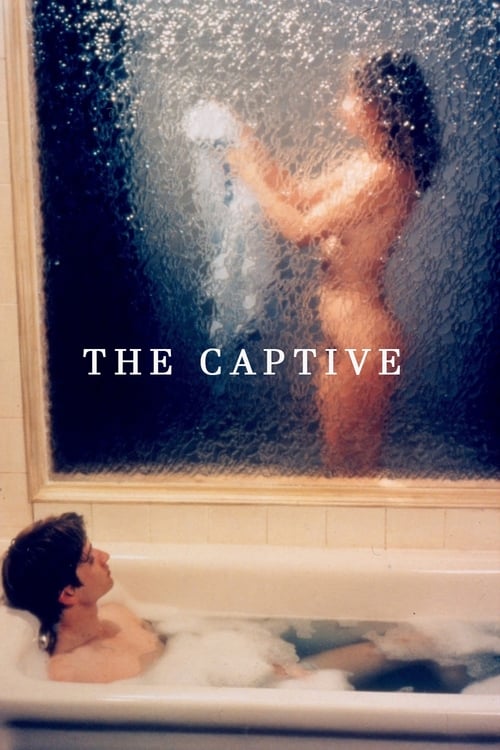
Ariane lives with Simon in his large Paris flat. Simon is obsessed with her: he wants to know everything about her, secretly follows her when she goes out, asks questions all the time, even in the most intimate moments. Ariane seems to take it all in stride, but Simon realises that she's hiding something.
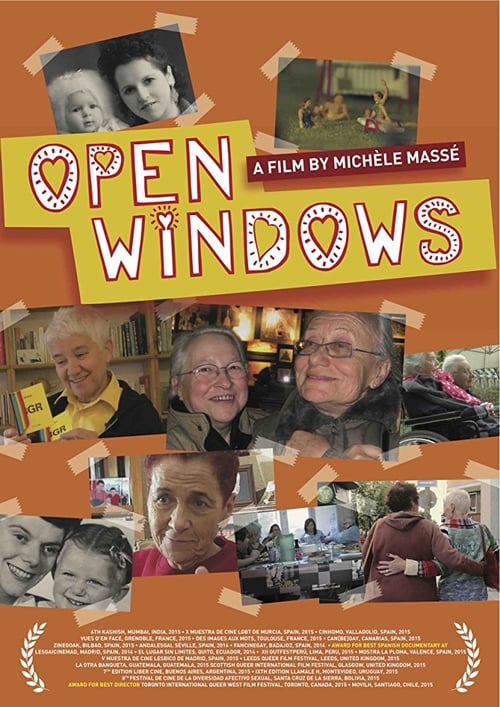
In Madrid and in Paris, Boti, Empar, Micheline and Jocelyne, four lesbian women in their seventies, tell of their fears, their desires, their differences - They are still active, or activists, and refuse to be pushed aside because of their age. They live their everyday lives to the fullest, taking advantage of all opportunities. Beyond the taboos, they reflect on their loves, past and present, because their love-lives and sex-lives are not yet over.
The title of the film, set in Luxembourg in 1942, during the Nazi occupation, amalgamates the words Schacko (helmet) and chapeau claque (opera hat). The village, in which it is set, has not yet been feeling the effects of the war at this point.
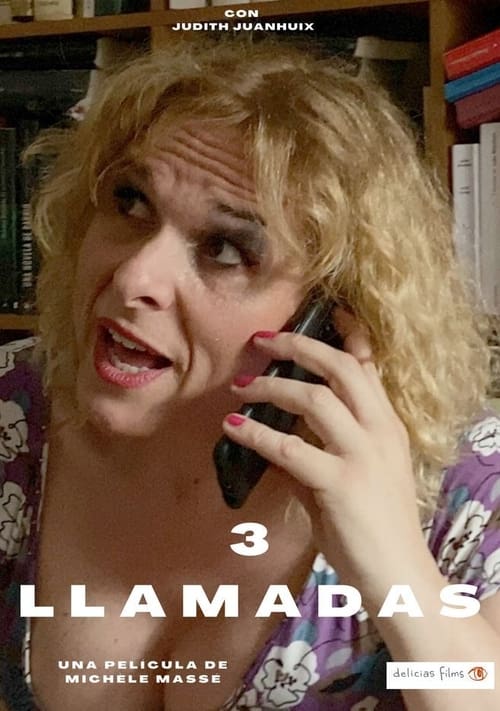
Julia’s rights to be, work and love are questioned in three telephone conversations. Three calls that test her strength in the most important transition she made in her life: changing of gender.
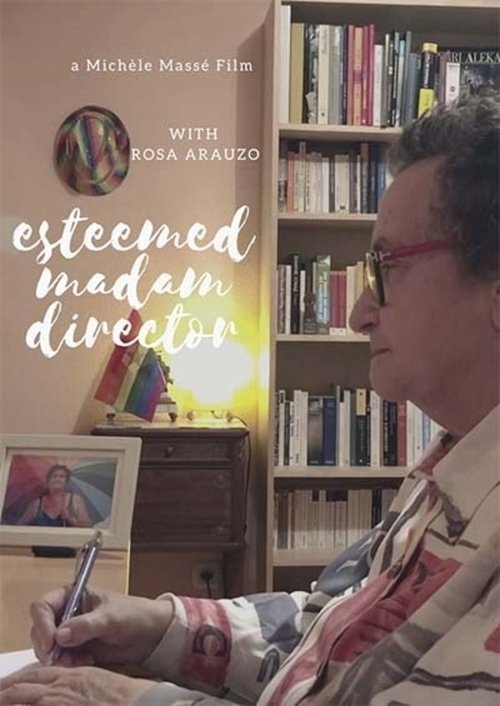
Maria, LGBT rights activist, writes a letter to the director of the senior residency who has denied, to her and her wife Rosa, access to an apartment there. She tells the reasons why they won’t be able to accept the director proposal.
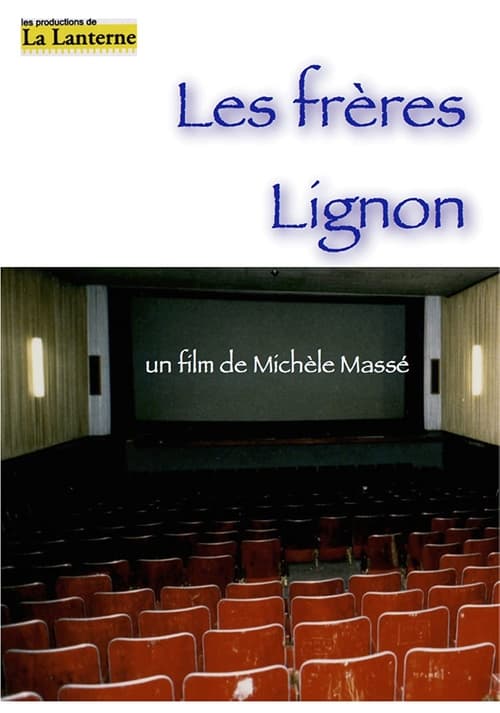
All their life two brothers have cherished the same passion for film. They brought along with them their spouse, Marinette and Marguerite. For over 50 years, in some villages from the Hérault region, they managed 3 cinemas built from their own hands.