Acting
American Playhouse is an anthology television series periodically broadcast by Public Broadcasting Service in the United States.
Set during the 1960s in the fictional North Yorkshire village of Aidensfield, this enduringly popular series interweaves crime and medical storylines.
A British television anthology of stories, often with sinister and wryly comedic undertones, and a twist at the end. With early episodes written and presented by Roald Dahl, the series featured a plethora of big name guest stars.
Upstairs: the wealthy, aristocratic Bellamys. Downstairs: their loyal and lively servants. For nearly 30 years, they share a fashionable townhouse at 165 Eaton Place in London’s posh Belgravia neighborhood, surviving social change, political upheaval, scandals, and the horrors of the First World War.
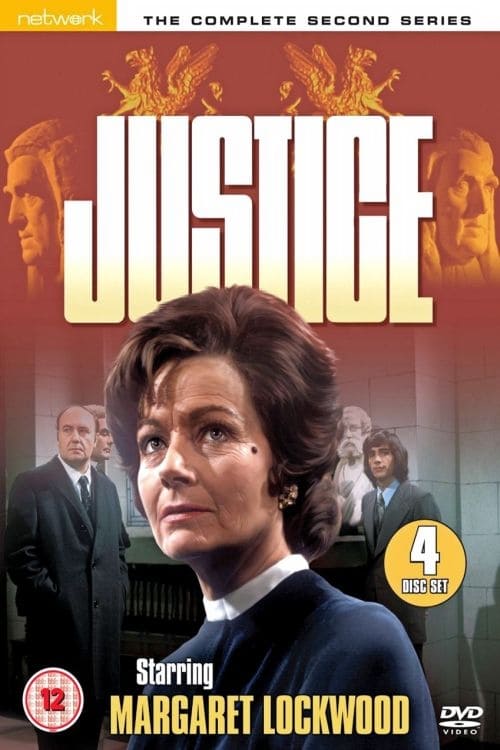
Justice is a British drama television series which originally aired on ITV in 39 hour-long episodes between 8 August 1971 and 16 October 1974. Margaret Lockwood stars as Harriet Peterson a female barrister in the North of England. It was made by Yorkshire Television and was based loosely on Justice Is a Woman, an episode of ITV Playhouse broadcast in 1969 in which Lockwood had previously also played a barrister. The theme music was Crown Imperial by William Walton.
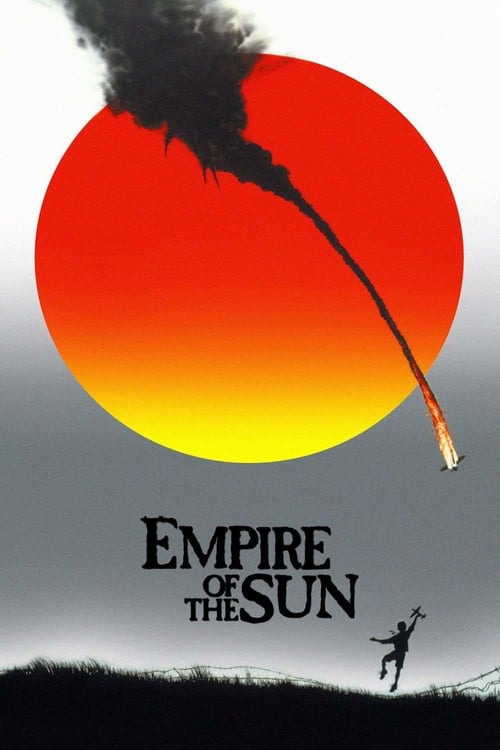
Jamie Graham, a privileged English boy, is living in Shanghai when the Japanese invade and force all foreigners into prison camps. Jamie is captured with an American sailor, who looks out for him while they are in the camp together. Even though he is separated from his parents and in a hostile environment, Jamie maintains his dignity and youthful spirit, providing a beacon of hope for the others held captive with him.
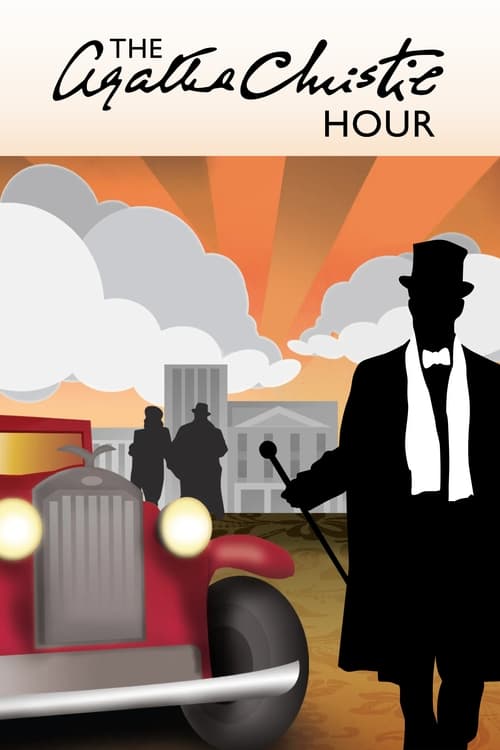
This ten episode program was based on ten short stories written by Agatha Christie but with wide-ranging themes. Some were romances, some had supernatural themes and a couple were adventures. The common link was that all came from the talented pen of Agatha Christie, all were entertaining and each drama was carefully crafted and well cast with many of Britain's best known actors of the time represented.
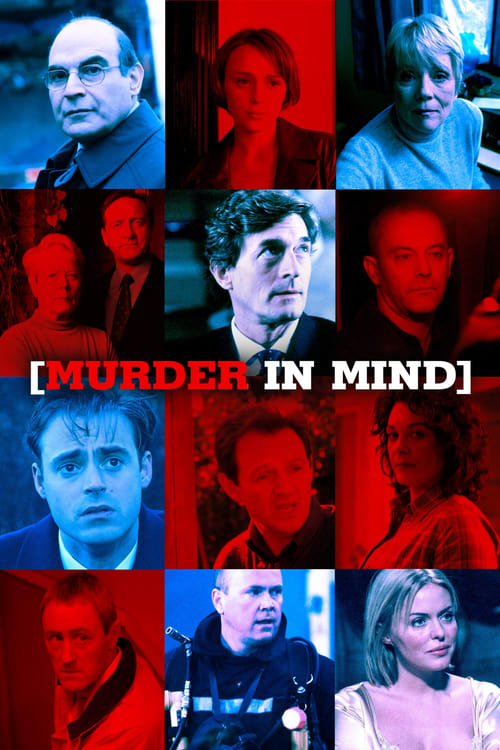
A series of self-contained stories, each recounting a murder scene as seen from the chilling viewpoint of the killer. Explore the inner workings of a criminal's brain, revealing humanity at its darkest.
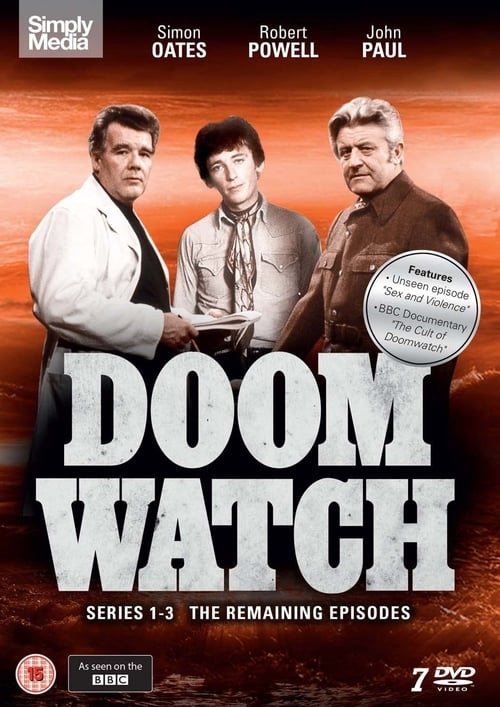
Doomwatch is a British science fiction television programme produced by the BBC, which ran on BBC 1 between 1970 and 1972. The series was set in the then present-day, and dealt with a scientific government agency led by Doctor Spencer Quist, responsible for investigating and combating various ecological and technological dangers. The series was followed by a film adaptation produced by Tigon British Film Productions and released in 1972, and a revival TV film was broadcast on Channel 5 in 1999.
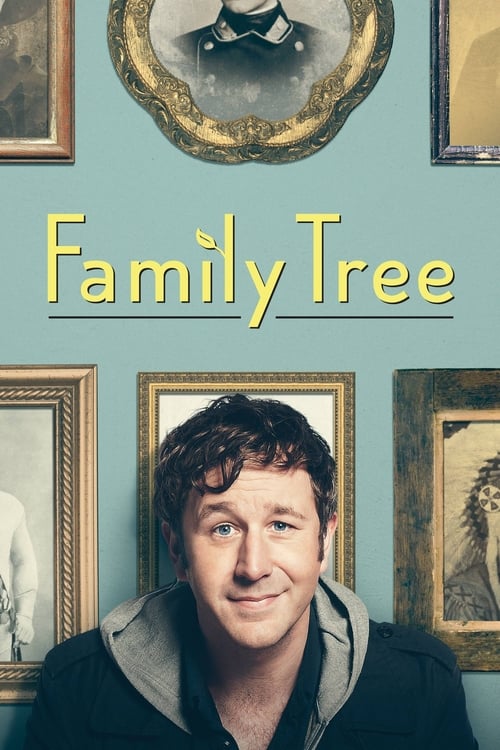
Having recently lost his job and his girlfriend, 30-year-old Tom Chadwick has a rather unsure sense of his own identity. But when he inherits a mysterious box of belongings from a great aunt he never met, Tom starts investigating his lineage and uncovers a whole world of unusual stories and characters, acquiring a growing sense of who he and his real family are.
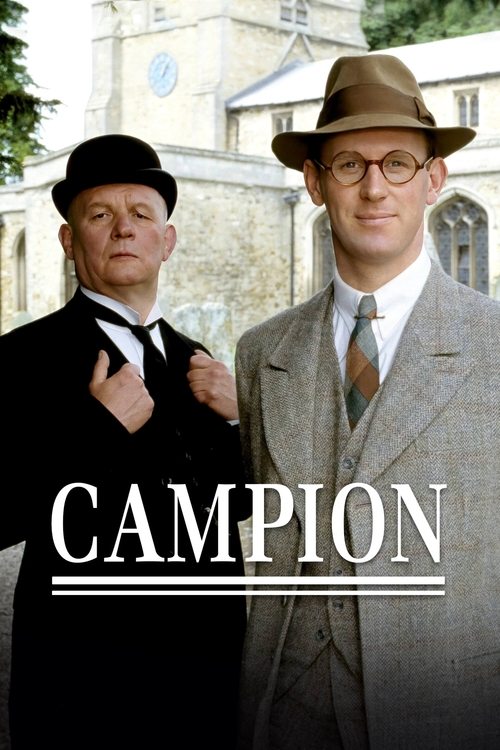
Campion is a television show made by the BBC, adapting the Albert Campion mystery novels written by Margery Allingham. Two series were made, in 1989 and 1990, starring Peter Davison as Campion, Brian Glover as his manservant Magersfontein Lugg and Andrew Burt as his policeman friend Stanislaus Oates. A total of eight novels were adapted, four in each series, each of which was originally broadcast as two separate hour-long episodes. Peter Davison sang the title music for the first series himself; in the second series, it was replaced with an instrumental version.
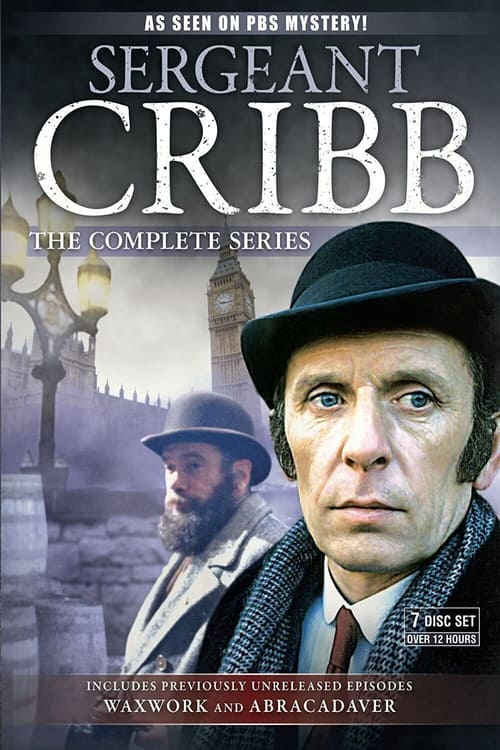
Victorian England, the late 1800s: Detective Sergeant Daniel Cribb of the newly formed Criminal Investigation Department (CID) is determined to remove crime from the streets of London using the latest detection methods.
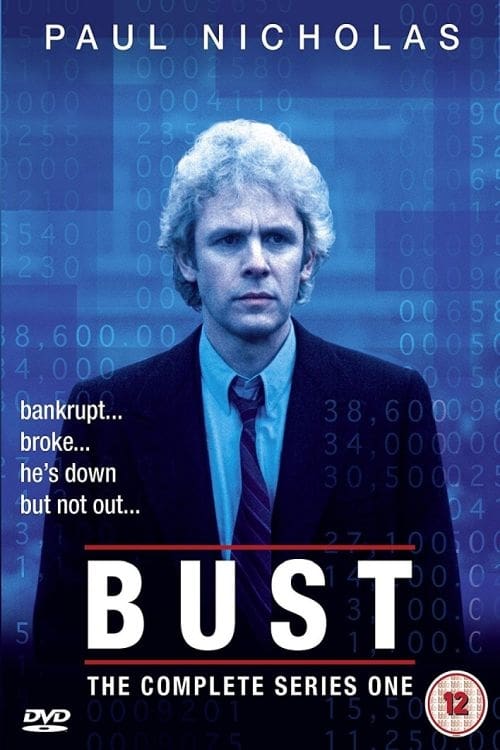
Unsuccessful businessman, Neil Walsh, tries to rebuild his life after being made bankrupt.
An anthology of six standalone plays presented relationships either beginning or ending in love – but the outcome was not always marriage (or happiness). A second series of five episodes aired in 1986.
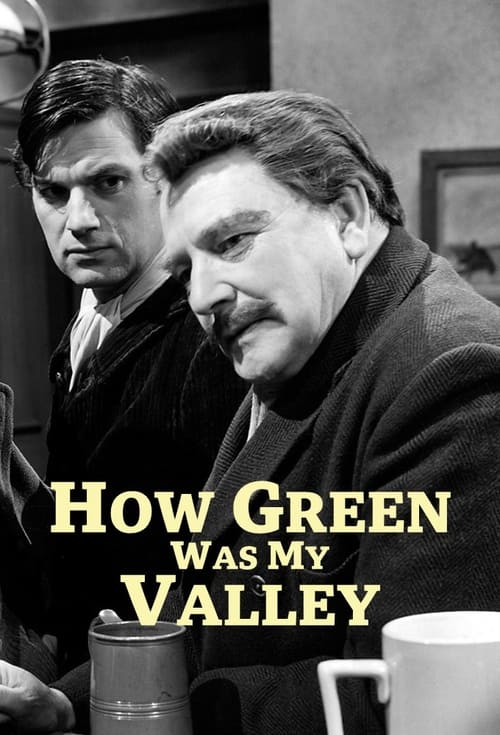
How Green Was My Valley is a six-part television miniseries adapted by Elaine Morgan, based on Richard Llewellyn's eponymous 1939 novel. The serial is produced by the BBC and 20th Century Fox Television for BBC Two—the latter's involvement is due to their ownership of the rights to the novel and its subsequent Oscar-winning 1941 film. Huw Morgan, the academically inclined youngest son in a proud family of Welsh coal miners, witnesses the tumultuous events of his young life during a period of rapid social change. At the dawn of the 20th-century, a miners' strike divides the Morgans: the sons demand improvements, and the father doesn't want to rock the boat.
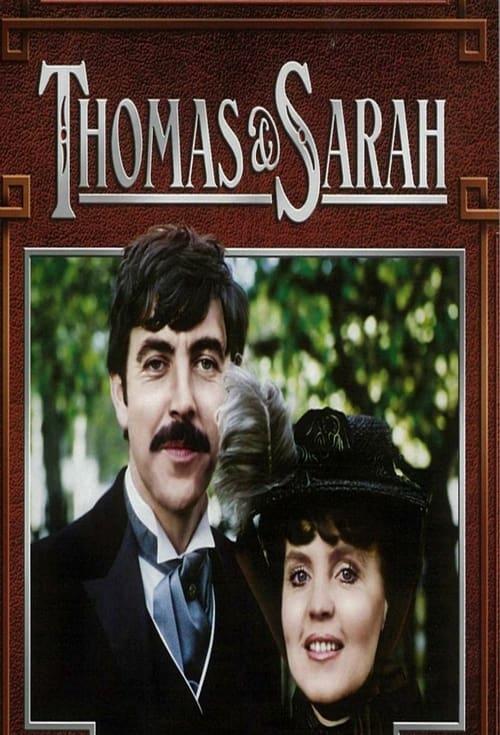
In the aftermath of Upstairs Downstairs, chauffeur Thomas Watkins and housemaid Sarah Moffat have gone their separate ways. But when a near fatal auto accident reunites them, the duo team up to hatch get-rich-quick schemes, pose as wealthy investors, or take on various odd jobs—often at the expense of others.
Murder Most English: A Flaxborough Chronicle (often referred to simply as Murder Most English) is a seven-part British detective miniseries based on Colin Watson's Flaxborough novel series. While Martin Lisemore receives billing on all episodes, he died midway through filming, and was replaced by Bill Sellars, who refused credit. Flaxborough, near the sea, near the countryside, seems such a nice town, so quiet, so charming. But underneath its placid surface, all kinds of scandalous things go on.
A series of short plays, all originally published as short stories in the 1920s.
In the 1930s, Alison starts a new boarding school and becomes embroiled in a sinister plot to dethrone the royal family of Bosnovia.
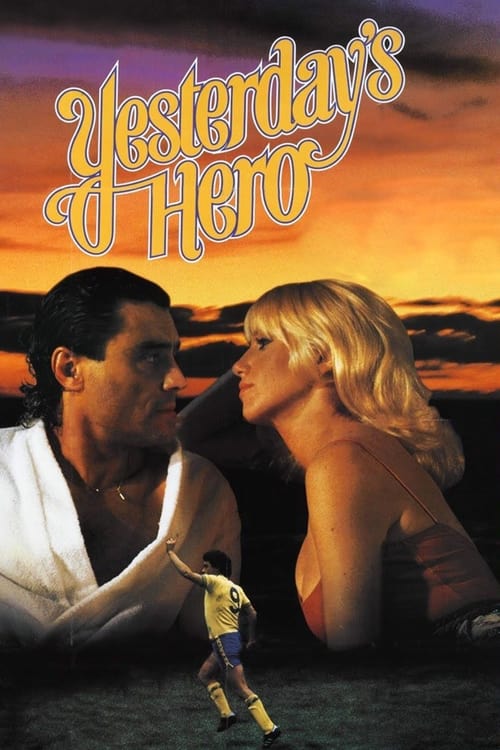
Successful soccer player Rod Turner spirals into drunken self-pity until he develops a friendship with an inspirational orphan and a beautiful singer. Learning from them what truly matters in life, Rod regroups and returns to form.