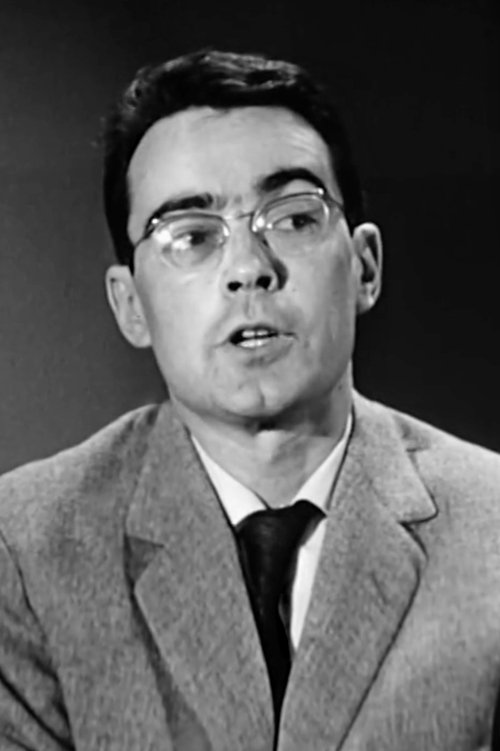
Jean Prat
Directing
Known For

The Legend of White Fang is a cartoon series based on the historical serial White Fang by Jack London FilmFair, at the time a division of the Storm Group, produced the series for the Canadian pay television channel Family, which transmitted it from 1992–94; HBO later transmitted it in the United States. Canadian writer Pierre Berton was a history consultant to the series.
The Legend of White Fang
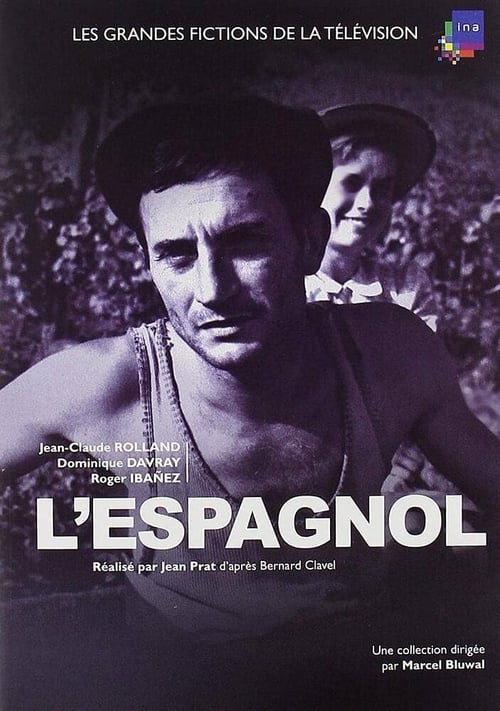
A survivor of the Spanish Civil War who had been in French internment camps takes refuge with a family of winegrowers in the Jura. He becomes attached to this land that is not his own.
L'Espagnol
No description available.
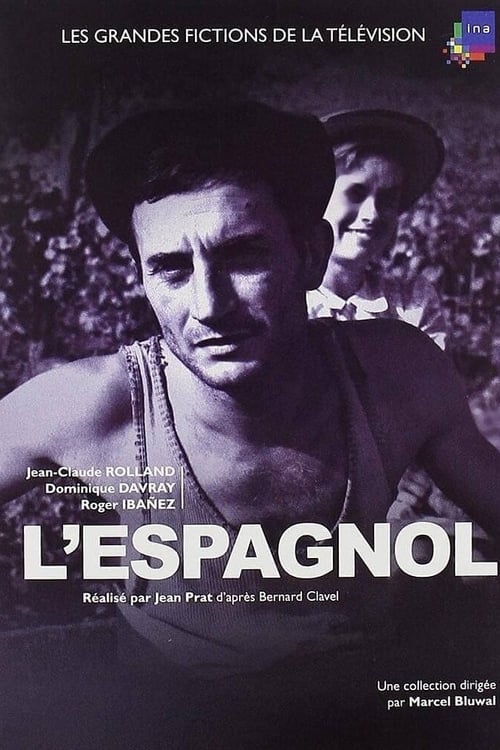
L'Espagnol
No description available.
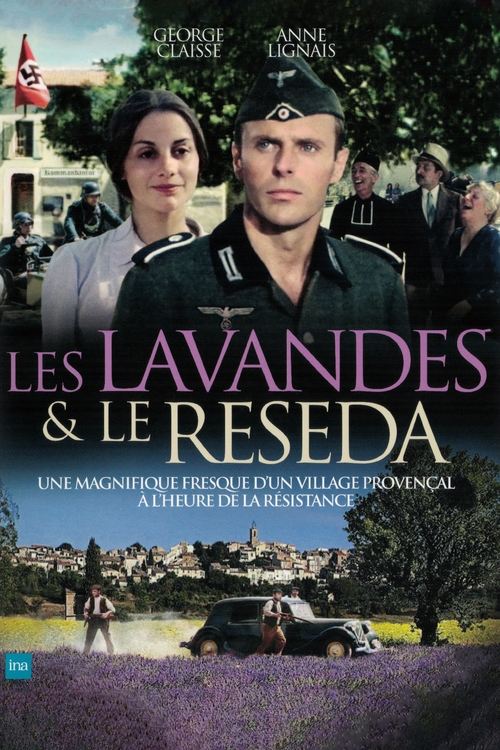
Les Lavandes et le Réséda
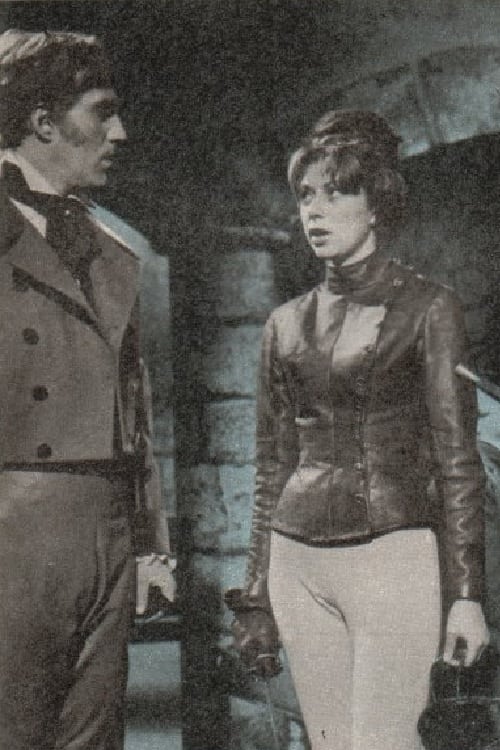
The action takes place under the Restoration, at the Château de Savigny, near Nerville, a devout and prudish little town in the Cotentin region. Doctor Torty is the doctor. He tells a story of which he is the only one to know the secret, that of a criminal couple, without any remorse. The pretty Hauteclaire Stassin, daughter of the master of arms, meets the Count of Savigny, married to the noble and languid Delphine. Madly in love with the count, Hauteclaire joined the castle as a servant. Shortly after, the countess died of poisoning. Will the guilty lovers go unpunished?
Hauteclaire
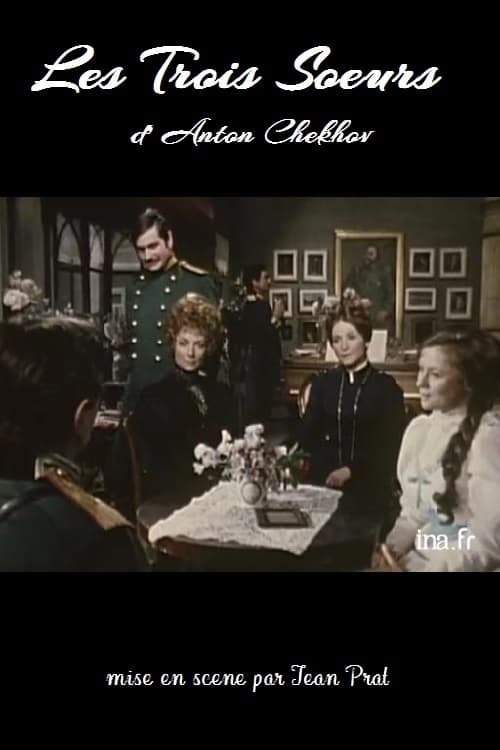
Olga, Masha, and Irina Prozoroff lead lonely and purposeless lives following the death of their father who has commanded the local army post. Olga attempts to find satisfaction in teaching but secretly longs for a home and family. Masha, unhappy with her marriage to a timid schoolmaster, falls hopelessly in love with a married colonel. Irina works in the local telegraph office but longs for gaiety. Their sense of futility is increased by their brother's marriage to Natasha, a coarse peasant girl. She gradually encroaches on the family home until even the private refuge of the sisters is destroyed. They dream of starting a new life in Moscow but are saddled with the practicalities of their quiet existence. Despite their past failures, they resolve to seek some purpose and hope when the army post is withdrawn from the town.
Les Trois Sœurs
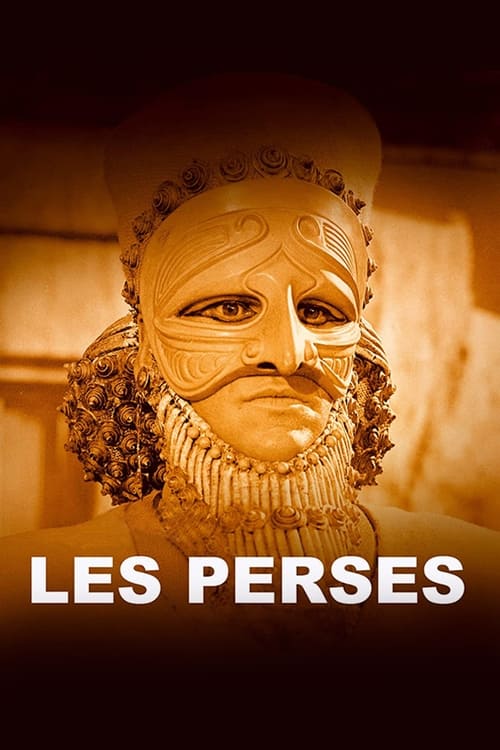
Les Perses (The Persians) is a French TV movie adaptation of Aeschylus' oldest known tragedy, Πέρσαι (Persai). It was originally broadcasted in October 31, 1961. The play deals with the aftermath of the Persian defeat in the battle of Salamis (480 BC), which makes it the only Greek tragedy that deals with a real historical event.
The Persians
No description available.
Les Célibataires
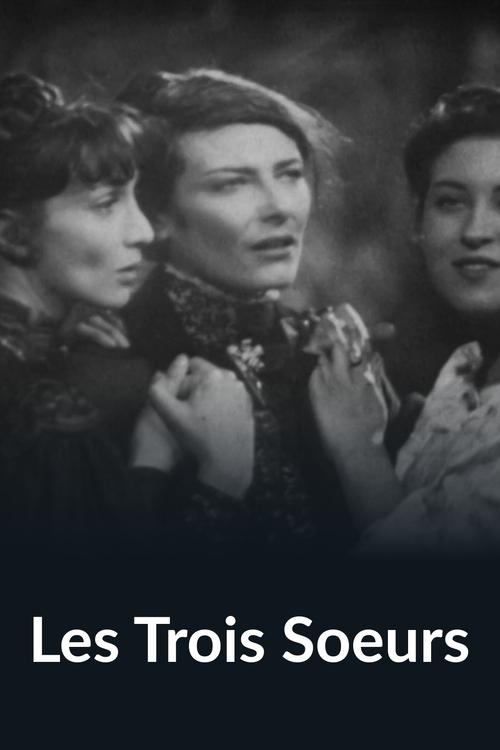
A year after the death of their father, life can begin again for Macha, Olga, Irina and their brother, Andrei. But the unpredictability of life destroys their hopes and certainties. The sisters of failed dreams now live in an idle city where everything has to start again. Chekhov's drama about loss and regaining meaning.
Les Trois Sœurs

No description available.
Six personnages en quête d'auteur
No description available.
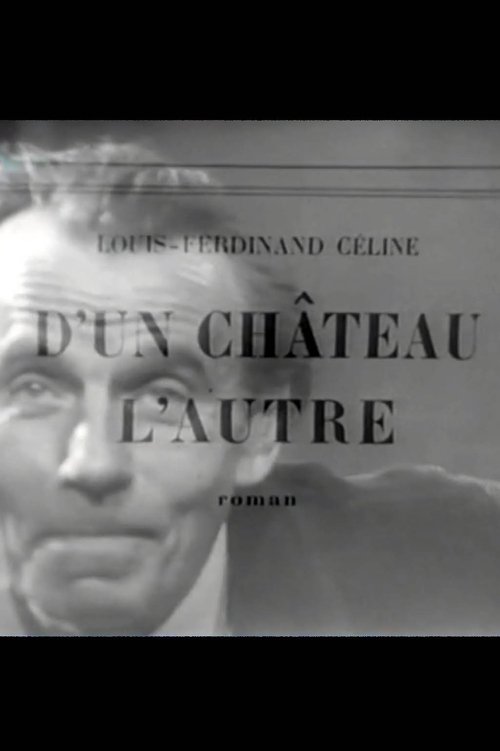
Louis-Ferdinand Céline : entretien avec Pierre Dumayet
No description available.
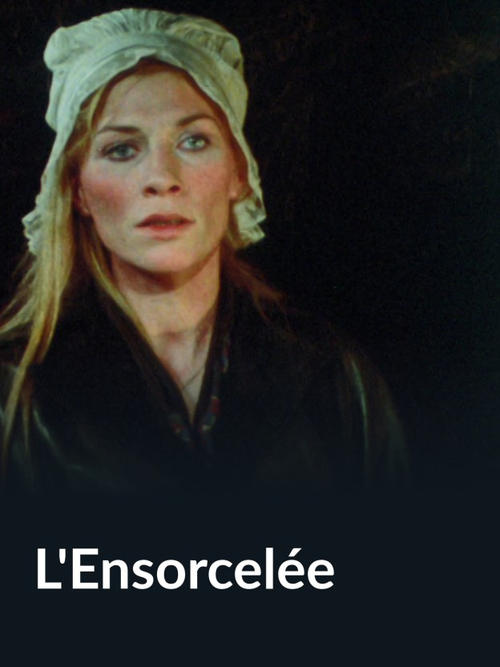
L'Ensorcelée
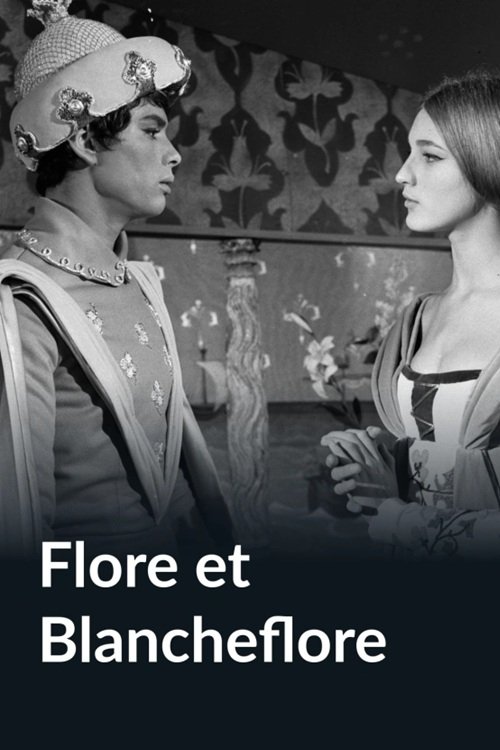
Flore is the son of a king, Blancheflore the daughter of a slave. The two children grow up together until they reach adolescence, but when the adults see the love between them blossoming, they decide to separate them. In this beautiful adaptation of a 13th-century tale, the staging, sets and costumes give us the impression of being immersed in medieval miniatures.
Flore et Blancheflore
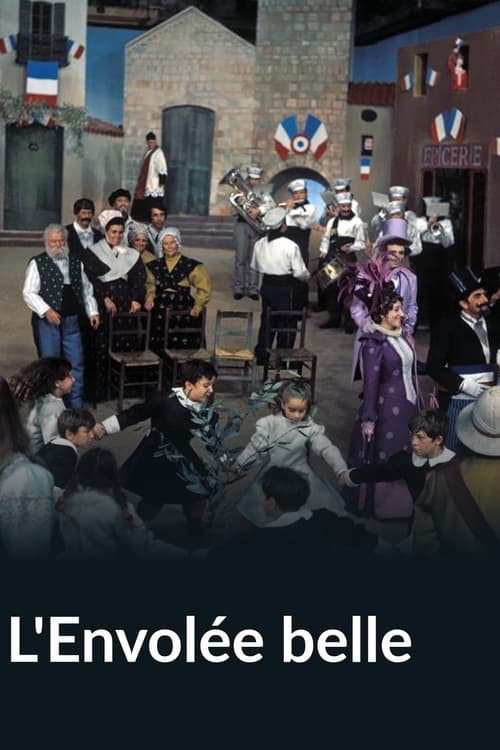
Two tourists in Provence meet an old naive peasant painter who tells them the extraordinary story that happened in the village in 1890: Amédée, the teacher, succeeded in stealing.
L'Envolée belle
No description available.
C'Est Pour Demain
No description available.
Lectures pour tous : D'un château l'autre
No description available.