FEEL IT.STREAM
?

Maud Linder

Directing

Biography

Maud Linder was a French journalist, film historian, and documentary filmmaker, renowned for preserving and promoting the legacy of her father, silent film star Max Linder. Orphaned at 16 months due to her parents' tragic deaths, she was raised by her grandparents. At 20, upon discovering her father's films, she dedicated herself to restoring and sharing his work. In 1963, she compiled Laugh with Max Linder, a film that premiered at the Venice Film Festival and received the Étoile de Cristal award. Her 1983 documentary, The Man in the Silk Hat, about her father's life and career, was screened out of competition at the Cannes Film Festival. Linder's efforts were instrumental in reviving interest in early cinema and her father's contributions to the film industry.
Known For

Papa, Mama, My Wife and Me
5.9

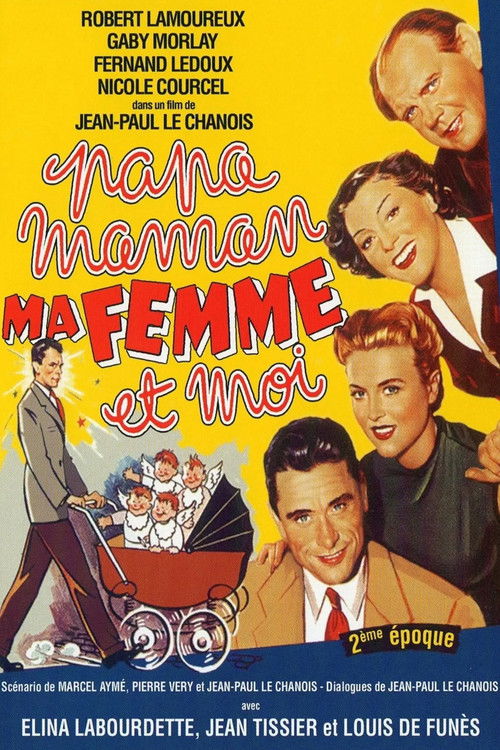
Robert Langlois is now married to Catherine, the former housemaid. And they would live happily ever after if the housing crisis did not force them to live together with Gabrielle and Fernand, Robert's parents. For, despite the good will on either side, tension soon arises. What else to expect when there is too little space in their Montmartre apartment for four people (then for six then eight, the couple having... two pairs of twins!) ; the continued presence there of Fernand (who loves peace and quiet) after he is driven to retirement ; the difficult beginnings of Robert as a lawyer in a room of the apartment, etc... Other troubles follow and the harried family is on the verge of implosion...

Papa, Mama, My Wife and Me

1955
Love and the Frenchwoman
4.9

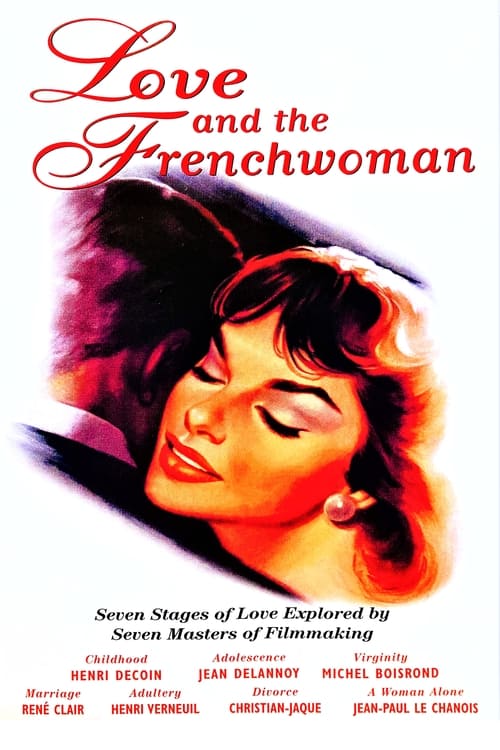
The seven stages in the life of the modern Frenchwomen are disclosed by seven directors in a witty way: 1 - Childhood, 2 - Adolescence, 3 - Virginity, 4 - Marriage, 5 - Adultery, 6 - Divorce, 7 - The Single Woman.

Love and the Frenchwoman

1960
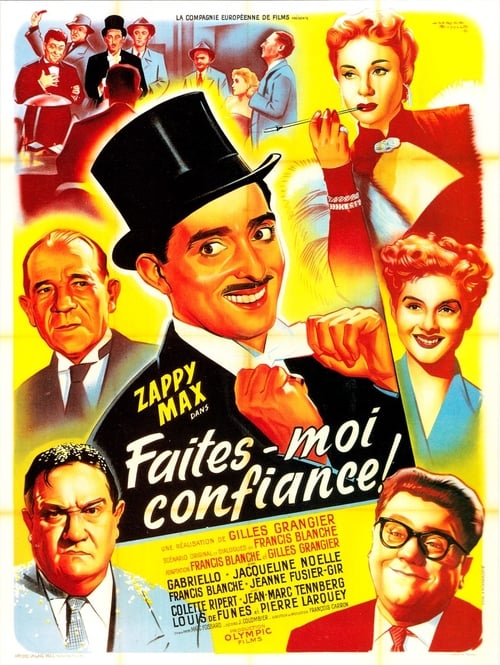
Trust Me!
6.2

Max, an illusionist as unlucky as he is skilled, would like to marry his boss's daughter, but his boss won't hear of marriage and even threatens to fire him if he doesn't come up with an interesting act. A supplier of magic items comes to Marx's rescue, handing over his "magic clock". Marx locks himself in to experiment with it and, unable to get out, falls asleep... He has a dream in which, with the power to make false things true, he becomes the hero of extraordinary adventures that take him to an Eastern country where he is made Emperor. He calls Helen to marry him, but the deposed Emperor takes revenge by having the usurper locked up in a sarcophagus.

Trust Me!

1954
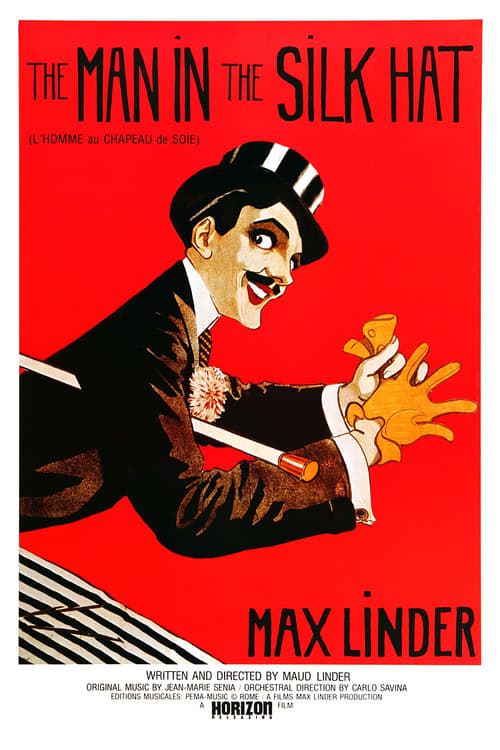
The Man in the Silk Hat
9.0

A documentary with many excerpts from the films of French movie pioneer Max Linder, narrated by his daughter.

The Man in the Silk Hat

1983
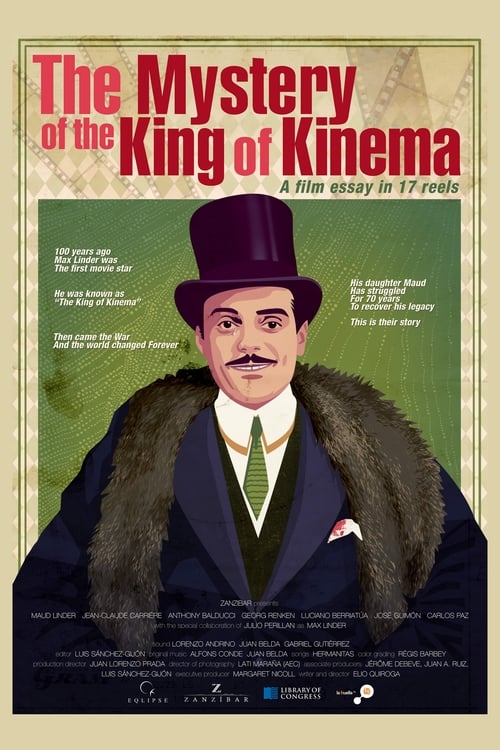
The Mystery of the King of Kinema
6.0

In 1914, Max Linder (1883-1925) was a great star of silent cinema, the King of Cinema. But then World War I broke out, in which Max participated, and the whole world, and his life in particular, was changed forever. His daughter Maud has fought for seventy years to regain his legacy. This is his story…

The Mystery of the King of Kinema

2014
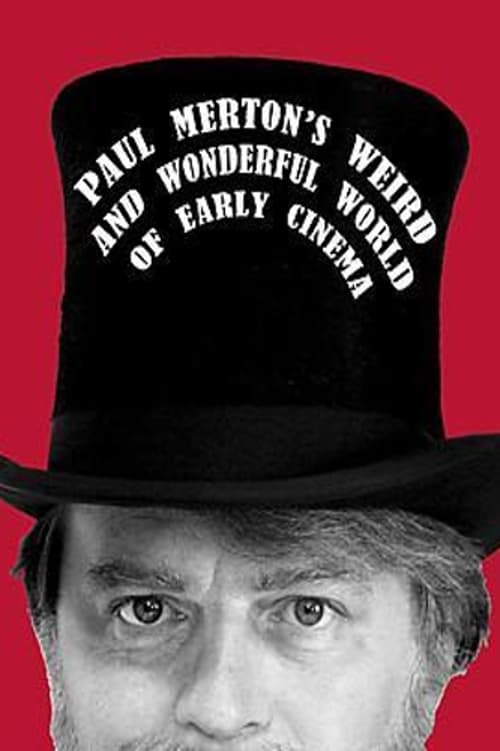
Paul Merton's Weird and Wonderful World of Early Cinema
7.0

Paul Merton goes in search of the origins of screen comedy in the forgotten world of silent cinema - not in Hollywood, but closer to home in pre-1914 Britain and France. Revealing the unknown stars and lost masterpieces, he brings to life the pioneering techniques and optical inventiveness of the virtuosos who mastered a new art form. With a playful eye and comic sense of timing, Merton combines the role of presenter and director to recreate the weird and wonderful world that is early European cinema in a series of cinematic experiments of his own.

Paul Merton's Weird and Wonderful World of Early Cinema

2010
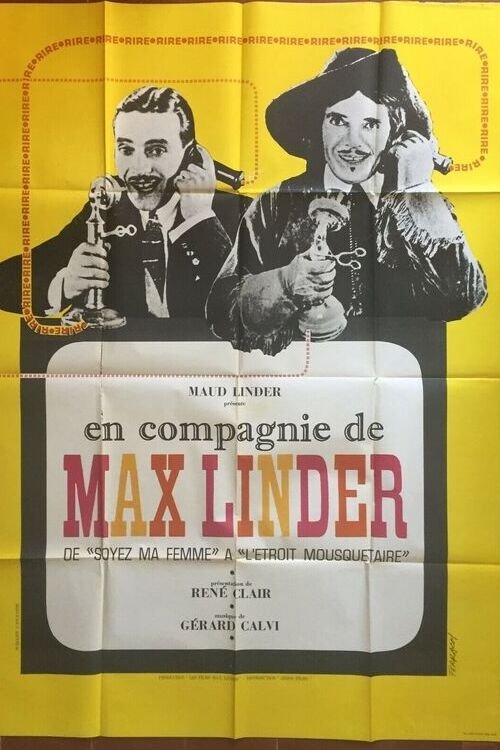
Laugh with Max Linder
7.4

Pioneering comedy legend Max Linder wrote, produced, directed and starred in Seven Years Bad Luck. Hilarious misadventures begin when Max' butler, chasing a maid, breaks an expensive full-length mirror. The butler persuades the cook, who somewhat resembles Max, to stand behind the frame and be Max's reflection. This gag, developed by Max, has become a classic of film and even television borrowed by everyone from the Marx Brothers to Abbott and Costello to Red Skeleton.

Laugh with Max Linder

1963