FEEL IT.STREAM
John Cohen

John Cohen

Directing

Biography

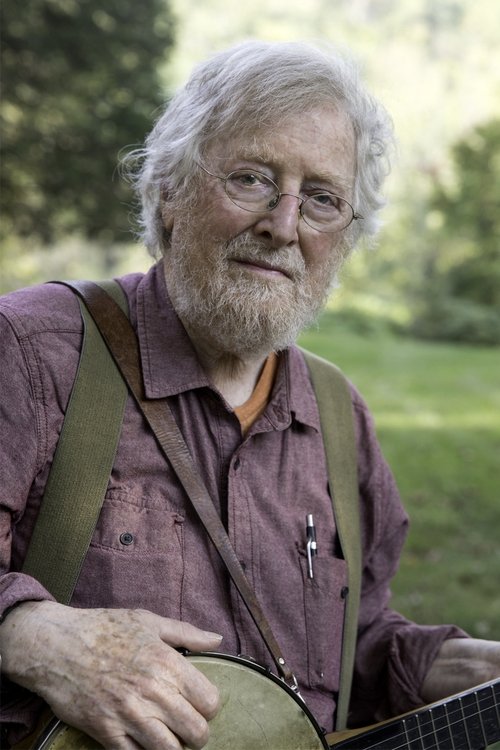
John Cohen (1932–2019) was a major figure in the development and appreciation of traditional music, and one of the most prolific contributors to the Smithsonian Folkways collection of recorded sounds. He was a musician, photographer, filmmaker, and record producer, but those words do not adequately describe John, whose work transcended labels and defied categorization.
Known For

No image
3.0

Matt - a 17 year old zombie apocalypse survivor aide by his Cyborg, Joanesy - is in pursuit of a surviving female to help him repopulate the human race.

Saving the Human Race

2017
No image
N/A

This provocative and profound film documents the Choqela ceremony, an agricultural ritual and song of the Aymara Indians of Peru. By offering several different translations of the proceedings, the film acknowledges the problems of interpretation as an inherent dilemma of anthropology.

Choqela: Only Interpretation

1987
No image
5.6

An egg-sorting woman shrugs off even the appearance of Christ. From Isaak Babel story.

The Sin of Jesus

1961
Fifty Miles from Times Square
N/A

A colorful portrait of life in Putnam County, New York, with its "old-time fiddlers, farmers, commuters, and hippies," where an earlier, more traditional, relaxed style of life continues. This now-classic documentary will generate discussion in a range of classes in American studies, cultural anthropology, sociology, and popular culture. It was produced by renowned filmmaker and musician John Cohen.

Fifty Miles from Times Square

1981
No image
N/A

Documentary about the most popular music of the Andes -- Huayno music -- and explores the lives of three Huayno musicians in a contemporary Peru torn between the military and the Shining Path guerrillas.

Dancing with the Incas

1992
The End of an Old Song
9.0

John Cohen, founding member of the ‘50s folk troupe the New Lost City Ramblers, started making films in order to bring together the two disciplines he was heavily active in: music and photography. The End of an Old Song brings us to North Carolina, and demonstrates the power of old English ballads sung with gusto while soused in a saloon.

The End of an Old Song

1969
The High Lonesome Sound
7.3

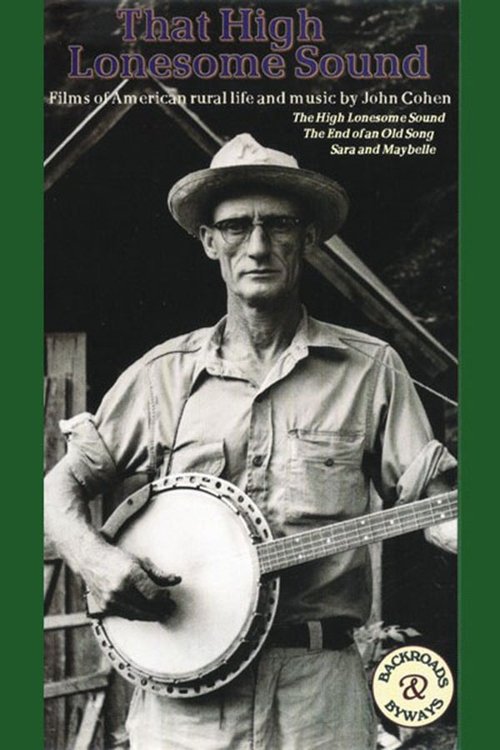
The poignant songs of church-goers, miners, and farmers of Hazard in eastern Kentucky express the joys and sorrows of life among the rural poor. John Cohen of the old-time string band the New Lost City Ramblers evocatively illustrates how music and religion help Appalachians maintain their dignity and traditions in the face of change and hardship. Featuring the noted banjo picker Roscoe Holcomb.

The High Lonesome Sound

1963
Q'eros: The Shape of Survival
2.0

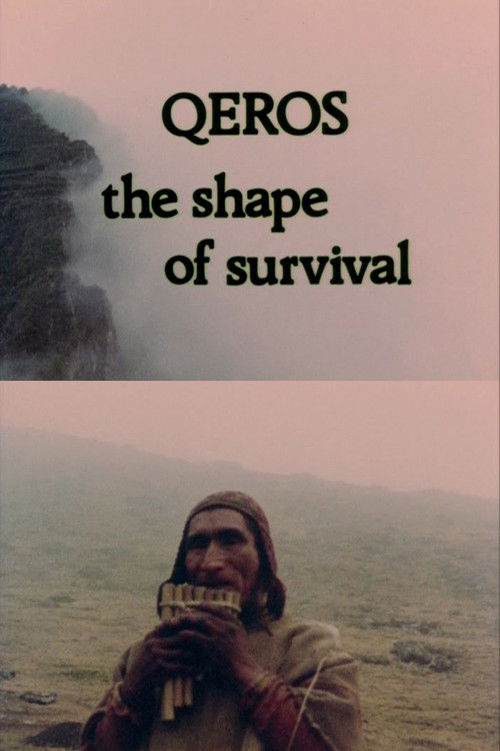
Exploration of the way of life of the Q’eros Indians of Peru, who have lived in the Andes for more than 3,000 years.

Q'eros: The Shape of Survival

1979
No image
N/A

Window in to the vision of Mark Frank's artistic work.

Visions of Mary Frank

2014
Pericles in America
N/A

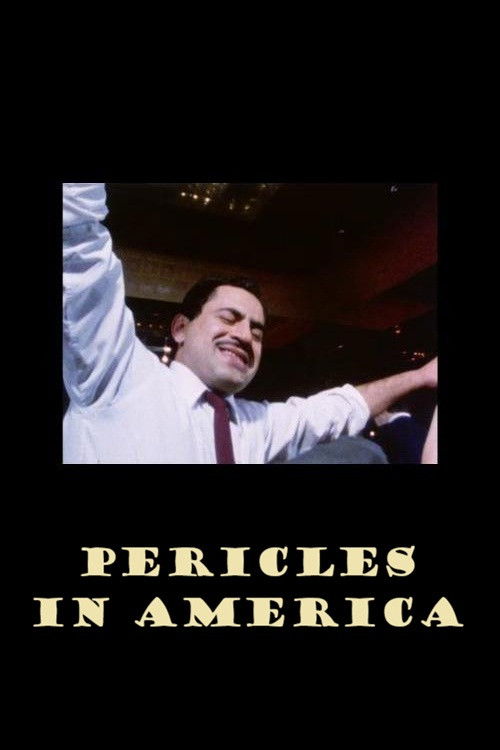
This musical portrait of immigrant clarinetist Pericles Halkias and the Epirot-Greek community explores the aspirations and ambivalences of Greek-Americans. Moving between Queens, New York and northern Greece, it presents the traditional music of Epirus, showing how the music unites the Epirot community around the world. The film defines America not as a melting pot, but rather as a place to make a better living. The Epirots who earn their living here have their hearts planted firmly in the mountains of Greece.

Pericles in America

1988
Remembering the High Lonesome
N/A

Remembering the High Lonesome is the story of the making of a classic documentary film. It is also a profile of filmmaker, photographer, artist, and musician John Cohen. Through interviews, as well as Cohen's own photographs and scenes from his classic film The High Lonesome Sound: Kentucky Mountain Music, filmmaker Tom Davenport focuses on Cohen's journey to rural Kentucky in the 1950s to document the lives of the people there and his "discovery" of the musician Roscoe Holcomb. Remembering the High Lonesome also examines the birth of a new artistic ethic and counterculture through John Cohen's involvement with the Beat Generation, abstract expressionist painters, and the Folk Music Revival, and explores the role of an outsider documenting the life and arts of an Appalachian community.

Remembering the High Lonesome

2003
Mountain Music of Peru
N/A

A portrait of the folk music, culture and lifestyle of the people of Qeros, high in the Peruvian mountains.

Mountain Music of Peru

1984
No image
4.5

This groundbreaking documentary shows the remarkable Carnival celebrations — never before seen by outsiders — of a remote community of Indians high in the Peruvian Andes. Their culture offers important clues into the Inca past and the roots of Andean cultures.

Carnival in Q'eros

1991
No image
N/A

“Doc & Merle” reaches deep into the relationship between Doc and Merle Watson. It gives an historical overview of their evolution as musicians and explores the special bond between them and the North Carolina mountains they call home. It presents an entertaining and enlightening look at their lives and their music. During their 21-year career, the Watsons’ mastery of guitar and their unique blend of traditional, bluegrass, country and western, blues and gospel music won them an international audience and numerous awards.

Doc & Merle

1986
Gypsies Sing Long Ballads
N/A

Scotland’s Gypsies have lived outside mainstream society for more than 500 years. Although some of the “Travelling People” still live by the sides of roads, most live today in houses and are under pressure to abandon their culture. This film celebrates their traditional music, especially the long unaccompanied British ballads that date back hundreds of years and have been handed down by memory through the generations.

Gypsies Sing Long Ballads

1982
Always Been a Rambler
N/A

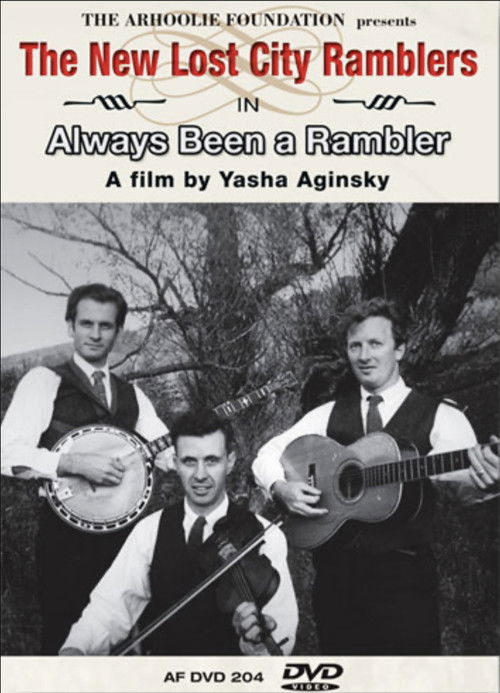
A film by Yasha Aginsky This hour-long documentary celebrates fifty years of the New Lost City Ramblers (Mike Seeger, John Cohen, Tracy Schwarz and Tom Paley.) Among the first urban musicians to seriously pursue the old-time music traditions of the American South, the New Lost City Ramblers became stars of the 1960s folk revival, appearing at Newport Folk Festival and touring widely in the U.S. and Europe. They inspired generations of younger musicians to explore America’s traditional music, from elder statesman Bob Dylan to banjo virtuoso Bela Fleck to the contemporary African-American string band the Carolina Chocolate Drops, all of whom participated in the film. ALWAYS BEEN A RAMBLER reveals the Ramblers as musicologists as well as expert musicians, showing them side-by-side with traditional musicians including Dock Boggs, Maybelle Carter, and Doc Watson.

Always Been a Rambler

2020
Roscoe Holcomb from Daisy, Kentucky
N/A

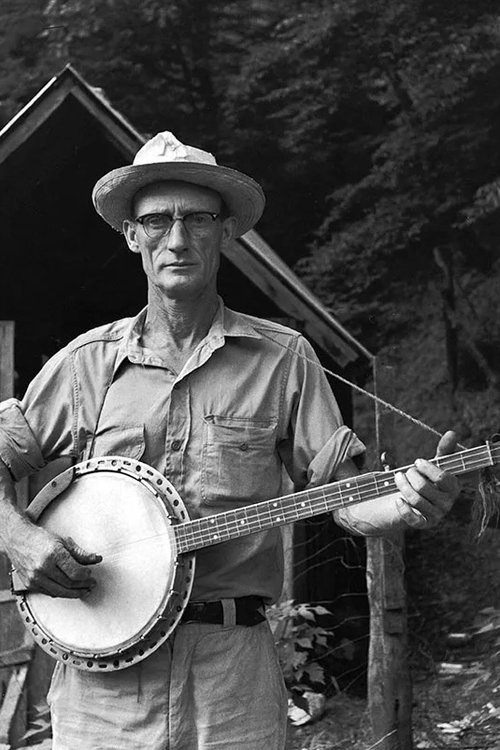
Roscoe Holcomb was one of America’s greatest banjo players, a musician whose haunting vocal intonations, Old Regular Baptist in tradition, gave Bob Dylan and Eric Clapton the chills and gave John Cohen’s 1963 film High Lonesome Sound its name. Drawing on footage he shot in 1962 and 1974 in Daisy, Kentucky, Cohen made this incredibly moving portrait of Holcomb, for whom the holy spirit always rose up plain and true: “Sometimes, you know, you feel like playing certain songs. I feel like playing the old banjo, I feel like playing some religious songs. I sit down, I feel lonesome. I could play you some of these old religious songs and it just fits me plumb through. Or I could pick up the guitar—the guitar is mostly for the blues. It’s just according to what a man feels, what he’s got on his mind.” His body ravaged by a life in the coal mines and sawmills, Roscoe Holcomb died in 1981 at the age of 68. — Museum of Modern Art

Roscoe Holcomb from Daisy, Kentucky

2010
Sara and Maybelle
5.5

A rare filmed performance of the two titular members of the Carter Family.

Sara and Maybelle

1981
Post-Industrial Fiddle
N/A

Explores the importance of music-making in the life of a pulp mill worker in rural Maine.

Post-Industrial Fiddle

1982
Peruvian Weaving
N/A

Examination of warp pattern weaving in Peru, an ancient Andean Indian tradition handed down from woman to woman for some 5,000 years.

Peruvian Weaving

1980