Gisèle Rapp-Meichler
Directing
Known For
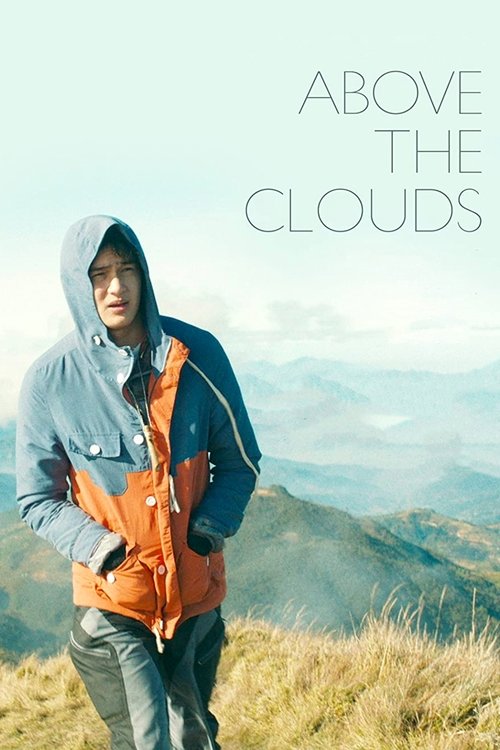
A 15-year-old boy goes on a hiking trip with his estranged grandfather, and overcomes the grief of losing his parents on a mountain above the clouds.
Above the Clouds
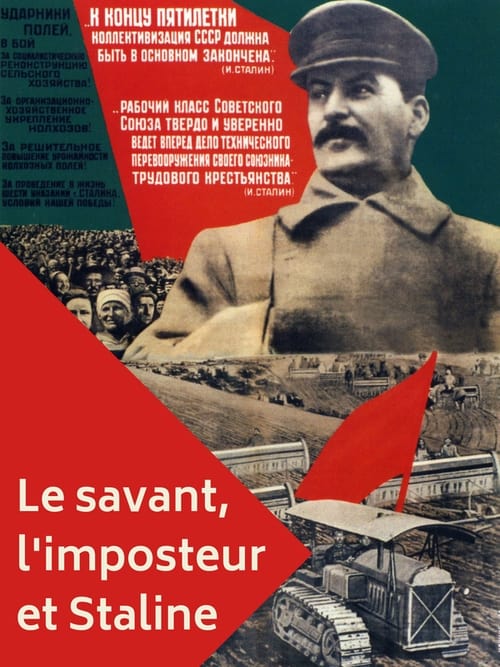
The documentary tells two very different human fates in the 1920s Soviet Union. Nikolai Vavilov was a botanical genius, Trofim Lyssenko was an agronomist who made great promises and fake inventions. Each of them tried to solve the country's nutritional problem, but only one succeeded.
The Scientist, The Imposter and Stalin: How to Feed the People
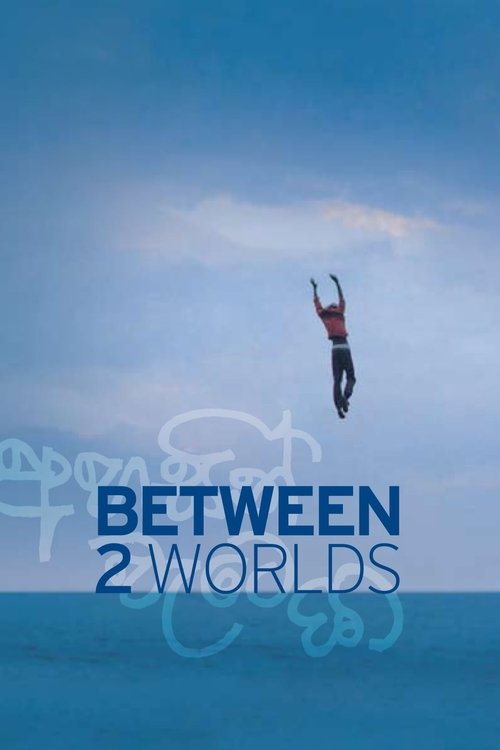
The young man fell from the sky. Communication relay burns. Flee from the city and its commotion, return to nature. Become part of another story. That of the legend of the prince. In the hope of a love, hiding behind the hollow in a tree. Nothing magic is improbable. What happened yesterday, may happen again tomorrow.
Between Two Worlds
With a super 8 camera from Paris to Berlin, from Amsterdam to Rio, from Jerusalem to New York shooting only at night. Hungarian crooners, Indian tribal chants, opera arias, and an occasional samba make up the sound track of this “hand-held” diary.
Movie
No description available.
Ne dominez pas vos passions
No description available.
Histoire du petit Chaperon rouge
Separation of the functions and circulations in architecture and town planning: DES DALLES (FLAGSTONES). Ironic, methodical and critical journey of these places: DEDALE. Cinema is critique of reality. When this reality is already ideologically "mise en scène" (directed), a function of the cinema is to dislocate this scene to find its reality.
Dédale
Animated scouting whose primary goal is to reactivate the poetry of myths in urban areas.
Réserve
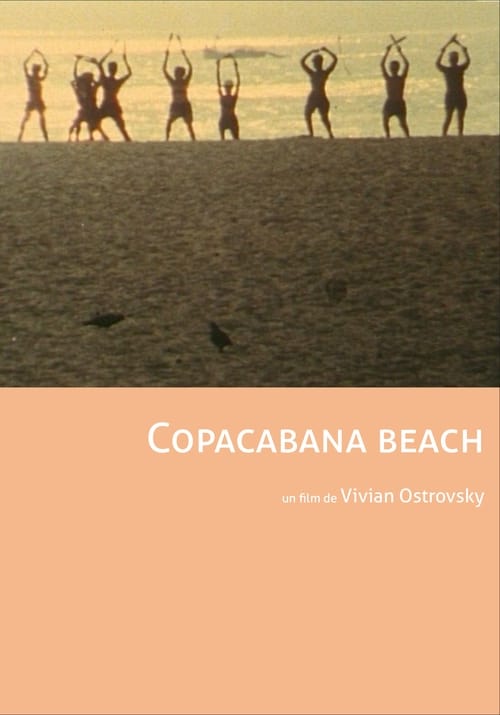
A humorous glimpse of what happens every morning on the wavy sidewalks of Copacabana Beach. Physical fitness, Brazilian style, with a dash of soccer and hints of Carmen Miranda.
Copacabana Beach

Based on a dream, superposition of ruined castles, scree and poetic fragments in the Alsatian winter.
Au lieu
A series of episodes inspired by the popular Alsatian character "Hans im Schnockeloch", "who has everything he needs, wants nothing he has but has nothing he wants". "We wanted to restore some radical vitality to this typically Alsatian character. Incisive." A. Wicker
No Hans Land
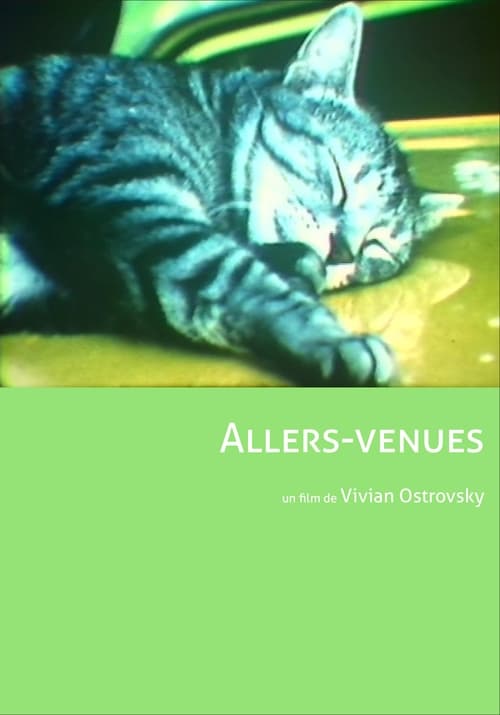
A month in the country. In summer, a group of friends rent a house in southern France. People come and go, making their way through chickens, dogs and cats. Playful sounds and a wacky collage of music make up the soundtrack.
Allers-Venues
Snow is suspended. It becomes rare. The wonder is in peril. The extraordinary atmosphere which it induces and which suspends the stifled daily life, moves away from our impatience. Snow is a curtain behind which capitalist issues are going on, the consequences of which are universal and global. Nivose is an attempt to reverse the movement, to fix and revive by abstraction a climatic phenomenon so far condemned by mankind in a process that could be inescapable. Magic operates when the camera catches the flakes in the opposite direction.
Nivose
ROSA ROT gives two frameworks and two points of view: the abstract one, of a free inner thought as manifested by the visual immersion in a piece of landscape subject to constant change, striated by gales mingled with the incessant fall of thick snowflakes - and that, concrete, wider and distanced but in the same axis of this landscape crossed by the fixed frame of a window, which brings us back to a state of physical confinement while reading Rosa Luxemburg's letter from prison gives further evidence. As proof that no prison hinders freedom of thought.
Rosa Rot
If, one evening, a village drinker abuses of schnapps to the point of risking a heart attack, the traditional remedy is to bury him up to his neck in manure and leave him there until morning. The organic heat causes an intense elimination of sweat, and the ammonia brings the patient back to consciousness. The "where am I" that follows and the short-circuiting, in the ethylic haze, of the dazzle of the first sun on the snow and the disgust of finding oneself in manure: this is the crucial moment of the borderline experience portrayed in the film. Death and resurrection, steeped not in mystery but in elementary chemistry, which, through its excess, opens the mind to the terrible presence of reality. A tribute to the strong primal character of the Alsatian in his stubborn resistance to all worldly things, and his fierce anchoring to the world.
Mescht und Schnee
A minute and a half to recall endangered words. When the backwash of obscurantist thoughts seeks to overwhelm more enlightened ideas, our survival reflex consists – in this specific case of blacklisting words and therefore the ideas they represent – of declaiming their names loudly and clearly, whatever our language, in order to keep them alive and ready to operate, to resist. Would it be enough to remove the word "war" to eradicate conflicts ?
Motamot - Des mots pour les idées
Cine-tract. Contribution to the collective film CONTEMPT & REBELLION. Against the political arrogance, it's time to remind us recipes of action that have already been proposed and to use them.
Jeu et serieux
Following the movie : "Au Lieu". A cinematic reading of the metaphor between the city of Rome and the unconscious, in which Freud introduces Civilization and Its Discontents. "A dream of a place, a stone and of présence. A photographic pilgrimage from the abandoned stairs of the vineyard of Guebwiller until Rome, Eternal City ..." A self-portrait by photographer Luc Meichler.
Conversio At Fantasmata
Reflections on the emergence of the image memory in its path from the subliminal image to an imposant image. How to imagine the unimaginable? A flash-a souvenir - a dissection table. A family roadtrip on a winter Sunday in the black 203 with small red wings. In the late 50s we would realize the reality of horror embedded in the territory of Alsace less than twenty years ago: a Nazi concentration camp. To see for trying to believe? "In the absence of truth, however, we find moments of truth, and those moments are really all we have to bring order into this chaos of horror." Hannah Arendt.
Un instant de vérité
Research of cinematographic adequacy with the plastic and technological work of the artist Piotr Kowalski. Document on the setting up of the "Time Machine" exhibition at the Center Georges Pompidou (1981/82).