Acting
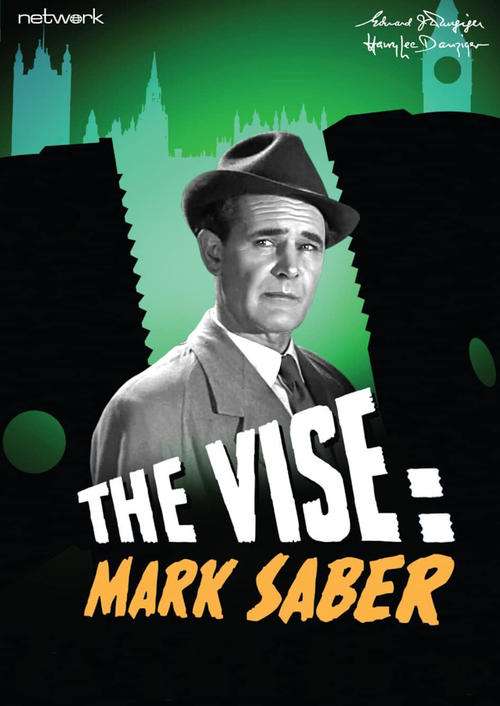
A half-hour 1950s detective television series that took different forms and titles during its run. From October 1951 to June 1954, ABC Mystery Theater stars Tom Conway as the titular character, a plainclothes English detective working with the NYPD Homicide Division. The Vise (seasons 1–4): Donald Gray portrays Saber as a one-armed private detective based in London. Broadcast on ABC from October 1954 to June 1957. Saber of London (seasons 5–7): Gray reprises his role in this final iteration, broadcast on NBC from September 1957 to May 1960.
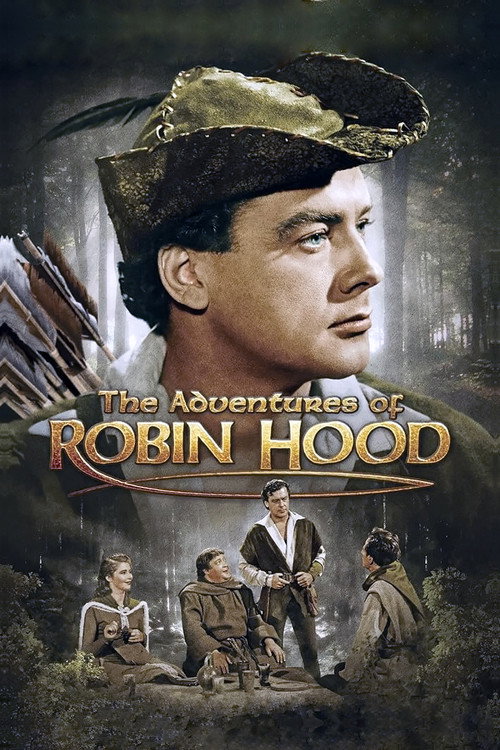
The legendary character Robin Hood and his band of merry men in Sherwood Forest and the surrounding vicinity. While some episodes dramatised the traditional Robin Hood tales, most episodes were original dramas created by the show's writers and producers.
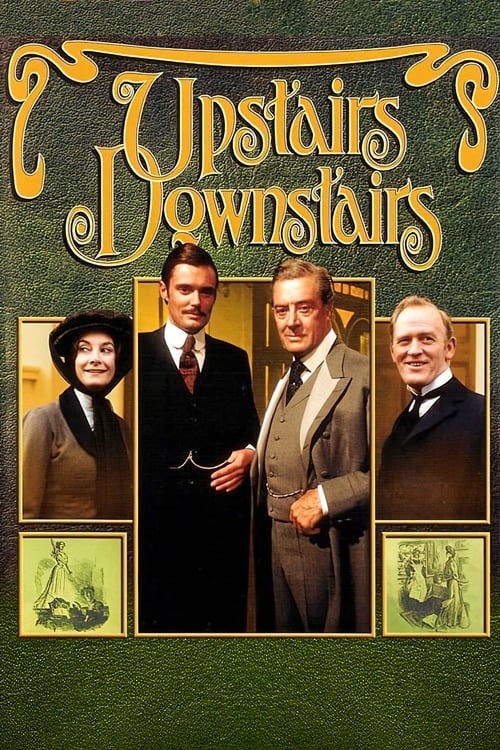
Upstairs: the wealthy, aristocratic Bellamys. Downstairs: their loyal and lively servants. For nearly 30 years, they share a fashionable townhouse at 165 Eaton Place in London’s posh Belgravia neighborhood, surviving social change, political upheaval, scandals, and the horrors of the First World War.
Sunday Night Theatre was a long-running series of televised live television plays screened by BBC Television from early 1950 until 1959. The productions for the first five years or so of the run were re-staged live the following Thursday, partly because of technical limitations in this era, and the theatrical basis of early television drama. Some of the earliest collaborations between Rudolph Cartier and Nigel Neale were produced for this series, including Arrow to the Heart and Nineteen Eighty-Four. The Sunday night drama slot was subsequently renamed The Sunday-Night Play which ran for four seasons between 1960 and 1963. ITV transmitted its own unrelated run of Sunday Night Theatre between 1971 and 1974.
Churchill's People is a British anthology series based on A History of the English-Speaking Peoples, Winston Churchill's four-volume history of Britain and its former colonies. 26 episodes were produced by the BBC and initially broadcast from 30 December 1974 to 23 June 1975.
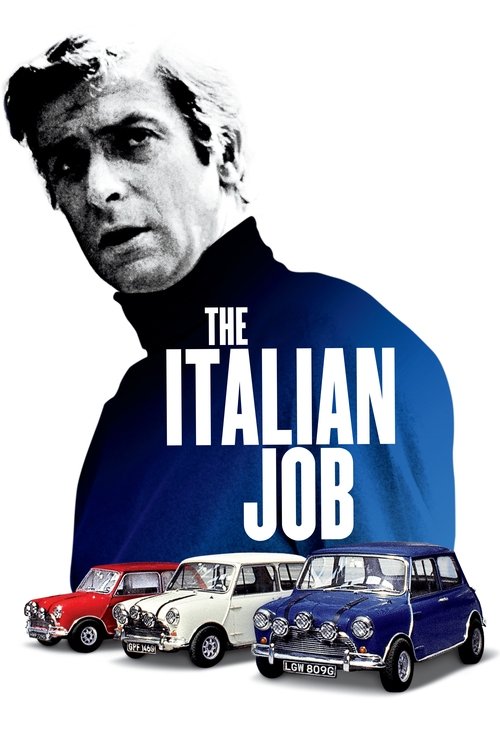
Charlie's got a 'job' to do. Having just left prison he finds one of his friends has attempted a high-risk job in Torino, Italy, right under the nose of the mafia. Charlie's friend doesn't get very far, so Charlie takes over the 'job'. Using three Mini Coopers, a couple of Jaguars, and a bus, he hopes to bring Torino to a standstill, steal a fortune in gold and escape in the chaos.
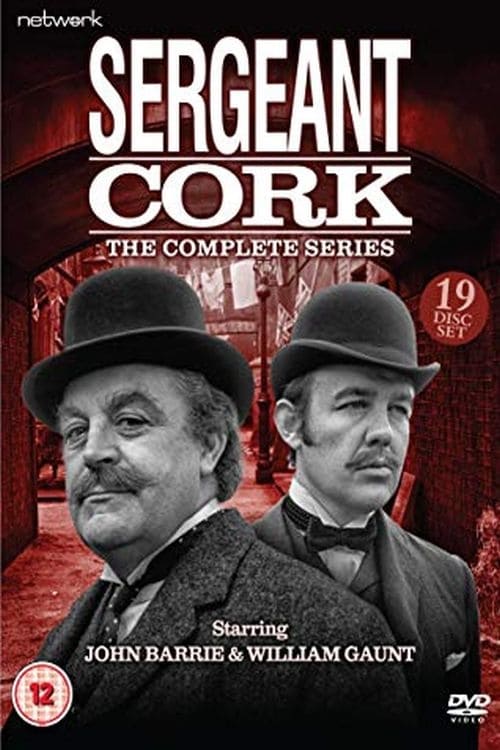
Sergeant Cork is a British detective television series which first aired between 1963 and 1968 on ITV. It was a police procedural show that followed the efforts of two police officers and their battle against crime in Victorian London. In all 66 hour-long episodes were aired during the five-year run, although the last episode was not broadcast until January 1968, 16 months after the others. Journalist Tom Sutcliffe has credited it as a first example of the use of the Victorian-era policeman in a television crime series. A 1969 review in The Age opined that rather than suspense, the strengths of the series were its "excellent period settings and wonderfully thick pea-soupers" which "add up to splendid evocative stuff", as well as the performance of star John Barrie. At no time during the whole series is Sergeant Cork's first name given.
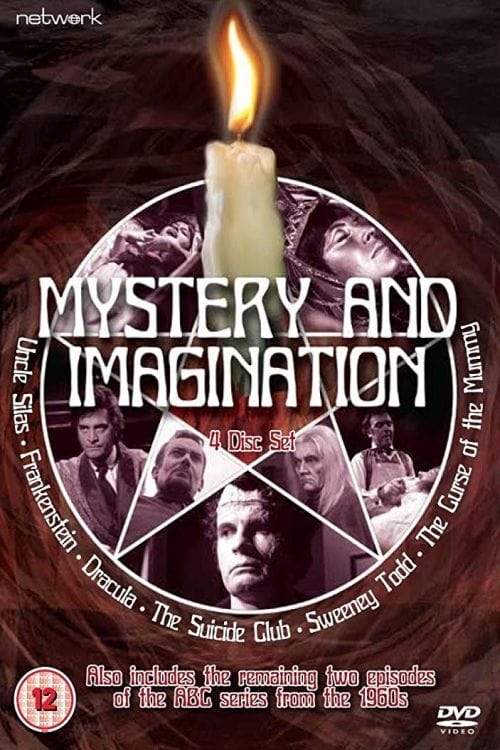
Mystery and Imagination is a British television anthology of classic horror and supernatural dramas. Five series were broadcast from 1966 to 1970 on ITV and produced by ABC and Thames Television.
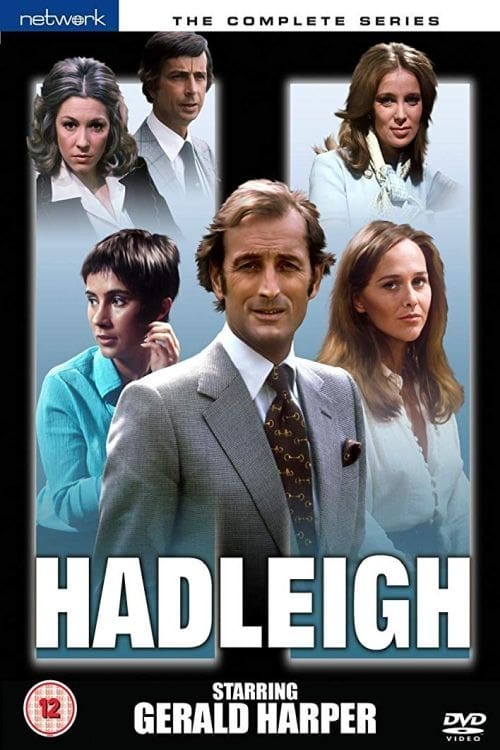
Hadleigh was a British television series made by Yorkshire Television which originally ran from 1969 to 1976. Developed by Robert Barr, it was a sequel to the writer's earlier Gazette for the same company. The theme music was composed by Alan Moorhouse and, from series 3, Tony Hatch. James Hadleigh played by Gerald Harper, was "the perfect squire, paternalistically careful of his tenantry's welfare, beloved in the village, respected in the council." A "knight in a shining white Aston Martin V8, he sets about correcting local injustices." His wife, from a lower-class background, was played by Hilary Dwyer. The series attracted around 17 million viewers at its peak.
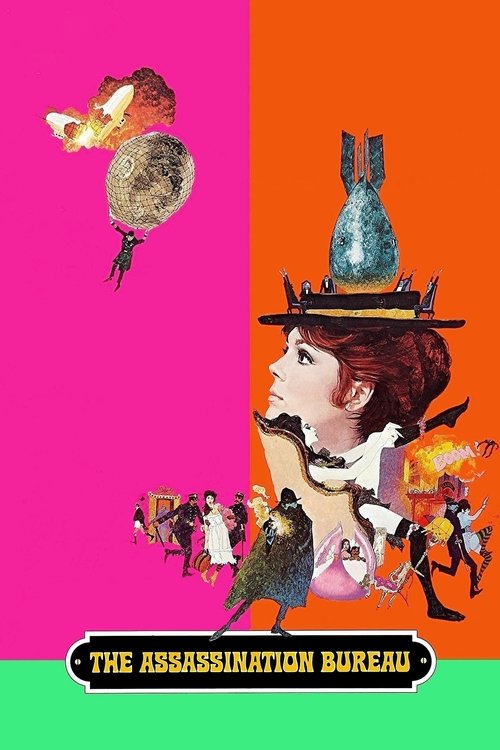
In 1908 London, a women's rights campaigner discovers the Assassination Bureau Limited, an organization that kills for justice. When its motives are called into question, she commissions the assassination of its chairman. Knowing that his colleagues have recently become more motivated by greed than morality, he turns the situation into a challenge for his board members: kill him or be killed.
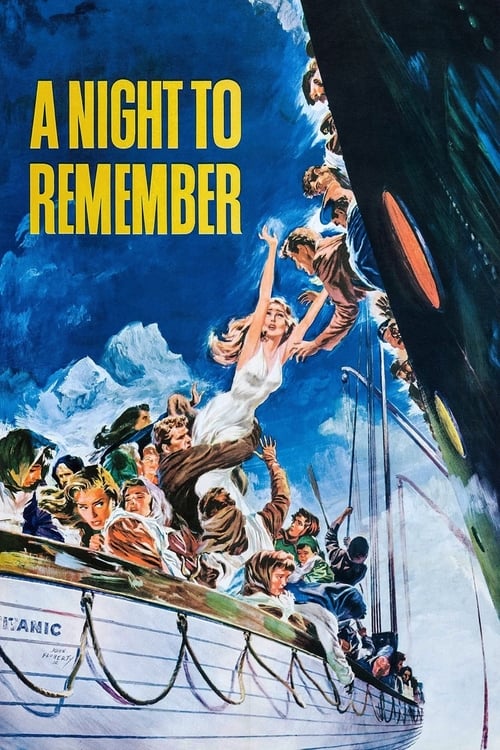
The sinking of the Titanic is presented in a highly realistic fashion in this tense British drama. The disaster is portrayed largely from the perspective of the ocean liner's second officer, Charles Lightoller. Despite numerous warnings about ice, the ship sails on, with Capt. Edward John Smith keeping it going at a steady clip. When the doomed vessel finally hits an iceberg, the crew and passengers discover that they lack enough lifeboats, and tragedy follows.
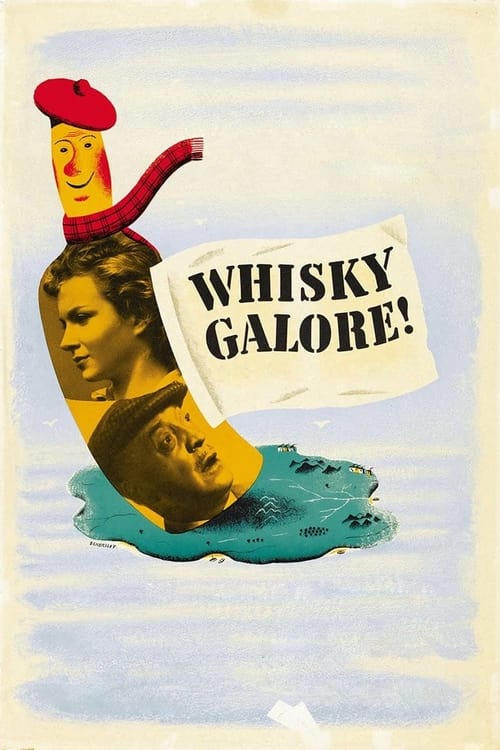
Whisky Galore! is a 1949 British comedy film produced by Ealing Studios, starring Basil Radford, Bruce Seton, Joan Greenwood and Gordon Jackson. It was the directorial debut of Alexander Mackendrick; the screenplay was by Compton Mackenzie, an adaptation of his 1947 novel Whisky Galore, and Angus MacPhail. The story—based on a true event, the running aground of the SS Politician—concerns a shipwreck off a fictional Scottish island, the inhabitants of which have run out of whisky because of wartime rationing. The islanders find out the ship is carrying 50,000 cases of whisky, some of which they salvage, against the opposition of the local Customs and Excise men.
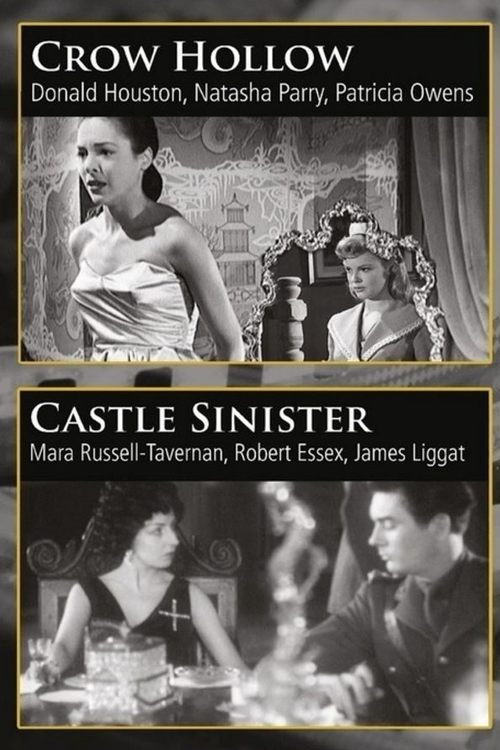
During the War, a British agent travels to the remote Glennye Castle in the wilds of Scotland to investigate a mysterious murder by a masked phantom. Who or what is the phantom? And how are the Germans involved?
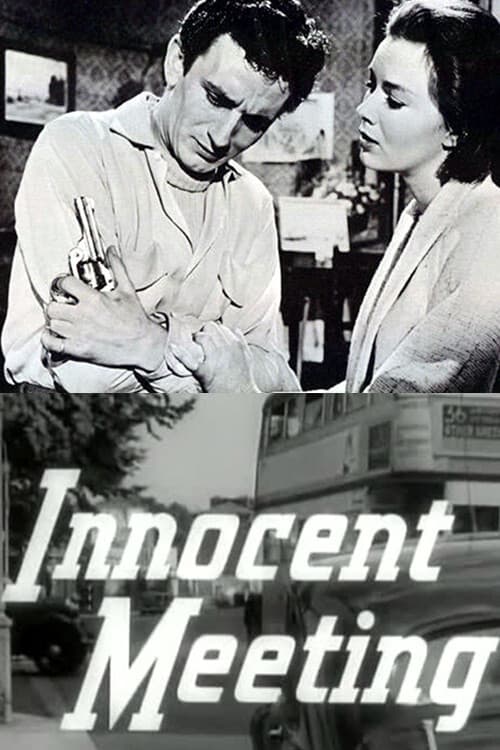
The daughter of a textile company owner falls in love with a young illustrator with a secret criminal past.
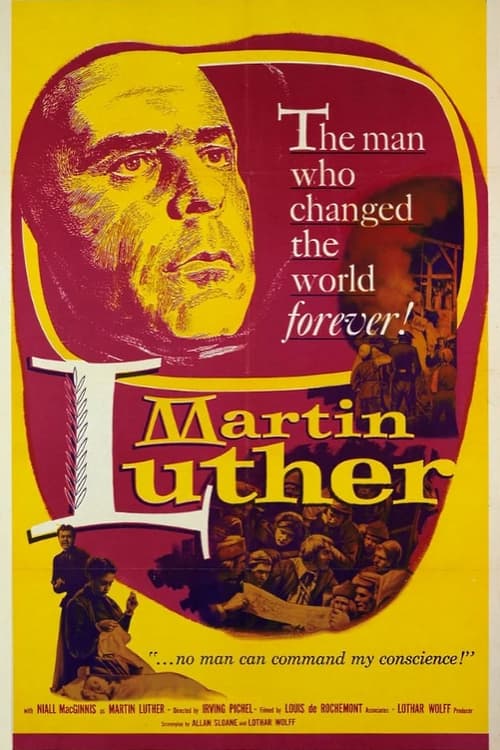
A biopic of Martin Luther, covering his life between 1505 and 1530, and the birth of the Protestant Reformation movement.
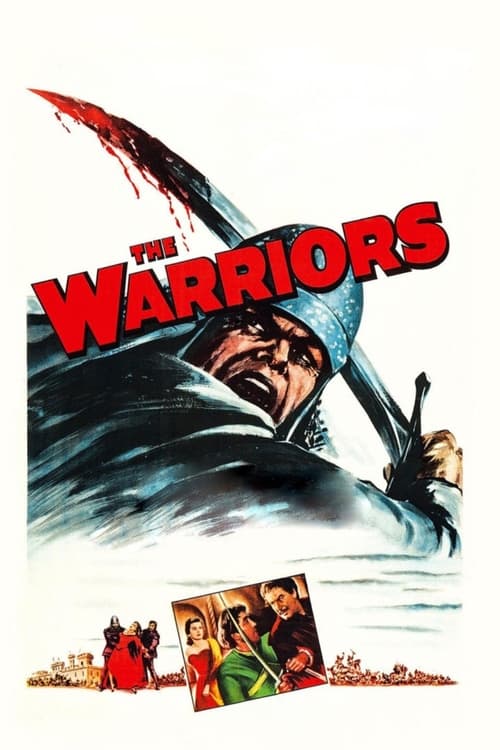
Edward, Prince of Wales, son and heir to his father King Edward III of England, leads an English army to the French province of Aquitaine to protect the inhabitant from the ravages of the French. After defeating the French in battle, the defeated French plot to kill the prince. Failing in this, they kidnap his lady, the lovely Lady Joan Holland. Of course Prince Edward has to ride to the rescue, adopting numerous guises to save his paramour, which ultimately end in him leading his men into one final climactic battle against the French. (Also known as "The Warriors" and "The Black Prince").
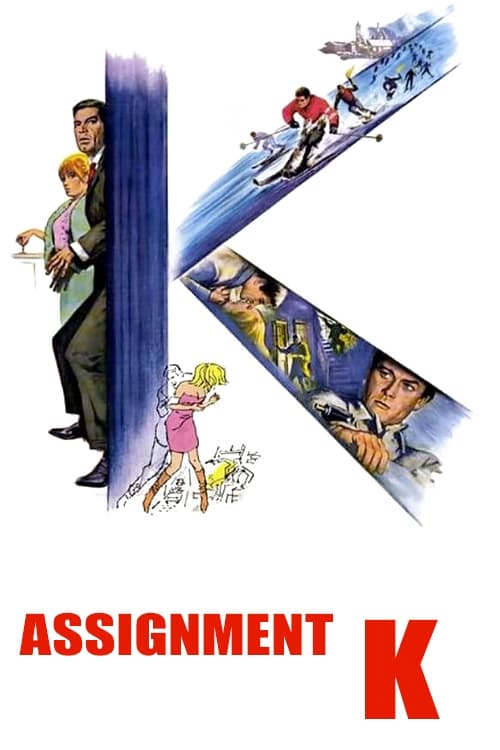
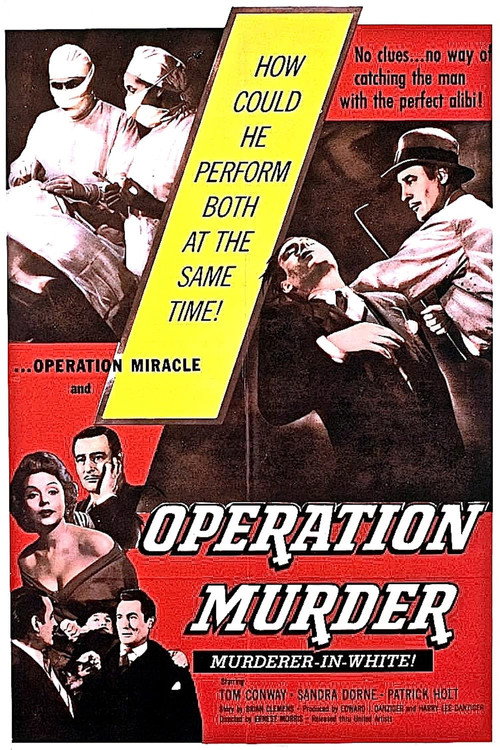
Philip Scott, the boss of a toy company, is secretly also the chief of a British spy organization. Scott's cover is destroyed when enemy agents kidnap his girlfriend to force him to reveal the identities of his fellow spies.
No description available.
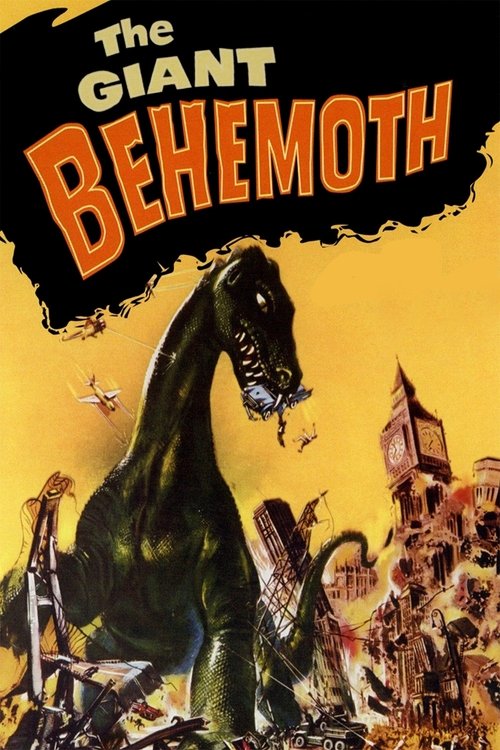
Marine atomic tests cause changes in the ocean's ecosystem resulting in dangerous blobs of radiation and the resurrection of a dormant dinosaur which threatens London.
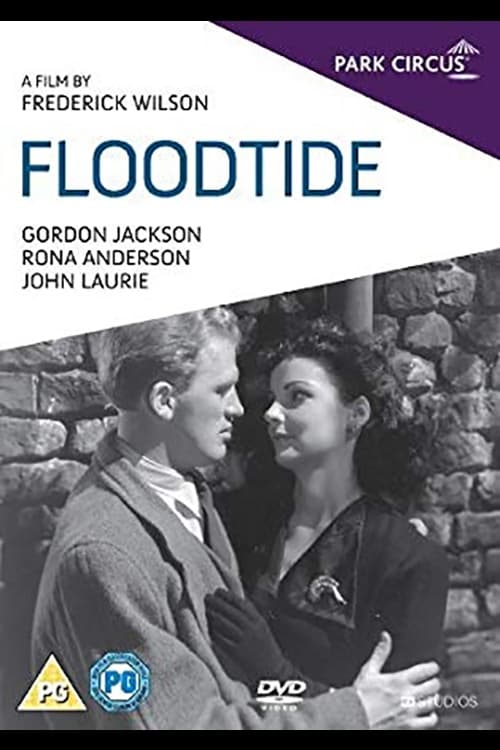
David Shields refuses to go into agriculture and opts instead for ship building