Acting
No description available.
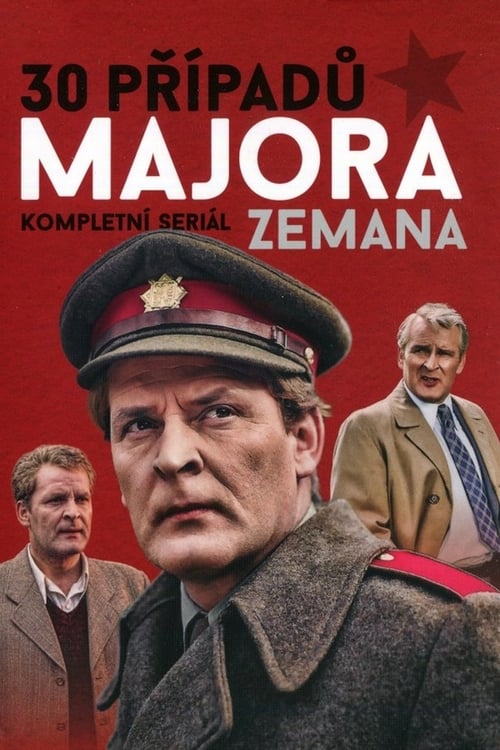
Thirty Cases of Major Zeman is a Czechoslovak action-drama television show intended as a political propaganda to support the official attitude of the communist party. The series were filmed in the 1970s. Each episode encompasses one year, and investigations are stylized to that year. Most are inspired by real cases. The series follows the life of police investigator Jan Zeman during his career from 1945 to 1975.
A fiction piece centered around the Czech resistance to the Nazis.
Jan Zika is the legendary hero of the communist resistance movement during World War II and leading functionary of the second underground Central Committee of the Communist Party of Czechoslovakia.
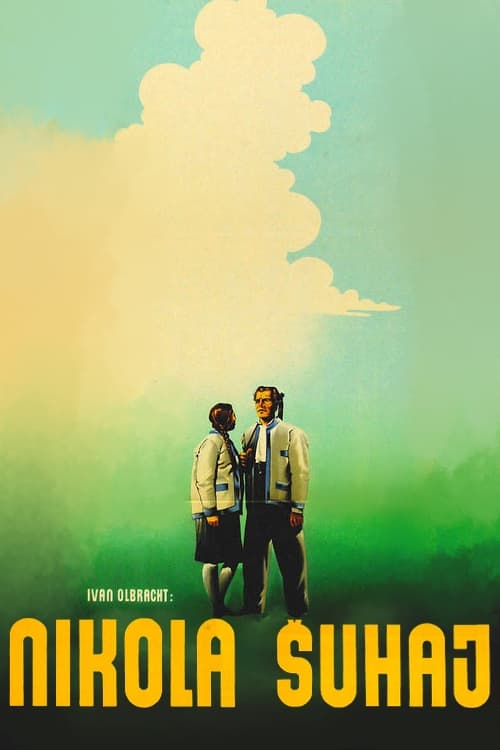
At the end of the First World War, Nikola Shuhai and his friend from the army desert. On the way home, to the village of Kolochava, they both find refuge with baby Jaga. Jaga mixes them a drink to protect them from the deadly bullets. The bachelors must promise to marry her daughters in exchange for a drink, or they will be punished. Nikola finds his home village in poverty. He stands against the powerful and the rich, and they turn the gendarmes against him. Nikola hides from them in the woods, where he will remain even after the end of the war, because nothing has changed for the villagers. Out of poverty and hopelessness, other men join Nikola and together they raid the wealthy. Nikola distributes the obtained booty to the poor and needy, who see him as their protector and hero.
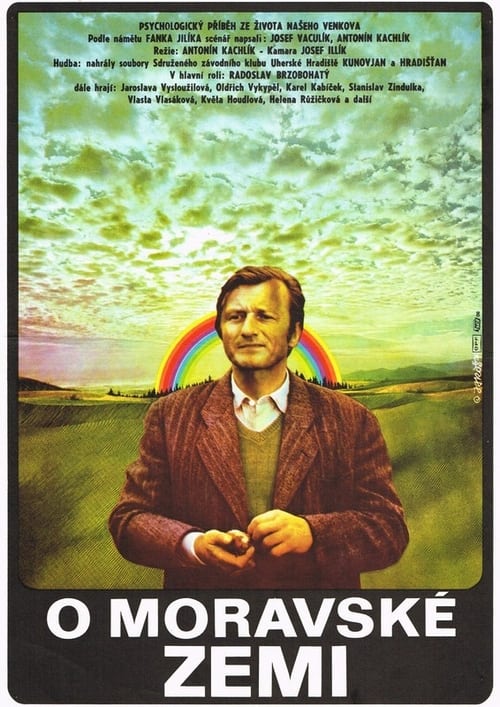
The reason for making this film is clear: it was to cover up Vojtěch Jasný's famous chronicle "All the Good Natives", an account of the tragic consequences of forced collectivisation. The pro-regime director Antonín Kachlík also focuses on the socialisation of the Moravian village, accompanied by mistakes and coercion, but in his optimistic view he emphasises the hopeful prospects leading to a happy future. Although the united village lands were born in pain, they will serve for the benefit of all the working people... As with Jasný, Radek Brzobohatý embodies the stubborn peasant, who is only slowly acknowledging the benefits of communal farming. However, unlike the poetic exuberance and pithiness of Jasný's chronicle, here we encounter a vicious posturing.