Acting
No description available.
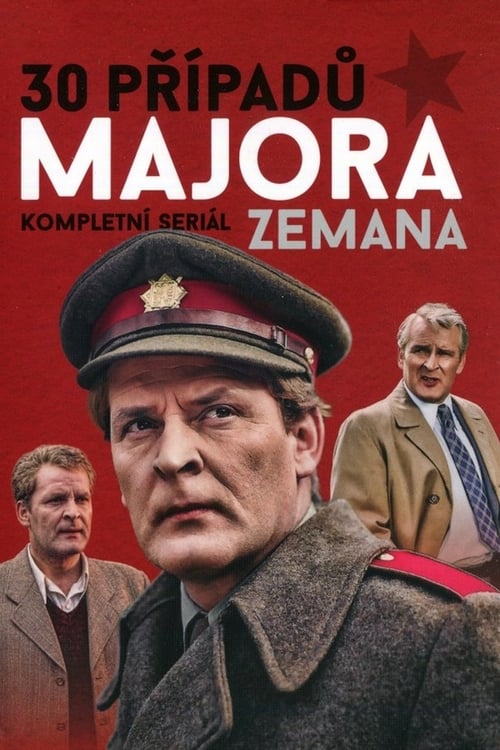
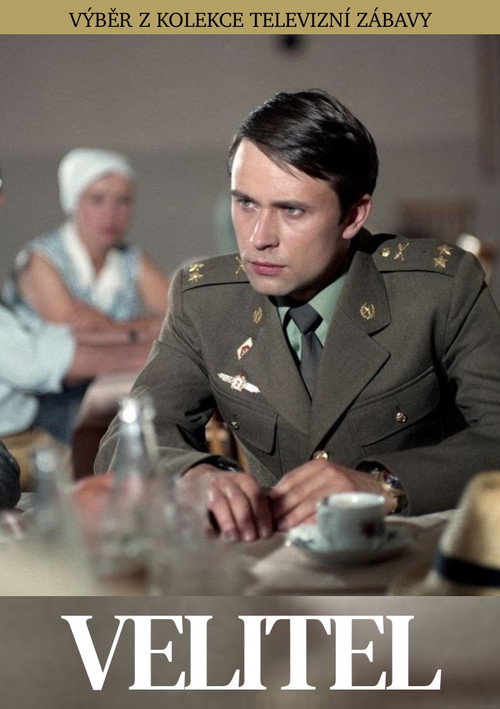
Thirty Cases of Major Zeman is a Czechoslovak action-drama television show intended as a political propaganda to support the official attitude of the communist party. The series were filmed in the 1970s. Each episode encompasses one year, and investigations are stylized to that year. Most are inspired by real cases. The series follows the life of police investigator Jan Zeman during his career from 1945 to 1975.
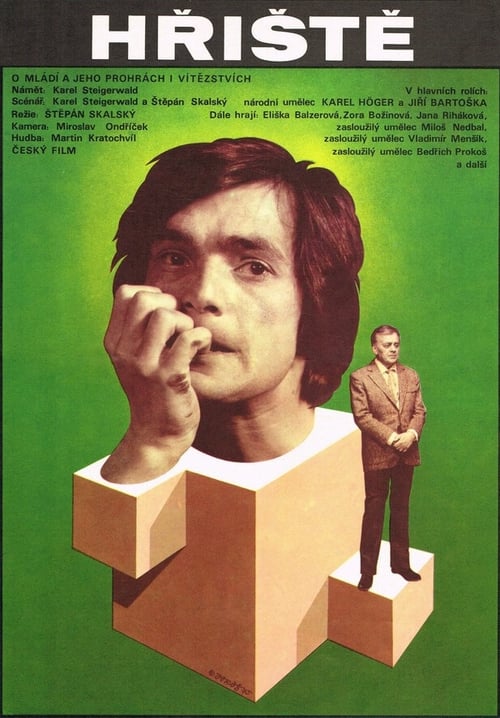
A group of outcasts, including a vagabond and a prostitute, gather at the outskirts of the industrial area of a large Czech city, one of the things that helps some of them survive is alcohol.
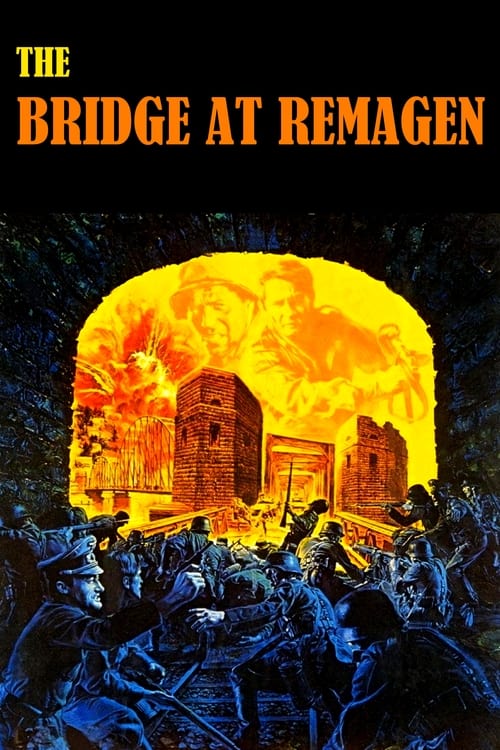
In March of 1945, as the War in Europe is coming to a close, fighting erupts between German and American troops at the last remaining bridgehead across the Rhine.
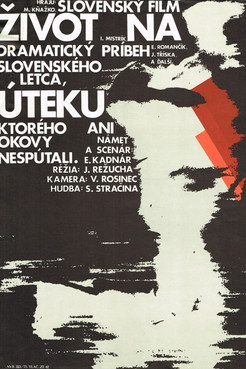
In Slovakia, they often and gladly honored those soldiers who refused to serve the fascist regime and stood against it. Lieutenant Kukorelli also rejected the tempting career of a pilot, instead helping the resistance fighters and later participating in the Slovak National Uprising.
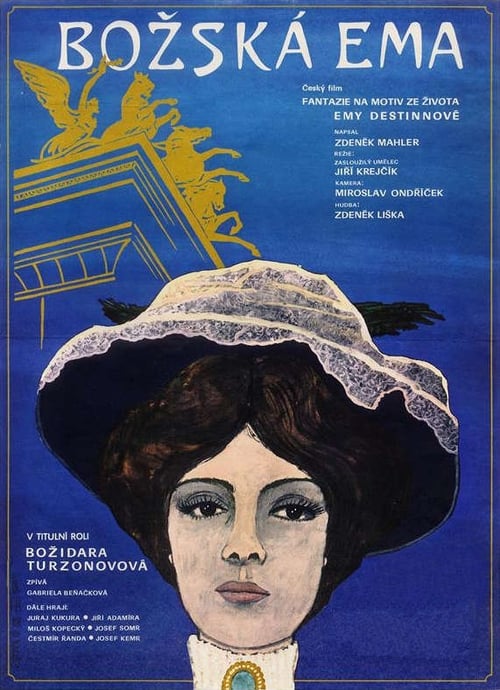
The opera lady singer Ema Destinnová is in all her splendor at the American stages. But in Europe there rages war and she decides to return home to Bohemia.
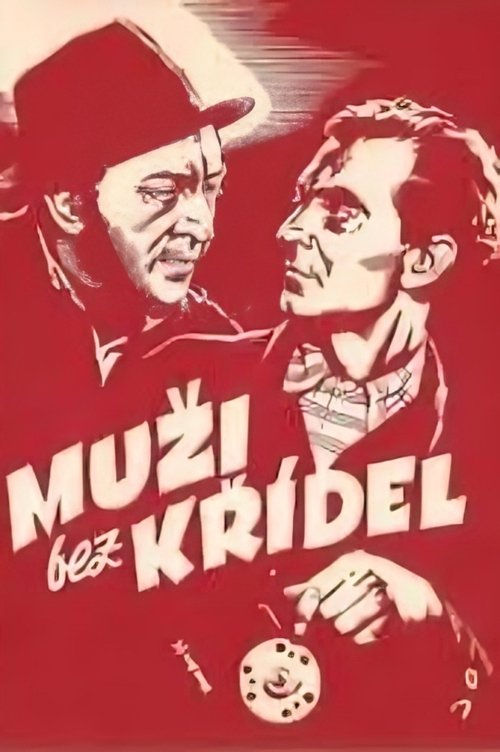
After an attack against the guard of the Third Reich, Nazi repression intensifies, and the Czechoslovakian resistance's organized sabotage in an aircraft factory leads to Gestapo shootings.
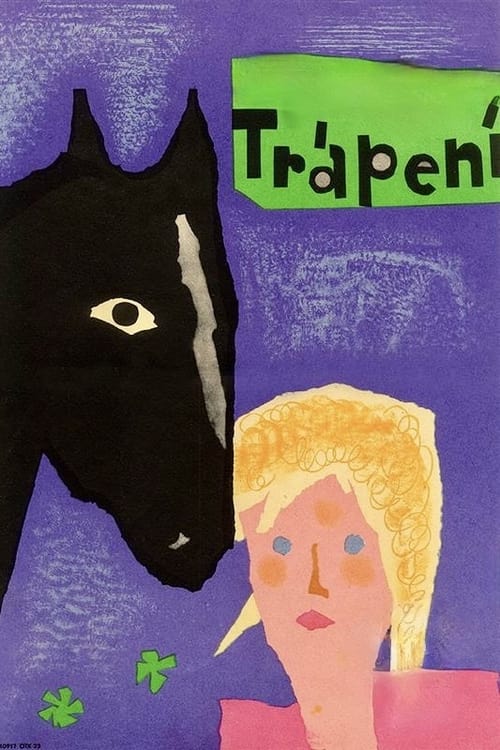
This is an engaging drama by director Karel Kachyna about the growing pains of a young teen (Jorga Kotrbova) and the hardships of a noble steed mistreated by a cruel neighboring farmer. The teen is having a hard time figuring out adult modes of behavior, and at the same time her heart goes out to the horse that is suffering under the treatment of the farmer next door to her family. As the teen adopts the horse as a friend, some clarification will be sure to come on the meaning of adulthood and the benefits of compassion.
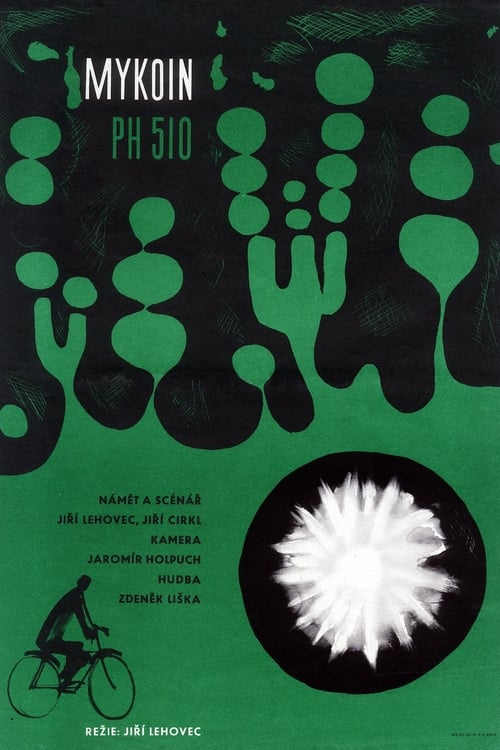
An occupation drama about a group of Czech scientists who, in a remote factory, investigate how to produce the vital penicillin as easily as possible - but for a long time they have been unable to find the only right mould to use as a base.
Civil engineer Luděk Turna accepts an attractive offer from a Prague design office. He tries to get ahead even at the cost of deception, but he recovers in time and voluntarily leaves to build a motorway...
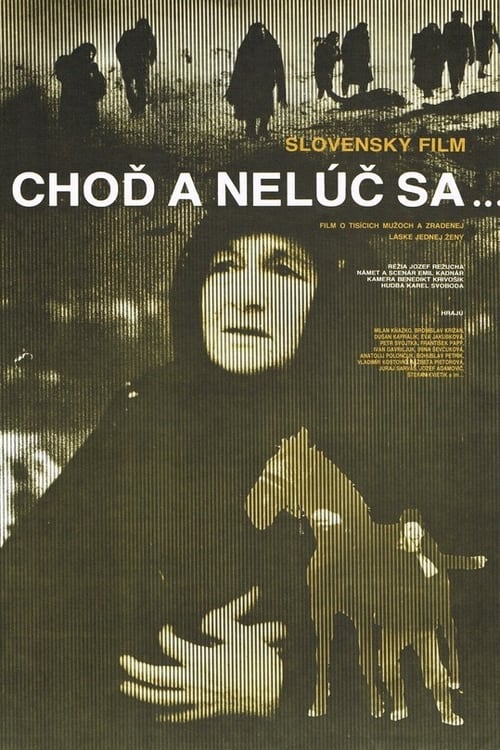
The dramatic story captures the hard and dangerous life of the partisan group "Čapajev" led by Ľudovít Kukorelli during World War II. It retrospectively presents the course of the Slovak National Uprising in eastern Slovakia.
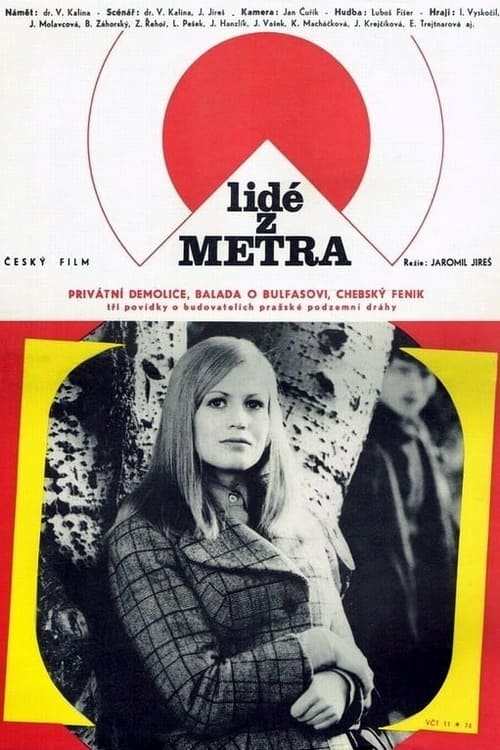
Three short stories. Prague finally sees the approval of the subway construction. Thousands of individuals took part in preparing, course and finalizing construction of subway and their lives crossed at certain points of this construction.
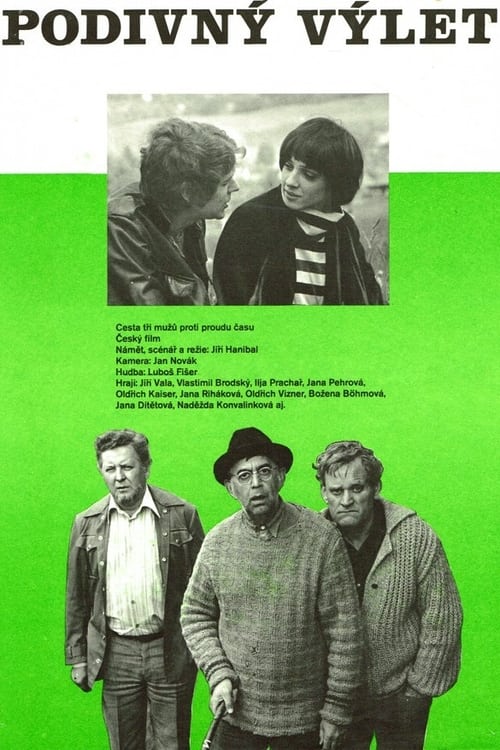
Petr, Martin and Čenda spent part of their youth in the war in the Beskydy Mountains. They were united by a common danger. Years later, when their personal lives are in crisis, on their trip to the Beskydy Mountains together, they reminisce about their youth...
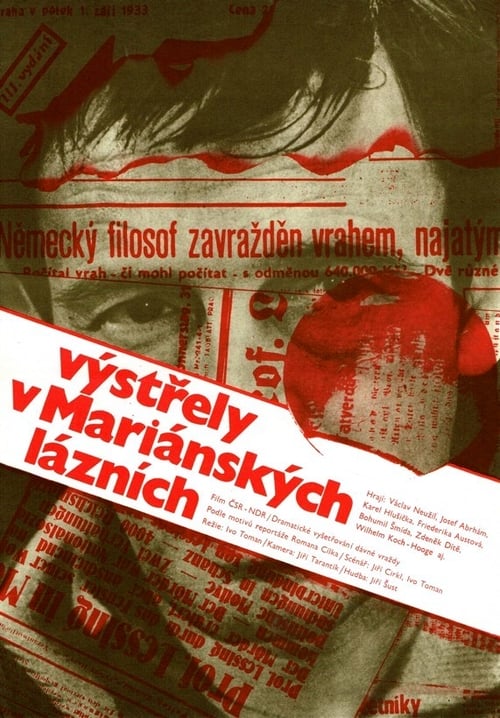
In May 1945, a woman in Marienbad reports a murder - committed in 1933 against the German emigrant Professor Lessing. She also names the murderer. Against the wishes of his superior, who does not feel responsible for this case - it was a fascist femicide - Inspector Šedý picks up the trail and arrests the murderer, the German Eckert. Eckert was a fugitive at the trial in 1933, and now the evidence is no longer available. Nevertheless, Šedý does everything he can to convict him. He finds witnesses who support him - anti-fascists, but also former collaborators who want to clear themselves. Reconstructing the case at the crime scene, Šedý is able to prove that Eckert was at least an accessory. He is convicted. After his release from prison, Eckert goes to West Germany, where he demands compensation from his former clients.
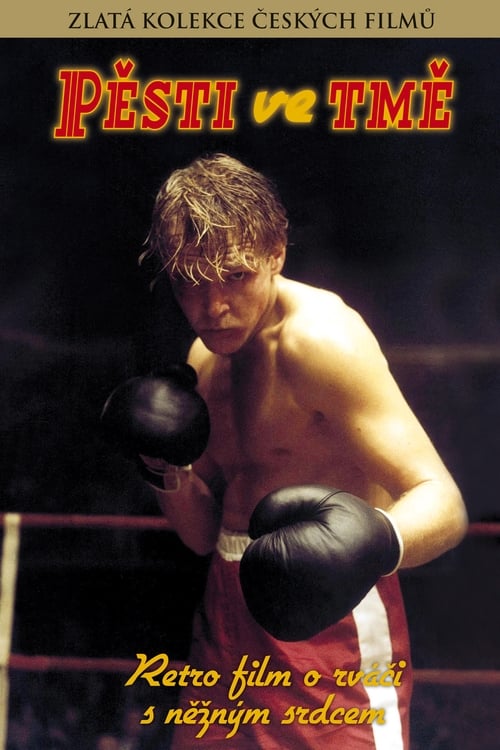
The year is 1936, the nervous atmosphere of the Nazi threat penetrates into the sport. Upgrade boxe Vilda Jakub will compete with German Kurt Schaller. The Nazis decisions are used in order to win his master even the dirtiest means. Vilda inspect their game and focus on the preparation of environmental events. The story culminates in the victory of one of the two lovers, between which Vilda tense moments in the decision.
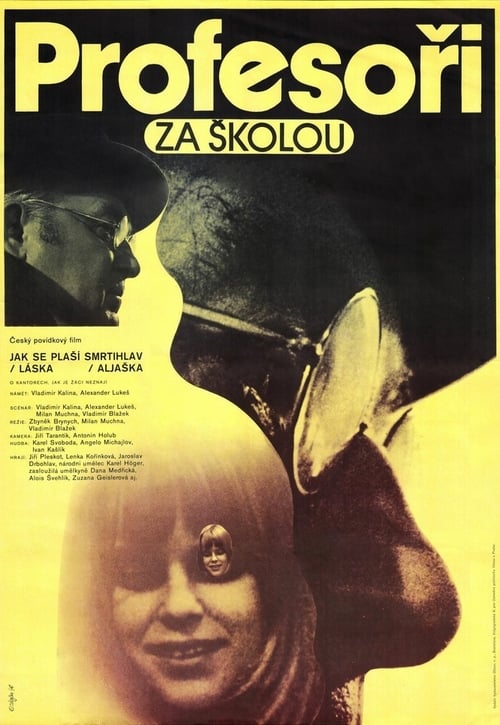
Three stories from the school environment, mostly from the perspective of teachers. In the first story we see an unnecessarily strict teacher, in the middle one a sports career is glossed over, which causes a young teacher to leave his job. In the final story, on the other hand, an experienced high school teacher goes to teach in a rural school to gain inner peace.
The common theme of the short story film is the famous duels between two important historical figures: Pushkin and Casanova. Pushkin's tragic duel, which ended his life prematurely, is portrayed in connection with the creation of his short story "The Dirty Shot", while Casanova's story is conceived in a rather ironic and humorous way. The point is that the famous seducer never actually seduced, on the contrary, all his life he was in a constant battle with female seductions.