Acting
No description available.
A spectacular comedy with a star-studded cast that depicts unusual trials and unexpected verdicts regarding the five deadly sins: the crime of beauty, the crime of a terrifying wife, the crime of taking the wrong course, the crime of seducing, and the crime of killing with laughter.
Adaptation of the novel by Osaragi Jirō. Again scripted by the legendary Yamanaka Sadao
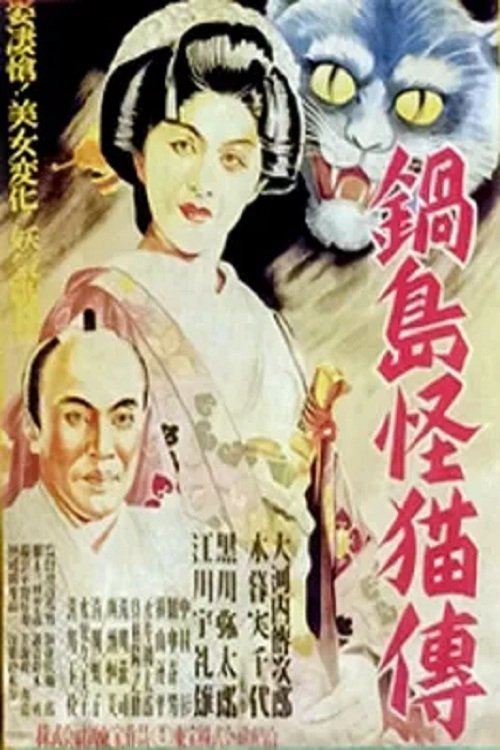
Tanuma Kandayuu is a high class samurai of the house of Nabeshima. He finds a lavish board of Go (a Chinese Board game) at Kinbei's store. He recommend Kinbei to offer it to his lord. Kinbei hesitates at first, since he knows the board has a mysterious legend surrounding it; it's believed that for every game played on the board, one death is required.
Japanese film.
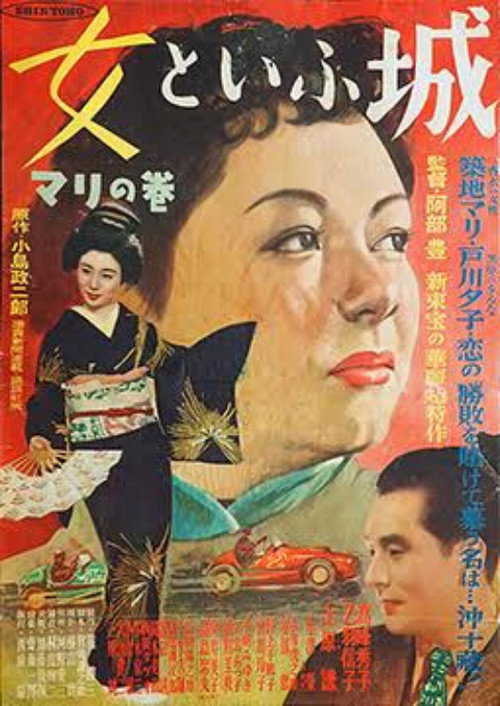
Japanese adaptation of Marcel Pagnol's play "Marius", set in early XXth century Japan.
Adaptation of the novel by Osaragi Jirō.
A lost film telling a story of Jirokichi the Rat, a notorious thief
Kinshiro takes over the family, but he thinks he is going to replace the son of his stepmother but runs into trouble when he befriends the yakuza.
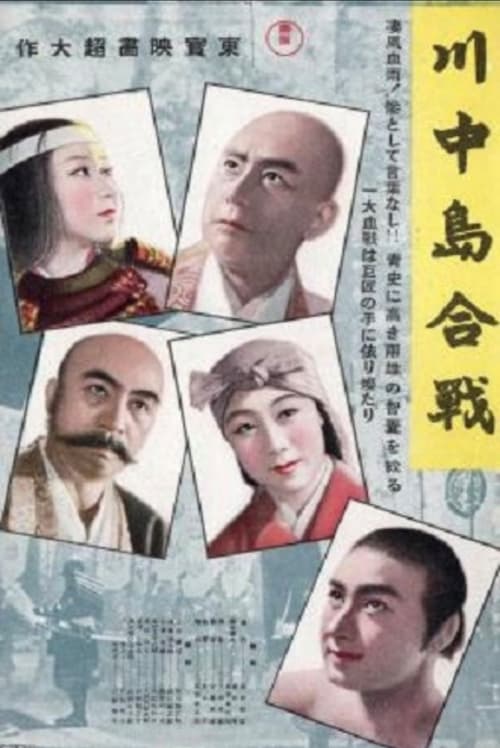
This epic depicts the battle between Uesugi Kenshin and Takeda Shingen. The focus of the story is the struggle by the unit leader in charge of the main supply wagons and the supply troops to transport materiel to the Uesugi army. To this are added episodes involving an itinerant woman.
A lost film that tells a story of Jirokichi, a notorious thief
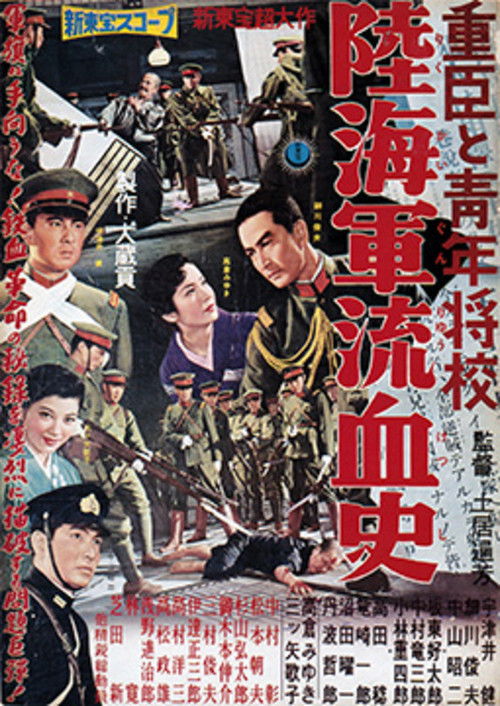
A historical film that portrays the fervent and violent actions of young Army and Navy officers, such as the February 26 and May 15 incidents, in a semi-documentary style.
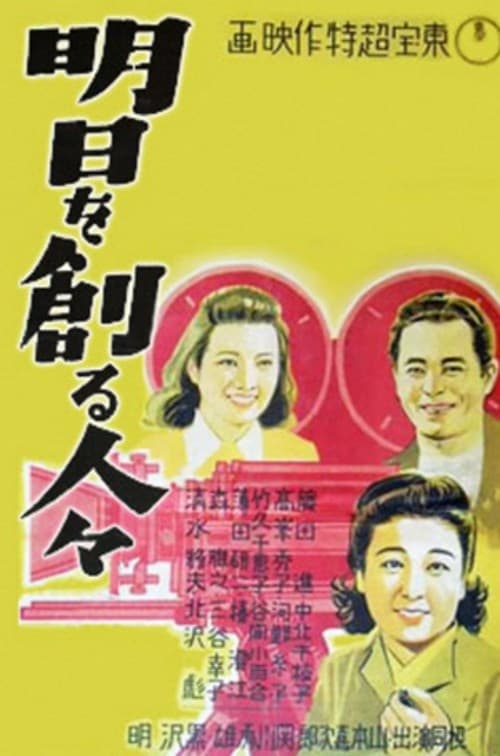
In postwar Japan, two sisters—a film studio script girl and a revue dancer—become swept up in the growing labor movement when workers around them strike for better conditions. As their conservative father opposes their activism, his own dismissal forces him to confront the realities of class struggle and join their fight for a fairer future. Now considered a lost film, Those Who Make Tomorrow was produced by Toho to promote unionization during Japan’s Allied Occupation.
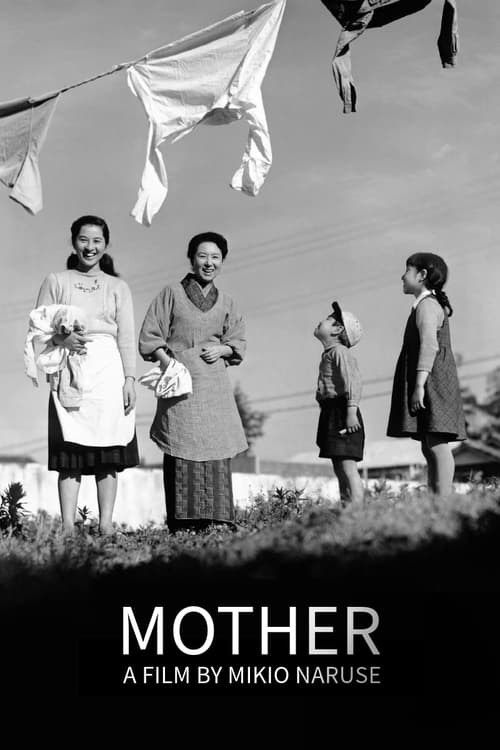
A teenaged girl witnesses her widowed mother's attempt to sustain her family.
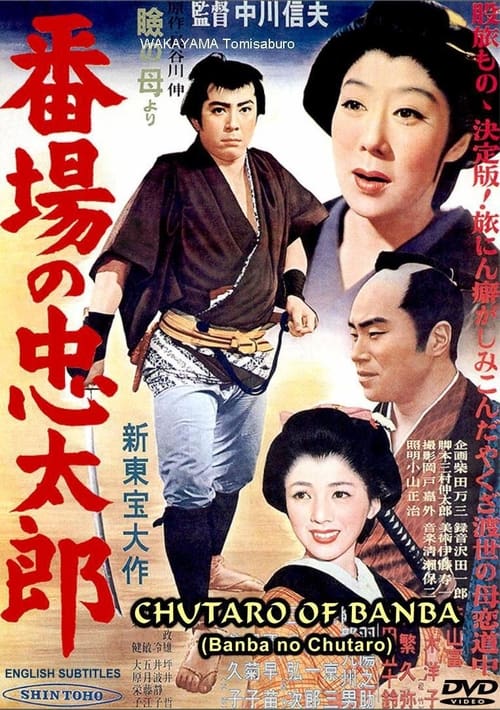
Based on the play ”Mabuta no haha” by famed author Shin Hasegawa, this is the first major starring role for Tomisaburo Wakayama. This heartfelt story concerns a wandering gambler from Banba by the name of Chutaro. Set during the Tenpo Period, Chutaro runs afoul of Boss Sukegoro of Iioka. Pursued by vengeance seeking swordsmen, Chutaro displays his phenomenal martial art skills. Abandoned as a child, he seeks to find his long lost mother, while at the same time fighting off numerous attacks by Iioka’s men.
Jurobei, a kaisen tonya (wholesaler in port) in Awa, was wronged and killed on the day of the Dance Festival by the evil merchant & the chamberlin. His brother (Kazuo Hasegawa) vowed vengeance on the day of his brother's death. So every year the villains are worried during the Awa Dance Festival (which is part of the Obon festival), but nothing has ever happened, until seven years later...
Kazuo Hasegawa's debut at Daiei.