Acting
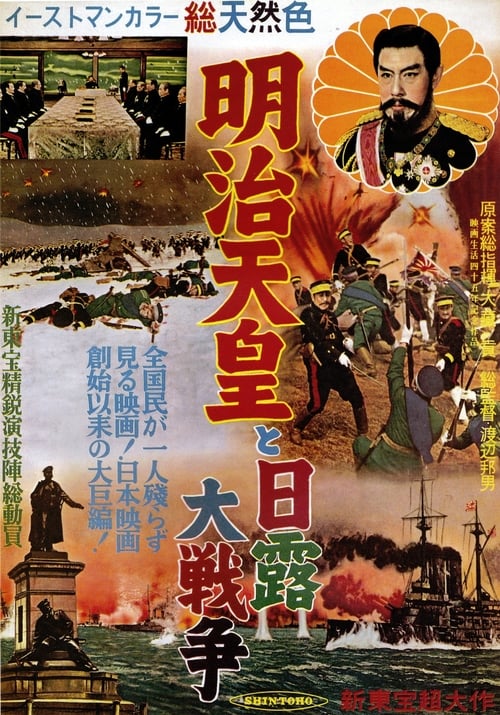
Le film retrace l'histoire de la guerre russo-japonaise (1904-1905).
Aucune description disponible.
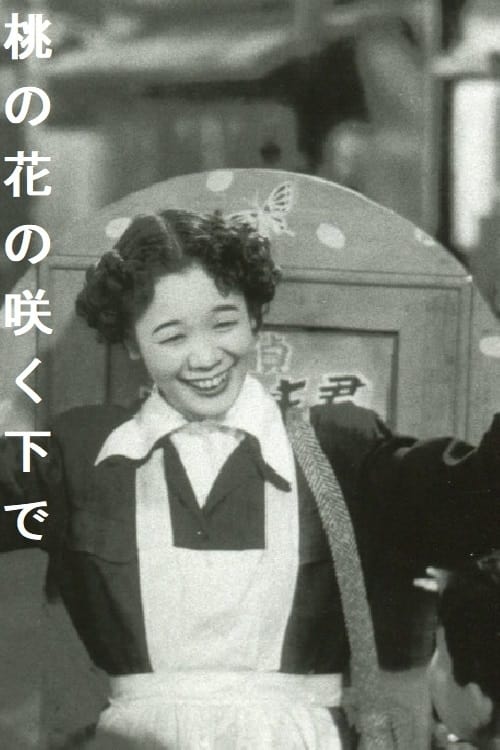
Artiste de kamishibai, Amiko rencontre un grand succès auprès des enfants. Mais ses pièces de théâtre sur papier renferment de bien tortueux destins.
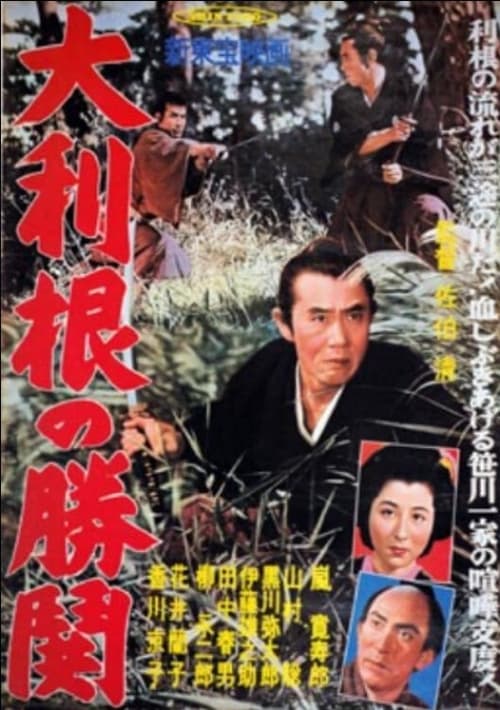
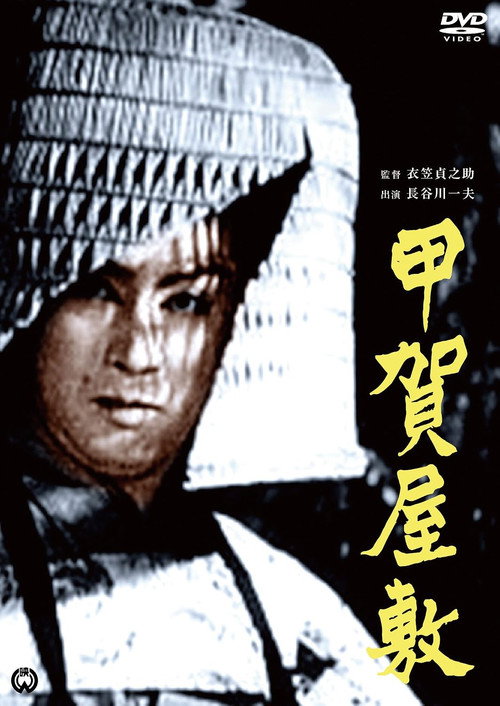
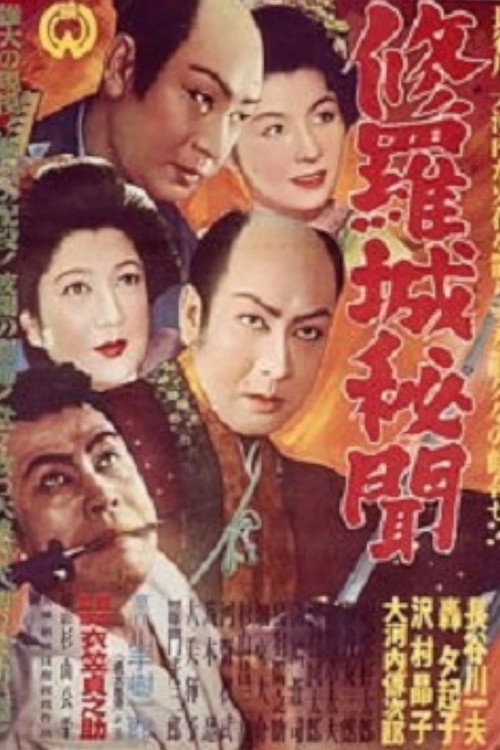
Le vagabondage de Ryunosuke Tsukue se poursuit à travers le Japon, alors qu'il est traqué par Hyoma, le jeune frère du samouraï qu'il a froidement assassiné, et qu'il commence à sombrer dans une démence meurtrière.
Adaptation japonaise du Marius de Marcel Pagnol dans le Japon du début de XXe siècle
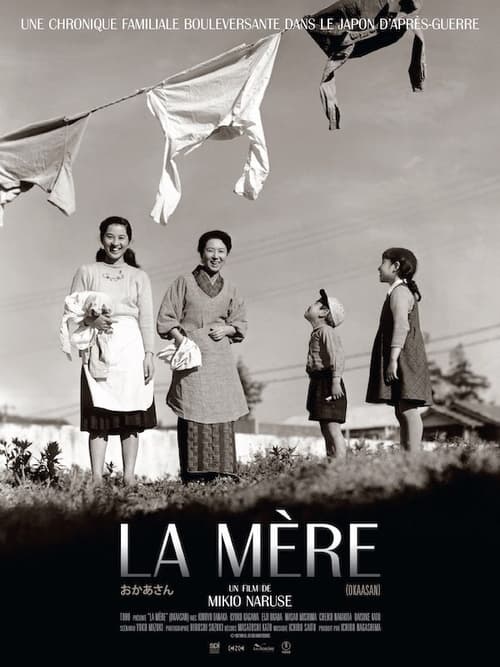
La vie quotidienne de la famille Fukuhara dans un quartier populaire de Tokyo. Elle va pouvoir enfin rouvrir sa blanchisserie incendiée pendant la guerre. Mais elle est accablée par le malheur : le fils Susumo, employé jusque-là dans une fabrique de velours tombe malade et finit par mourir. Le père, Ryosuke commence, lui aussi, à souffrir d'une affection oculaire. Un ami, Kimura, appelé l'« oncle » Kimura, se propose de leur venir en aide. La mère, Masako ne cesse, pour sa part, de travailler. Malgré l'aggravation de sa maladie, Ryosuke refuse d'entrer à l'hôpital afin de ne pas compromettre le redémarrage de la blanchisserie. Or, un soir, à l'heure du dîner, après une violente crise de toux, Ryosuke meurt. Après les funérailles, des voisines remettent de l'argent collecté à Masako. Puis, un couple de parents, qui a lui-même perdu un fils, manifestent leur désir d'adopter sa fille cadette, Chako…
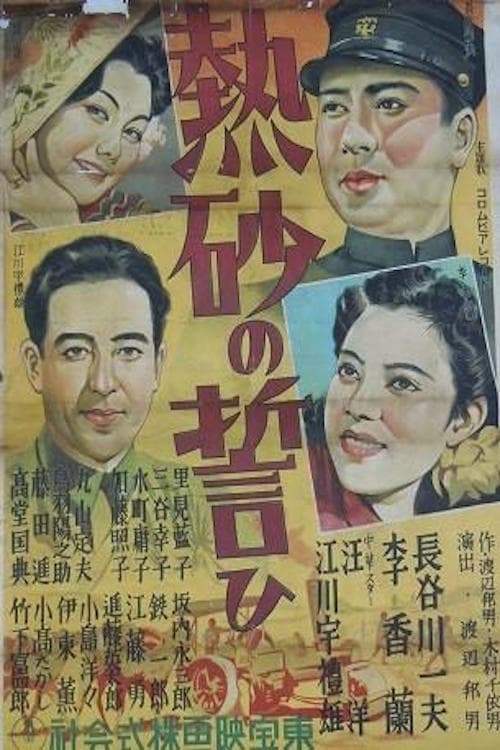
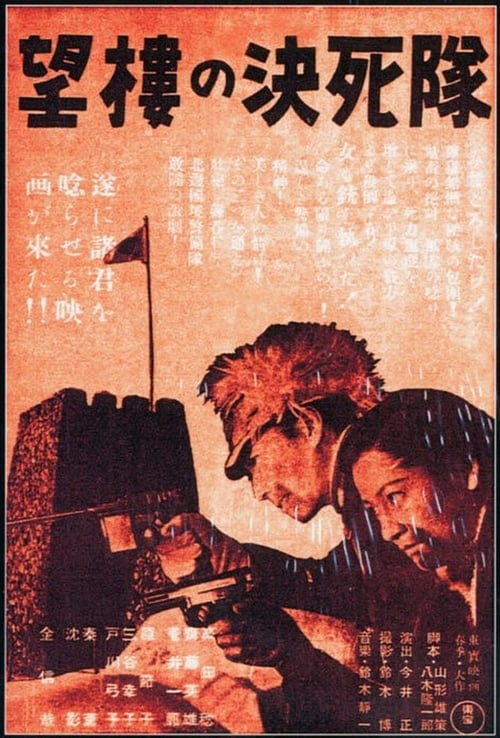
Des soldats vaillants de l’Empire japonais — Japonais et Coréens confondus — défendent un poste militaire menacé par des « bandits ».