FEEL IT.STREAM
?

Enzio Edschmid

Acting

Known For

No image
7.5

A German TV documentary that chronicles the daily rehearsals, the filming and all the behind the scenes of Jean-Jacques Annaud's classic "The Name of the Rose". From actors perspectives to the ideas used by the director to produce an impeccable international epic adaptation of Umberto Eco's best selling novel, the film presents the obstacles behind the creation of a production of such large scale and also the making of the many difficult scenes, most of the ones presented here are the characters' murders inside the mysterious abbey.

The Abbey of Crime: Umberto Eco's 'The Name of the Rose'

1986
No image
5.3

Twenty-five years after the death of Holger Meins, filmmaker and former student friend of the deceased, Gerd Conradt takes an in-depth look at the helmsman of the Baader-Meinhof gang. Who was Holger Meins? What led him into the underground? What circumstances resulted in his death, a death which made him the declared symbol of the radical opposition in Germany? What remains of his legacy?

Starbuck Holger Meins

2002
Something Self Explanatory (15x)
10.0

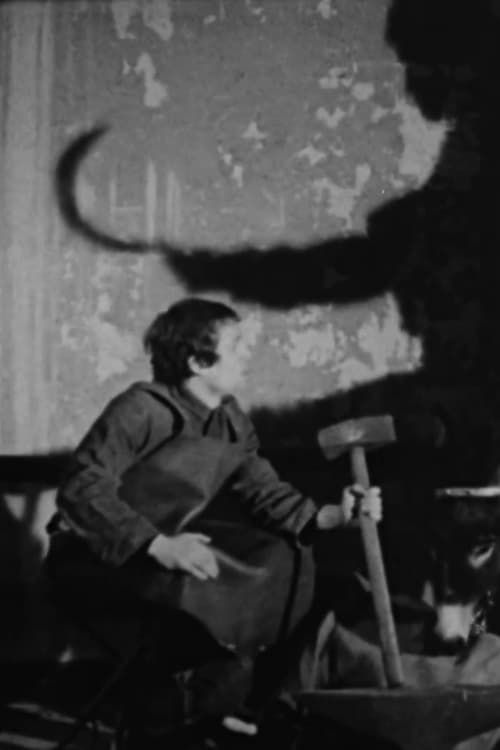
An educational film about an aspect of political economy. The concepts of use value, barter value and labor as a commodity are the subjects; they are intended to introduce the process of understanding the theory of value of work and the law of values, alienation and fetish.

Something Self Explanatory (15x)

1971
Color Test: The Red Flag
8.0

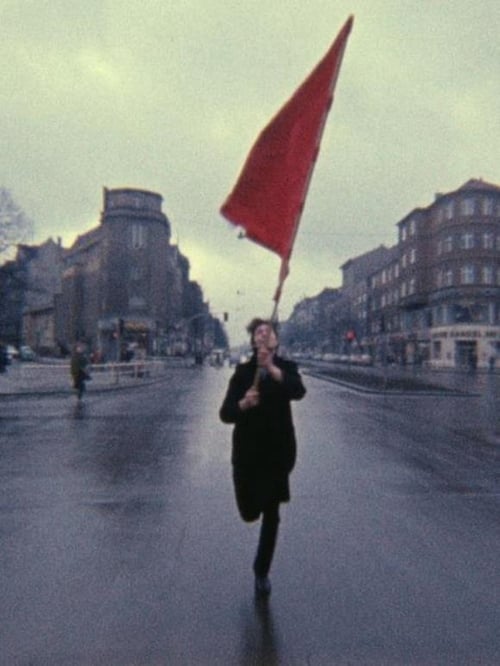
Gerd Conradt films men carrying a red flag in a relay race through Berlin, to hoist it on the balcony of the current Mayor’s seat. A cinematic experiment based on Eadweard Muybridge, Andy Warhol and New American Cinema. A study in men, movements and a symbol. This is the 7th part of this series of film exercises. The other 6 parts were staged by Harun Farocki (Part 1), Carlos Bustamante (Part 2), Helke Sander (Part 3), Holger Meins (Part 4), Wolfgang Petersen (Part 5), Philip Werner Sauber (Part 6).

Color Test: The Red Flag

1968
No image
N/A

Straschek's film points to the gap between workers and intellectuals and describes the "difficulties of the revolution" in a biting and witty way.

Zum Begriff des 'kritischen Kommunismus' bei Antonio Labriola (1843-1904)

1970