Klaus Volkenborn
Production
Known For
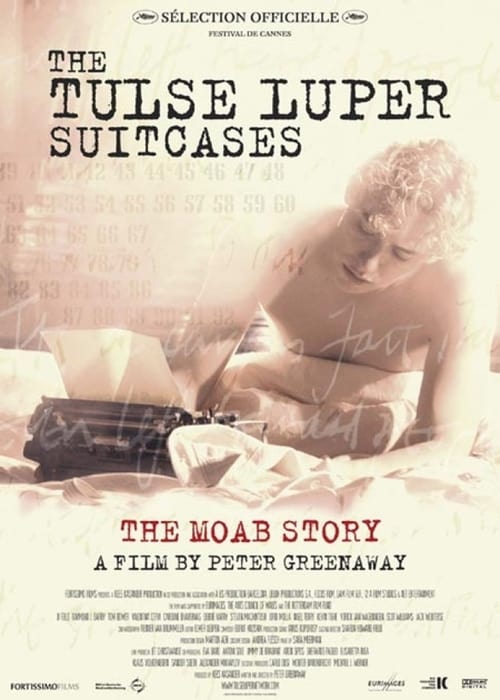
A comic study of 20th-century history, reconstructing the life of writer, creator and professional prisoner Tulse Luper. Born in 1911 Newport and last heard of in 1989, Luper’s life is pieced together from the evidence found in 92 suitcases scattered across the globe. In the first of three parts, we follow Luper through three distinct episodes: as a child during the First World War; as an explorer in Mormon Utah; and as a writer in Belgium during the rise of fascism.
The Tulse Luper Suitcases, Part 1: The Moab Story

A pregnant teen and her younger sister run away from foster homes and kidnap a woman whom they believe can help with the pregnancy.
Manny & Lo
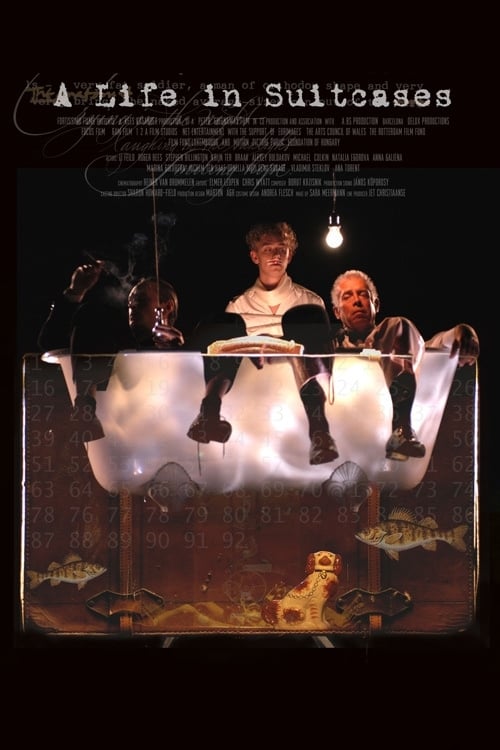
A comic study of 20th-century history, reconstructing the life of writer, creator and professional prisoner Tulse Luper. Born in 1911 Newport and last heard of in 1989, Luper’s life is pieced together from the evidence found in 92 suitcases scattered across the globe. A Life in Suitcases condenses the six-hour trilogy into a single two-hour feature, and in doing so, accentuates the project as a filmic essay in multiple narratives, listings, sidebars, footnotes, commentaries and anecdotes; a project for an Information Age ready to understand that there never is a phenomenon called History, there can only be Historians, gatekeepers to vested interests.
A Life in Suitcases: A History of Tulse Luper

Dr. Lauren is staying in Prague for a conference and falls in love with Czech writer Jiri Kolmar.
Prague Duet
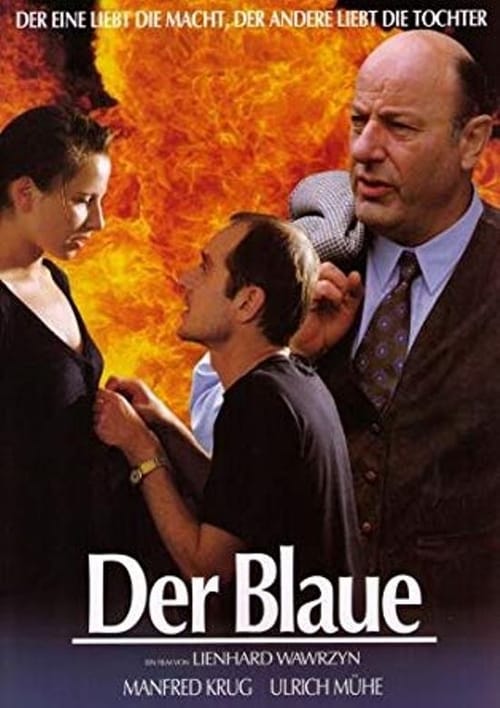
In this German political drama, an ex-Stasi agent encounters an old friend whom he may have betrayed after his friend tried to escape East Germany. The former East German agent is Otto Skrodt who after many years is about to be promoted in the highest government ranks. He is anxious to maintain a squeaky clean image. His daughter is Isabelle. The young and friendly Kalle returns after spending many years in jail for his escape attempts. He doesn't know exactly who blew the whistle, but his friend Skrodt is definitely under suspicion. Kalle returns to ostensibly renew the friendship and to see Isabelle whom he loves. The duplicitous friendship between the two men becomes the main focus of the story which features interesting plot twists at the end.
The Blue One
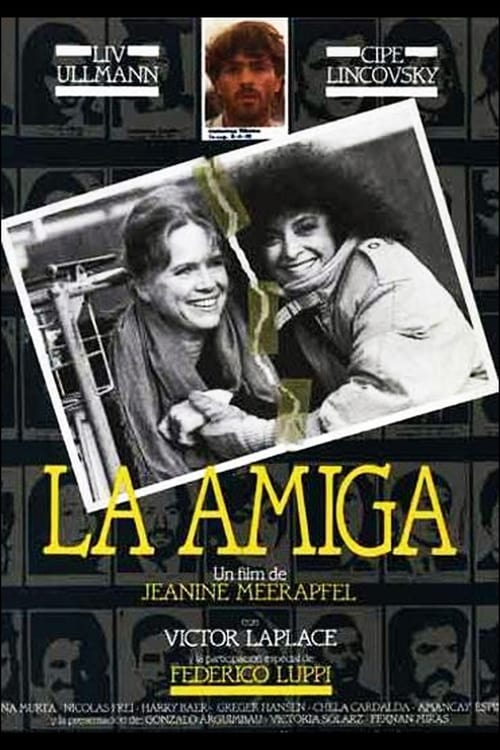
Since childhood, Raquel and Maria have been close friends. Now all grown-up, Raquel has fulfilled her dream of becoming an actress, while Maria has married a handyman, given birth to three children and runs the family household. In the wake of the Argentine military coup of 1976, Maria's oldest son Carlos is abducted. Desperate, Maria turns to her prominent friend for help. Yet the more Raquel gets involved in the search for Carlos, the more she becomes herself a target of the junta. Finally, she flees from Argentina to Berlin. Meanwhile Maria joins a group of women who investigate the fate of their disappeared relatives. In 1983, after the fall of the dictatorship, the two friends meet again.
The Girlfriend
Helke Sander interviews multiple German women who were raped in Berlin by Soviet soldiers in May 1945. Most women never spoke of their experience to anyone, due largely to the shame attached to rape in German culture at that time.
Liberators Take Liberties
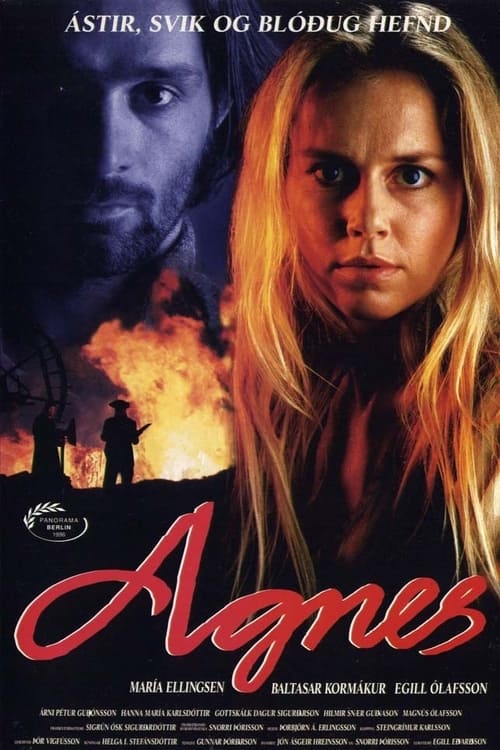
In a barren land ruled by oppression and ignorance, a spirited woman driven by hope of a better life must fight against the odds. Agnes is a servant in the house of the county sheriff. There she is constantly sexually harassed by him and treated with contempt by his wife. Agnes falls in love with Natan, a self taught homoeopathic doctor. The sheriff takes revenge on Natan by making it illegal for him to practice his profession. The dramatic relationship between the three main characters ultimately leads to a fatal web of events where a love affair turns into a nightmare of brutality and destruction.
Agnes
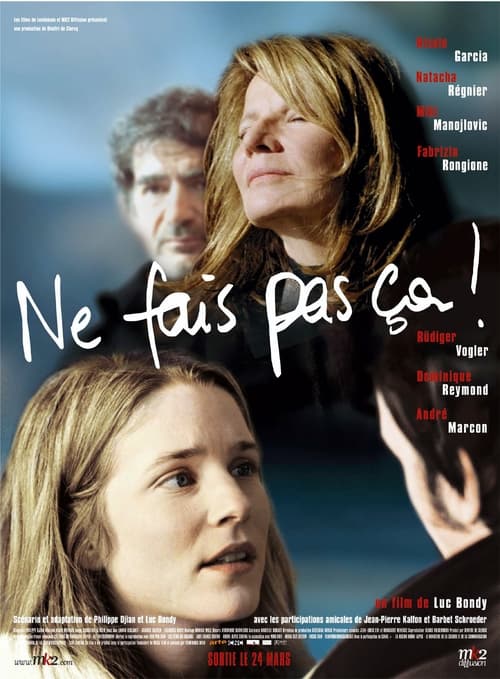
Joël is jealous and violent. After one crisis too many, Nicole, his young wife, returns to live with her parents with their three-year-old son. Joël hangs on, begs, threatens. One day, he kidnaps the little boy.
Don't Do That!
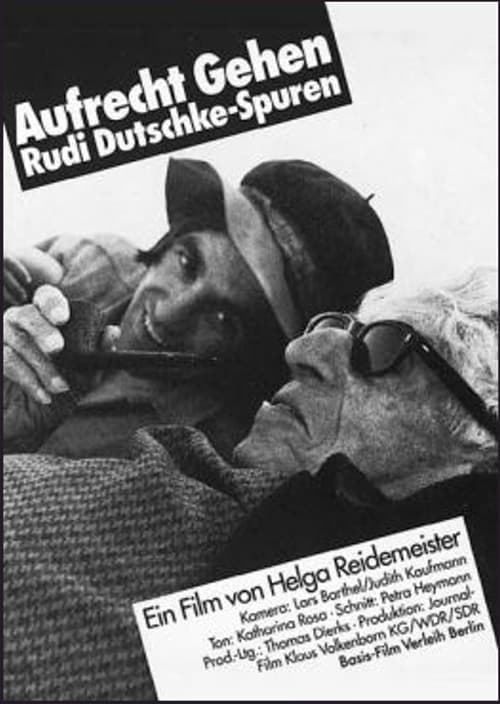
Portrait of the spokesman of the student movement and extra-parliamentary opposition Rudi Dutschke, who died on December 24, 1979 from the late effects of an assassination attempt. The film is not limited to the mere biography of the extra-parliamentary politician, but also depicts the political environment as well as the late effects of the student movement. In retrospect, it condenses into a picture of a highly politicized society that had not yet begun its retreat into the private sphere.
Aufrecht gehen. Rudi Dutschke - Spuren
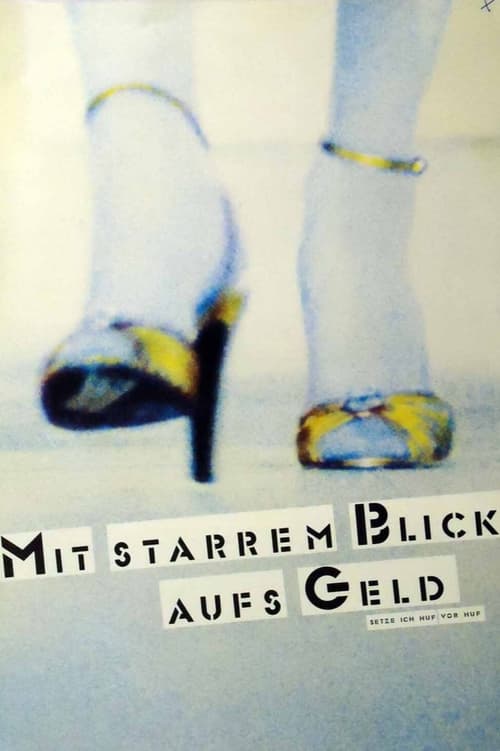
An intimate portrait of the director's sister: German model and former Playboy Playmate Hilde Kulbach.
Mit starrem Blick aufs Geld
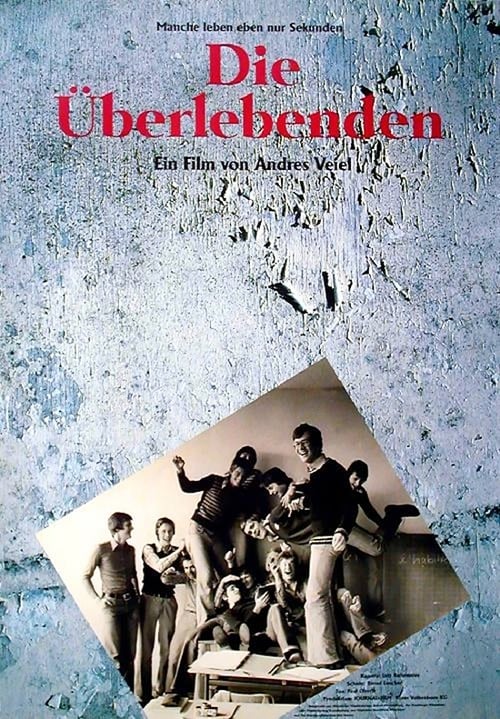
Three suicides leave long-lasting gaps among a group of classmates, many years after their graduation. Director and former classmate Andres Veiel organizes a reunion in search of clues. Despite huge differences in their personalities, the course their lives took and how each died, the three young men are indicative of life in a southwestern German small town in the 1980s. Pressure and career expectations from parents clash with adolescent desire for creative or sexual fulfillment. Even years later, the unspoken reflects the unspeakable that plagues the bereaved.
The Survivors

Helga Reidemeisters poetic documentary gives various residents of East and West Berlin a chance to have their say. They discuss their different ways of life and the nature of their divided city. All interviews are refreshingly sincere when they consider the future of the city, and none of them are even remotely pro-American.
DrehOrt Berlin
Documentary about Joe Polowsky, who was a Chicago taxi driver who had been present at the Elbe River when the American and Russian allies joined forces on April 25th 1945. This meeting came to represent a plea for peace for Joe.
Joe Polowsky - An American Dreamer
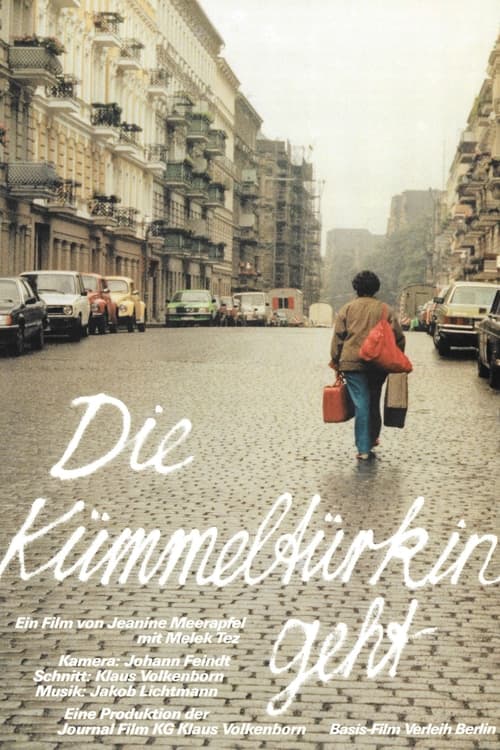
In 1970, Melek Tez came to Berlin as a young worker from Turkey. A confident woman, she first countered racist resentments and remarks with irony and wit. Jokingly, she even referred to herself as a "Kümmeltürkin", a derogatory German term for Turkish migrants. Yet after fourteen humiliating years, her fighting spirit has given way to resignation: Melek Tez is returning to Turkey. Blending documentary, interviews and re-enacted scenes, director Jeanine Meerapfel chronicles Melek Tez' life experience.
Melek Leaves
No description available.
Vergeßt es nie, wie es begann! Ernst Busch 1927 - 1948
This film examines two parallel German lives: that of a Nazi general who continued in his job during the democratic era and a communist bricklayer who could hardly make ends meet after the war. Both had fought in the Spanish Civil War, but their stories can’t be merged; the audience gazes into a wound that will not heal.
Unversöhnliche Erinnerungen
In 1975, DFFB students search for traces of the labor movement of the 1920s in Charlottenburg's Zillestrasse. Wallstraße was one of the poorest residential areas in Berlin at the time and a stronghold of the German Communist Party (KPD). In detailed interviews, former KPD members talk about their organizational and propaganda work in the "house protection squads" and the street battles with the National Socialists. The documentary film Street in Resistance revives a chapter of the workers' movement that has received little attention in the West and also recalls the novel Our Street by writer Jan Petersen, published in exile in 1936, about everyday life in Wallstrasse.
Straße im Widerstand

Documentary about a self-managed glass production company in Immenhausen (Hesse). In March 1970, around 250 workers and employees took over the run-down and bankrupt glassworks of entrepreneur and owner Richard Süssmuth.