Camera
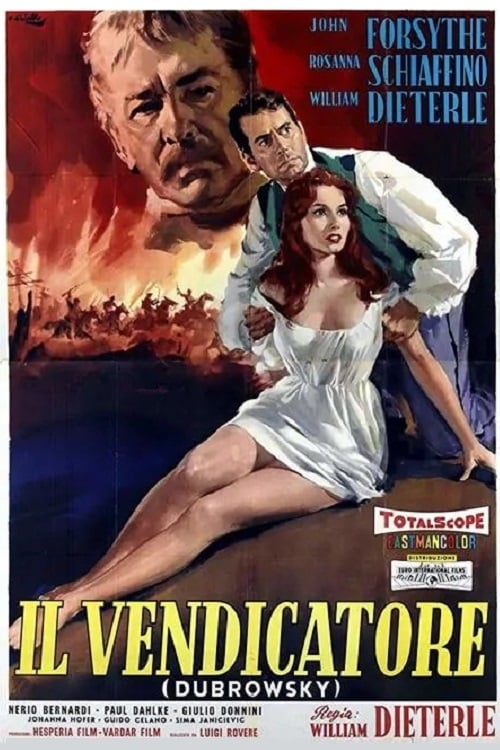
Vladimir Dubrovsky returns from St. Petersburg to his family estate, where he finds his father dying and learns that all his lands and serfs have been fraudulently taken by the owner of a neighboring estate. Having organized a detachment of peasants who refused to obey the new owner, our hero intends to restore justice and take revenge on his offender.
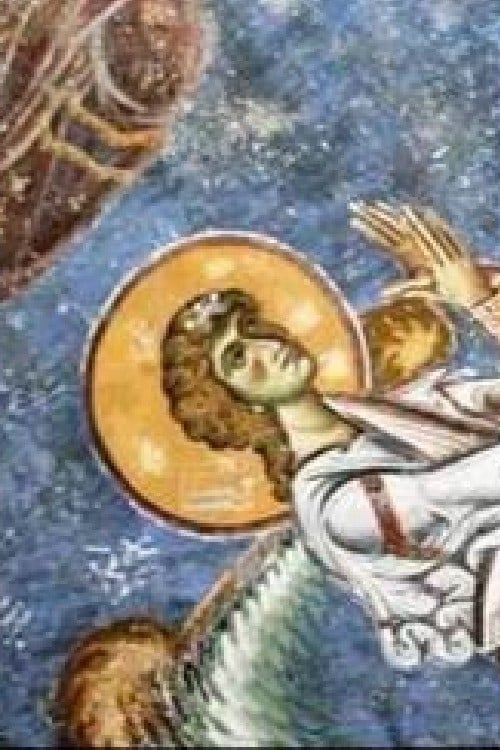
Documentary about frescoes to be found in several churches in Macedonia.
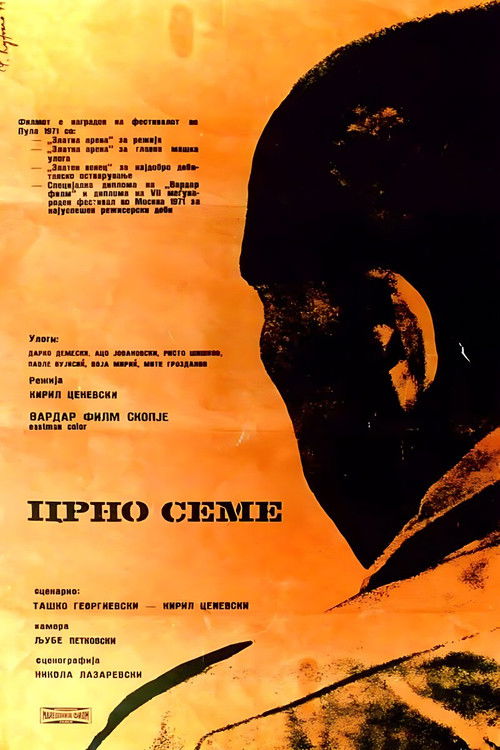
The story of Macedonian soldiers who were captured by the Greek army and taken to the prison camps on Greek islands during Greek Civil War in 1946. Suspected of being communists, they are maltreated by the Greek officers running the camp
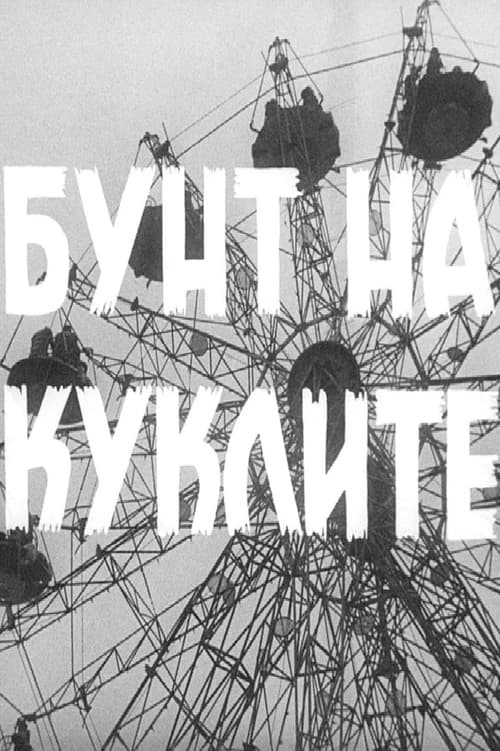
A wonderfully playful and symbolic manifestation of the spirit of childhood can be found in Dimitrie Osmanli’s short fiction debut. The film follows a little girl with her doll who meets a neighbourhood boy with his tank; after her doll is damaged we are invited into a surreal dream where dolls rise up against the boy and their face resembles the little girl he hurt. The rebellion of the dolls signifies a rebellion against the boy’s malice and essentially against his refusal to be like a child. The dream yields fruit: on waking up, the boy, grateful to be alive, has joy restored in his heart and runs to makes amends with the little girl. The Rebelion of the Dolls renders the concept of rebellion as an internal event: an uprising of the conscience against the spirit of cruelty and disobedience and as a lesson to the little boy shows true conscience restored in the spirit of gentleness.
Through photographs and documents this short documentary makes a reconstruction of the large demonstrations in Veles in 1939, when thousands of people went protesting to the streets under the slogan "We are asking for bread."
A documentary about ten years of education, science and culture in the People's Republic of Macedonia.
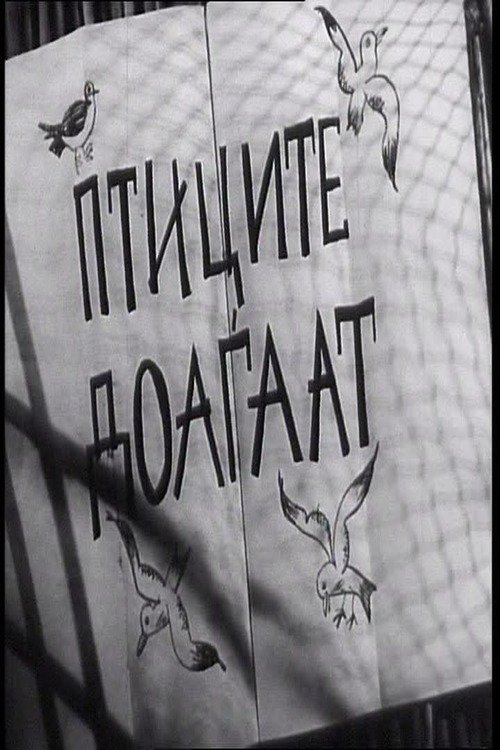
A feature-documentary story about the way of fishing on Lake Dojran, with the help of cormorant birds. It talks about the connection between people and birds that are the best workers and irreplaceable assistants to fishermen. When the birds are gone, the fishermen are sad, but when the birds come, the fishing can begin.
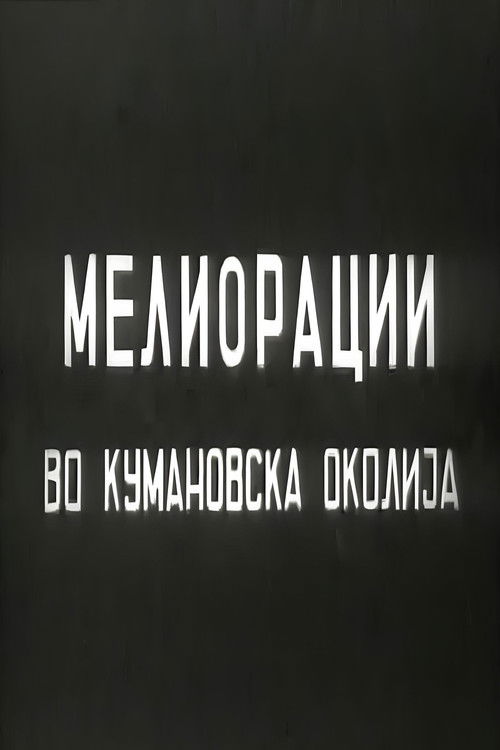
The documentary shows the process of clearing infertile and rocky soil in the vicinity of Kumanovo and the preparation, reclamation and improvement of the seismic and chemical properties of the soil, in order to improve fertility.
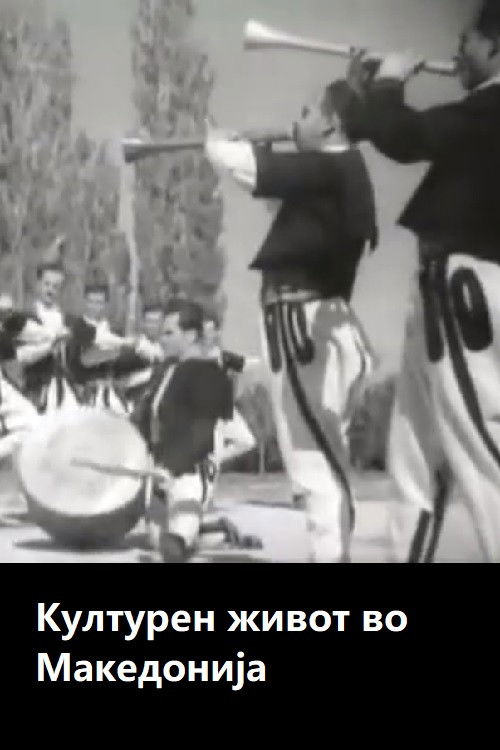
A report on the cultural life in Macedonia shown through the celebration of the fifth anniversary of the Macedonian National Theater, concerts, the puppet theater, the Theater in Strumica, the Macedonian Philharmonic Orchestra and the performance of the choir of the Cultural and Artistic Community "Vlado Tasevski" for the railway workers on the occasion of October 11th.
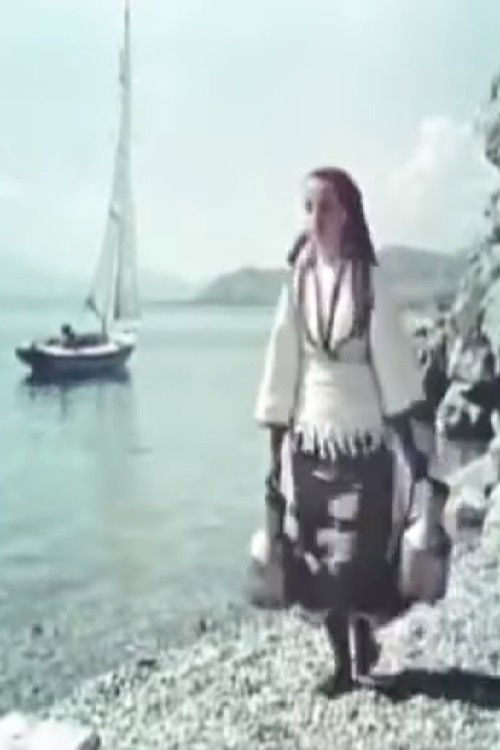
A documentary showing the historical sights and beauties of Ohrid Lake and the promotion of tourism in this region.
A depiction of one of the last journeys of the little train, the so-called "teapot", on the Gostivar-Ohrid route. This train is specific for using the narrow-gauge railway, which takes it through high mountain passes and up to over 1000 meters above sea level, as well as the picturesque landscapes of Western Macedonia through which the "teapot" passes.
A documentary showing the sweet products of the "Evropa" factory in Skopje and their journey from the first stages of production to the consumption of the products in the mass market.
A documentary film recording the growth of a generation from the "Vasil Glavinov" Primary School in Skopje. The students Maja Kočevska, Vase Manev and Ljupčo Boškov, filmed in 1945, meet again in 1959, this time at the "Palace" hotel in Ohrid.
The film is a collage of photographs about the life of a boy, a printing worker, who from the earliest days becomes a member of SKOJ and KPJ and gives his life for their ideas, along with his girlfriend. At the Labor Day celebrations, the boy Kosta wore a rose in the lapel of his coat. That is why his friends started calling him "the boy with the rose".
Film reportage about the visit of emigrants from Yugoslavia to the old village and the celebration of Emigrants' Week in Macedonia.
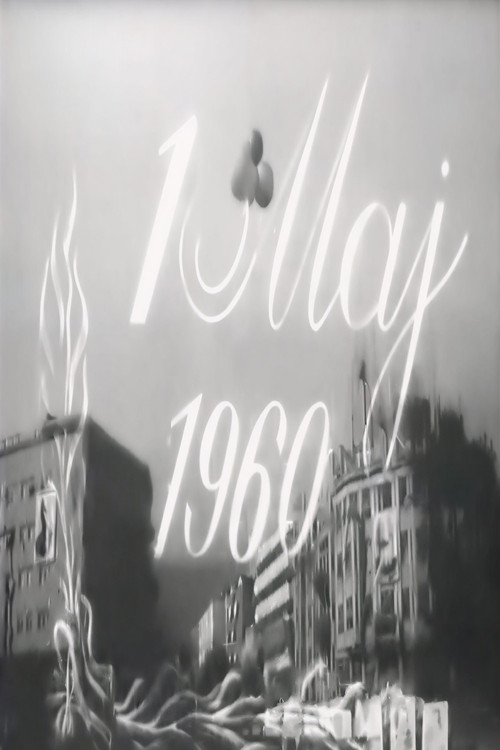
The film captures the parade that took place on Marshal Tito Square in Skopje, on the occasion of the celebration of Labor Day on May 1, 1960. Working people, laborers, youth, and pioneers from across the republic participated in the parade, presenting their achievements.
A film dedicated to life in Mariovo, one of the most passive areas of Macedonia, not only due to the scarcity of natural opportunities for existence but also due to the isolation of this area.
The activities of the National Technical Institute are presented, which played an important role in raising technical culture and knowledge in the years after liberation.
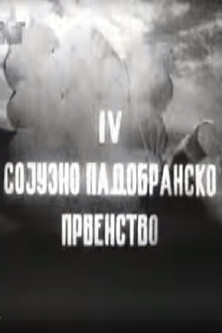
A reportage from the Fourth Parachute Championship of Yugoslavia, which was held in Ohrid and organized by the Aeronautical Union of Yugoslavia.
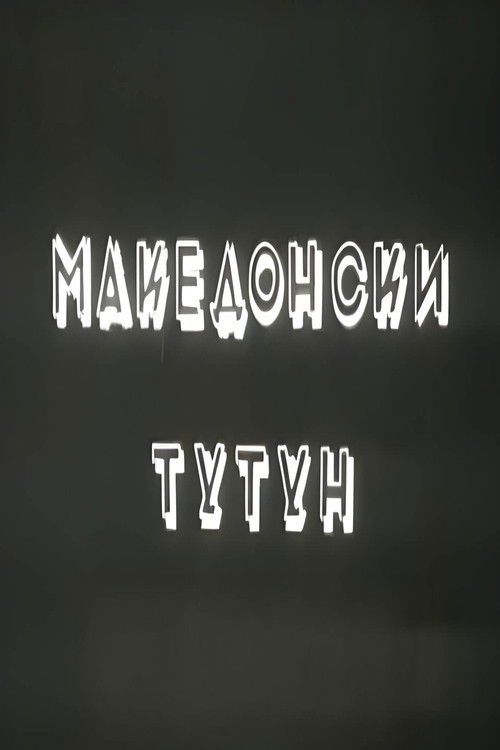
A film that clearly presents the stages of tobacco cultivation, from preparing seedlings, then planting, harvesting, stringing, tanning, and drying. The film also has educational significance, as the stages are described from a scientific perspective, with practical advice for proper tobacco cultivation, in order to obtain the highest possible yields.