Acting
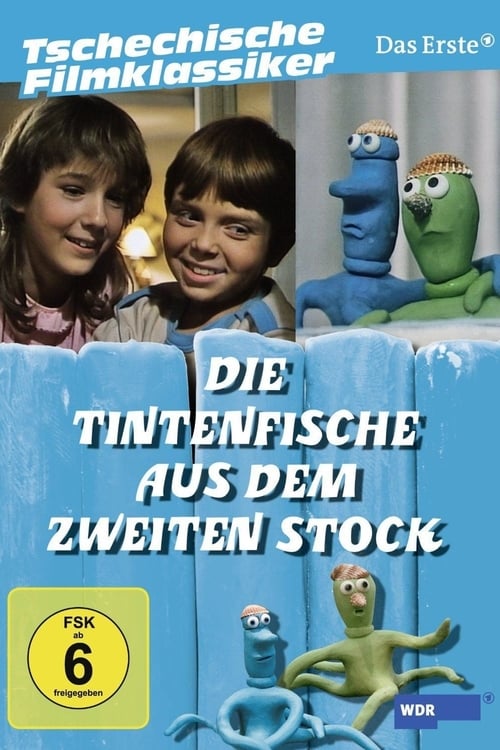
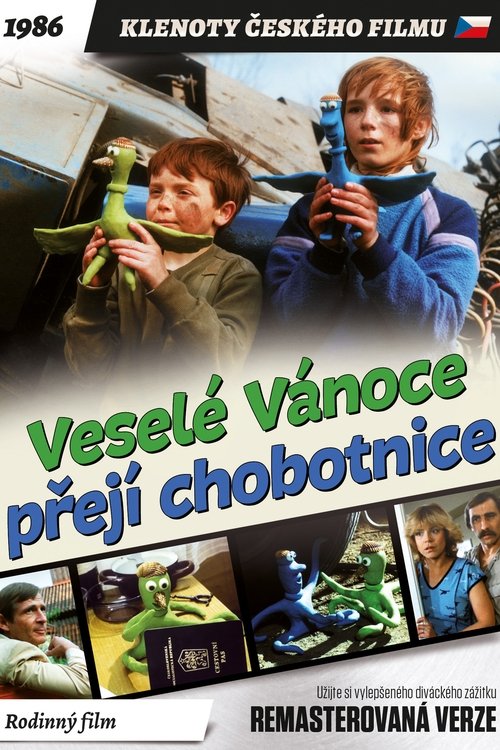
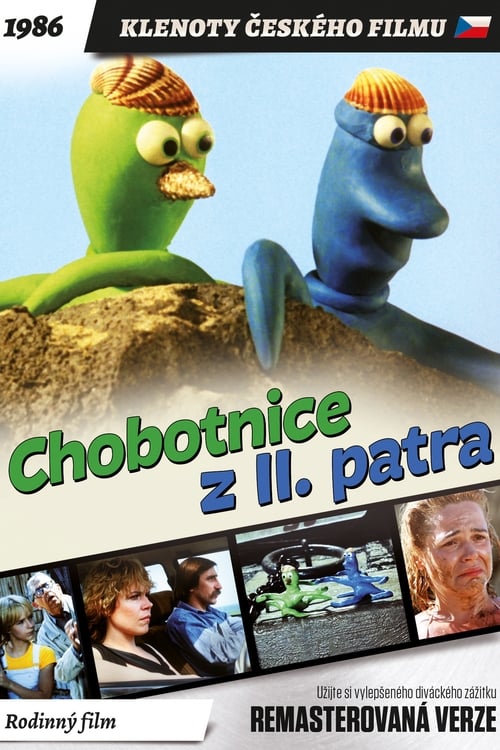
While on vacation with their bickering parents in Portugal, Eva and her little brother Johnny find two strange clots of clay on a polluted beach, who can speak and move on their own. They create two octopuses out of the blue and green material and take them home to Prague, soon discovering that their new pets attract electricity and other disasters.
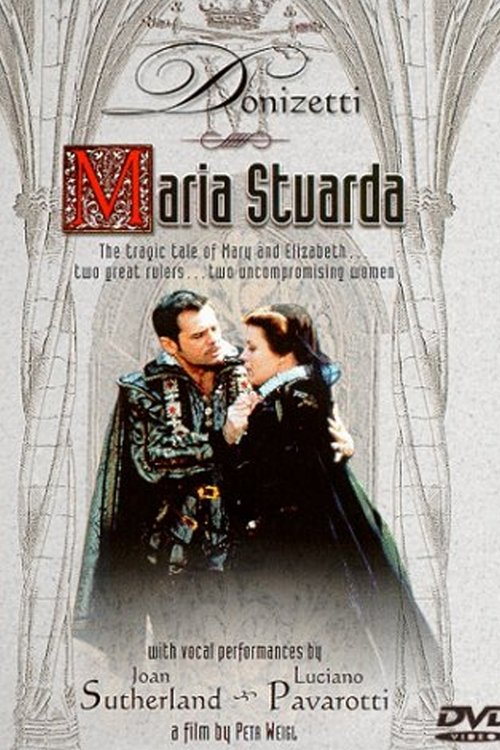
Donizetti's opera as film.
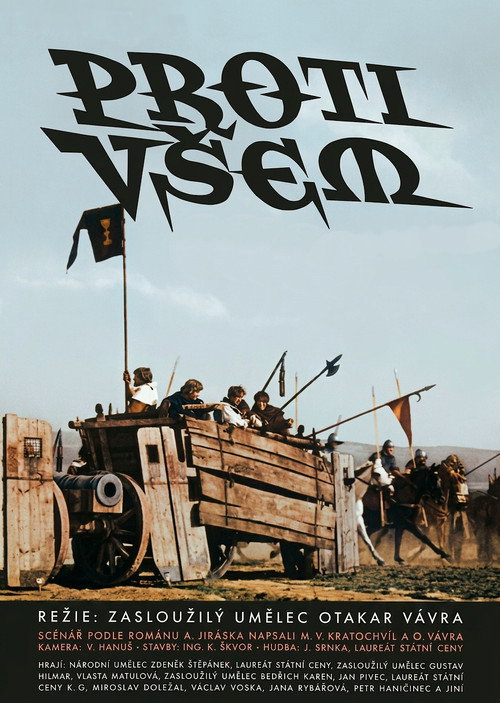
The second part of the revolutionary Hussite trilogy takes place in the years 1419-1420.
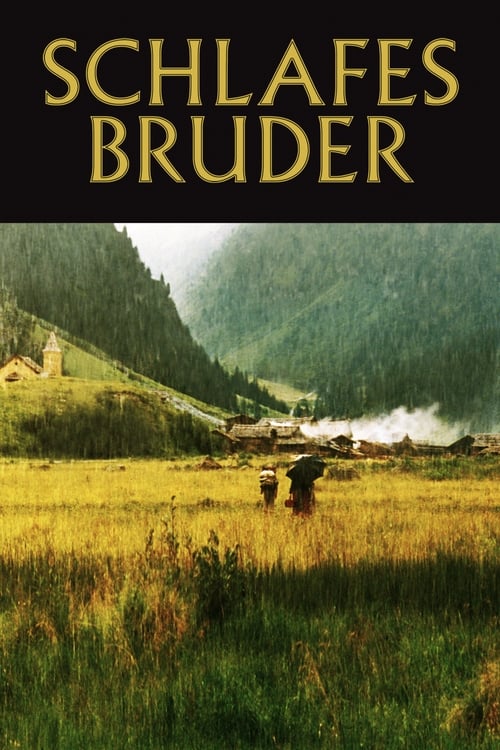
In the beginning of the 19th century, Johannes Elias Alder is born in a small village in the Austrian mountains. While growing up he is considered strange by the other villagers and discovers his love of music, especially rebuilding and playing the organ at the village church. After experiencing an "acoustic wonder", his eye color changes and he can hear even the most subtle sounds.
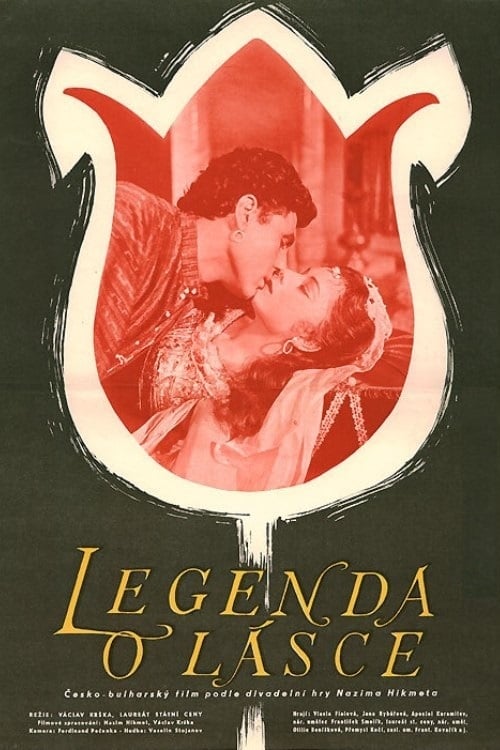
A spring is hidden in the Iron Mountain but the people of Arzen cannot get to it and they are suffering from thirst.
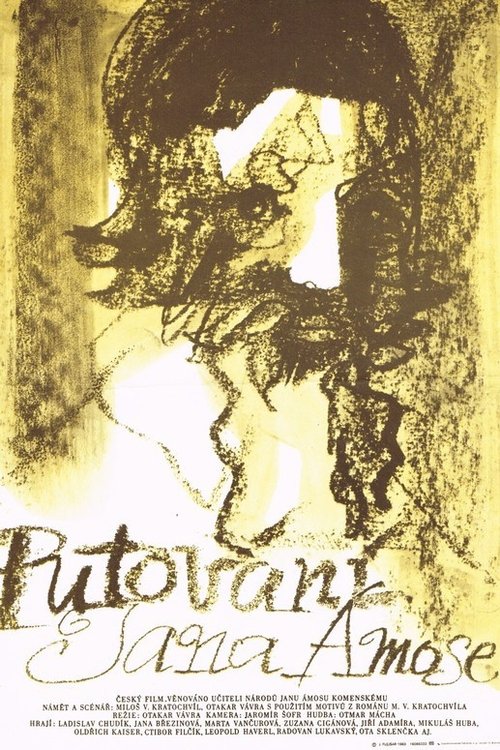
The distressing fate of the Czech great Jan Amos Komenský, forced to leave his homeland after the White Mountain disaster. It depicts his encounters with various European personalities of the 17th century - the Queen of Sweden, artists and scientists. It emphasises the hero's nobility, but also his inner resilience, which allowed him to overcome many personal and professional tragedies. The parable of The Labyrinth of the World and the Paradise of the Heart becomes part of the story. However, Comenius's concept is sculpturally lifeless and, in particular, the religious dimension is "erased" from it. The simplistic biography therefore does not avoid schoolboyish dryness.
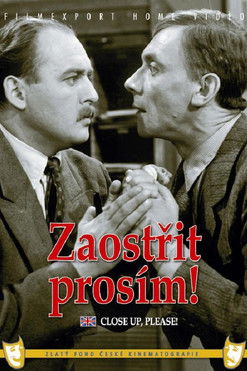
A Czech satirical comedy, filmed according to a script by the State Prize laureate Jiří Marek based on several of his satirical short stories. The film contains three stories, the first of which mocks careerism, the second takes aim at the inadequate attitude of some of our literary critics, and the final story is a satirical picture of how irresponsible construction work is still done in some parts of our country.
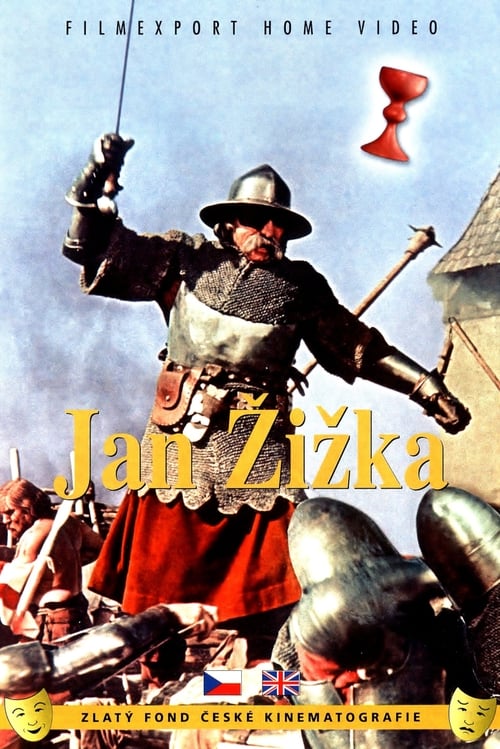
After the battle of Sudoměř the Hussite teaching spreads through the whole country and people start leaving their homes to help build the fortification of Tábor. Prague citizens request help against the army of Zikmund. The Hussite army with Jan Žižka in the lead make their way towards Prague. They fortify themselves on the mountain Vítkov and engage in a bloody battle with Zikmund’s huge army.
No description available.
It is 5 May 1945 and the uprising against the hated German occupiers has broken out in Prague. The Czech guards open the gate of the Pankrác prison to allow the prisoners to escape en masse. Many of them are shot dead by the German guards but young Ruda (Jaromír Hanzlík) manages to run away. He is taken care of by one of the Prague fighters, concierge Kytka. Kytka hides him in the flat of the house's owner where only the young maid Karla (Jana Brejchová) is left, ordering her to take care of Ruda.
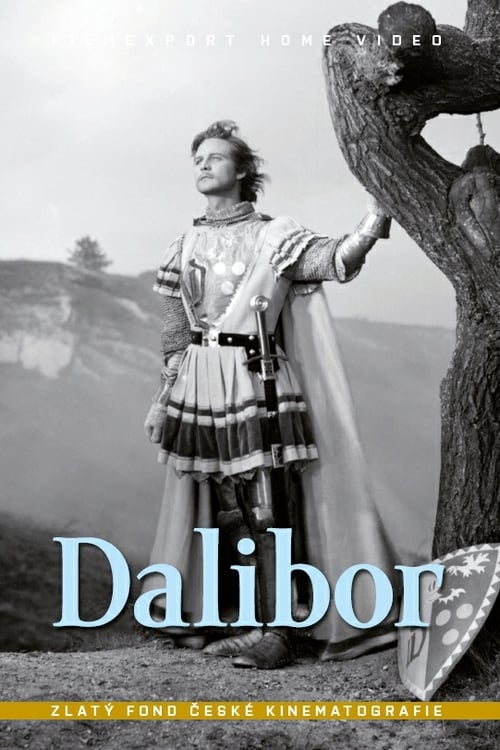
It happened during the reign of King Vladislav Jagiellon: the rebellious knight Dalibor is sentenced to death. An attempt to free him fails. This underappreciated transcription of Smetana's opera surprises with its fresh originality, even compared to much later attempts to translate musical-dramatic works to the screen.
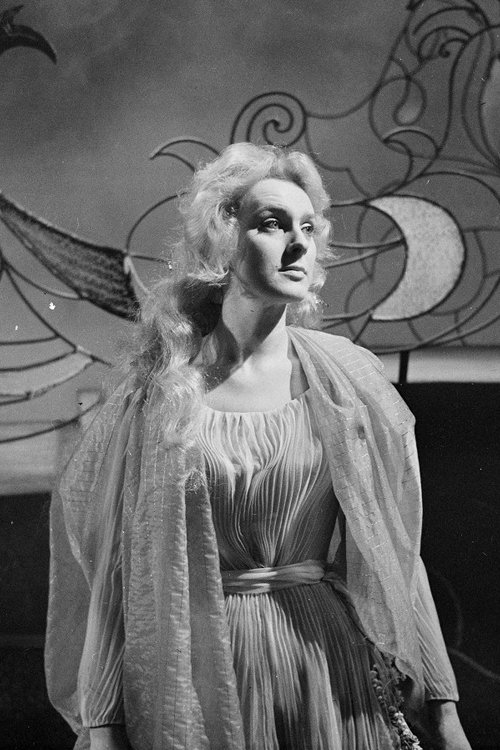
The legendary Eduard Haken as Aquarius in the first television production of the composer's most famous musical-dramatic work.
Eva and her younger brother Johnny own two sentient octopuses made out of strange matter. Will their parents divorce and ruin Christmas? Will a scientist find a way to use their pets as fuel? Live action film with stop-motion octopuses.
While on vacation with their bickering parents, young Eva and her little brother Johnny find in a polluted lake two strange friendly sentient octopuses made of strange material that attracts electricity. They take them as pets.
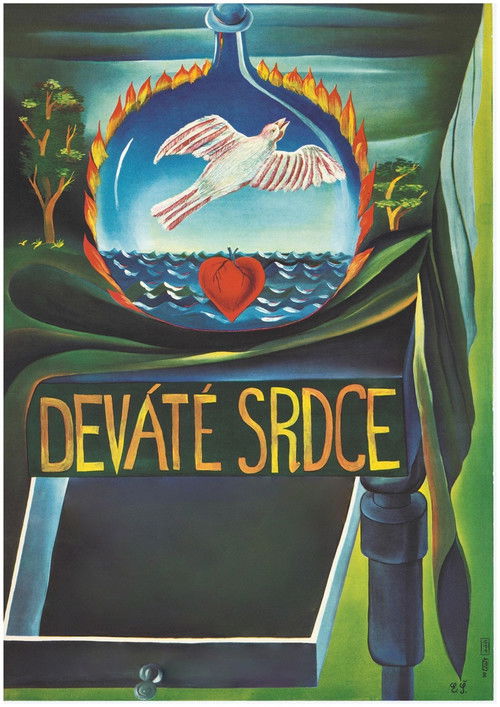
Martin, a poor student, volunteers to go on a quest to find a cure for the princess Adriana, who is stricken with a strange illness. Unknown to Martin or anyone else, the princess is actually under the spell of the powerful magician Andlobrandini, who is preparing a rejuvenating elixir made from the blood of nine men's hearts.
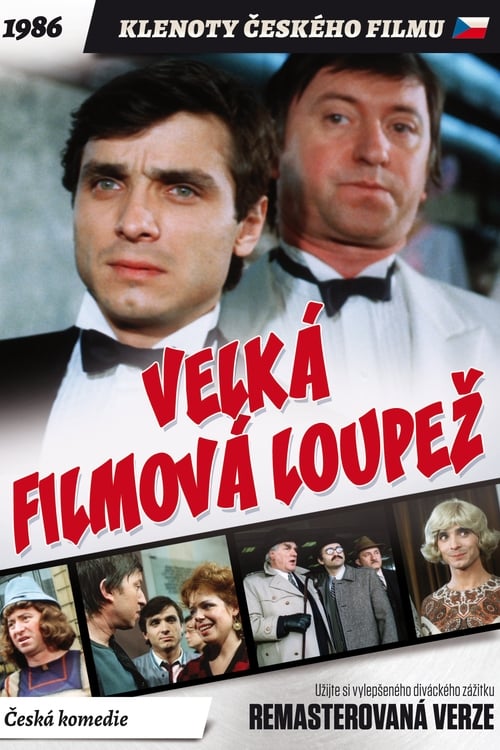
The film is essentially a feature-length commercial for an exhibition to mark the 40th anniversary of the nationalisation of the Czechoslovak film industry, to be held at the Prague U Hybernu venue. The protagonists of the piece are comedians Oldrich Kaiser and Jirí Lábus, who are set to accept an award from Japanese television representatives at the exhibition. At the same time, five gangsters plot to seize a revolutionary invention devised by professor Suzuki - a super holograph, which enables any figure from television to be transported in the flesh into the real world, and vice-versa.
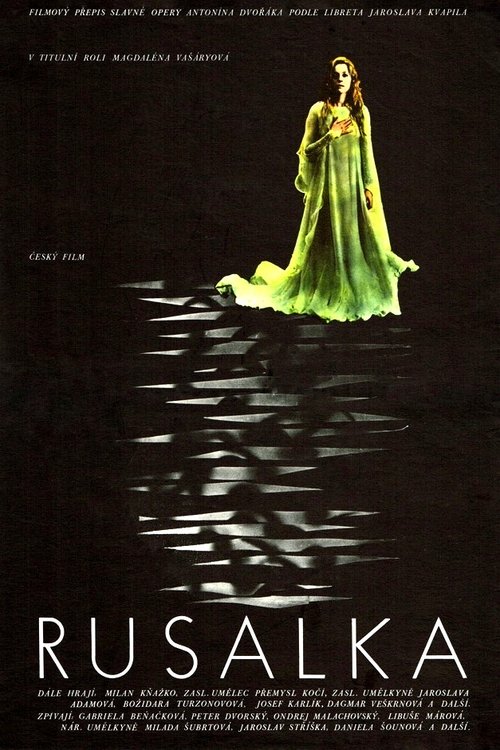
Three arias from Antonín Dvořák´s fairytale opera Rusalka turned in to a movie, sung by Gabriela Beňačková (Rusalka), Libuše Márová (Witch), René Tuček (Hunter).
A young woman, married to a wealthy man, but miserably lonely; trapped within a world ruled with an iron fist. Katerina is driven by a lust for life and for love. Her husband, though, is impotent; her father-in-law a tyrant. No wonder, then, that she longs to free herself from this yoke. When Sergei starts work on the family estate, she sees in him a chance for salvation. However, their subsequent affair marks the beginning of a descent into crime.
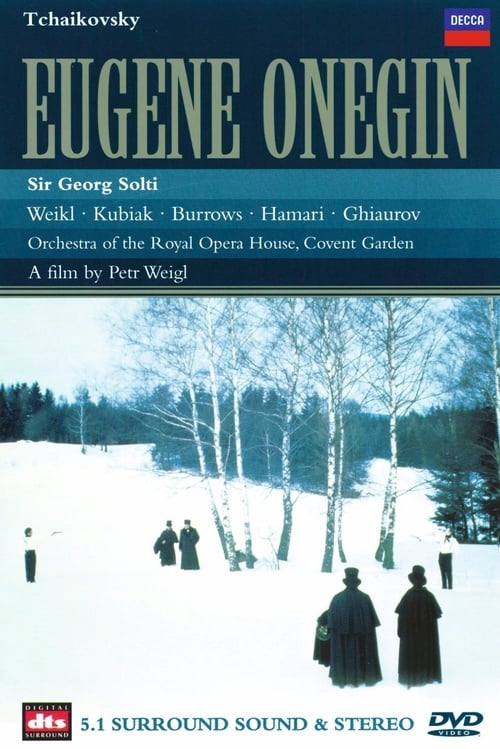
A filmed version of Tchaikovsky's opera. Onegin visits a friend, his fiancee and her sister Tatiana, who believes Onegin is her fated love. She writes a note telling him so, but he rejects her. Years later he returns, finding her married, but now he's smitten with her.
The water fairy Rusalka falls in love with an earthly prince. In vain, Father Aquarius warns her. Her sincere feelings are met with human treachery...