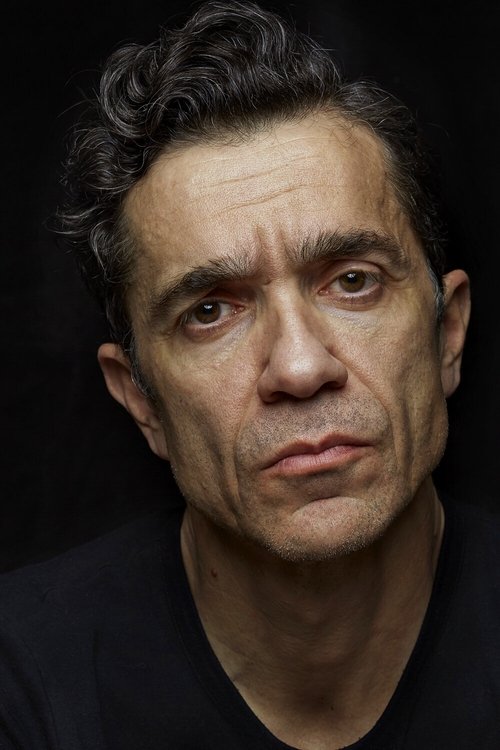
Romeo Castellucci
Directing
Known For
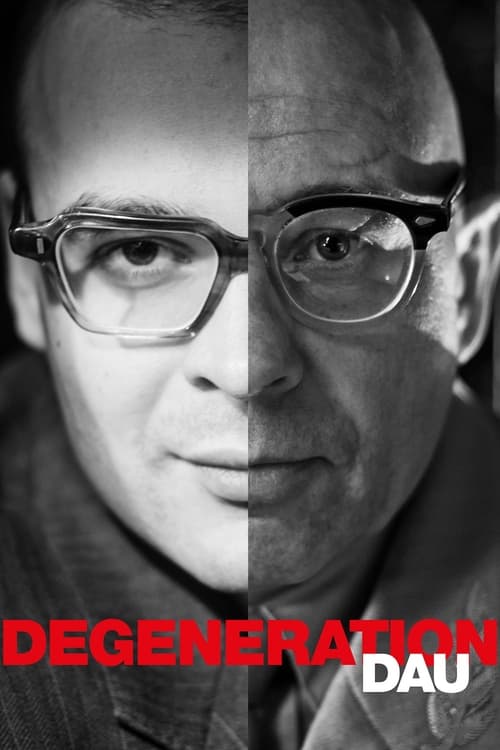
A secret Soviet Institute conducts scientific and occult experiments on animals and human beings to create the perfect person. The KGB general and his aides turn a blind eye to erotic adventures of the director of the Institute, scandalous debauches of prominent scientists and their cruel and insane research. One day, a radical ultra right-wing group arrives in the laboratory under the guise of test subjects. They get a task - to eradicate the decaying elements of the Institute’s community, and if needs be, destroy the fragile world of secret Soviet science.
DAU. Degeneration
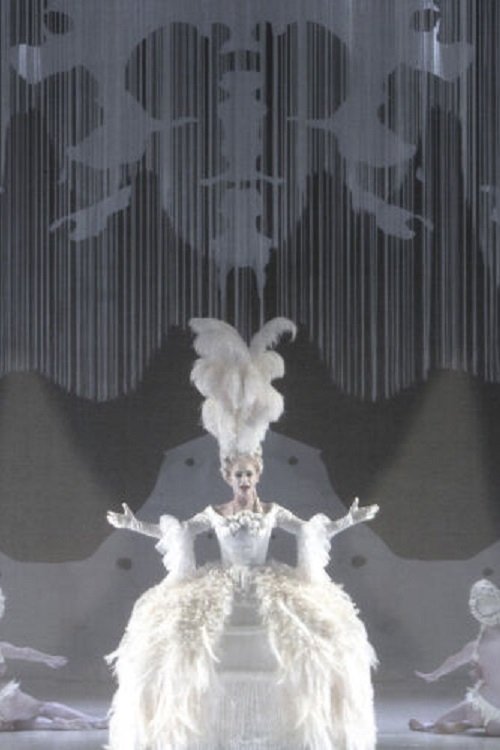
The Magic Flute by Mozart at La Monnaie.
The Magic Flute
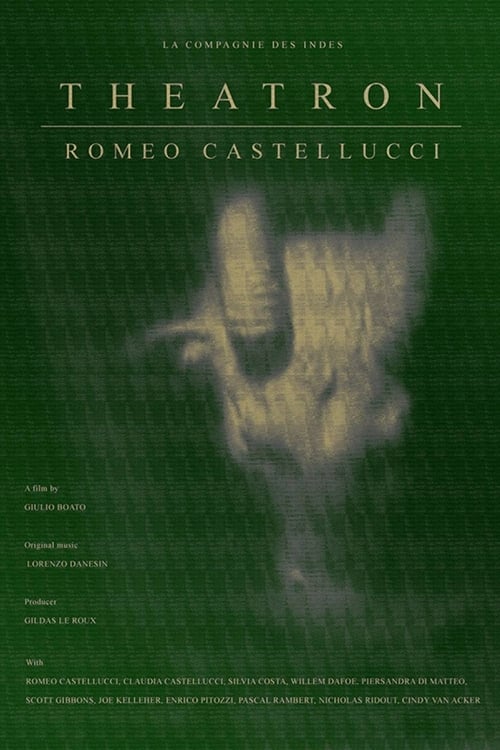
Theatron, the film by the multi-award-winning film-maker Giulio Boato, is an unprecedented portrait of Romeo Castellucci. Castellucci and his theatre company, the Socìetas Raffaello Sanzio, are key protagonists of avantgarde theatre. To a Vivaldi soundtrack, Theatron layers Romeo and Claudia Castellucci’s comments with the testimonies of dramaturgs, composers, choreographers, critics and actors (including Willem Dafoe) who have collaborated with the director. Between rehearsals and international tours, the film is a deep reflection not just on the performances, but also on the connection between the author and the representation of human nature.
Theatron. Romeo Castellucci
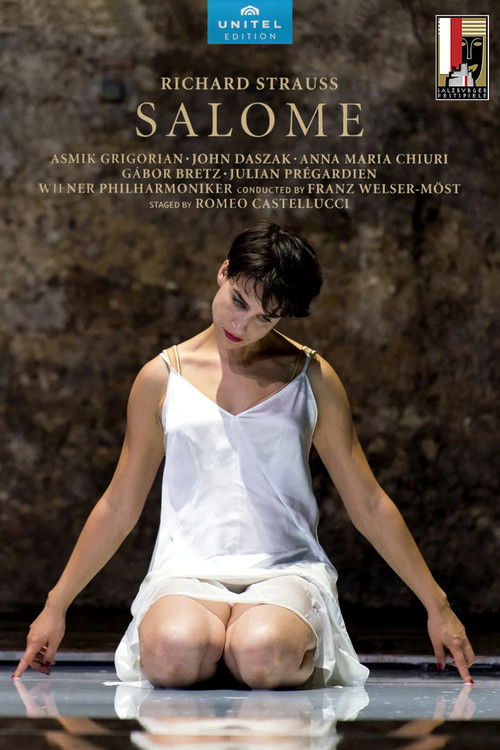
The story is set at the beginning of the Christian era on a large terrace of Herod’s palace, during the reign of Herod Antipas. At night, on a terrace of the palace, Salome, Herod’s stepdaughter, is gazed at passionately by Narraboth, captain of the guard. Jochanaan, a prophet, is imprisoned in a cistern for having slandered Herod. He proclaims the coming of Jesus, but his message is met with incomprehension by the guards. Salome hears the prophet. She manages to convince the guards to bring Jochanaan out so she can see him. Both fascinated and frightened by his prophecies, Salome falls passionately in love with this man. Richard Strauss’s opera at the 2018 Salzburg Festival, directed by Romeo Castellucci at the Felsenreitschule. In her debut in the title role, Asmik Grigorian distinguished herself with her talents as a singer and actress.
Strauss: Salome
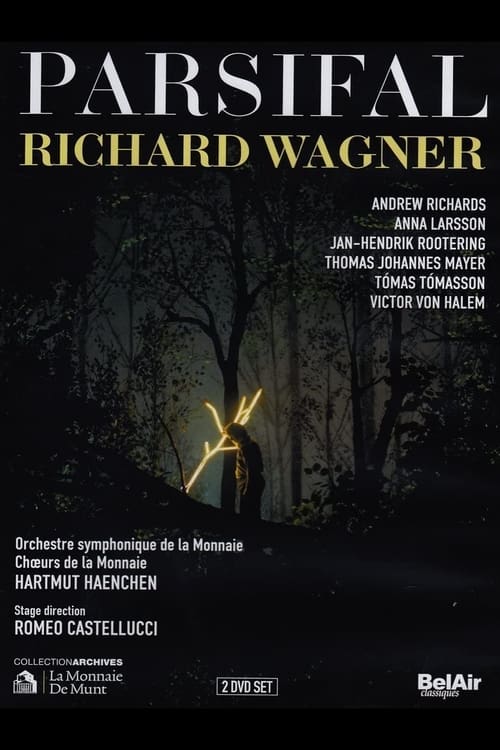
A mythical performance from la Monnaie - Bruxelles. Parsifal is a strange and enigmatic work. At the end of his life, did Wagner wish to celebrate asceticism, which he himself had never practised? Did he fall upon his knees before the Cross, as claimed by Nietzsche? And what does the secret society of knights based on pure blood signify, desperately waiting for the saviour to regenerate it? What is the true nature of the opposition between the worlds of Klingsor and the Grail? What can Parsifal tell us today? In his artistic will and testament, Wagner condenses his moral idea of the world and returns to the roots of love and religion - to the very heart of art according to him. With the participation of conductor Hartmut Haenchen who is passionated by the score, Italian stage director Romeo Castellucci proposes an original reading of this brilliant work and explores the essence of Wagnerian ‘Kunstreligion’ in a different light.
Parsifal
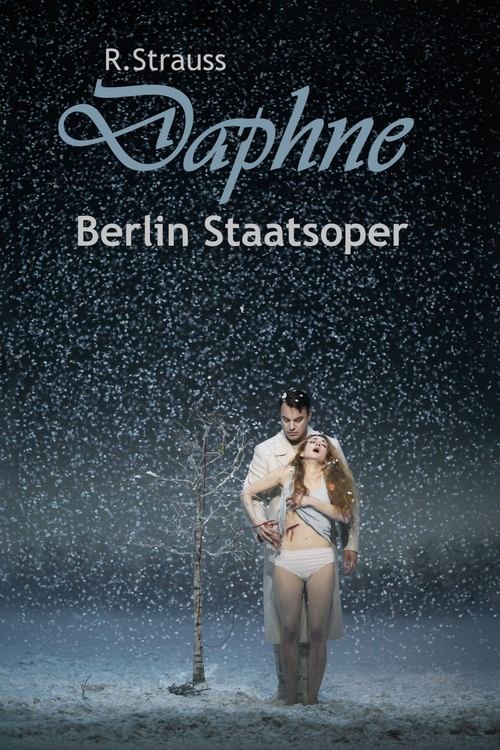
Daphne lives in a world that is foreign to her. She is the embodiment of nature and finds human behaviour and desire alien. Apollo and Leucippus, both of whom desire Daphne, attend the feast of Dionysus. Leucippus puts his plan into action: Daphne abandons herself to the celebrations. Too late, Apollo, under Leucippus’ spell, realises he has acted against his divine destiny and Daphne’s nature.
Daphne - Berlin Staatsoper
No description available.
Tannhäuser und der Sängerkrieg auf der Wartburg
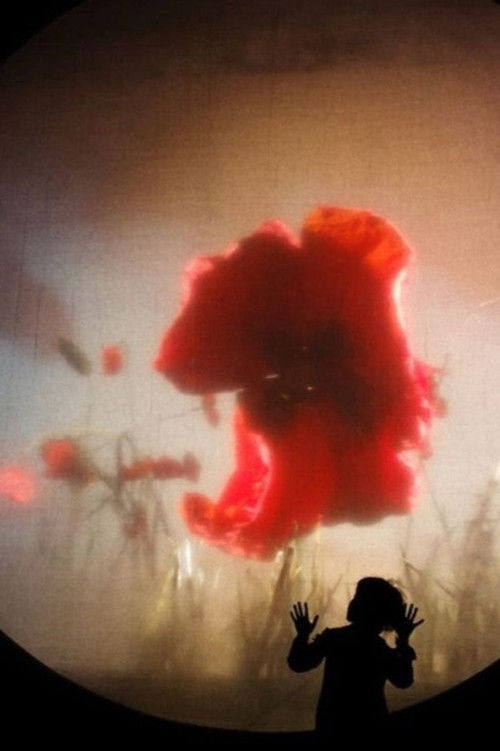
The man who goes through purgatory – the “song of the earth” – is a curious being, constantly stopped by the concrete nature of the things and objects that surround him, in a depiction of his own life. This material occupies him, blocks his way, attaches him and often torments him. It bears witness to what exactly purgatory is to Romeo Castellucci: human life in its daily repetition, familiarity with everyday tasks, the trap of routine, the experience of the ordinary body, encounters with the finished world, known nature, the substances of life.
Purgatorio
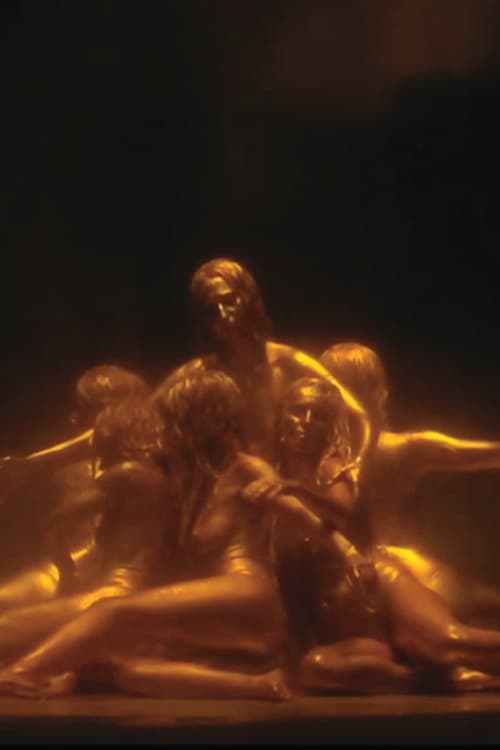
Director and visual artist Romeo Castellucci will tackle this mythological material and project his visions over the course of the journey performed by the characters, representing concretely such key elements of the Ring as water and fire. This symbolic reading will concentrate on essential aspects of the libretto, inviting spectators to forge their own interpretation. Avoiding irony, Castellucci will treat each protagonist with equal importance, highlighting the aspirations, emotions and thoughts that animate them: absolute love and the conquest of power.
Wagner: Das Rheingold
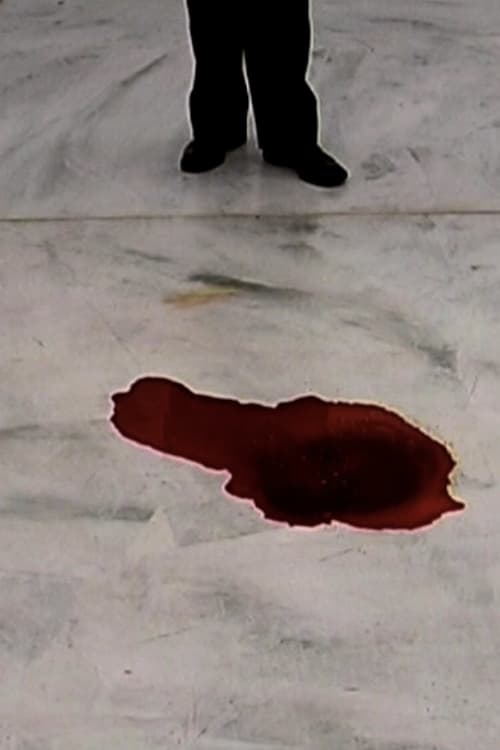
A new born child sitting on the stage, unaware of the place wich surrounds him, together with a mask which is teaching him the alphabet. The scene shifts constantly between fiction and the reality of fiction, swapping the point of view between the stage and the stalls.
TRAGEDIA ENDOGONIDIA - BR.#04 BRUSSELS
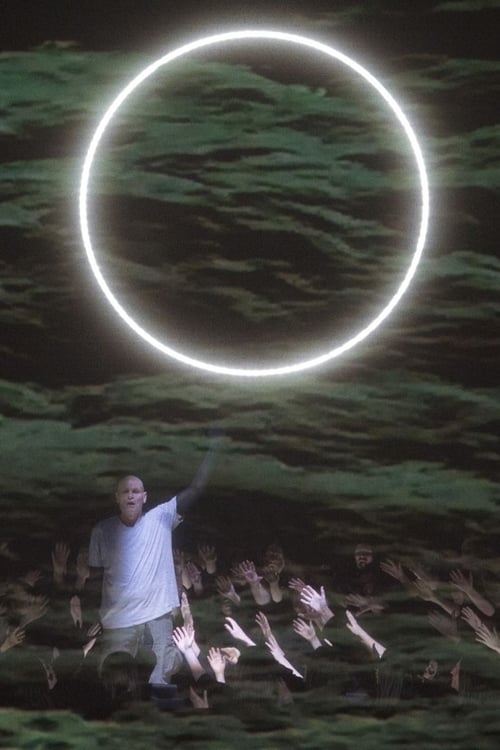
Hans Werner Henze’s “The Raft of the Medusa” is directly inspired by Théodore Géricault’s famous painting. The German composer sets to music the fate of 150 people who have been shipwrecked and abandoned to their destiny. This is a radical work that fluctuates between hope and inevitability, agony and sudden bursts of life. The Raft of the Medusa is an oratorio that was first performed in 1968. Fifty years on, the Italian director Romeo Castellucci underscores its immense modernity, drawing a striking parallel between Hans Werner Henze’s work and the current migrant crisis in the Mediterranean.
The Raft of the Medusa

Die Zauberflöte is one of Mozart’s most famous works and one of the most beloved of the entire operatic repertoire. Generations of spectators have been fascinated by the melodies and adventures of Papageno, the Queen of the Night, Tamino, and Pamina, the ordeals faced by the young lovers, and the work’s inexhaustible allegorical depth. The director Romeo Castellucci has deliberately stepped back from the narrative dimension of the opera in order to explore its raw emotion and its philosophical heart. For his part, the conductor Antonello Manacorda brings Mozart’s immortal music to life with the help of an outstanding cast that includes Sabine Devieilhe, one of today’s finest interpreters of the Queen of the Night.
Mozart: Die Zauberflöte
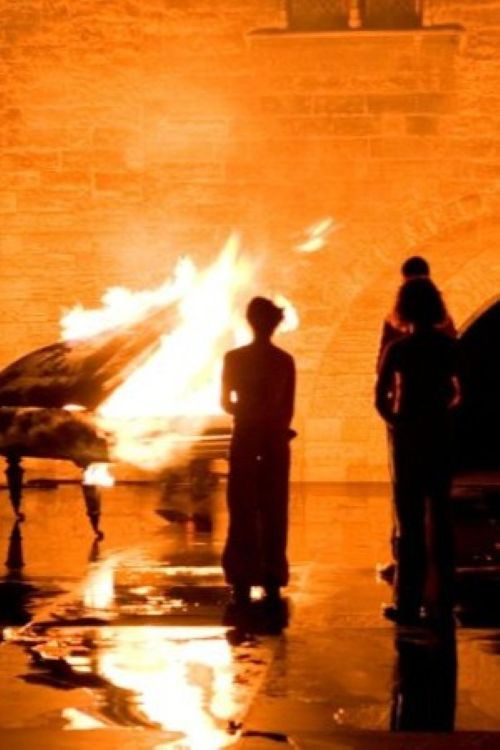
Dante's 'La Divina Commedia' is a poem in three parts about a journey to hell, purgatory and finally, paradise. Romeo Castellucci created his own free adaptation on the gigantic stage of the Cour d'Honneur in Avignon, in the palace where the first French pope, Clement V, resided. The pope allows Dante to descend into the inferno. We are confronted with man's confusion, the fragmentation of the community and the darkness of art.
Inferno
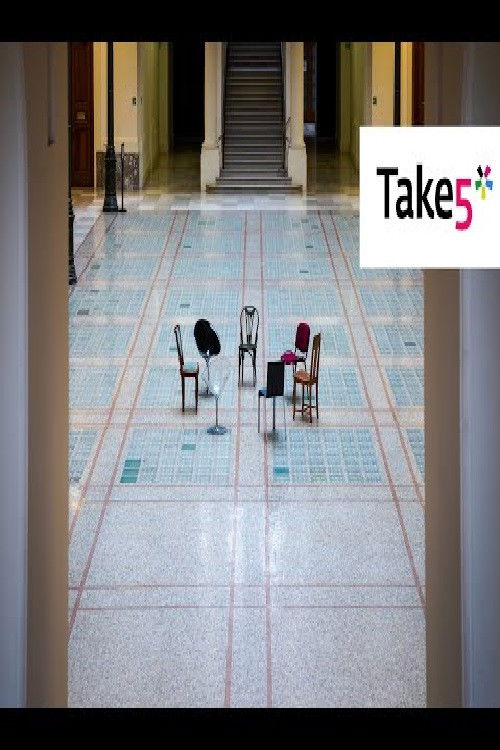
Take5* is a filmed series of encounters between 5 artists and 2 guests who meet for the first time in a specific city to speak about Europe, festivals, the arts and their role in society.
Take5*
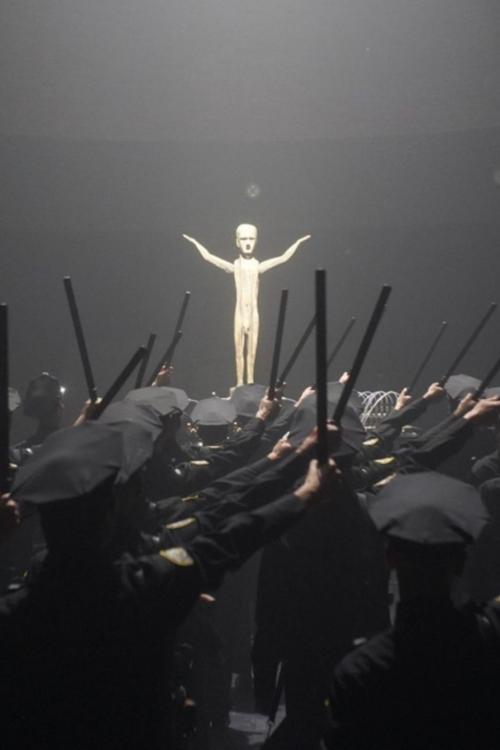
No description available.
Bros
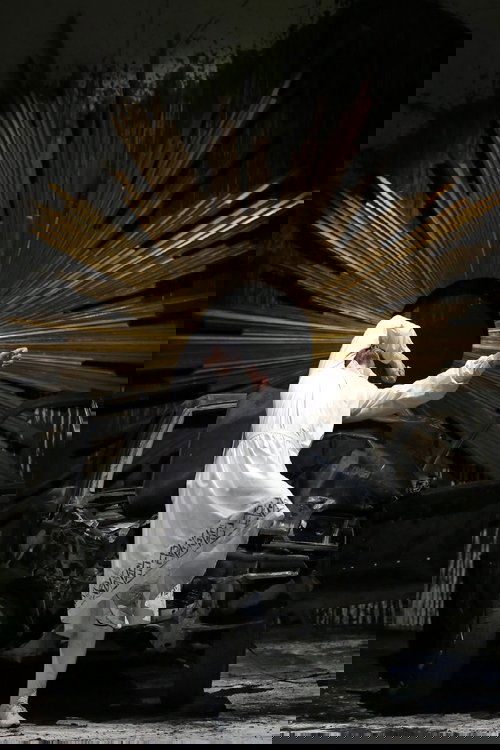
Romeo Castellucci interpretation of Mozart's final work.
Requiem
No description available.
Un'arte del contatto - Incontro con Romeo Castelluci
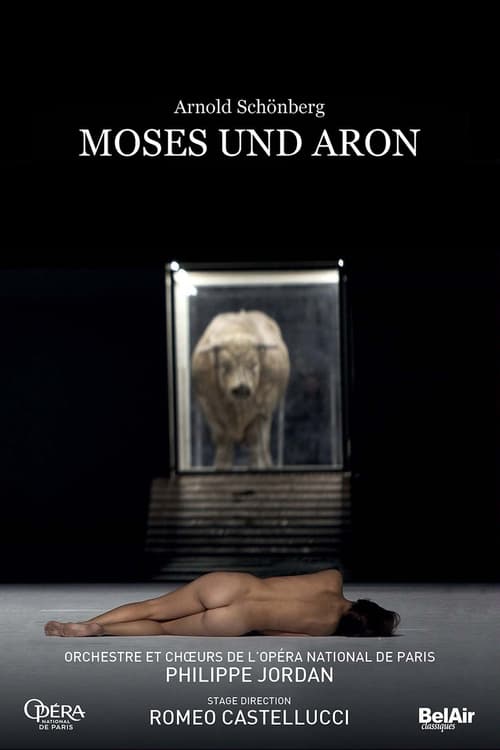
Moses und Aron is a three-act opera by Arnold Schoenberg with the third act unfinished. The 2015 Production was led by Romeo Castellucci in Paris. Moses und Aron was filmed for television by film director François-René Martin, in co-production with the Paris Opera, Bel air Media and Arte, with support from the CNC.
Arnold Schönberg: Moses und Aron
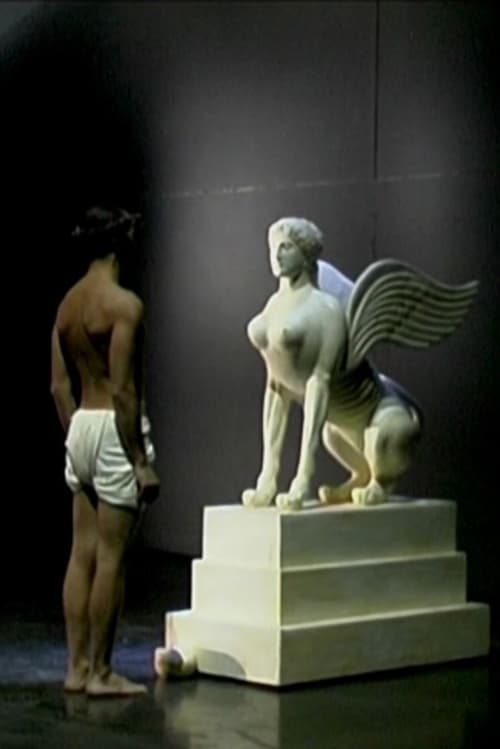
The acceleration of the tragic eventually leads to a crash as three cars fall from the ceiling in an unexpected act which leaves room only for apnea.
TRAGEDIA ENDOGONIDIA - P.#06 PARIS

A human figure dressed as a woman is anatomically exposed by means of a series of photographic poses. The show is seeped from beginning to end in darkness, an allusion to the photographic negative.