Directing
Annual awarding of the Grimme Awards.
The most famous murder scene in movie history comprises 78 camera settings and 52 cuts: the shower scene in Alfred Hitchcock's Psycho. 78/52 tells the story of the man behind the curtain and his greatest obsession.
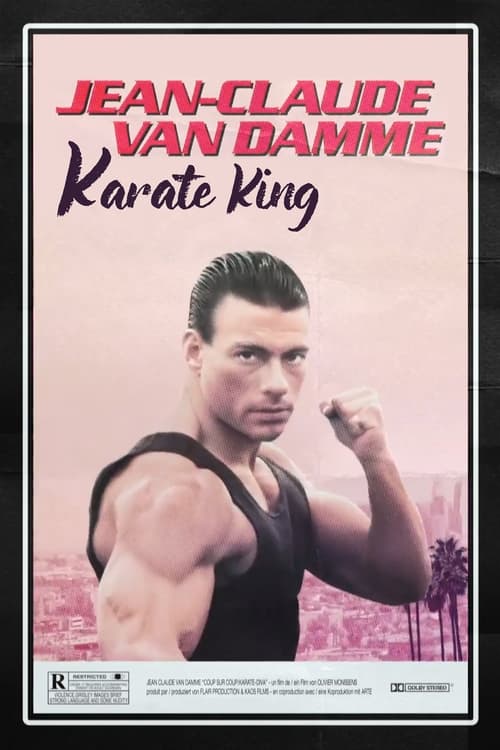
An American low-budget action film celebrated an unexpected worldwide success in 1988: "Bloodsport". With its, the world of film fans and martial arts cinema discovered a new idol: Jean-Claude Van Damme. In the 1970s there was Bruce Lee, but at the end of the 1980s a Belgian won the day. Van Damme was a karate master and had unparalleled strength and flexibility. For ten years he was one of Hollywood's hottest action stars. But excessive overconfidence and drugs bring him down again. At home in Europe he becomes a laughing stock on talk shows. Only with "JCVD" does he manage to get back on his feet, playing his character with perspective and self-irony, but without ever giving up the reputation that his action films brought him and which has been a cult for several generations. The highs and lows of his eventful life are told through archive footage and contributions from people close to the popular Belgian actor.
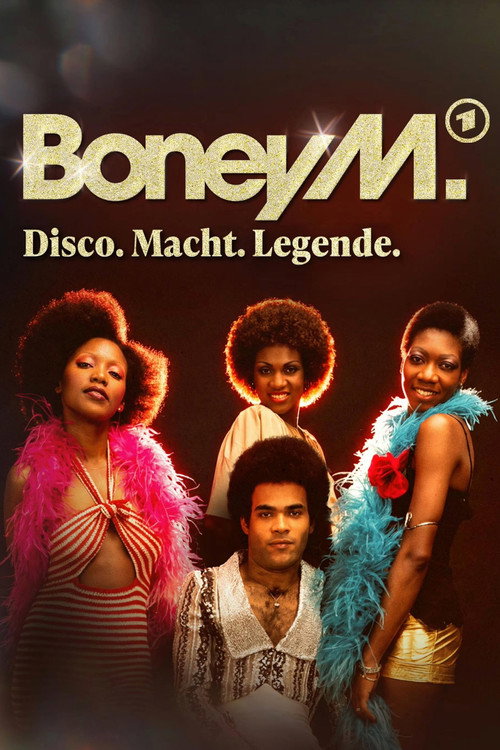
The global success of disco legends Boney M. has left a lasting impact. But who are the people behind the songs? And what does their success have to do with a recording studio in Offenbach?
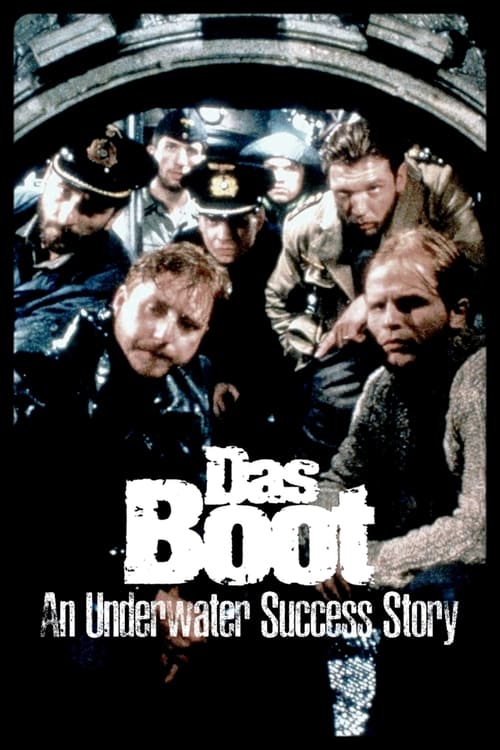
In 1981, a film about the misadventures of a German U-boat crew in 1941 becomes a worldwide hit almost four decades after the end of the World War II. Millions of viewers worldwide make Das Boot the most internationally successful German film of all time. But due to disputes over the script, accidents on the set, and voices accusing the makers of glorifying the war, the project was many times on the verge of being cancelled.
The personal and professional story of Ilona Staller, known as Cicciolina, is probably unique: she left communist Hungary and moved to Italy, where she found a fertile environment for a life dedicated to scandal.
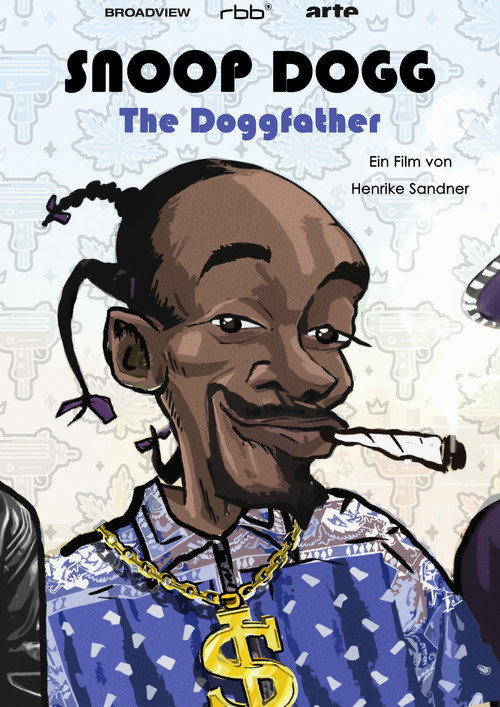
Snoop Dogg is an icon. A gangster rapper who can be dangerous one moment and endearing the next. The documentary reveals him to be an American phenomenon through and through. Three decades of Snoop Dogg, filled with music, violence, movies, drugs, advertising, prostitution, and social activism. Snoop Dogg resolves all contradictions—casually and with a wink. Yet he remains the authentic, big kid from the troubled neighborhood who always just wanted to save himself. He turns this life journey into his own art form: Snoop Dogg – The Doggfather.
A documentary directed by Oliver Schwehm.
No description available.
From 1957 —the year in which the Soviets put the Sputnik 1 satellite into orbit— to 1969 —when American astronaut Neil Armstrong walked on the surface of the moon—, the beginnings of the space conquest were depicted in popular culture: cinema, television, comics and literature of the time contain numerous references to an imagined future.
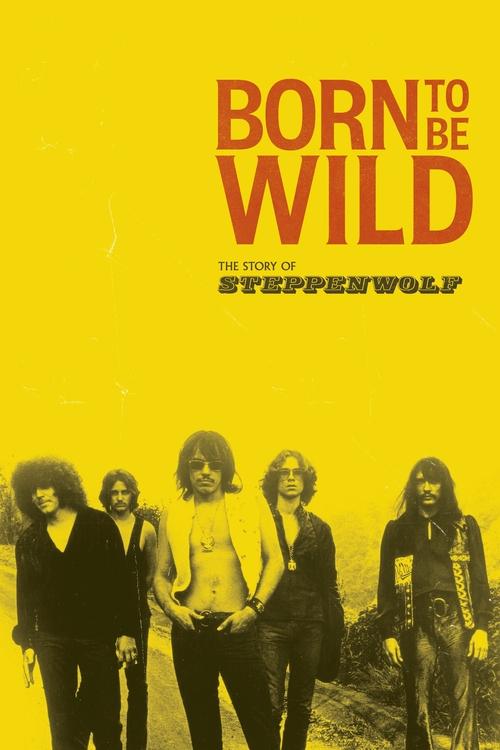
Steppenwolf is one of the most legendary and at the same time most enigmatic bands in the history of rock music. On the border between mainstream and psychedelic underground, their song "Born to Be Wild" became the anthem of an entire generation. The new, hard sound of Steppenwolf was a stab in the heart of the "Summer of Love" and put an end to the hippie era. It is no coincidence that they were the very first band to use the word "heavy metal" in their lyrics.
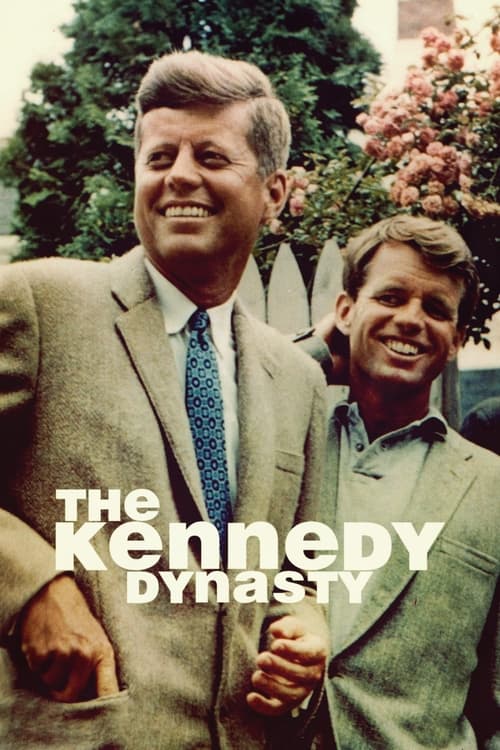
The story of a powerful political and economic dynasty, fundamental to understanding the turbulent destiny of the United States of America throughout the 20th century; of nine brothers who had truly extraordinary lives, marked by both greatness and tragedy: the story of the Kennedy family.
The history of italo disco, a musical genre that conquered the world during the incredible eighties, the most cybernetic decade; a style that was not just another kind of dance-pop music, but also the origin of an aesthetic, a true social phenomenon and the creative center of a very profitable industry.
The crazy story of two fancy boys, a French and a German, models and dancers, who won a Grammy award in 1990 just by moving their lips: the rise and fall of the Milli Vanilli duo. Playback singers, lies and video clips.
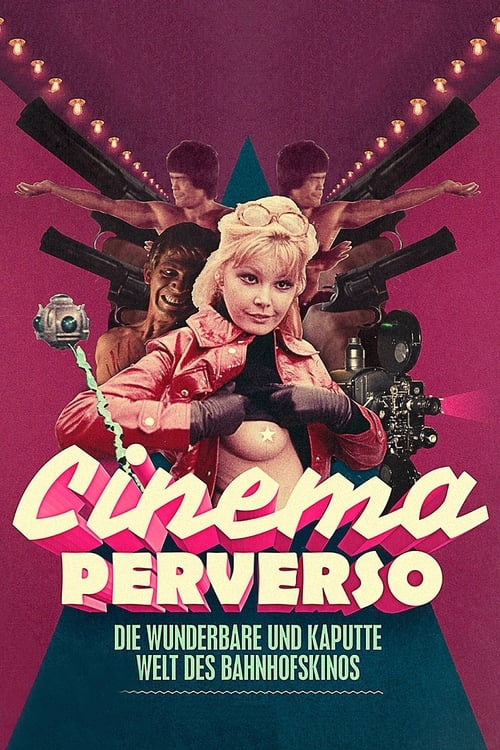
Before there were home video formats and the internet, the “Bahnhofskinos” (“Train station cinemas”) in West Germany regularly showed trash and erotica movies. Various filmmakers and especially contemporary witnesses recount in the documentary “Cinema Perverso – the wonderful and broken world of Bahnhofskino” their experiences and impressions.
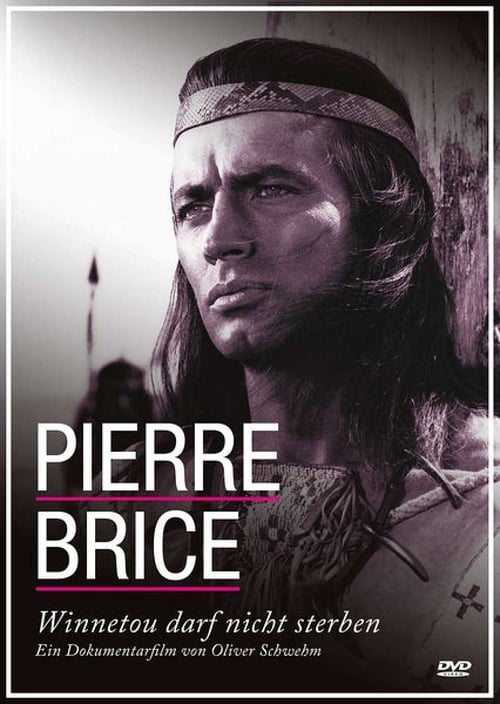
He is a living legend in Germany, but never became known to a wider audience in France: Winnetou actor Pierre Brice. Director Oliver Schwehm sensitively traces the career of the French actor, whose career only took off very hesitantly in the 1950s before he experienced a meteoric rise through the role of the noble Apache chief. Brice reflects on his role as "Winnetou" and visits the original locations in Croatia 40 years after the last filming was completed. Statements from colleagues and former companions (including Mario Adorf and Marie Versini) as well as numerous film clips round off this entertaining documentary.
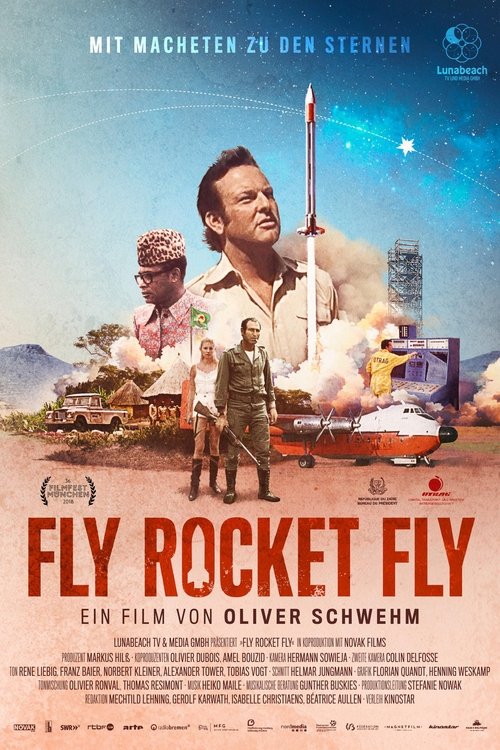
A long time ago, years before Elon Musk reached for the stars with his Space X project, a young man had his own childhood dream about a journey into space. This documentary tells the fantastic story of German astrophysicist Lutz Kayser who developed the world's first private space company. He did this under the curious and concerned eyes of secret services around the world.
A documentary about the career of German folk singer Heino, from his beginnings in the late 60s to his current success with an album of rock and pop covers. Among the interviewees are notable long-time fans of Heino, but also detractors of his music.
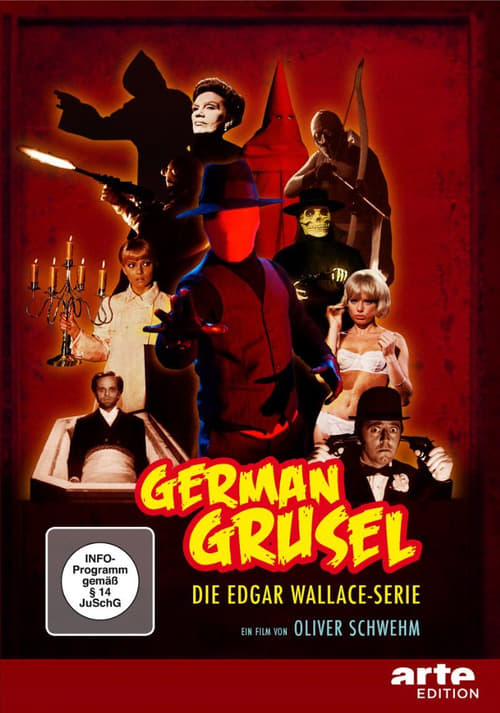
Documentary examines the extraordinary success of the Edgar Wallace series in Germany: the British writer who provided the inspiration for the films was actually out of fashion worldwide in the 1950s - too old-fashioned, too dignified, too boring. Only in Germany was it different, because there was a need to catch up after the end of the Second World War. The National Socialists had banned crime thrillers in general and Edgar Wallace in particular. With a few exceptions, the Edgar Wallace films were therefore the first since the expressionist films...
Born from the ashes of punk, the goth tribe has been evolving rapidly for 30 years. This subculture, initially niche, has grown into a social phenomenon that is flourishing around the world. In Europe, the community includes tens of thousands of people. Marilyn Manson fills concert halls, Jean-Paul Gaultier draws inspiration from gothic aesthetics for his collections, Tim Burton incorporates the movement's codes into his films... Yet the goth community remains relatively unknown. Media coverage of the phenomenon has often been content to perpetuate clichés, without revealing its richness. For over a year, the directors of this documentary traveled to Paris, Strasbourg, and across the Rhine to meet with goths. Over the past decade, Germany has become the center of gravity for this movement.