Gabriele Voss
Writing
Known For

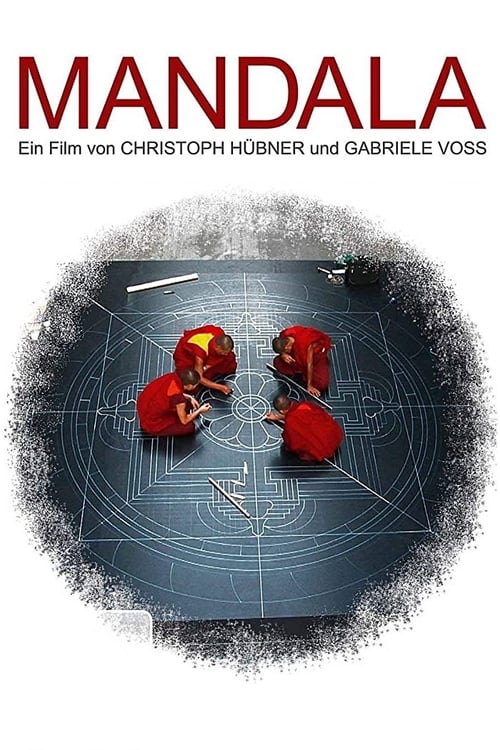
The film Mandala by Christoph Hübner and Gabriele Voss shows in great calm and forcefulness the formation and destruction of the hitherto largest sand mandala in the "Bochumer Jahrhunderthalle zur Ruhrtriennale", created in 2011. Traditionally, sand mandalas scattered on certain ritual occasions in monasteries and the general public are hardly accessible
Mandala

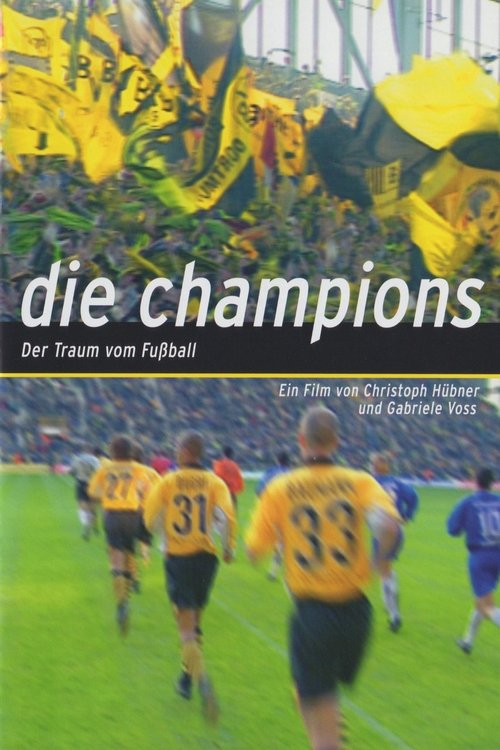
Final part of a long-term observation of football talents trained at Borussia Dortmund in the 1990s. Three lives with, for and after the "favourite sport".
Aftermath

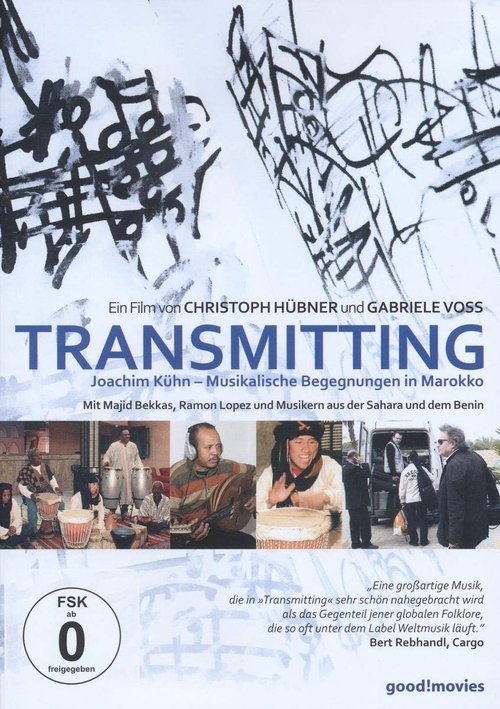
Three famous jazz musicians, the German Jochim Kühm, the Moroccan Majid Bekkas, the Spanish Ramon Lopez, realize a long-term dream: One month of free time together in Morocco, time for music, for encounters, for a new CD. They rent a small studio in Rabat and invite guest musicians. They travel to the desert to meet a legendary group of native drummers, to play with them and make recordings. In between excursions into the everyday life of Morocco, computer crashes, and little crises. A film about improvised music and the work on it, a film about encounters of different cultures, a film about understanding and not understanding. Where do you come from, where do you go to?
Transmitting

The era of mining is coming to an end in the Ruhr area. Prosper-Haniel is the last shaft that is still in use and will finally be closed for coal production in 2018.
Vom Ende eines Zeitalters

No description available.
Nachlass

No description available.
Die Champions - Der Traum vom Fußball
The last of the five films in the original film series is composed of footage from Ebel shot between 1979 and 1982 and most closely reflects the original concept of Hübner and Voss.
Prosper/Ebel - Inmitten von Deutschland

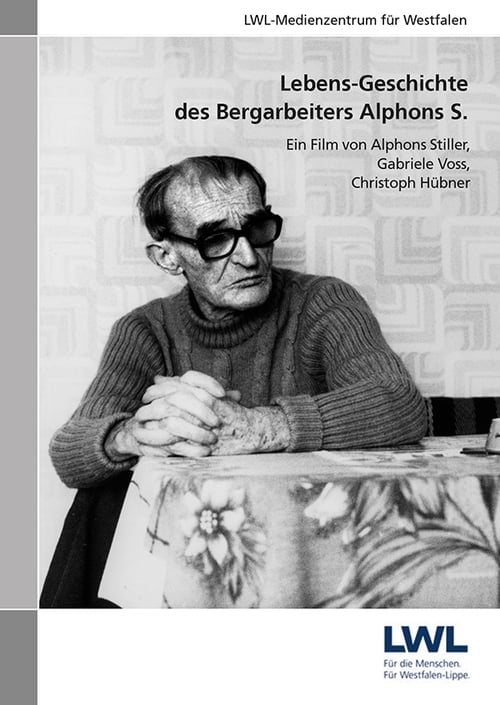
In eight parts, Alphons S. tells the story of his life as a child and teenage miner in the Ruhr region, as a vagrant traveling across Germany in the 1920s, as a farm worker on estates in Mecklenburg, as an anarchist and left-wing socialist—but above all as an intelligent and alert witness to everyday history from 1906 to 1939.
Lebens-Geschichte des Bergarbeiters Alphons S.
Documentary about guest workers in the Ruhr area. Part of the seven-part film cycle "Prosper/Ebel. Chronik einer Zeche und ihrer Siedlung".
Die Einwanderer

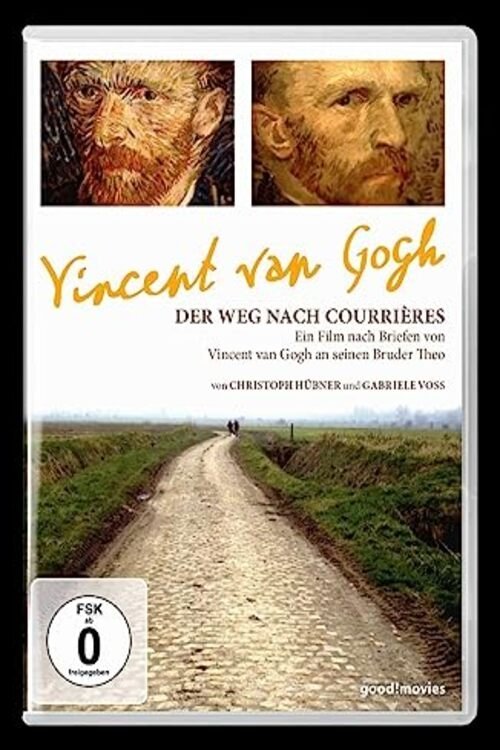
Documentary that portrays Vincent van Gogh's live and work through his letters to his brother Theo.
Vincent van Gogh - Der Weg nach Courrières

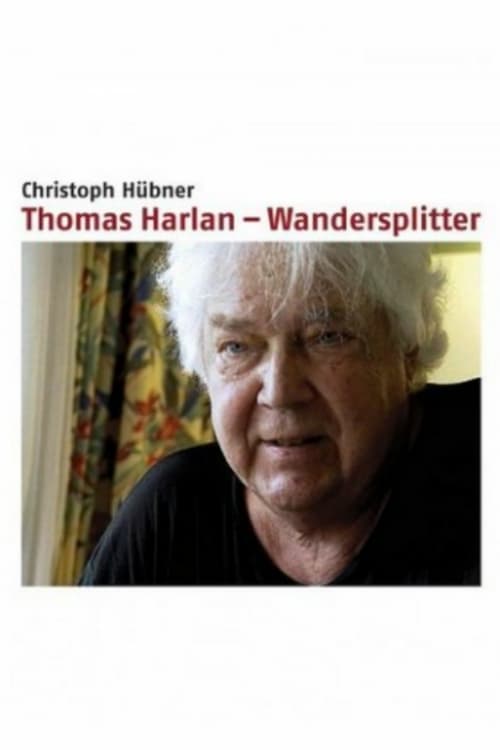
Thomas Harlan, filmmaker, author and revolutionary was born in 1929 in Germany. His father was the infamous propaganda filmmaker Veit Harlan, director of Jew Suess. During his childhood, as a result of his father’s closeness to the Nazi Party, the little Thomas came face to face with Hitler and Goebbels. Now an old frail man, Harlan lives in a respiratory clinic in Berchtesgaden. It is in this clinic in South Germany that he, along with documentary filmmaker Christoph Hübner, examines fragments of his past.
Thomas Harlan – Moving Shrapnel

Documentary about a steelworker strike on New Year's Eve 1978/79.
Tor 2

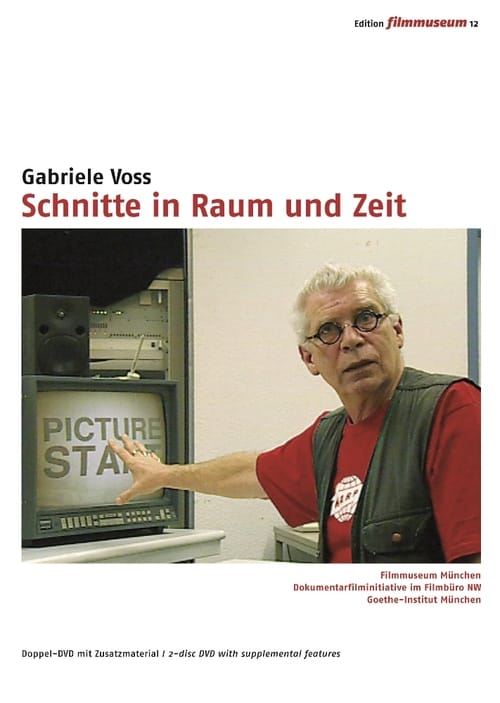
The work of a film editor usually takes place in secret. At the end of their work is a finished film - the result of weeks of concentrated work. In documentary films, the narrative structure is often only found at the editing table. The editor is a co-author who juggles with the existing material and organizes it. It's about rhythm, compositional thinking, the sensitive handling of space and time. In the documentary by Gabriele Voss, who also works as an editor herself, renowned editors, a brain researcher and the author and director Alexander Kluge use selected film examples to report on seeing, hearing and perceiving, on chaos and order, on hidden tricks and astonishing techniques.
Schnitte in Raum und Zeit
A multi-generational portrait of women living in the Ruhr region. Part of the seven-part documentary film cycle "Prosper/Ebel. Chronik einer Zeche und ihrer Siedlung"