Malek Bensmaïl
Directing
Biography
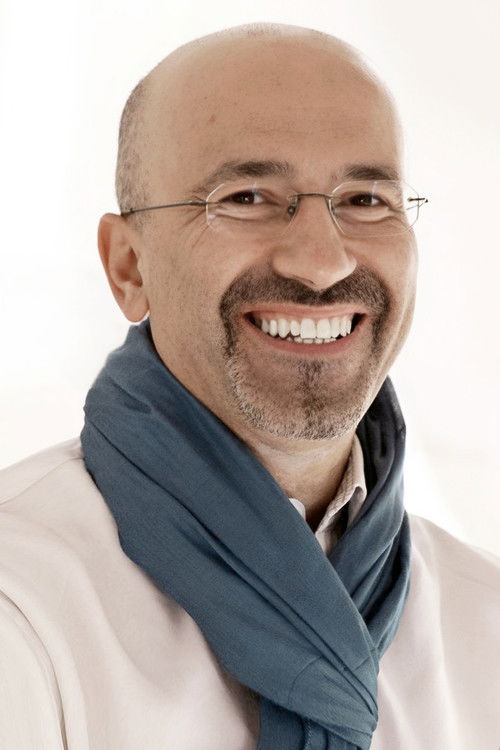
Malek Bensmaïl (in Arabic: مالك بن اسماعيل), born in 1966 in Constantine, Algeria, is an Algerian director and screenwriter. In the 1980s, in Algeria, he made essay films in super 8. After studying cinema in Paris followed by an internship in the Lenfilm studios in Saint Petersburg, he devoted his filmography to documentaries, entirely committed to Algeria. Through his films of reality, he draws the contours of a complex humanity: democracy, modernity-tradition, language, identity, society. In 1996, he released Territoire(s), a documentary essay on archaic violence in the Arab world and post-modern violence in the West, the film won the Loupbar, the prize for best documentary discovery at the Festival du nouveau cinéma in Montreal and the Television prize at Avança/Porto. The same year, for Canal+, he made a short docu-fiction film that tells the story of the self-mockery of viewers towards the unique television: Algerian TV Show, he also made one of the cult programs Culture Pub on Algeria. In 1998, Malek Bensmaïl released the film Décibled, on the daily life of five Algerian musicians in exile. In 1999, he co-directed a film on Mohammed Boudiaf, the Algerian president who was assassinated, six months after his return from 30 years of exile. In 2000, he made Des Vacances Malgré Tout, which won the Heritage Prize at the Festival du Cinéma du réel. In 2001, he made a short fiction film Dêmokratia broadcast on Arte and the BBC. In 2002, he directed Plaisirs d'Eau, then in 2003, he co-directed with the journalist Thierry Leclere Algérie(s), an investigative documentary film in two parts on the Algerian black decade and the descent into hell of the Algerian people. In 2004, he paid tribute to his father, one of the founders of Algerian psychiatry, by directing Aliénations, which won the Grand Prix des Bibliothèques at the Festival du Cinéma du Réel in Paris, the Grand Prix du documentaire at the Biennale des Cinémas Arabes in Paris, the Magnolia Award for best documentary at the Shanghai International Festival and received the special jury prize at Fespaco. In 2005, he directed the film Le Grand Jeu, on the Algerian presidential campaign of 2004 which re-elected Abdelaziz Bouteflika with 85%. The film is censored to this day in France and Algeria. In 2008, he released the documentary China Is Still Far Away. In 2009, he was awarded the Villa Kujoyama Prize in Kyoto and participated in the Cinéfondations at the Cannes Film Festival with his fictional screenplay Odysseys. In 2010, he directed the documentary Guerres Secrètes du FLN en France for France 2. In 2012, he co-directed with M. Colonna a documentary for France 3 and RTBF, 1962, from French Algeria to Algerian Algeria. In 2013, he directed Ulysses, Le Brûleur De Frontières Et La Mer Blanche Du Milieu for the inaugural exhibition Méditerranées/Marseille, Capitale Culturel de l'Europe 2013. In 2014, Malek Bensmail directed the documentary workshop at La FEMIS. In 2015, he directed Contre-Pouvoirs for the cinema, a dive into the editorial staff of the daily El Watan in Algiers, during the last presidential elections that validated Bouteflika's 4th term. World premiere at Locarno Film Festival. In 2017, he released the film The Battle of Algiers, A Film in History. Since 2020, named Member of the Academy of Oscars.
Known For

French current affair show
Infrarouge

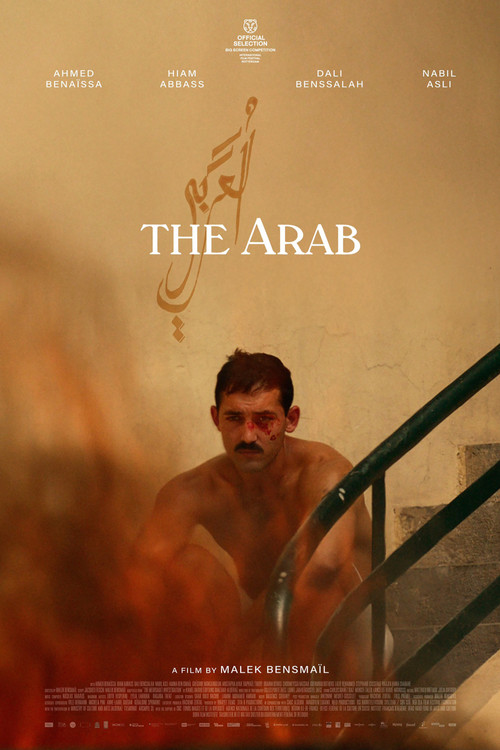
Haroun is an old bachelor who has lived in Oran for several years. A retired civil servant, he leads a reclusive life until the day he meets Kamel in a bar—a journalist to whom he tells an incredible story dating back to 1942. He claims to be the brother of ‘the Arab’ killed in a story told in one of the most famous novels of the 20th century, ‘The Stranger’ by Albert Camus. An Arab with an erased name: Moussa. Through anger, assertions, details, and confidences, Haroun finally convinces the journalist to listen to his story. His confession is a cry of freedom and distress—but above all, a cry of revolt: against an abusive mother, against a country that failed to achieve true independence, against a book, and against a famous French writer.
The Arab

The largest country in the Arab world and a producer of hydrocarbons, Algeria has everything it needs to weigh on the international scene. But Africa's second military power seems undermined by its internal problems. While the Bouteflika regime has fallen and the popular “hirak” movement has shown that the people are ready to enter a more democratic era, the country appears as a colossus with feet of clay, which has failed enhance their independence. How did this isolation come about? From the “dark decade” of terrorism to the fall of Bouteflika, via 9/11 or the Arab revolutions, this documentary sheds light on Algerian foreign policy in recent decades, while deciphering the strategy of Western powers towards it.
Toute l'Algérie du monde

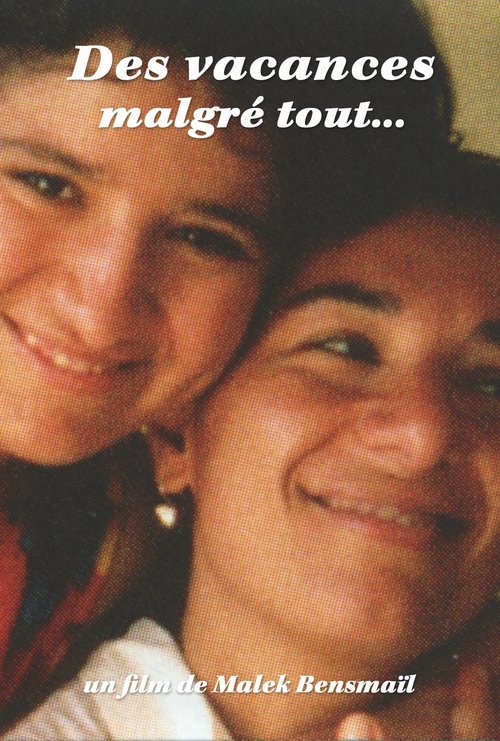
Immigrated to the Paris region since 1964, Kader decides to spend the summer holidays with his family in his native village, not far from Algiers. These few weeks, so eagerly awaited by both sides, constitute a special moment full of strong emotions. The camera follows the family in their meetings, their reunions, their difficulties, their visions of the country and its region, the celebrations, the weddings, their return to France… This film raises many questions. Within this family itself, between those who stayed in the country and those who emigrated to France, how do we perceive the situation in Algeria? What hopes do each of them have for their country? What about the Franco-Algerian relationship? Contemporary immigration? The desire for exile of Algerians today? Different discourses on both sides of the Mediterranean? The desires of each of them…
Holidays Despite All

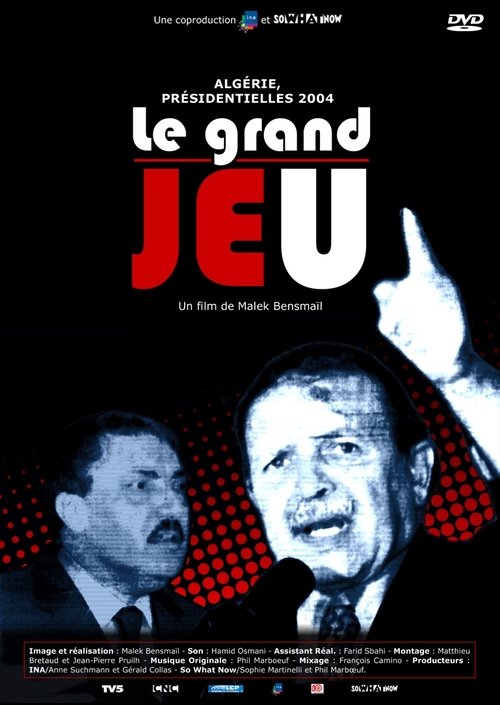
This documentary traces the spring of 2004, the Abdelaziz Bouteflika re-election as President of the Algerian Republic in the first round of elections. Following the step between the time the former Prime Minister Ali Benflis.
The Big Game

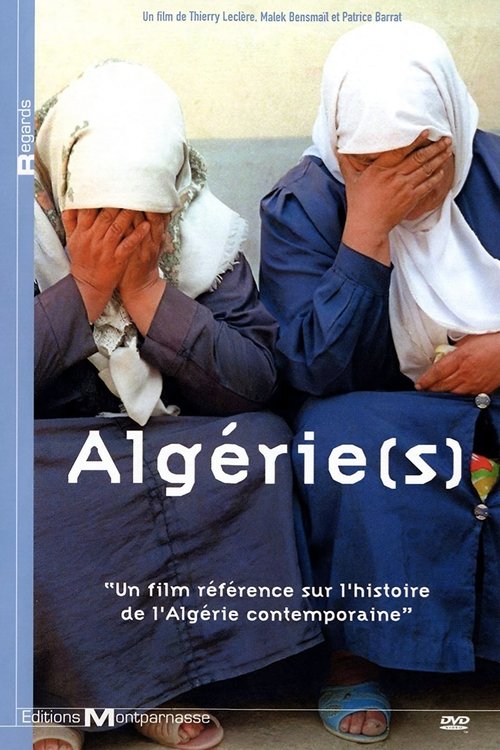
Documentary series in two parts: 1. A people without a voice (80'), 2. A land in mourning (78'). Part 1: A people without a voice: October 88, the Algerian Republic is faltering, the film goes back to the sources of this tragedy and explains how the face to face between the Islamists and those in power began. The interruption of the legislative elections of December 91, followed shortly after the assassination of President Boudiaf in June 92, plunged Algeria into chaos. Part 2: A land in mourning: the cycle of violence that leads to massacres and the economic and geopolitical underside of the war. More than 100,000 deaths, an incredible degree of barbarity, massacres, apparently incomprehensible... Behind the official window of power and its artificial political scene, hides a shadow power.
Algeria's Bloody Years

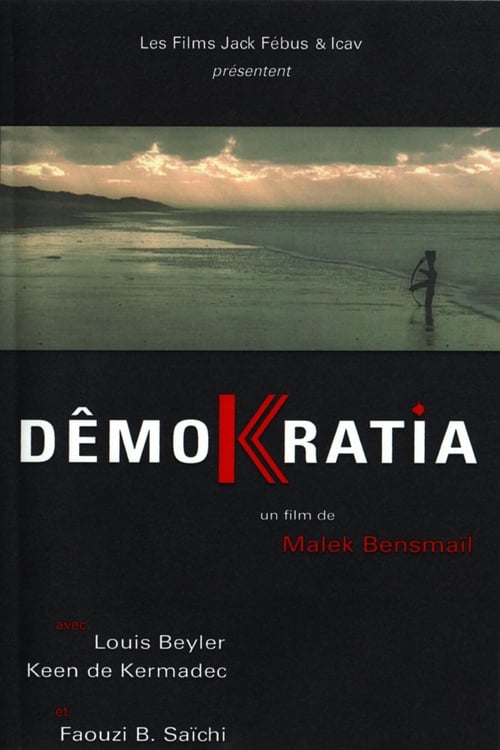
Face to the firing squad a dictator is awaiting death. As the soldiers shoulder their rifles, the man remembers. He recalls with wicked jubilation his devouring ambition, his complete absence of scruples, his brutal lack of humanity, his taste for manipulation, the cowardice of his entourage, his ambiguous relationships with a woman named Dêmokratia.
Dêmokratia

No description available.
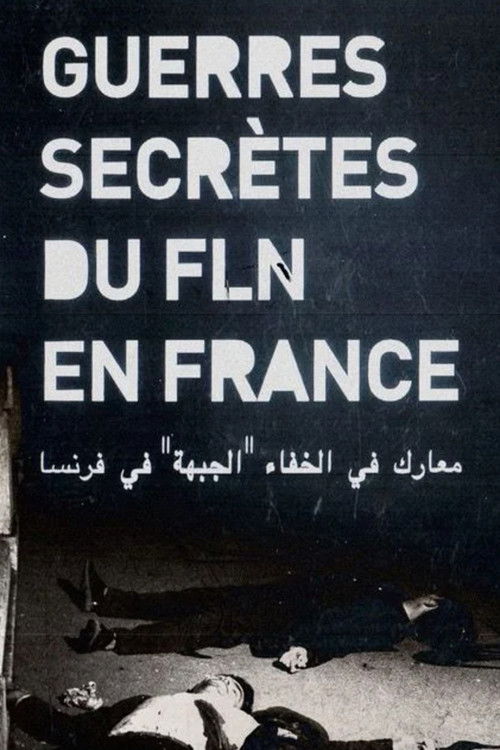
Guerres secrètes du FLN en France

No description available.
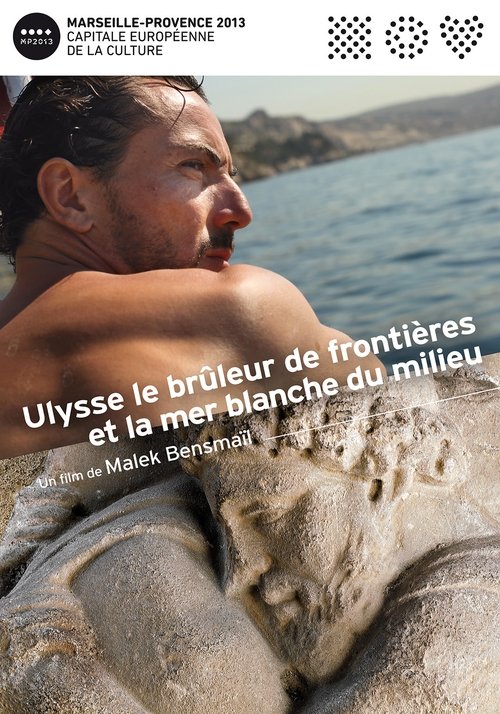
Ulysse, le brûleur de frontières et la mer blanche du milieu

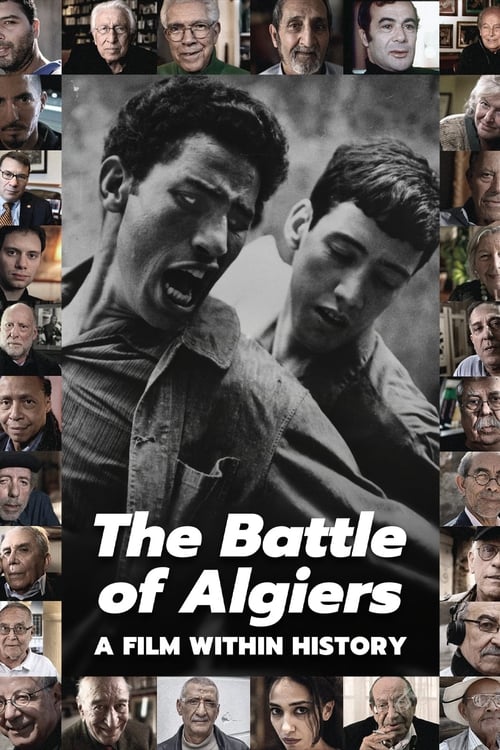
The Battle of Algiers is one of the most critically celebrated films of all time. Made in 1966 it documented Algeria's war for independence. Returning to the roots of the production and the personalities involved, this documentary explores what made The Battle of Algiers so profound and also some of the controversies.
The Battle of Algiers, a Film Within History

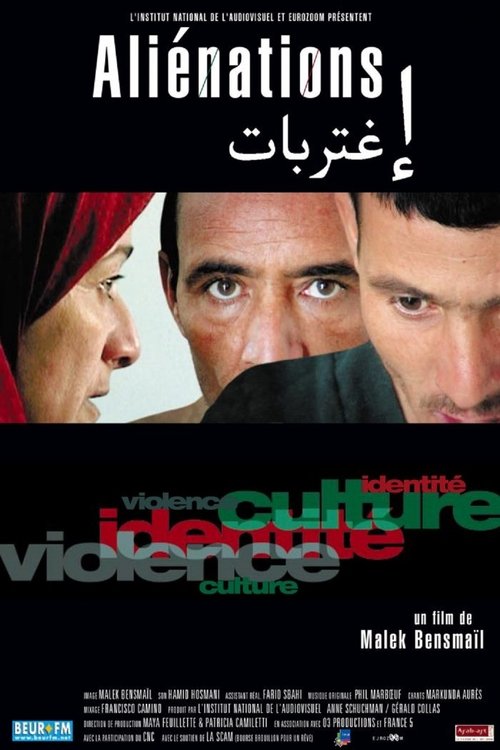
A chronicle of the everyday life in Constantine's psychiatric hospital.
Aliénations

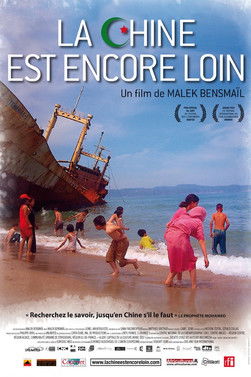
On November 1, 1954, near Ghassira, a small village lost in the Aurès, a couple of French teachers and an Algerian boss were the first civilian victims of a seven-year war which would lead to the independence of Algeria. More than fifty years later, Malek Bensmaïl returns to this Chaoui village, which has become “the cradle of the Algerian revolution”, to film, throughout the seasons, its inhabitants, its school and its children.
China Is Still Far

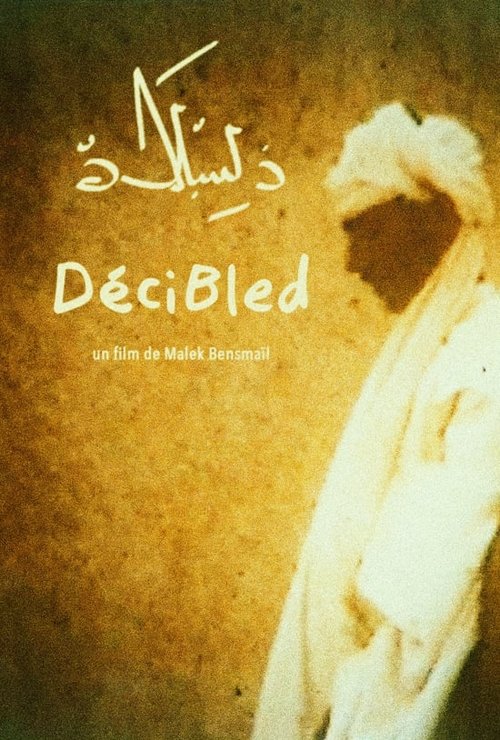
A journey through Algerian music, past and present, alongside a political look at Algerian society today. This documentary shows how music and musicians representing Afro-Maghrebian new tendancies, contributes to the blending and the fusion of Maghrebian and African cultures, as well as of the European and Western one. It tells about exile, about artist's feelings, about today Algeria. It shows how Maghrebian living in France express their musical culture, their roots, their traditions, mixing them up with the other cultures they meets.
DéciBled

Based on Algerian proverbs and sayings, Territorie(s) reviews Algerian history in this century. The french colonisation, the pacification of 1957 and the ultimate independence in 1962. The political leaders are considered in cleverly edited sequences: Boudiaf, Ben Bella, Colonel Boumedienne and figures from the Islamic movement like Ali Belhadj and Farakhan. The french and Algerian intellegentias are also included in this kaleidoscopic image of a country that thanks to its eventful colonial past, still has difficulties determining its own identity more than thirty years after its independence. Barbarism is all its forms, including the military forms it can assume with followers of the FIS, is set against the domestic warning of those who plead for keeping eyes open, and keeping society open.
Territoire(s)

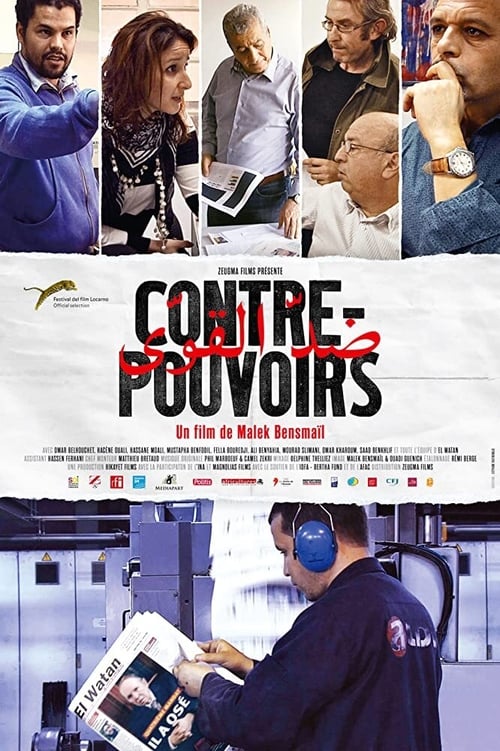
Accommodated since Algeria's Bloody Decade of the 1990’s in the "House of the Press", the journalists of the famous daily newspaper El Watan await the completion of their new offices, a symbol of their independence. My camera is embedded in their newsroom as they follow the events of this new Algerian spring... President Bouteflika has set his sights on a 4th term. Beyond what we call the Arab revolutions and other mediatized terms, I wanted this film to serve as a memorial to the women and men, young and less young, who battle daily to safeguard the freedom of information in a politically and socially fossilized country.