Donald Taylor
Directing
Biography
Donald Taylor was born on February 22, 1911 in London, England, UK. He was a producer and director, known for The Straw Man (1953), They All Died Laughing (1964) and Battle for Music (1943). He was married to Marion Grierson. Taylor died on January 2, 1966 in London, England, UK.
Known For

A famed concert pianist's hands are destroyed in a plane crash; when he receives transplants from a recently executed strangler, his murderous new mitts attract the attention of a sleazy illusionist turned blackmailer.
The Hands of Orlac
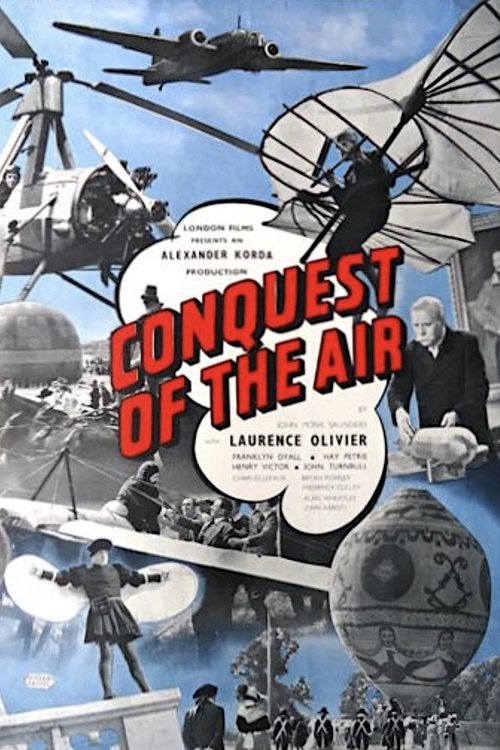
This early docudrama uses dramatic reenactment, working models of early flying machines, and archival footage to trace man's attempts to fly from ancient times through the 1930s.
The Conquest of the Air
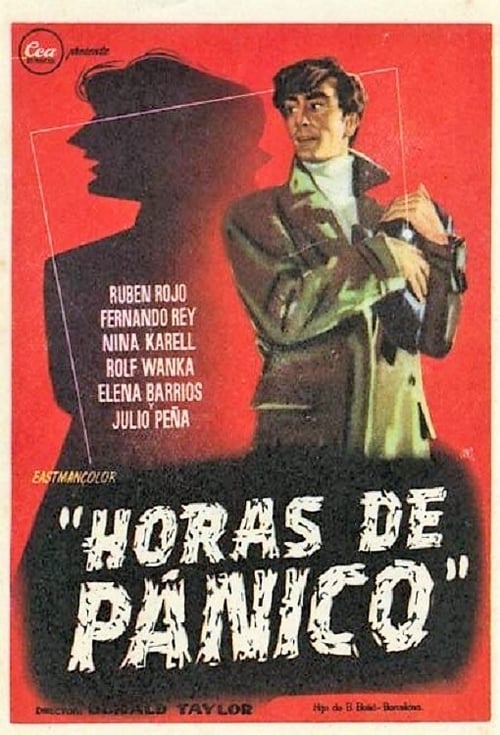
No description available.
Day of Fear
Inspired by the scriptural tale. Moabitess priestess Ruth is drawn both to a Judean man and to his talk of a forgiving God. After tragedy strikes, she begins a new life in Bethlehem.
Ruth
Sheepdog Glen, accused of sheep killing on the Romney Marshes, is cleared by the efforts of his two youthful owners in time for the Sheepdog Trials.
The Dawn Killer
Two lovers search for some privacy to kiss during the blitz.
Night Watch
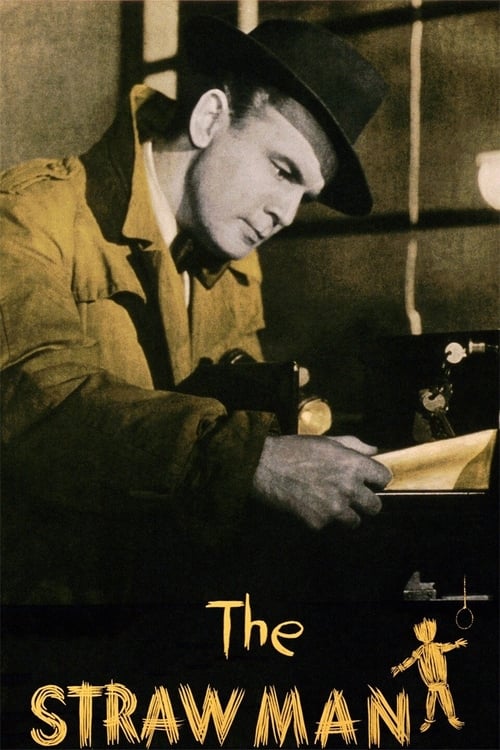
A newly married man is convicted of murdering a former lover in his apartment, and sentenced to hang. With a payout on his life worth 20,000 pounds, the insurance company sends an investigator to find out the truth.
The Straw Man
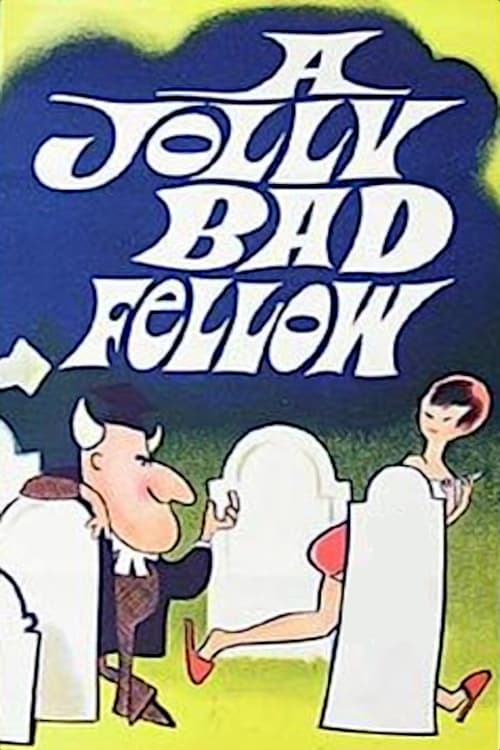
An English professor decides that there are too many useless people in the world and invents a gas that will kill them off. But first they'll at least have a good laugh.
A Jolly Bad Fellow
Story of how American secret agent pursued by enemy agents, hides out at remote English farm
The Night of the Full Moon
Enjoying a holiday in the sun, Mr and Mrs Fergusson are relaxing on board a chartered yacht off the coast of France - their only crew, the skipper-owner and his adopted daughter. On taking a turn around the deck, Mr Fergusson is rather put-out to discover a stowaway helping himself to the comforts of their dinghy. Though very charming, the stranger refuses to give any explanation for his presence - and the Fergussons soon find themselves involved in a rather more eventful sailing trip than they had expected!
Into the Blue
A short documentary about the work of the National Trust in Great Britain
The People's Land

Story of the London Philharmonic Orchestra in World War II, from going bust, to being taken over by the musicians to run itself. Starring many of the members of the orchestra themselves
Battle for Music
Men from a variety of backgrounds and professional fields are trained for the British Home Guard. Describes the development and standardization of this volunteer citizen's army. Scenes from training schools show instruction in use of modern weapons, methods of attack, camouflage, and dispersal under aircraft fire. Depicts practice maneuvers in the heart of London.
Citizen's Army
Follows a young writer, James Selworthy, who is trying to establish himself as a writer. Supported by his wife Molly, he sends off manuscripts to publishers, but is turned down again and again. When war breaks out, he joins the army and fights in the trenches.
Two Minutes
An impressionistic survey, scripted by Dylan Thomas, of Wales at war. Continuity is provided by film of the Welsh countryside, which underlines the imagery of 'mountains' in which the whole film is couched: the balance of the film, which exists principally to illustrate the soundtrack, shows the castles left by the old war (against England), as an introduction to the new war - steelworkers - dockers - pithead scenes from the Rhondda mines - agriculture - sheep farming - agricultural research at Aberystwyth - quarrying - Welsh chapels - children - women (sewing, and at the whist drive) - Druids. Film concludes with a reminder of recent Welsh history - the social and economic changes that industry brought to the valleys, and the hardships of the depression, from which only the arrival of new industry with the war brought relief - "Remember the march of the old young men/It shall not happen again."
Wales: Green Mountain, Black Mountain
Experimental GPO publicity film extolling the virtues of the telegram service.
Sixpenny Telegram
Film of the weekly radio programme devised by Howard Thomas, which began on 1st January 1941 and soon had an estimated regular audience of ten million who listened as the panel answered, unrehearsed, questions sent in by the public.