FEEL IT.STREAM
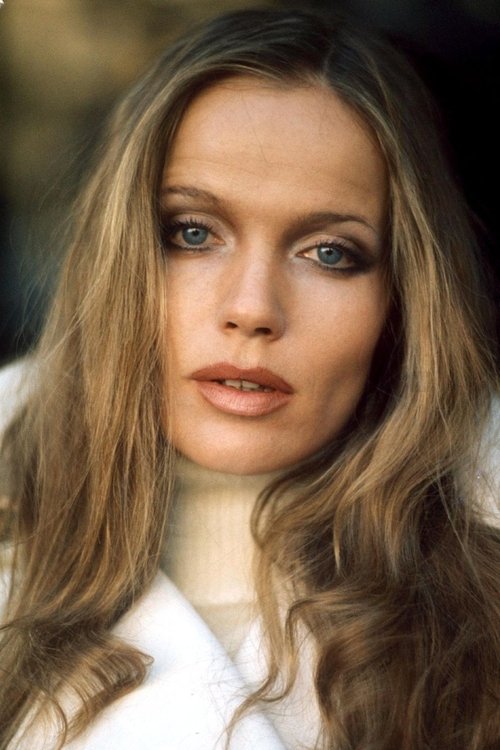
Veruschka von Lehndorff

Veruschka von Lehndorff

Acting

Biography

Vera Lehndorff (German: Vera Anna Gottliebe Gräfin von Lehndorff; born 14 May 1939), known professionally as Veruschka, is a German aristocrat, model, actress and artist. She is considered the "first German supermodel.“ Description above from the Wikipedia article Veruschka, licensed under CC-BY-SA, full list of contributors on Wikipedia.


Known For

Prater
5.8

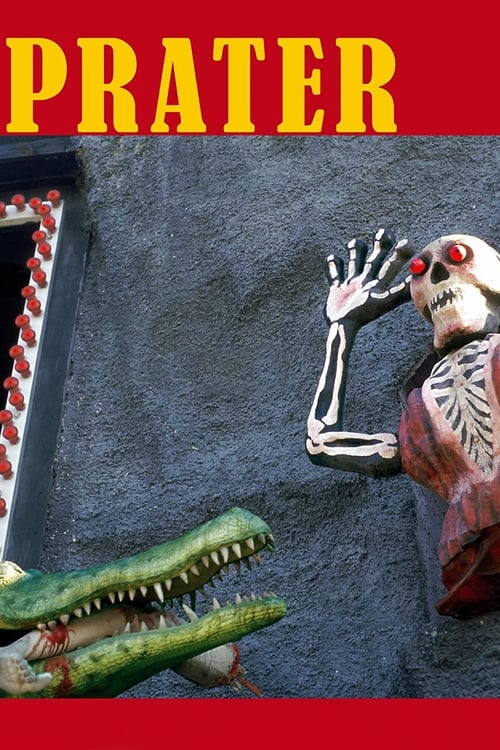
Vienna’s Prater is an amusement park and a desire machine. No mechanical invention, no novel idea or sensational innovation could escape incorporation into the Prater. The diverse story-telling in Ulrike Ottinger’s film “Prater” transforms this place of sensations into a modern cinema of attractions. The Prater’s history from the beginning to the present is told by its protagonists and those who have documented it, including contemporary cinematic images of the Prater, interviews with carnies, commentary by Austrians and visitors from abroad, film quotes, and photographic and written documentary materials. The meaning of the Prater, its status as a place of technological innovation, and its role as a cultural medium are reflected in texts by Elfriede Jelinek, Josef von Sternberg, Erich Kästner and Elias Canetti, as well as in music devoted to this amusement venue throughout the course of its history.

Prater

2007Movie
Veruschka: A Life for the Camera
6.0

Vera von Lehndorff is a Prussian noblewoman and daughter of the Count Lehndorff, a leader of the anti-Nazi resistance, executed during WW II. She was discovered in 1959 by Italian photographer Ugo Mulas. After initial failure, she changed her name to Veruschka, became one of the first top models and was also considered for a long time one of the most beautiful women in the world. Muse to Antonioni in Blow up, and to Dalì, in the 1960s she was on the cover of magazines like Life, Vogue and Queen, and photographed by the most important talents of the time (Avedon, Newton). In 1965 she began working on "transfigurations", which would lead to body art, where make-up becomes real body painting: from cat-woman, to snake, plant, mineral, African idol and finally to an immortal metallic body (for Rubartelli, director of the films Stop Veruschka and Trülzsch) which survives the natural decay of objects over time.

Veruschka: A Life for the Camera

2005Movie