Edgardo Pallero
Production
Known For
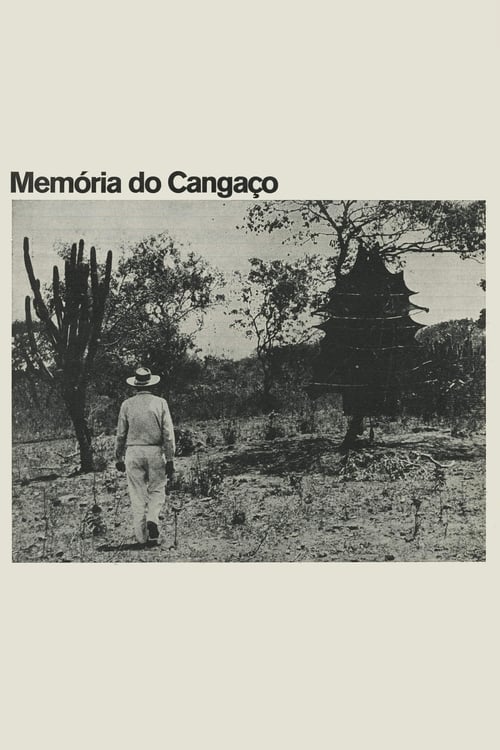
The origins of "cangaço", armed brigands in the Northeast between 1935 and 1939, interviews with some survivors of the fighting, police and outlaws movement. Interspersed with testimonials, authentic sequences of films made in 1936 by Benjamin Abraham, an Arab peddler who managed to film the famous band of Virgulino Ferreira da Silva, the "Lampião".
Memória do Cangaço
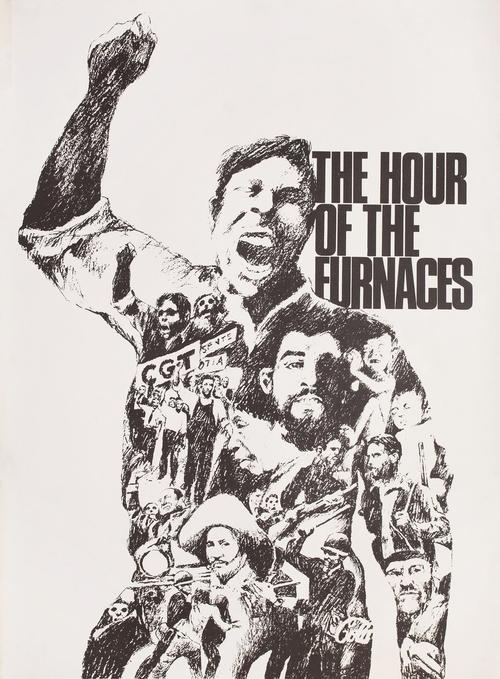
An impassioned three-part documentary of the liberation struggle waged throughout Latin America, using Argentina as a historical example of the imperialist exploitation of the continent. Part I: Neo-Colonialism and Violence is a historical, geographic, and economic analysis of Argentina. Part II: An Act For Liberation examines the ten-year reign of Juan Perón (1945-55) and the activities of the Peronist movement after his fall from power. Part III: Violence and Liberation studies the role of violence in the national liberation process and constitutes a call for action.
The Hour of the Furnaces
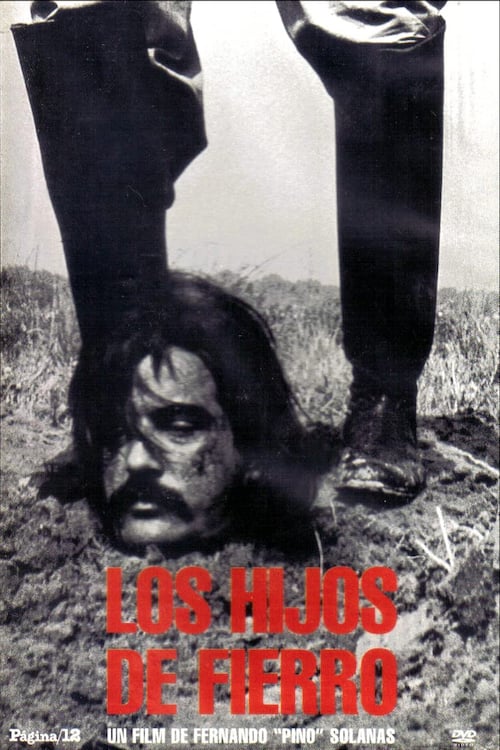
Peronist view of its history between the fall in 1955 and the electoral triumph of 1973 using a metaphor of the poem Martin Fierro.
The Children of Fierro
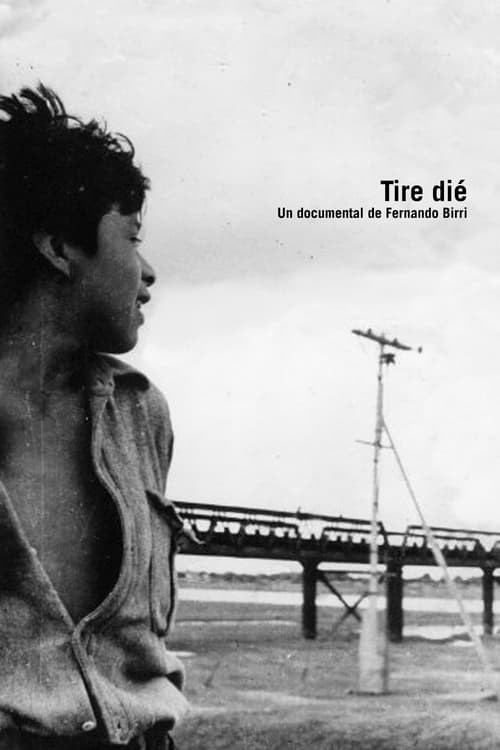
Everyday the children of the neighborhood known as "Tire Dié", in the city of Santa Fe, wait for the train to ask for money, shouting "Tire dié!" (toss me a dime!) to the passengers. Considered the first survey-on-film in Latin America.
Toss Me a Dime
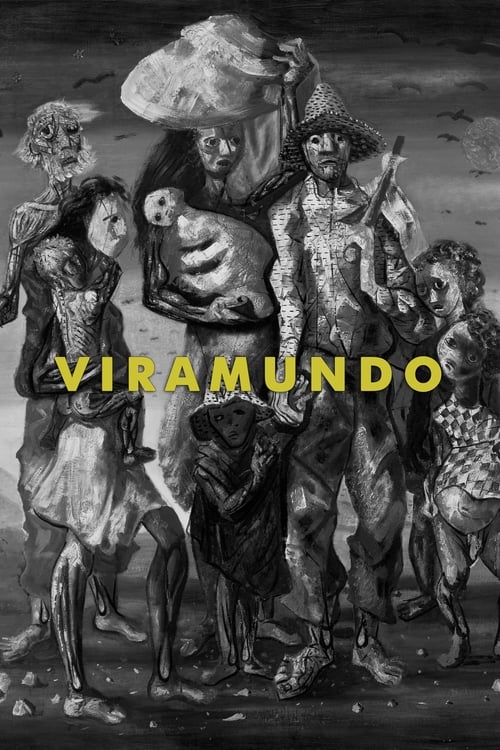
Viramundo shows the saga of the northeastern migrants that arrive in São Paulo, beginning with a train arriving and ending with a train leaving São Paulo in a cycle repeated every day. Viramundo's aim was to question why the military coup d'état in Brazil happened without any popular resistance or revolution or reaction of the society.
Viramundo
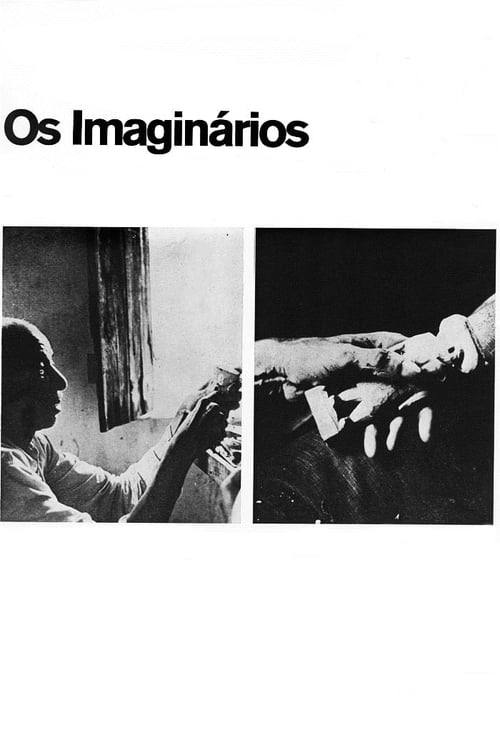
Pilgrims from the Northeast have the habit of buying images of characters in whom they identify exemplary behavior. By carving wood to shape these figures, the imaginary artists, artisans who make images of typical characters from the traditional Northeast, perpetuate a tradition that has changed over time. The ways of the traditional artist adapt to the demands of the tourism market and the dissociation between their conscience and the real meaning of the work to which they dedicate themselves.
Os Imaginários
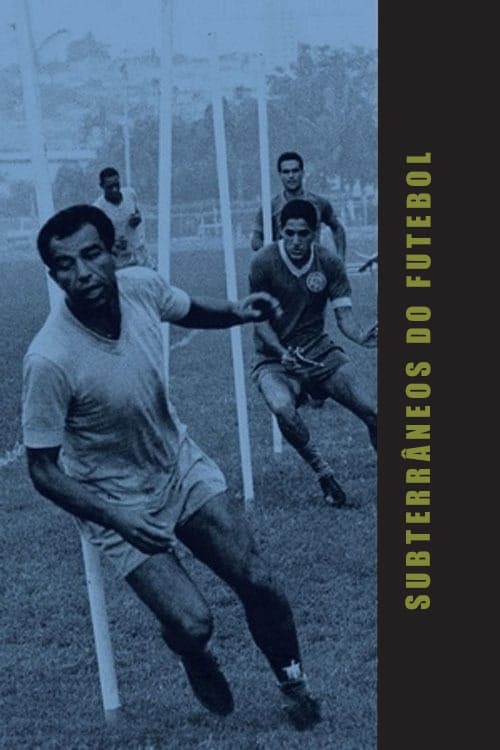
The practices of football in Brazil and the issues surrounding the sport. Press, players as a commodity, the popular passion, the practice on the fields of várzea. The statements of Luiz Carlos de Freitas, a young promise of Palmeiras, and Feola's coach, as well as an interview with Pelé.
Subterrâneos do Futebol
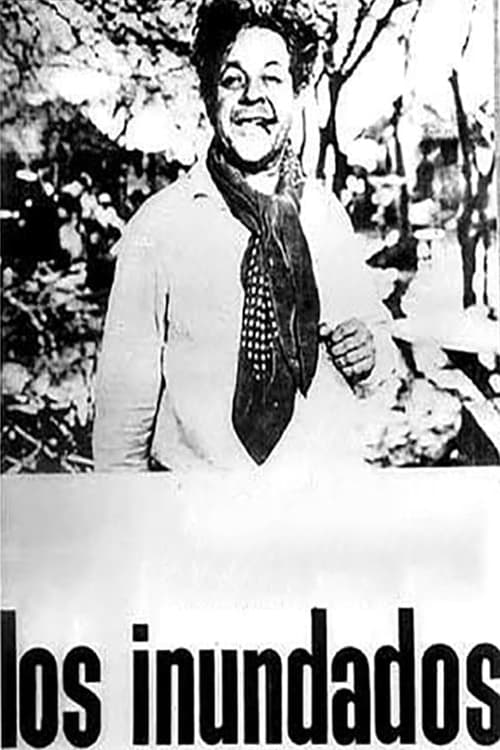
Tells the story of a poor family, inhabitants of the southern province of Santa Fe, who is forced to move into an abandoned railroad until waters recede Salado river wagon.
Flooded Out
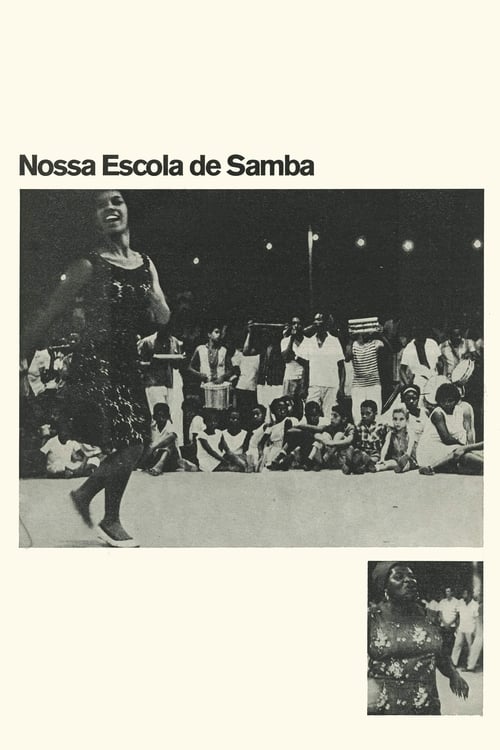
A year in the life of a samba school, from the first rehearsals to the parade on the avenue.
Nossa Escola de Samba
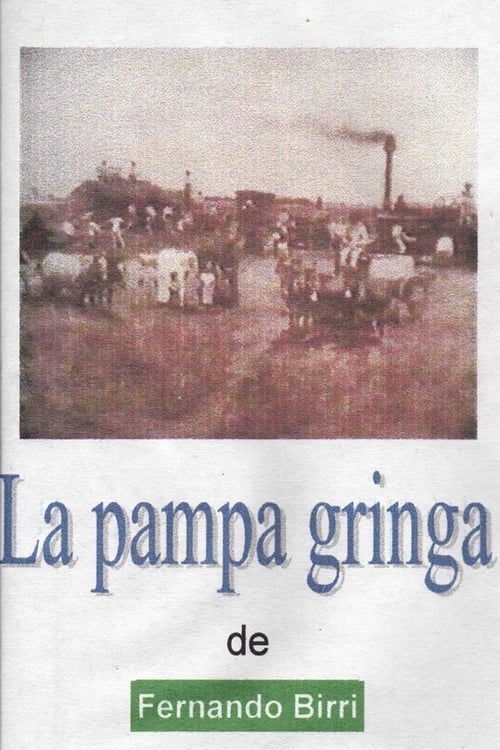
“My life was the same as that of thousands of gringos: I plowed and sowed the land, and went to the bar on Sunday.” Such is the refrain throughout LA PAMPA GRINGA, which endeavors to relate the sense of community built by the European settlers who in 1865 first colonized the town of Esperanza, located in Birri’s native province of Santa Fe. Largely consisting of juxtaposed daguerreotypes from the period and newspaper printings, LA PAMPA GRINGA exhibits Birri’s ability to weave narratives out of historical documentation in deft, admirable form.
La Pampa Gringa
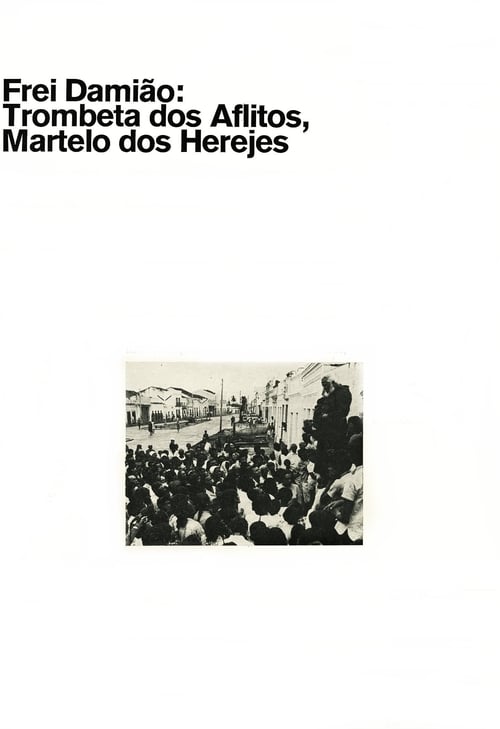
No description available.
Frei Damião: Trombeta dos Aflitos, Martelo dos Herejes
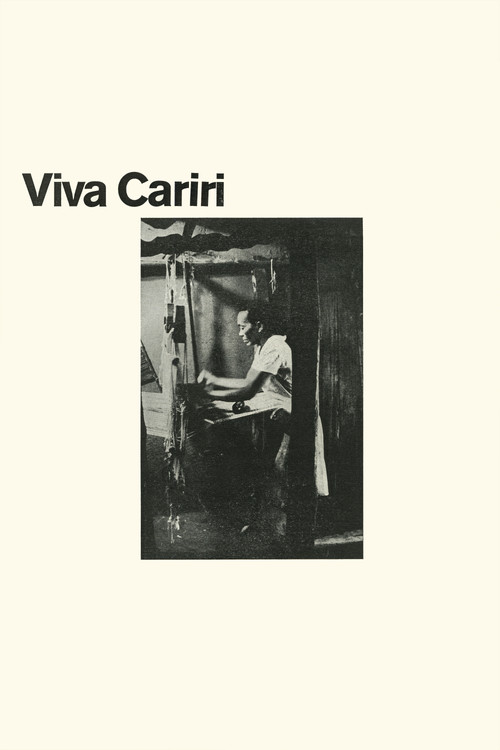
The confrontations and conflicts between the city of Padre Cicero's pilgrims and the attempts to develop the region.
Viva Cariri
No description available.
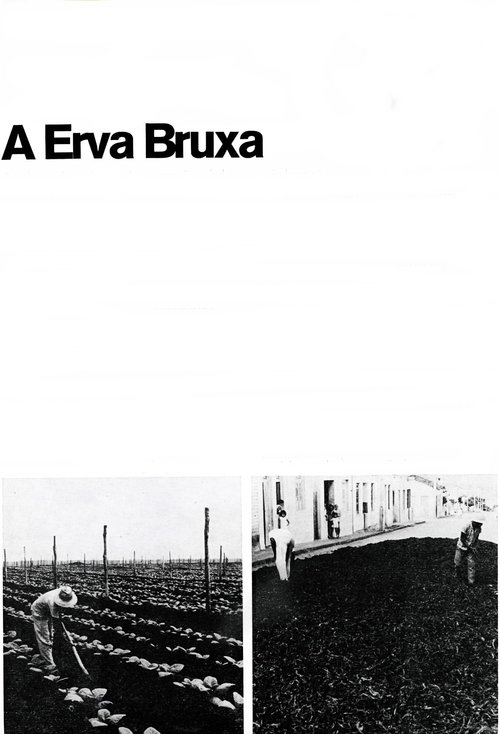
A Erva Bruxa
No description available.
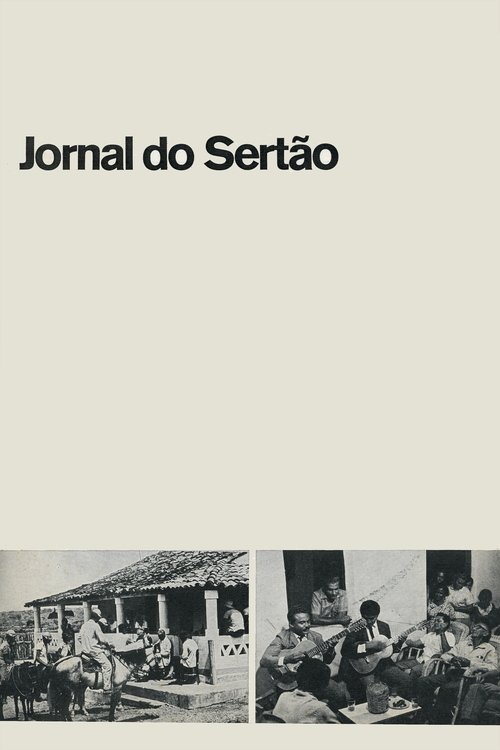
Jornal do Sertão
No description available.
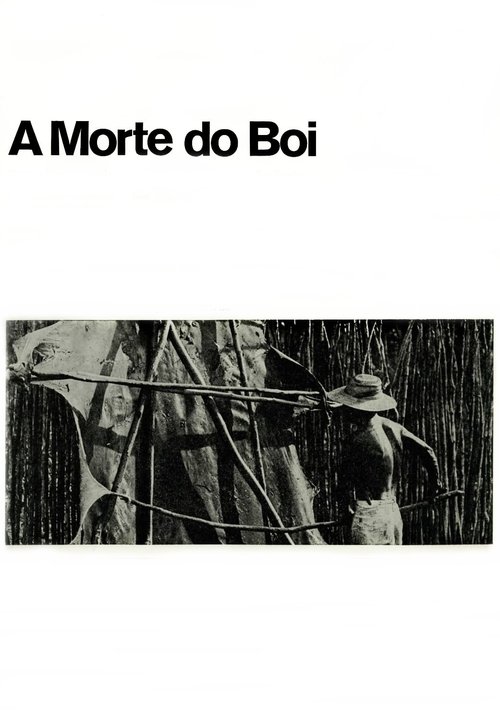
A Morte do Boi
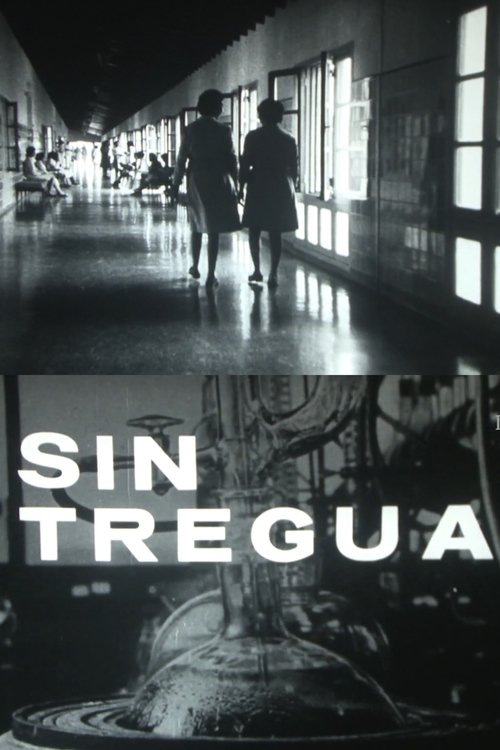
A documentary short on the treatment of tuberculosis patients in Santa Fe, Argentina.
Sin tregua
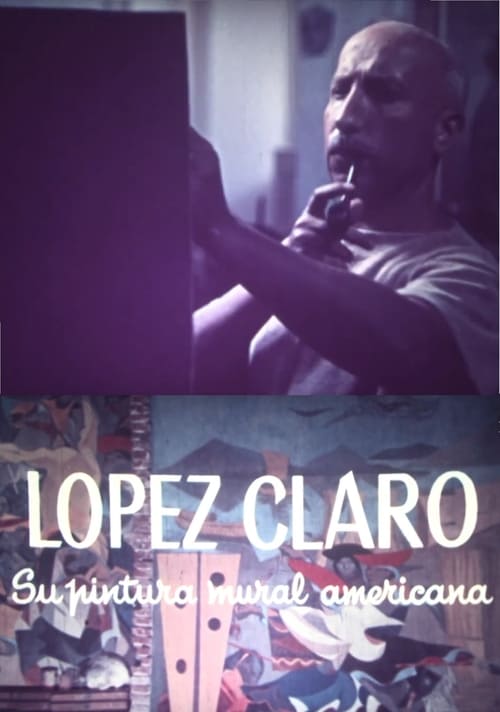
Documentary about the work of the painter César López Claro produced by the UNL film institute.
López Claro, su pintura mural americana
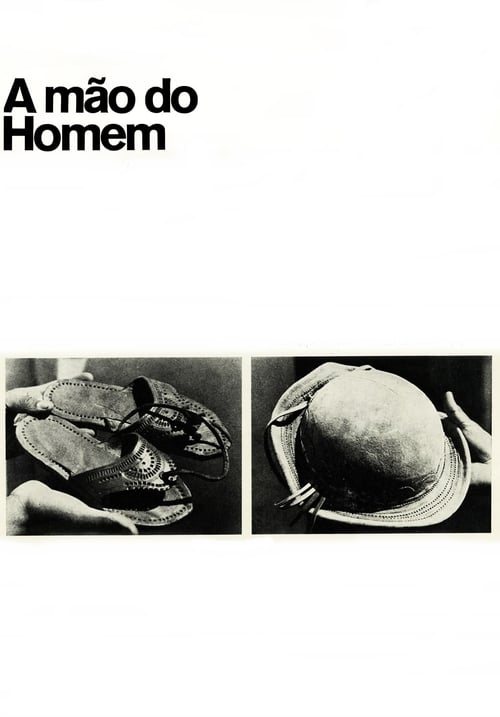
A vision of the different forms of handicraft production in the interior of Paraíba.
A Mão do Homem

Edgardo "Cacho" Pallero, as a person, will offer a glimpse into the era, the commitment of young people in the 1960s, their ideological and political stances; and, in Pallero's case, his filmmaking training, taking on the role of producer from his earliest days.
Edgardo "Cacho" Pallero
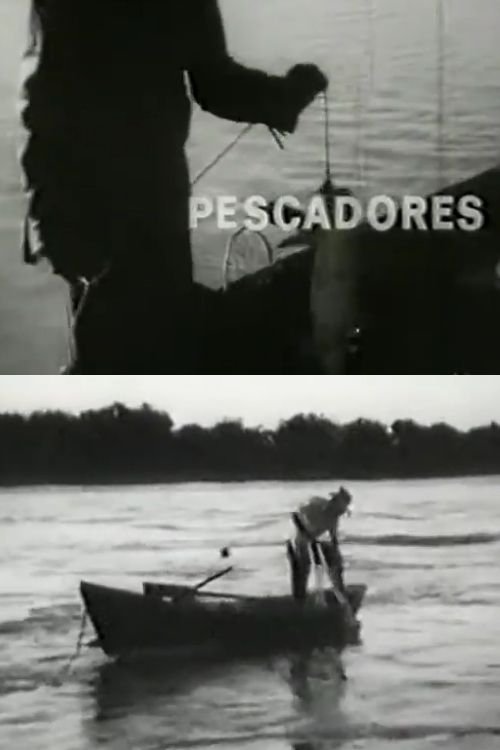
A survey on the economic exploitation of Paraná fishermen.