Yigal Efrati
Production
Known For
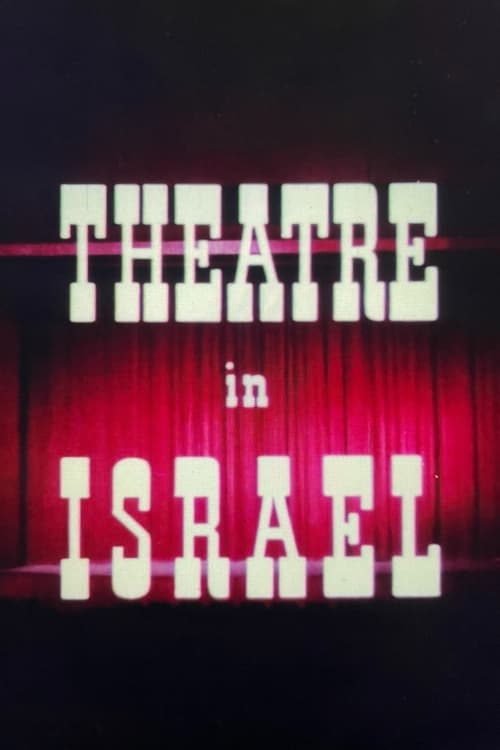
An English-speaking film produced on behalf of the Israeli Center of the International Theater Institute, providing international audience with an overview of modern Israeli theater, including scenes of renowned Israeli theater productions from the theater season of 1967. The film opens with excerpts from “The Dybbuk” at Habima Theater, and includes scenes from the successful musicals of the Cameri Theater “Utz Li Gutz Li” (Rumpelstiltskin) and “King Solomon and Shalmai The Shoemaker”. Other excerpts include scenes from the plays “The American Princess” by Nissim Aloni at the Seasons Theater, “He Walked Through the Fields” by Moshe Shamir at the Haifa Theater, Ibsen’s “Hedda Gabler”, “Who’s Afraid of Virginia Wolf”, and more.
Theatre In Israel
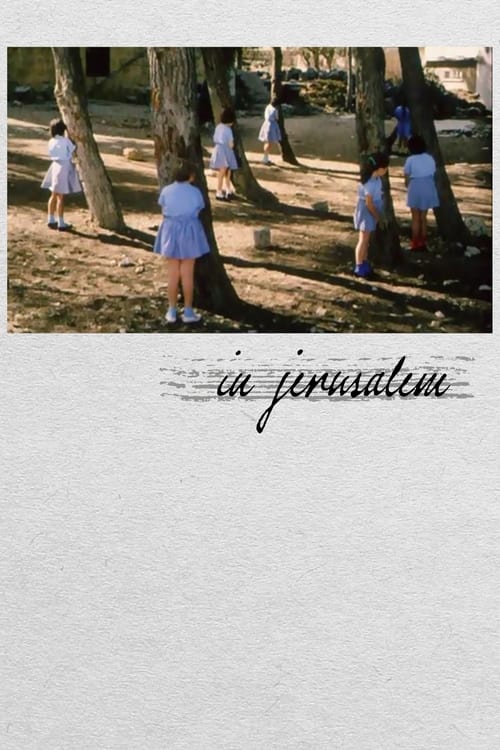
Ten engaged observations of the city, before it was united.
In Jerusalem

A film produced by the Israeli Film Service, the IDF Spokesperson’s Unit and the Navy Headquarters, documenting a training routine of soldiers at the Israeli Navy who serve on submarines and missile boats. The film documents various military exercises such as diving and planting enemy ships with mines, a land raid of the Israeli naval commando unit, and more.
Navy
"I believe that every artist needs to be reborn", declares Marcel Janco, one of the co-founders of the Dada movement. Janco, 82 during filming, tells in this film about his various periods as an artist: from the first sketches on a school notebook, to the foundation of the Dada in Zurich, ending with foundation of the artists' village Ein Hod in Israel
Portrait of an Artist: Marcel Janco
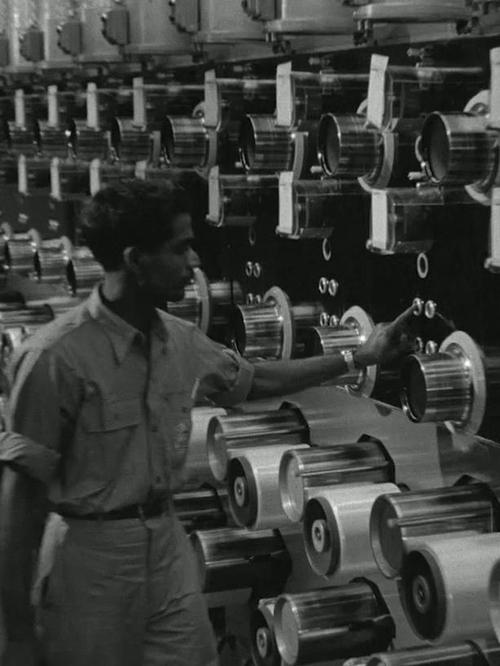
A film produced by the Hasbarah Authority and the Ministry of Development. A Somewhat avant-garde attempt to present the generation, distribution and use of electricity in Israel. The means of electric generation are presented against a backdrop of images related to the sectors the consume the electricity, in industry, water distribution and urban-commercial use. Contrasting with all of these are images of a “backwards” rural community, combining attributes of the local-Palestinian and the Mizrahi-Jewish.
High Tension

The story of the Arab-Israeli War of 1967, in which the 'occupied territories' were won.
Six Days
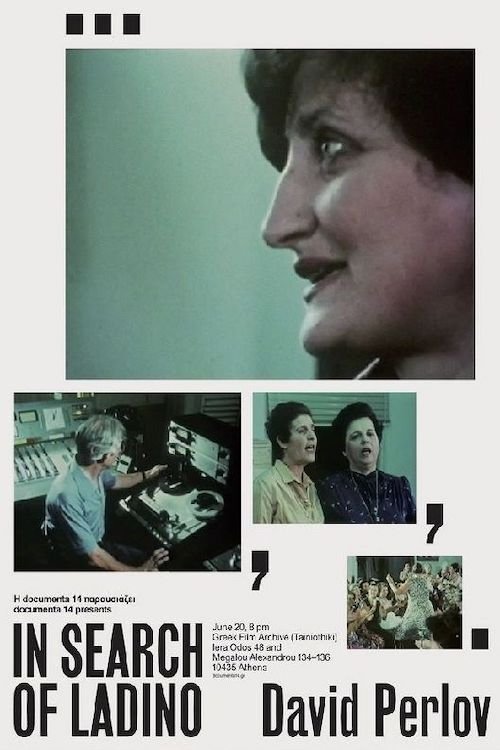
In Search of Ladino follows Ladino speakers, their culture, their memories and hopes for their mother tongue. This unique film is one of the earliest works presenting Ladino-speaking Holocaust survivors in Israel, and it provides rare documentation of their testimonies and songs. Filmmaker David Perlov’s camera glances on the faces of the people, as he listens carefully to their stories and songs. The film was meant to be part of a trilogy about languages: Hebrew, Yiddish and Ladino, but Perlov only managed to make the first film.
In Search of Ladino
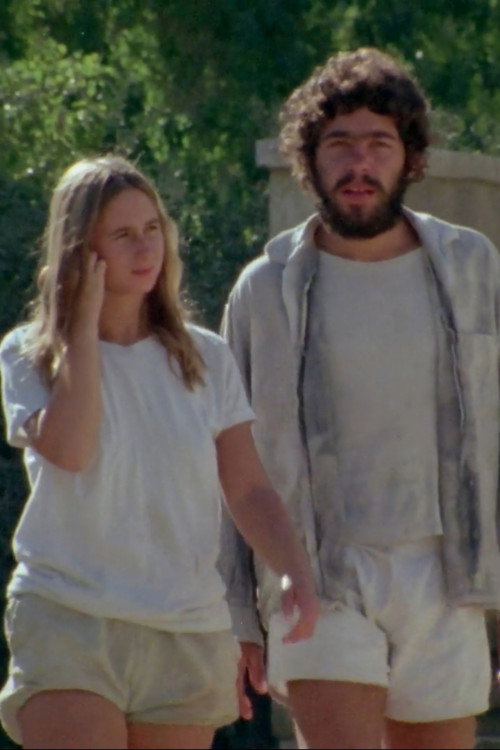
In just a few decades, the Negev turned from an uninhabitable area to a home for a quarter of a million people. This short film, on behalf of the Environmental Protection Service, explains how the Negev became suitable for living. It reviews the development of the evolution of desert agriculture in Israel, sheds light on the scientific research that improves the quality of life in the Negev, and presents the unique architecture facilitating living in a desert climate. All of these attract new residents to the Negev, improve the quality of life for its original inhabitants the Bedouins, and even bring tourists to the Israeli desert.
Reclamation of the Negev
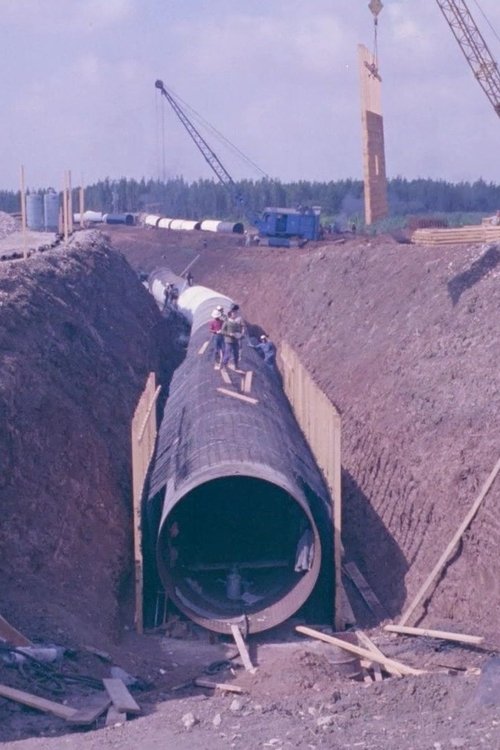
A film produced by the Hasbarah Center in collaboration with Mekorot, Israel’s national water company. Two million work days, of engineers, contractors and of course laborers, allowed the completion of the first part of Israel’s National Water Carrier, an ambitious aquaduct carrying water from the sea of Galilee to population centers and arid regions. The film outlines challenges that faces the builders of the aqueduct: the paving of canals, the creation of a dramatic siphon, allowing the water to cross the Canyon of Nahal Ammoud, the creation of a reservoir at Nahal Tzalmon, etc.
The National Water Carrier
A documentary film which portrays the dramatic chain of events leading to the invasion of the Arab armies to Israel after the Israeli declaration of independence. The film includes original pictures from the war filmed by both sides, and documentation of the leaders of the Arab forces and the Yishuv in the crucial moments of Israel's "War of Independence".
The Invasion of the Arab Armies - May 1948
The story of a widower as presented by the people surrounding her.
Biba
This is a visit to the exhibition of Yad Vashem, the Jerusalem museum built as a memorial for the victims of the Nazis and the heroes of the Ghetto resistance. This documentary depicts the atrocities of the Holocaust in which six million European Jews were slaughtered by the Nazis, through hundreds of photographs, documents and authentic film footage.
Holocaust
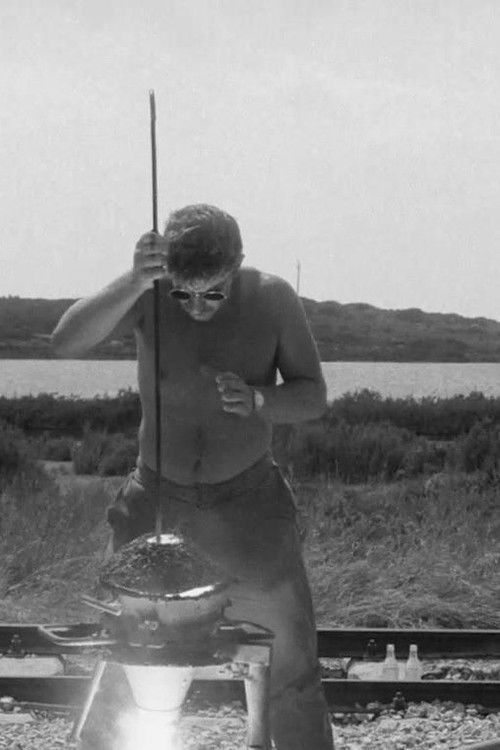
A video produced by the Israeli Film Service in cooperation with Israel Railways. “So much for rattling; from now on: one continuous welded rail!” Israel Railways changes the tracks and the ties along the Haifa-Tel Aviv route. This short film follows all of the project’s stages, from the production of the concrete railroad ties at the “Yuval Gad” factory in Ashkelon through the welding of the new rails to form one continuous rail.
On a New Track
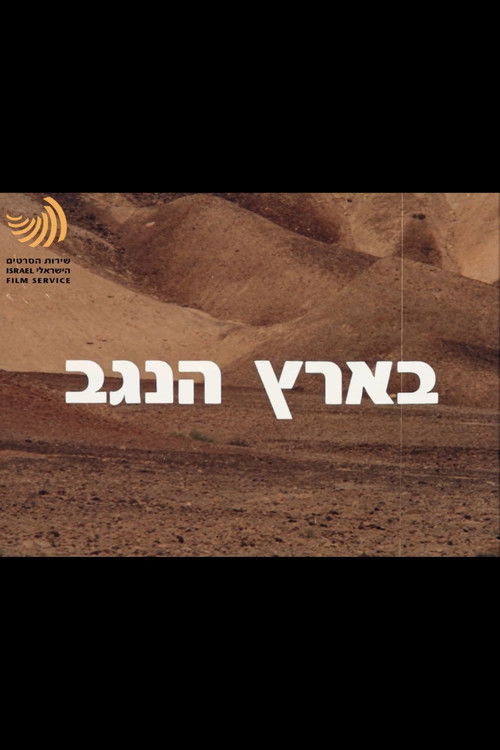
An Israeli Film Service documentary, describing the two faces of the Negev: unspoiled desert landscape alongside modern Israeli settlements. The film documents the culture and commerce in Beersheba, the works in Timna Valley’s copper mines and the Aravah’s agricultural fields, and the technological strongholds of Ben Gurion University’s labs, the Wise Observatory, and Eilat’s desalination plant. Alongside the modernization, the film captures the surrounding desert nature and wildlife, the Nabataean archaeological sites in the Negev, as well as the remains of the War of Independence in Mizpe Revivim.