Acting
Arthur Jopp was a German film actor and stage actor.
Polizeiruf 110 is a long-running German language detective television series. The first episode was broadcast 27 June 1971 in the German Democratic Republic, and after the dissolution of Fernsehen der DDR the series was picked up by ARD. It was originally created as a counterpart to the West German series Tatort, and quickly became a public favorite.
October 1918: Karl Liebknecht is released from prison and Berlin workers celebrate his release. Although WWI is almost over, the German Kaiserreich in vain sends its last reserves to the slaughter. The working class is in a rebellious mood; the uprising of Kiel’s sailors against war and militarism sets off a call for revolution led by Liebknecht. On November 9, Liebknecht declares the Free Socialist Republic of Germany. But pro-Kaiser military and right wing Social Democrats oppose him.
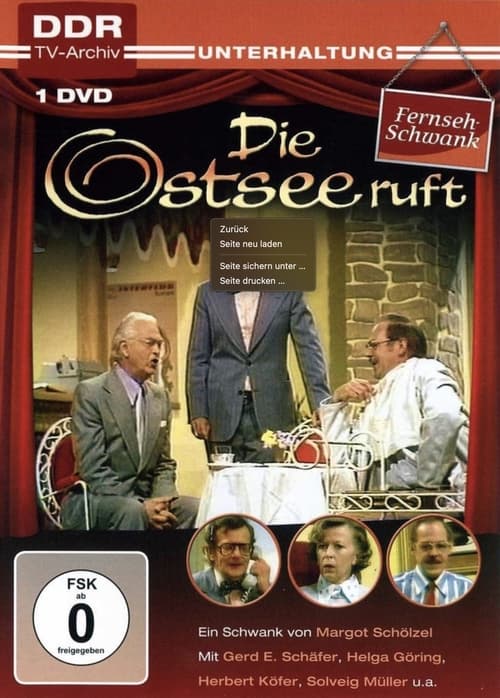
Pensioner Kagel sets up a village museum and wants to donate the farmhouse parlor to the district museum. But farmer Büttner secretly sells an old chest. When night watchman Kuwalski disappears, even the criminal investigation department gets involved...
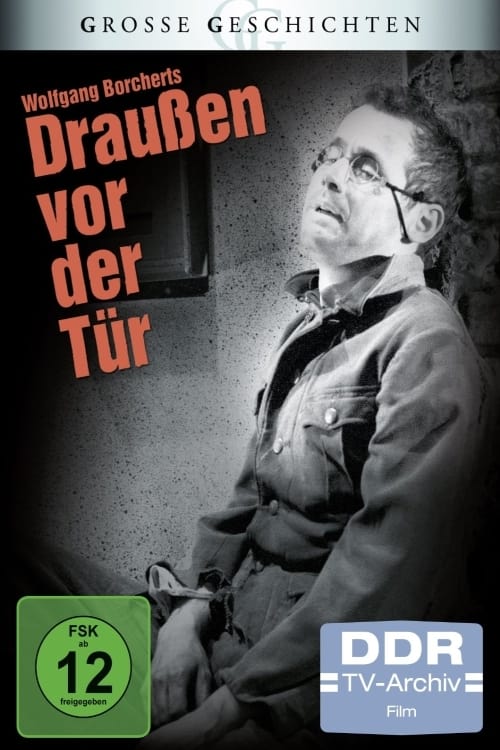
Based on a one act play in five scenes by Wolfgang Borchert, "Draußen vor der Tür" depicts the return of a former German soldier from the Eastern Front, to post-WWII Germany and the sobering realities of de-nazification and "peacetime."
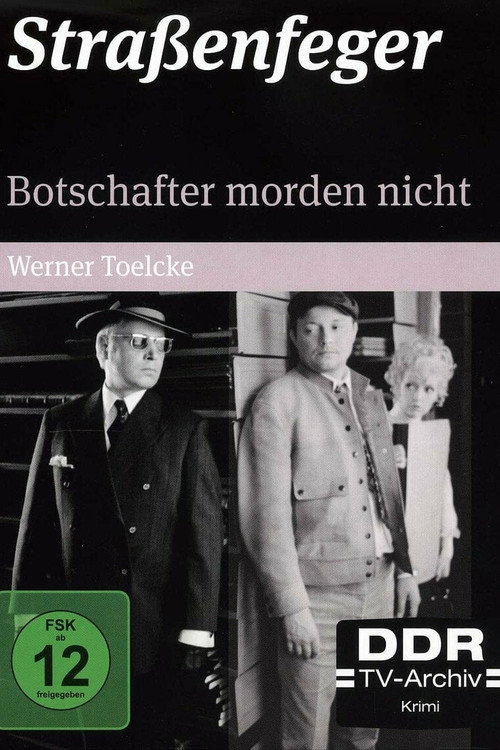
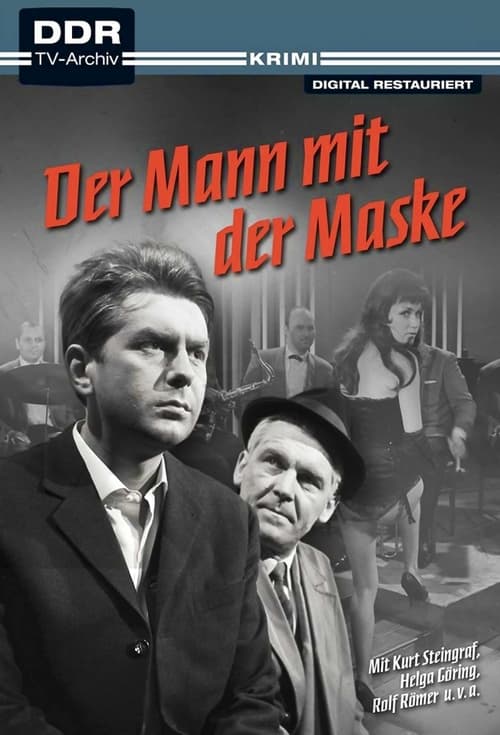
Crime thriller about a private detective who becomes involved in intrigues surrounding a missing woman and highly toxic chemicals.
It's Saturday lunchtime in a small town near Munich and there's not much going on. The local bank is already closed, doors and windows are barred. The few passers-by in the main shopping street do not notice that a violent crime is being committed behind these windows. When the police later take up the investigation, a young bank employee becomes the only witness. His statements seem contradictory. And yet it is several other people who now have to struggle with conflicts of conscience. The more gaps in the police's chain of evidence, the more serious the decision to tell the truth and risk their own happiness. It's Saturday lunchtime in a small town near Munich and there's not much going on. The local bank is already closed, doors and windows are barred.
No description available.
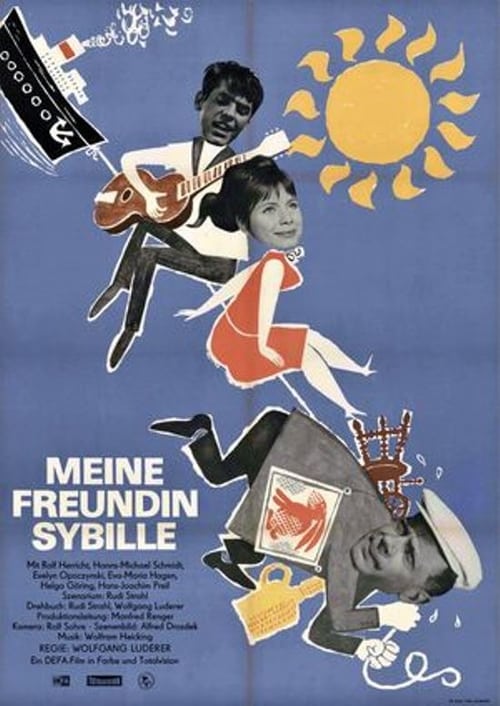
The adventures of three friends from East Germany on the Black Sea.
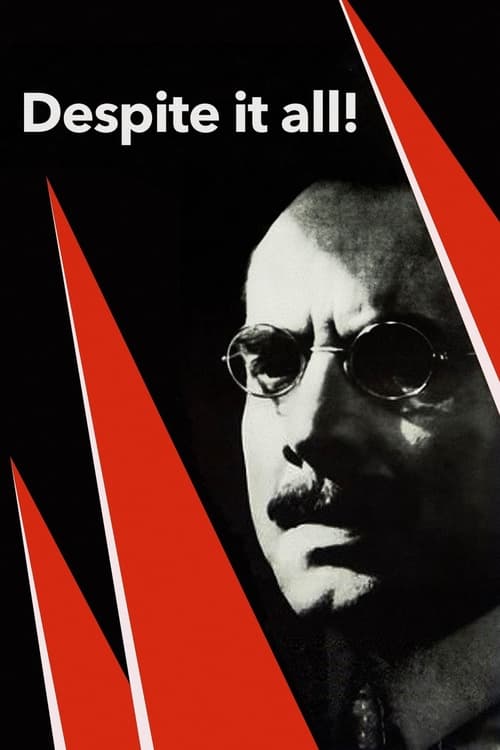
This is part one of a two-part biopic about Karl Liebknecht. In 1914, Germany is arming itself for war. Karl Liebknecht, left-wing revolutionary Social Democrat, workers’ leader and a virulent antimilitarist, is one among 110 SPD members of Parliament who vote against approving war loans. From then on, he is considered un-German and a traitor to the fatherland, and his own party’s leadership turns against him. Despite threats, Liebknecht speaks up against the war and writes the manifesto “The Main Enemy Is at Home.” Even when he is arrested and charged with treason, he does not surrender.
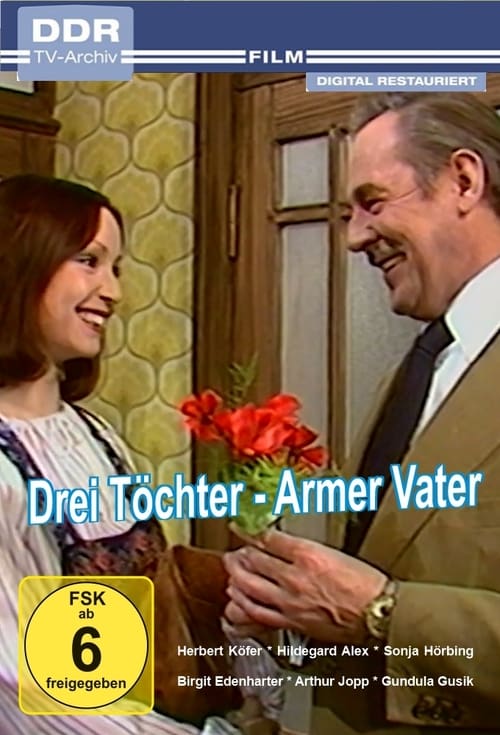
Master craftsman Richard Gorbacher celebrates his 65th birthday and announces an unusual decision on this day: he wants to adopt Eva, Marion and Renate, three young women from his company. As they are struggling with so many difficulties in their lives, he wants to be their father from now on and support them in all situations. However, the young women react differently to Richard's offer than expected. But Gorbacher perseveres and fights for "his" daughters and their true happiness.
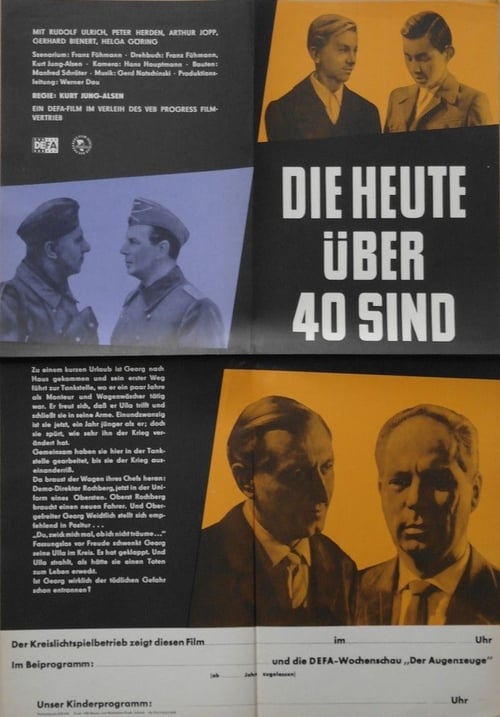
Film by Kurt Jung-Alsen.
Single crime writer Tom Clempner receives a delivery of goods that he did not order. Out of the box emerges a domestic robot called Graumer, whose pleasant female voice reveals it to be the latest ultra-de-luxe model. The sender's address, the agency for the placement and rental of domestic staff, does not mention delivery to Clempner, so the robot suggests that he should just keep it. As it costs him nothing, the writer quickly overcomes his reservations and makes diligent use of the unforeseen help, perfect in conversation and housework. However, it doesn't take long before the man of the house becomes annoyed by Graumer's all-encompassing care. The robot has already become indispensable, be it in the construction of Tom's new mystery plot or the preparation of the upcoming dinner for some acquaintances. But why does Graumer seem so disturbed when he learns that a police inspector will be among the guests?
The 17-year-old commercial student Doris, a young, blameless girl, lives with her relatives without parents. It is the nerve-wracking circumstances that make her very unhappy - the dream and longing for a fulfilled life seems far away. Then she meets a young man who recognizes her situation, takes advantage of it and puts her up as a prostitute in a bar. However, Doris escapes this milieu and works as a nanny in Austria. When the stepson of the house falls in love with her and her past comes to light, disaster strikes.
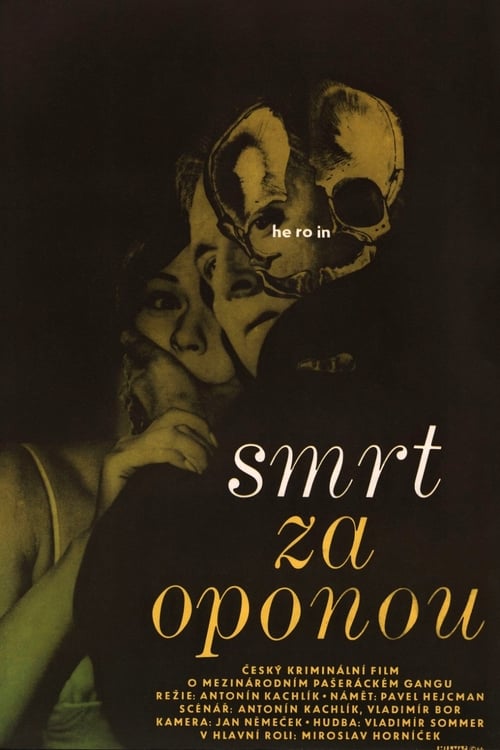
Members of an organised group smuggling heroin from France to Italy send a new shipment of the drug via Sweden, the GDR and Czechoslovakia. A new ballet is about to premiere at the Fibich Theatre in Prague. However, the situation is complicated by a horrific event: prima ballerina Milada Havlová is found dead in her dressing room. The autopsy and the first analyses reveal that she died of a heroin overdose. Captain Chrástek is in charge of the investigation and believes that it is not an accident but murder. An investigation unfolds that reveals not only the strained relationships between the members of the ballet company, but above all an international criminal network...
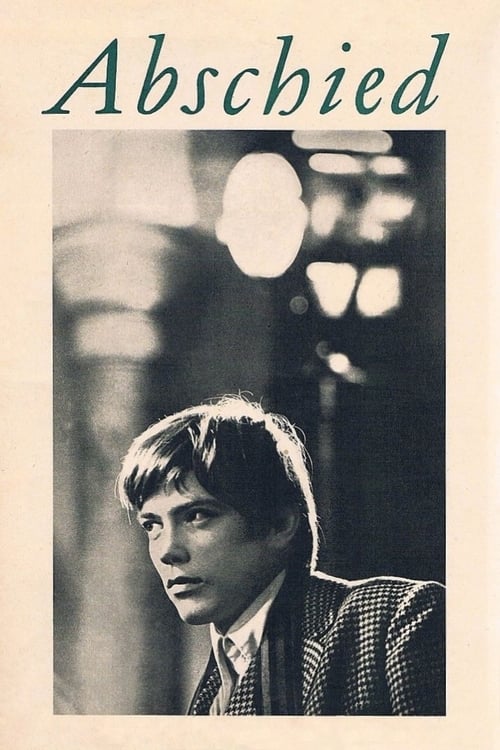
In August of 1914, amidst the public ecstasy surrounding the impending war, Hans Gastl, the young son of a Munich bürger, makes a decision: he will not take part in this war. This resolution signifies a turning point in his life; a farewell to his class and his family.
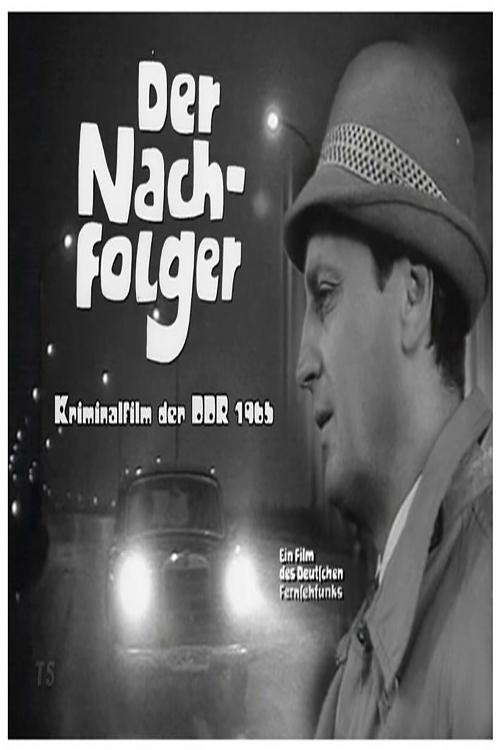
The Federal Republic of Germany. Journalist Rohmann, seriously injured in a car accident, is dying in hospital. Before his death, he bequeaths his unfinished novel to his friend, the famous writer Frank Seburg, and asks him to complete the work he started. Frank Seburg examines the materials collected by Rohmann. It turns out that the journalist was trying to uncover the mystery surrounding the deaths of several West German officials. According to the official version, they all committed suicide. Seburg was unable to fulfill his friend's request to reveal the true causes of their deaths. The fight against the followers of fascism proved too much for him.
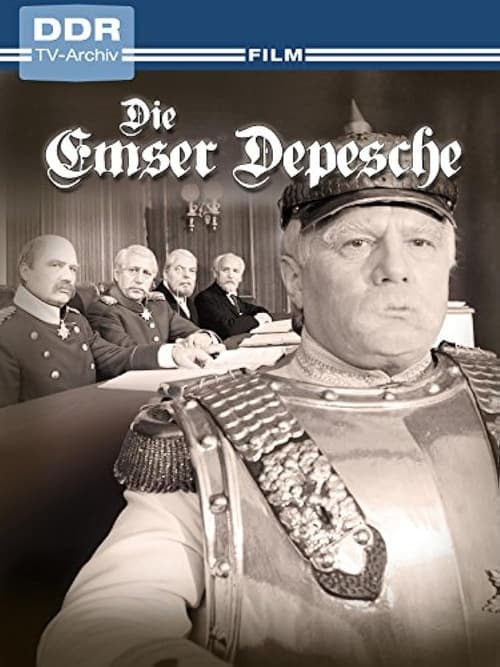
Theme of this scenic documentation is the consistent preparation of the Franco-German War by Bismarck and leading Prussian military, who, with the help of the conservative and liberal Berlin press, created the mood in which the publication of the heavily redacted "Emser Depesche" showed an effect desired by Bismarck. The authenticity of the game plot is supported by documents and documentary material.
The marriage of Katrin and Richard Lot has become a routine. She has a career and he, as a Marine officer, comes home only once every fourteen days. The children greet him with joy, but she greets him only with anxiety because their marriage is missing its key ingredient: love. She wants a divorce, but he refuses mainly out of comfort as well as due to pressure from the party. Katrin finds a strange solution: she shoplifts and is put on probation for three months. This is enough to force Richard into a divorce because he is concerned about the "moral liability" of his wife.